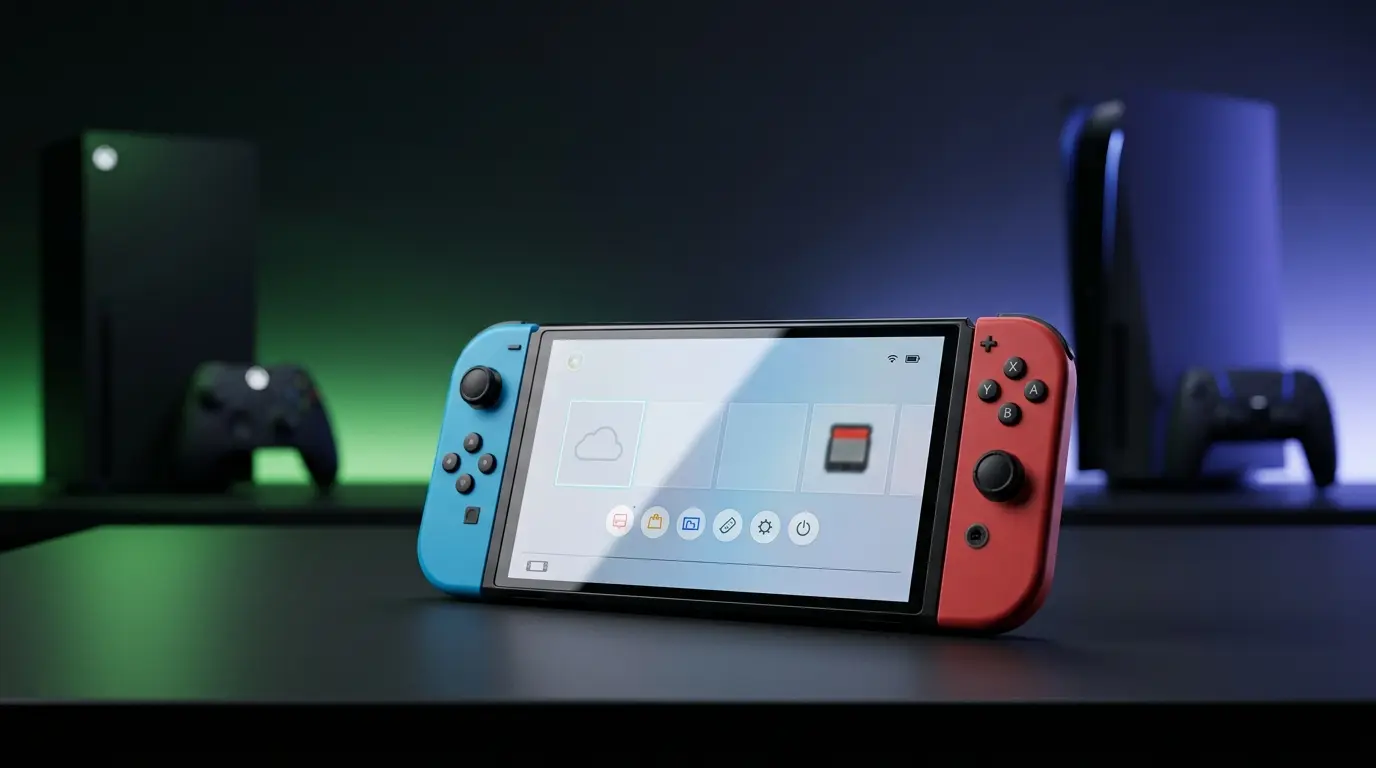

Nintendo has revealed that approximately 40% of players enjoying Tomodachi Life: Living the Dream are doing so on Switch 2 – a striking platform split for a title released as a standard Switch game, not a dedicated Switch 2 edition. Nintendo Life reported the figure as part of Nintendo’s latest financial results, and it lands at a moment when the question of how fast Switch 2 is pulling players off the original hardware is very much live.
Here’s the context: Tomodachi Life: Living the Dream sold over 3.8 million units in its first two weeks – a strong debut for a social sim franchise that skipped a full console generation – and with Switch 2 sitting at 19.86 million units sold total against the original Switch family’s 155.92 million lifetime, that 40% play rate is punching well above the new hardware’s current install base share. We covered both those hardware milestones in detail when Nintendo posted the combined figures, and the gap between the two platforms makes this split all the more notable. There’s no dedicated Switch 2 Edition of the game either – Switch 2 owners are getting faster load times and GameChat support, but this isn’t a remaster or a port driving those numbers.
Here’s the real read: a ~40% Switch 2 play rate for a first-party Switch title, less than a year into the new console’s life, suggests Nintendo’s platform transition is moving faster than the raw hardware sales ratio implies. Early adopters are clearly active – buying and playing Switch software at a rate disproportionate to their share of the install base – and Tomodachi Life: Living the Dream is the kind of broadly appealing, socially driven title that tends to attract exactly the enthusiast crowd that buys new hardware early. Nintendo will almost certainly be reading this as validation that Switch 2’s backward compatibility framework is doing meaningful commercial work, not just serving as a goodwill feature.
What changes this read is whether the 40% figure holds – or climbs – as Tomodachi Life: Living the Dream reaches a broader audience beyond its launch window. The game’s early Japan performance, which we covered when Famitsu’s physical sales data dropped, already pointed to strong momentum across the board. Watch Nintendo’s next earnings call for updated sell-through data and any shift in that platform split – if Switch 2’s share of players keeps rising as the hardware reaches more homes, that’s a meaningful signal for how Nintendo plans first-party releases through 2027.
Are you playing Tomodachi Life: Living the Dream on Switch 2 or sticking with the original hardware – and does the GameChat and load time bump actually factor into your choice? Sound off in the comments below, and keep your eyes on GameLuster for more Nintendo and Switch 2 coverage.