
Research suggests that video games can sometimes lower cortisol, but the answer depends heavily on game type, session length, and timing. Cortisol is a hormone tied to how the body responds to stress, and it does not respond to every gaming session the same way. This article breaks down what 2026 lab studies support, which game types are most likely to help or hurt, and where evidence is still too thin to draw firm conclusions. Gaming is not a medical treatment, but it may be a useful short-term stress tool when used wisely. For broader context on gaming and health research, related findings are worth exploring alongside these cortisol-specific results.
What the Best Available 2026 Research Actually Says
The strongest evidence to date comes from controlled lab studies that measured salivary cortisol, heart rate, and heart rate variability before and after gaming sessions. The picture that emerges is nuanced: short gaming sessions after an acute stressor tend to support physiological recovery, while long or late-night sessions can complicate hormonal rhythms.
- Wagener et al. 2025 (Int. J. Psychophysiology, N=82): Participants completed a cold-pressor stress task, then played either a violent or non-violent segment of A Plague Tale: Requiem. Cortisol and heart rate decreased in both groups after gaming, and heart rate variability increased, indicating physiological relaxation even when players reported feeling more stressed during the violent passage.
- 2024 Physiology & Behavior study on violent games and stress hormones: Participants randomly assigned to a violent game showed a significant cortisol decrease with no increase in aggression or aggressive thinking compared to a non-violent control group. Reductions were especially strong in participants who scored high in Machiavellianism, suggesting personality moderates hormonal responses.
- 2021 JMIR Mental Health systematic review (28 studies, 2006-2021): A review of commercial off-the-shelf games found that casual games, exergames, action, action-adventure, and augmented reality titles can all reduce stress and anxiety. Benefits often appeared after a single short session.
- 2021 “Flower vs. body scan” RCT: Undergraduates who played the calming game Flower for 20 minutes showed significant drops in perceived stress, heart rate (from roughly 76.6 to 71.5 bpm), and systolic blood pressure (from roughly 120.2 to 113.1 mmHg), results comparable to a mindfulness body scan.
- 2025 Computers in Human Behavior Reports RCT on evening gaming: A randomized controlled trial comparing evening gaming to watching video found that late-night sessions can shift melatonin timing and disrupt sleep-wake hormones, even if the gaming itself feels relaxing.
Key takeaway: The most reliable finding across these studies is that short gaming sessions following acute stress can reduce cortisol and improve related physiological markers, though the benefits are context-dependent and time-limited.
Can Video Games Lower Cortisol? The Short Answer
Yes, sometimes, under specific conditions. Lab evidence consistently shows that playing games after an acute stressor can reduce cortisol levels within a single session. The Wagener et al. 2025 study is the clearest demonstration of this: cortisol rose during a standardized stressor and then fell during gameplay, regardless of whether the game content was violent or calm.

What the research does not show is any strong evidence that regular gaming lowers baseline cortisol over weeks or months. Nearly every cortisol measurement in this field comes from a single lab session. Long-term hormonal data are essentially absent.
There is also an important distinction between feeling less stressed and having lower cortisol. In the Wagener study, players of the violent game segment reported feeling more stressed and less relaxed than players of the calmer segment. Yet both groups showed nearly identical drops in cortisol and heart rate. Subjective stress and biological stress markers can tell very different stories.
A game that feels intense can still help the body recover from stress, while a game that feels relaxing may not always move cortisol in a meaningful direction. The biology and the feeling are not the same measurement.
Key takeaway: Video games can lower cortisol acutely after stress, but that is different from being a reliable, long-term hormone-management strategy, and what a player feels during a session does not always match what their cortisol is doing.
How Video Games Might Affect Cortisol
The 2025 narrative review “From Controller to Screen” and the JMIR systematic review both point to several plausible pathways through which games may influence stress biology, including cortisol.
- Distraction from ruminative thinking: Engaging gameplay occupies cognitive resources that might otherwise fuel anxious or negative thoughts, interrupting the mental loops that keep the stress response activated.
- Positive affect and reward: Games trigger dopamine release through reward loops, achievements, and moments of mastery. Positive emotional states are linked to lower HPA axis activity and reduced cortisol output.
- Flow states: When challenge and skill are balanced, players enter a state of absorbed focus that research associates with reduced self-referential worry and lower physiological arousal.
- Perceived control: Unlike many real-world stressors, games give players a clear set of rules and agency. A sense of control is consistently associated with lower cortisol reactivity.
- Social connection: Multiplayer and co-operative gaming can reduce feelings of loneliness. A 2025 European survey of nearly 13,000 players found roughly 55-56% said gaming reduces loneliness, and social support is a known buffer against stress hormones.
- Competition, frustration, and overstimulation (stress pathways): Ranked or high-stakes competitive play can raise blood pressure and self-reported anxiety, even when cortisol does not spike. Late-night or very long sessions can shift melatonin and disrupt circadian cortisol rhythms.
Key takeaway: Games likely reduce cortisol through overlapping pathways including distraction, positive affect, flow, and perceived control, but the same games can activate stress biology if they produce frustration, competition pressure, or sleep loss.
What Types of Games Are Most Likely to Help or Hurt
The phrase “video games relieve stress” covers enormously different experiences. A cozy farming game and a ranked first-person shooter are both video games, but they produce very different physiological signatures. The JMIR review and the studies above make this distinction concrete.
- Casual and cozy games: Titles like Bejeweled, Tetris, Flower, and similar low-demand games consistently reduce self-reported stress and improve heart rate variability. Earlier research on casual games like Bejeweled found a 54% reduction in a physical stress activity measure via HRV, though cortisol was not directly measured in that study. These games are the safest bet for stress relief when it comes to do video games reduce stress questions.
- Exergames (Wii Fit, Just Dance, Ring Fit Adventure): The JMIR review highlights exergames as effective at lowering stress and anxiety, sometimes outperforming traditional exercise programs. Some studies in this category include salivary cortisol measurements. One VR study found greater anxiety reduction with an exergame compared to a casual VR game.
- Action and action-adventure games: Games like A Plague Tale: Requiem appear in the 2025 cortisol study. Even violent content did not prevent physiological recovery from stress, though players felt subjectively more on edge. These can still support cortisol recovery in the right context.
- Social and co-operative multiplayer: When played in collaborative or low-stakes social settings, multiplayer titles may amplify the stress-buffering effect through social connection.
- Ranked competitive and high-stakes play: This category carries the most risk for stress escalation, including elevated blood pressure and anxiety, even if cortisol sometimes drops.
- Horror and extreme-intensity games: High arousal content can increase anxiety markers. Whether cortisol rises or falls depends heavily on individual response and context.
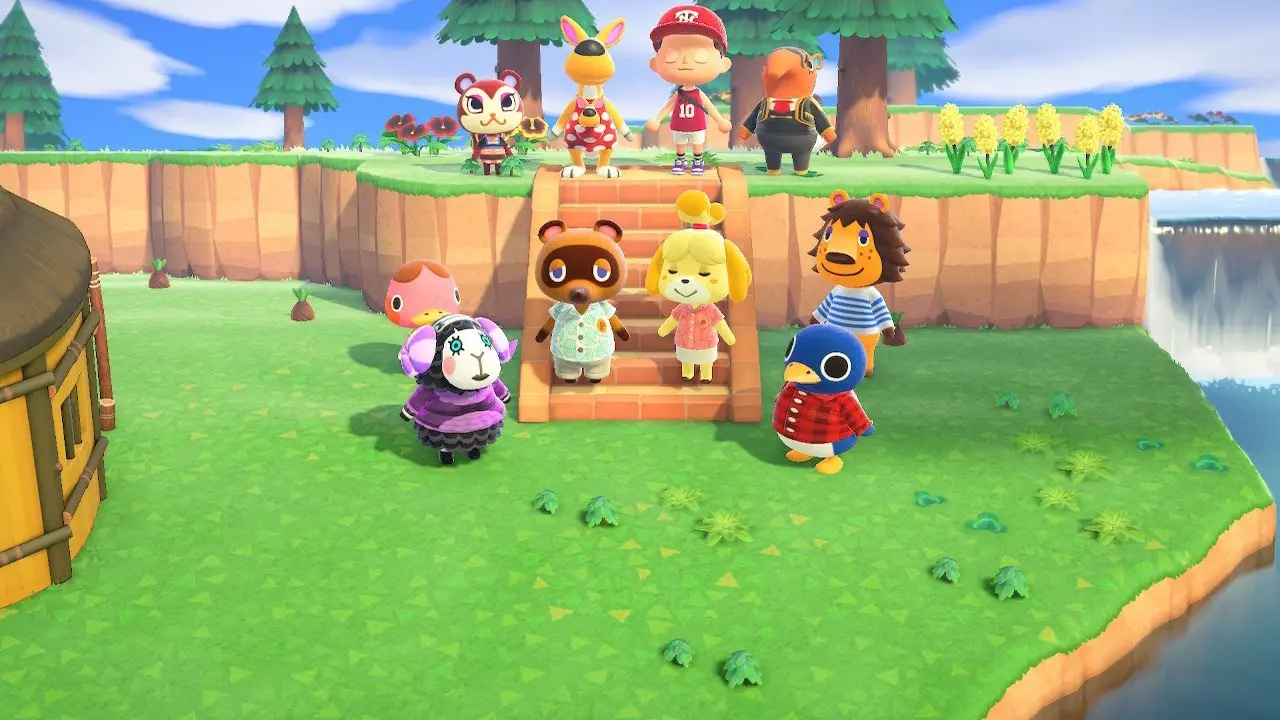
For those looking for a starting point, life simulation and low-pressure casual titles tend to align most closely with the game profiles that showed cortisol and anxiety reductions in the research literature.
Key takeaway: Casual, cozy, and exergames offer the most consistent evidence for video games and stress relief; competitive and high-intensity games carry more mixed results that depend on context and individual personality.
What the Research Does and Does Not Prove
Given how widely the “video games relieve stress” claim circulates, it is worth drawing a clear line between what studies actually support and what they do not.
What the evidence supports:
- Short gaming sessions after an acute stressor can reduce cortisol, heart rate, and other physiological stress markers in a single sitting.
- Both violent and non-violent game content can produce cortisol reductions during post-stress recovery, though the subjective experience of each differs.
- Casual games, exergames, action, and action-adventure titles have all shown stress and anxiety reductions in controlled studies.
- Calming games can produce physiological relaxation comparable to mindfulness techniques over a 20-minute session.
- A large majority of surveyed gamers (roughly 71-72% in a 2025 European survey of nearly 13,000 players) report that games help them feel less stressed, and 2026 Boston University research finds many players use gaming deliberately as a stress-management strategy.
What the evidence does not support:
- Long-term reductions in baseline cortisol from regular gaming. Almost all cortisol data come from single lab sessions.
- Gaming as a substitute for clinical treatment of anxiety, chronic stress, or HPA axis dysregulation.
- A universal “gaming lowers cortisol” rule. Effects depend on game type, session length, timing, and individual personality traits.
- Robust findings across diverse populations. Most studies use young adult samples; there is almost no cortisol research in adolescents, older adults, or people with chronic stress conditions.
Key takeaway: The evidence supports gaming as a short-term physiological stress reliever under specific conditions, but it does not support broad claims that video games consistently lower cortisol at a population level or over time.
Risks, Limits, and When Gaming May Raise Stress Instead
While the case for video games and stress relief is real within a narrow set of conditions, there are meaningful scenarios where gaming can make stress biology worse rather than better.
- Late-night play: A 2025 randomized controlled trial found that evening gaming shifts melatonin timing and affects sleep-wake hormones. Because cortisol follows a circadian rhythm, disrupted sleep directly undermines healthy cortisol regulation the following day.
- Extended nighttime sessions in adolescents: A study of adolescent boys found that a prolonged late-night gaming session worsened sleep quality and impaired memory compared to a control condition. Disrupted sleep is closely linked to dysregulated cortisol rhythms.
- High-stakes competitive play: Research has found that violent and competitive games can raise blood pressure and self-reported anxiety even when cortisol may not increase, meaning the overall physiological stress picture can still be negative.
- Toxic social environments: Multiplayer settings with harassment or high-pressure ranking systems can amplify frustration and anxiety rather than dampen them.
- Individual variability: The 2024 Physiology & Behavior study found that cortisol reductions were strongest in participants high in Machiavellianism, showing that personality moderates hormonal outcomes. Not everyone responds to the same game in the same way.
- Small, lab-based sample limitations: Most studies use small samples of healthy young adults, making it hard to generalize findings to real-world gaming habits across diverse populations.
Key takeaway: Late-night sessions, excessively long play, competitive environments, and individual personality all influence whether a gaming session helps or hurts cortisol and overall stress biology.
How to Use Video Games for Stress Relief Realistically
Translating this research into practice means being selective about when, what, and how long to play. The evidence points toward a few concrete habits that make video games stress relief more likely to work as intended.
- Keep sessions short after a stressful event. The clearest cortisol-lowering evidence comes from sessions in the 15-30 minute range following an acute stressor. Longer is not necessarily better and may introduce diminishing returns or sleepiness.
- Choose lower-stakes game types first. Casual games, cozy simulators, and exergames consistently outperform competitive and high-intensity titles as reliable stress relief tools. If competitive play is preferred, pay attention to how the body feels afterward rather than assuming the effect is positive.
- Protect sleep by finishing sessions earlier in the evening. Given that the 2025 evening gaming RCT showed effects on melatonin timing, avoiding gaming in the hour before bed is a reasonable precaution. Cortisol rhythms depend heavily on sleep quality.
- Monitor subjective versus physical reactions. The Wagener 2025 study showed that feeling stressed during a game does not mean cortisol is rising. Conversely, feeling calm does not guarantee hormonal recovery. Learning to notice physical signs of relaxation (slower breathing, loosening tension) is more informative than mood alone.
- Use gaming as a supplement, not a solution. A 2026 Boston University study frames gaming as a modern coping skill when used in moderation. It fits alongside other stress-management strategies rather than replacing them.
- Avoid gaming during chronic stress without other support. Acute stress relief is the domain where evidence exists. There is no data showing that gaming corrects long-term cortisol dysregulation, and leaning on it exclusively during chronic stress may delay seeking more effective help.
Pro tip: If the goal is physiological recovery from a stressful day, a 20-minute session with a low-pressure game earlier in the evening is the option most consistent with current research. Save intense competitive play for times when stress levels are already manageable.
Frequently Asked Questions
Can video games lower cortisol in everyday life, not just in a lab?
Lab studies show that short gaming sessions after acute stress can reduce cortisol, and survey data suggest that roughly 71-72% of European gamers feel less stressed after playing. However, the direct cortisol measurements come almost entirely from controlled experiments with young adults. Whether the same hormonal reduction happens consistently in everyday settings, across different ages and stress levels, has not been confirmed by research yet. The self-reported stress relief is real, but the cortisol biology in real-world conditions remains an open question.
Do violent video games raise cortisol compared to calm games?
Contrary to older assumptions, recent evidence suggests violent games do not necessarily raise cortisol and may actually lower it. The 2025 Wagener et al. study found that both violent and non-violent segments of a game produced similar cortisol decreases after a stressor, and a 2024 Physiology & Behavior study found cortisol significantly decreased in players assigned to a violent game with no increase in aggression. That said, violent or competitive games can still raise blood pressure and self-reported anxiety, so the full physiological picture is more complex than cortisol alone.
Is gaming a reliable long-term strategy for managing high cortisol?
Not based on current evidence. Almost all cortisol studies in this area measure a single gaming session in a lab. There is no robust longitudinal data showing that regular gaming lowers baseline cortisol over weeks or months. The JMIR systematic review and the 2025 narrative review both flag the absence of long-term hormonal data as a major gap. Gaming may help reset the stress response after an acute event, but it has not been shown to correct chronic cortisol dysregulation and should not replace professional support for persistent high cortisol.
What hormone is released when playing video games?
Games engage several neurochemical systems depending on the experience. The reward and achievement elements of gaming trigger dopamine release, which is associated with positive affect and motivation. Research also links gaming to reductions in cortisol (the primary stress hormone) after stressful events, and to changes in heart rate and heart rate variability, which reflect the autonomic nervous system’s shift toward relaxation. Evening gaming additionally affects melatonin timing, which is why late-night play can disrupt sleep-wake cycles even when a session feels calming.
Can gaming raise cortisol in some situations?
Yes. High-stakes competitive play, frustrating multiplayer environments, and prolonged late-night sessions can all activate or sustain stress biology. Some research found that intense or competitive game conditions raised blood pressure and anxiety even when cortisol did not spike. More importantly, late-night gaming has been shown in a 2025 randomized controlled trial to shift melatonin timing, and disrupted sleep is closely tied to dysregulated cortisol the next day. The net effect on stress biology depends on the game type, session length, timing, and individual response.
Do casual games reduce stress hormones more than action games?
Casual games have the most consistent evidence for reducing physiological stress markers, partly because they tend to produce relaxation without frustration or high arousal. The “Flower vs. body scan” study showed a calming game produced drops in heart rate and blood pressure comparable to a mindfulness session. Action and action-adventure games can also lower cortisol after stress, as the Wagener 2025 study demonstrated, but players are more likely to feel subjectively stressed during them. The best choice depends on individual preference and what the body tolerates without tipping into frustration.
The Bottom Line on Whether Video Games Can Lower Cortisol
The most defensible answer in 2026 is this: some games, played for short sessions after an acute stressor, can lower cortisol and improve related physiological markers. That finding holds across game types that include both calm and violent content, and it is supported by multiple controlled studies with biological measurements. The effect is real, but it is also short-term, context-specific, and not yet proven to carry over into lasting hormonal change.
What the research does not support is the idea that gaming is a treatment for chronic stress, anxiety disorders, or elevated baseline cortisol. The studies that exist are mostly small, lab-based, and conducted on young adults. Long-term cortisol data in real-world gamers across diverse populations are essentially nonexistent.
The practical framing from 2026 research, including the Boston University findings on gaming as a deliberate coping skill, is that gaming can be a reasonable short-term stress tool when used in moderation, with attention to timing and game choice. As with most behavioral strategies, the context matters as much as the activity itself. Future longitudinal studies tracking cortisol in regular gamers over months will be needed before stronger claims can be made.