Tomb Raider: Catalyst has been pushed from its 2027 release window into 2028, after Amazon Games head Jeffrey Gattis casually confirmed the slip during a recent episode of Christopher Dring‘s The Game Business podcast, making it the second major Lara Croft title this year to miss its original target.
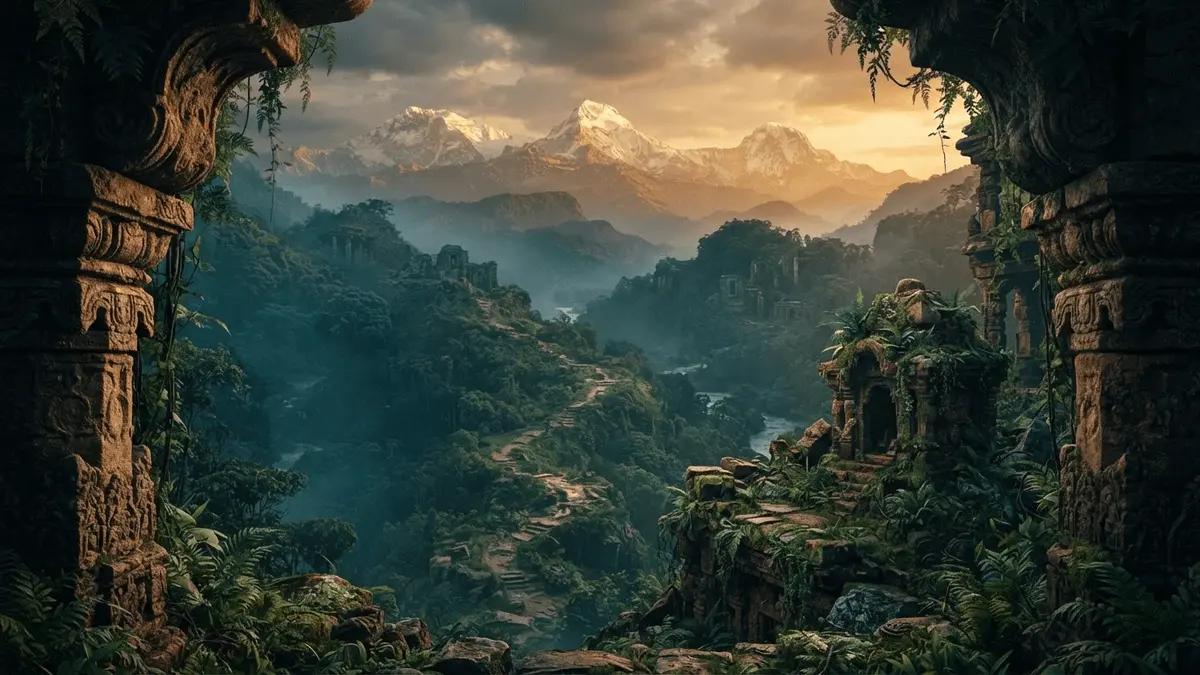
Here’s the context: Both Tomb Raider: Catalyst and Tomb Raider: Legacy of Atlantis were announced at The Game Awards in December, Both games were stamped with 2026 and 2027 release windows, the source assigns the 2027 window to Legacy of Atlantis. Legacy of Atlantis – a ground-up remake of the original 1996 game, developed jointly by Flying Wild Hog and Crystal Dynamics – had already slipped once before locking in a February 12, 2027 release date at Summer Game Fest. Catalyst, set in northern India and handled by a separate internal team within Crystal Dynamics, had been expected to follow later in 2027.

The two games are separate productions by separate teams, so Legacy of Atlantis‘s earlier delay shouldn’t have had any mechanical knock-on effect on Catalyst‘s schedule. That makes the timing of this second slip worth reading carefully – it looks less like a cascading production problem and more like a deliberate scheduling call.
Honestly, the most credible explanation here isn’t that Crystal Dynamics is in trouble – it looks like an inferred rationale is that Amazon Games wanted to avoid putting two Tomb Raider titles on shelves in the same calendar year. Legacy of Atlantis drops in February 2027; landing Catalyst in the fall or holiday window of that same year would mean competing for the same audience, the same review cycles, and the same marketing spend. Spacing them out protects both games commercially, even if it frustrates frustrates fans who’ve been waiting. and frankly the right one. If the alternative is a rushed holiday 2027 release that splits attention with Legacy of Atlantis, 2028 is the smarter bet.
It’s also worth noting the broader pattern at play. Amazon Games is navigating a high-stakes moment as a publisher of major legacy IP, and this kind of scheduling discipline – frustrating as it is in the short term – is exactly what separates studios that protect their franchises from those that don’t. Fans anxious about what prolonged delays signal for big-budget action-adventure games at major publishers have plenty of reference points right now, from long-gestating sequels at other storied studios to the opaque silence that often precedes major release date updates.
What remains unclear is why exactly Catalyst needed more than the available 2027 window. Gattis’s mention on The Game Business was quick and subtle – the phrasing around “the next one” was quick and subtle. Whether this reflects production scope expanding, a quality bar being reset, or purely a commercial spacing decision has only been discussed in that podcast moment.
What to watch: What remains unclear is why exactly Catalyst needed more than the available 2027 window. – once that game is out the door, expect Amazon and Crystal Dynamics to shift the marketing focus to Catalyst. For now, Tomb Raider: Catalyst is confirmed for Xbox, PlayStation, and PC in 2028.
Are you relieved Amazon is giving Catalyst more time, or does the second delay in one year raise concerns for you? Let us know in the comments, and keep an eye here for ongoing coverage as the Tomb Raider double-release strategy develops.