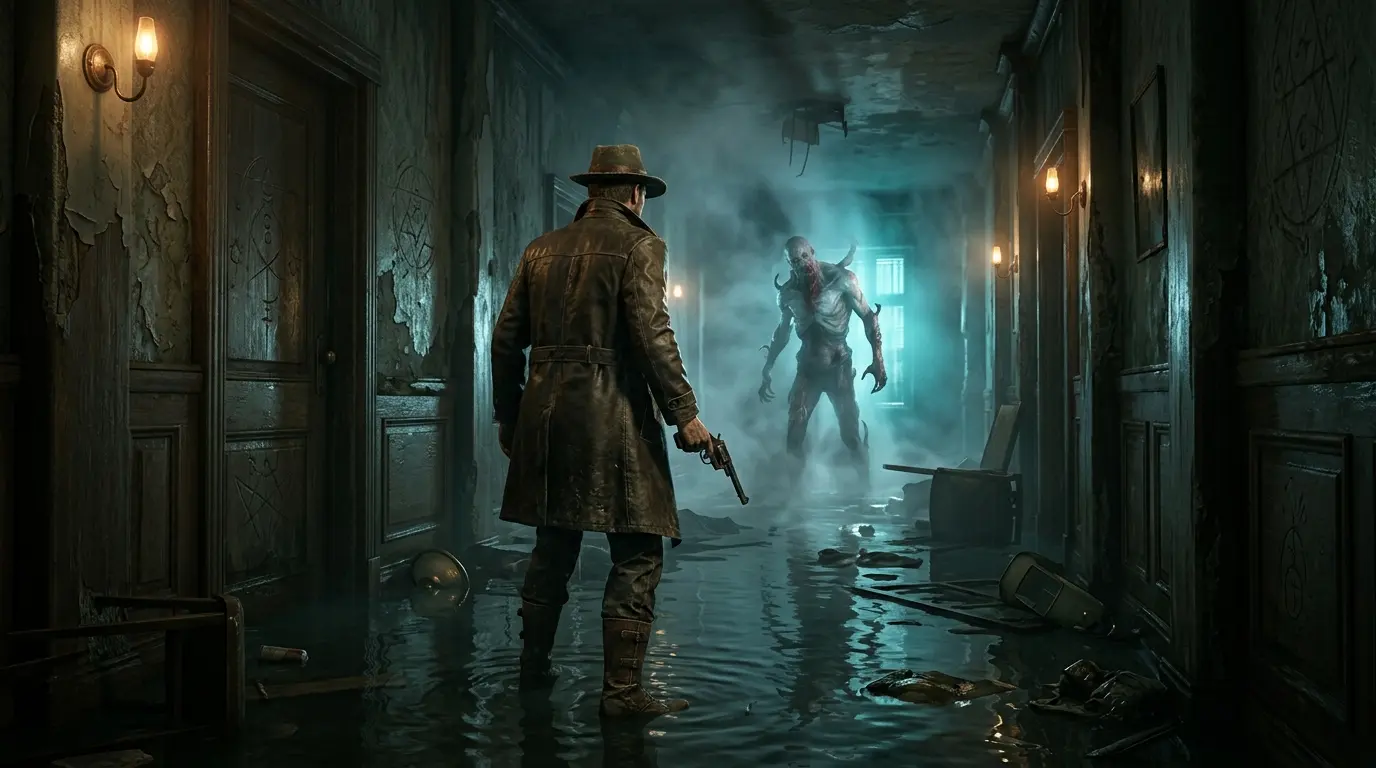
I bounced hard off the original Sinking City. Frogwares’ Lovecraftian detective game had genuine ambition in its interconnected lore and open-world investigation systems, but the actual moment-to-moment experience was a slog I never finished caring about. So when I heard the sequel was throwing most of that structure out the window, I went in skeptical rather than excited – and came out having eaten most of my words.
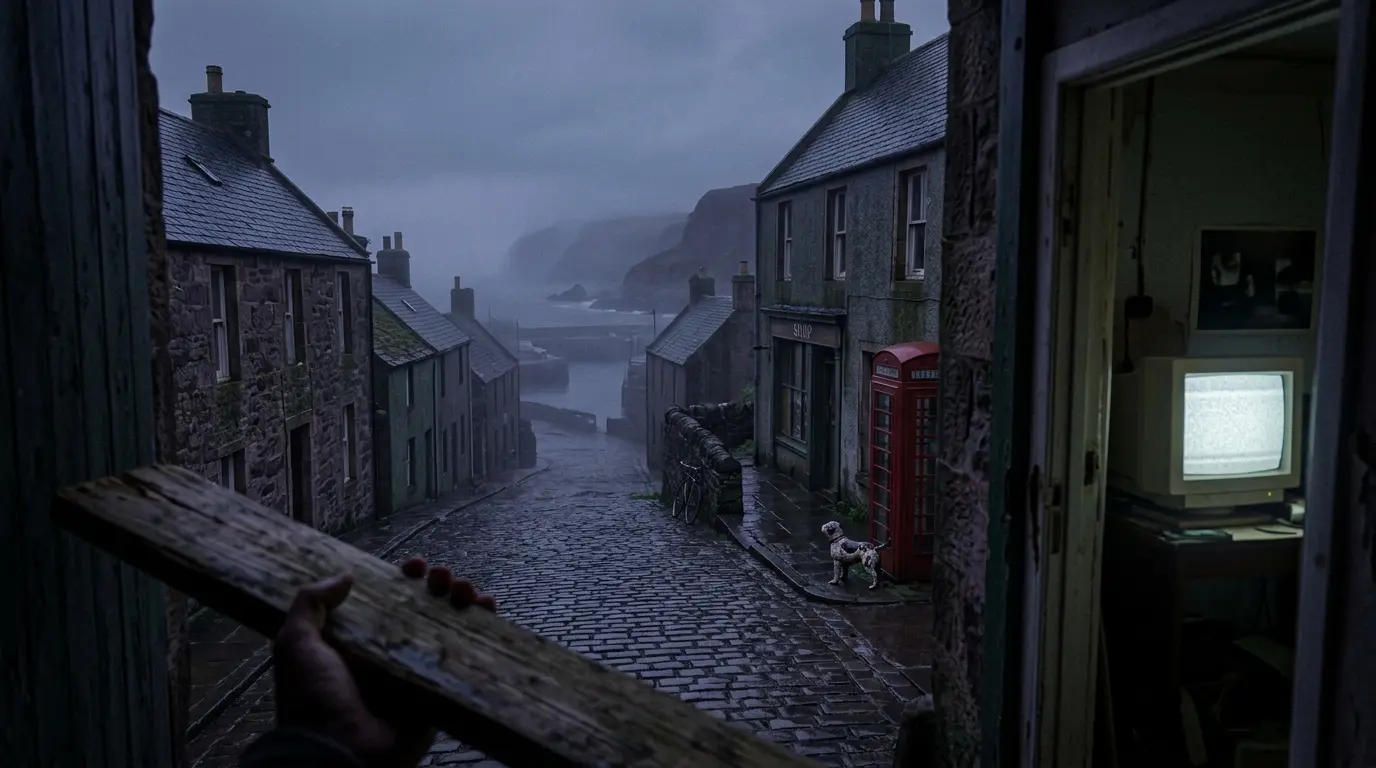
The Sinking City 2 is a near-total reinvention of what came before it. Where the first game was an open-world detective sim with light combat bolted on, the sequel is a linear, chapter-based survival horror game that wears its influences on its sleeve – think Resident Evil 2 Remake and The Evil Within filtered through a Lovecraftian lens. You play Calvin Rafferty, a new protagonist navigating the flooded, inland city of Arkham in the 1920s, trying to save his partner Faye after a ritual to contact an Old God leaves her spirit trapped and her body comatose. It’s a smaller, tighter pitch than the original’s sprawling mystery, and that turns out to be the point.
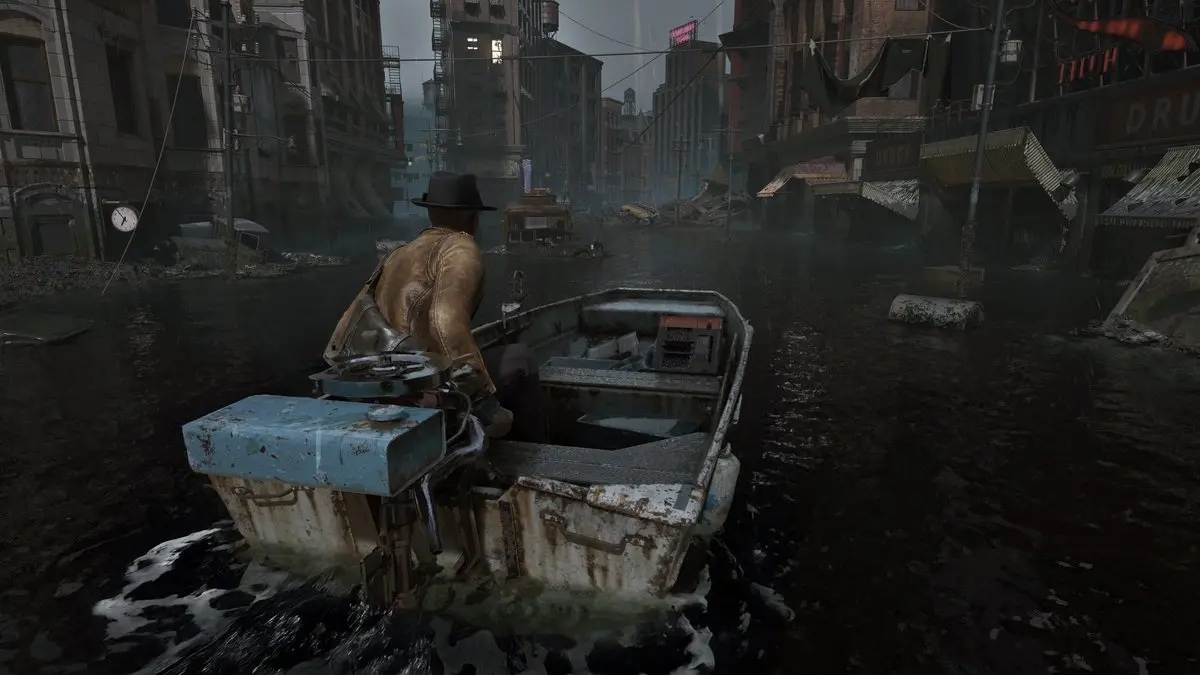
The mechanical overhaul is the biggest story here, and it mostly works. Traversal by boat is still present but heavily scaled back, in favor of dense, interconnected hub locations – a hotel, a hospital, a fish market – that fold back on themselves the way Resident Evil’s Raccoon City Police Station does. Locked doors gate progress behind key items, the map switches from red to blue as you clear rooms, and there’s a genuine satisfaction to finishing a chapter having fully mapped its layout in your head. It’s a tried-and-tested loop, and Frogwares leans on it rather than reinventing it, but the curated spaces solve the biggest problem I had with the original: repetition.
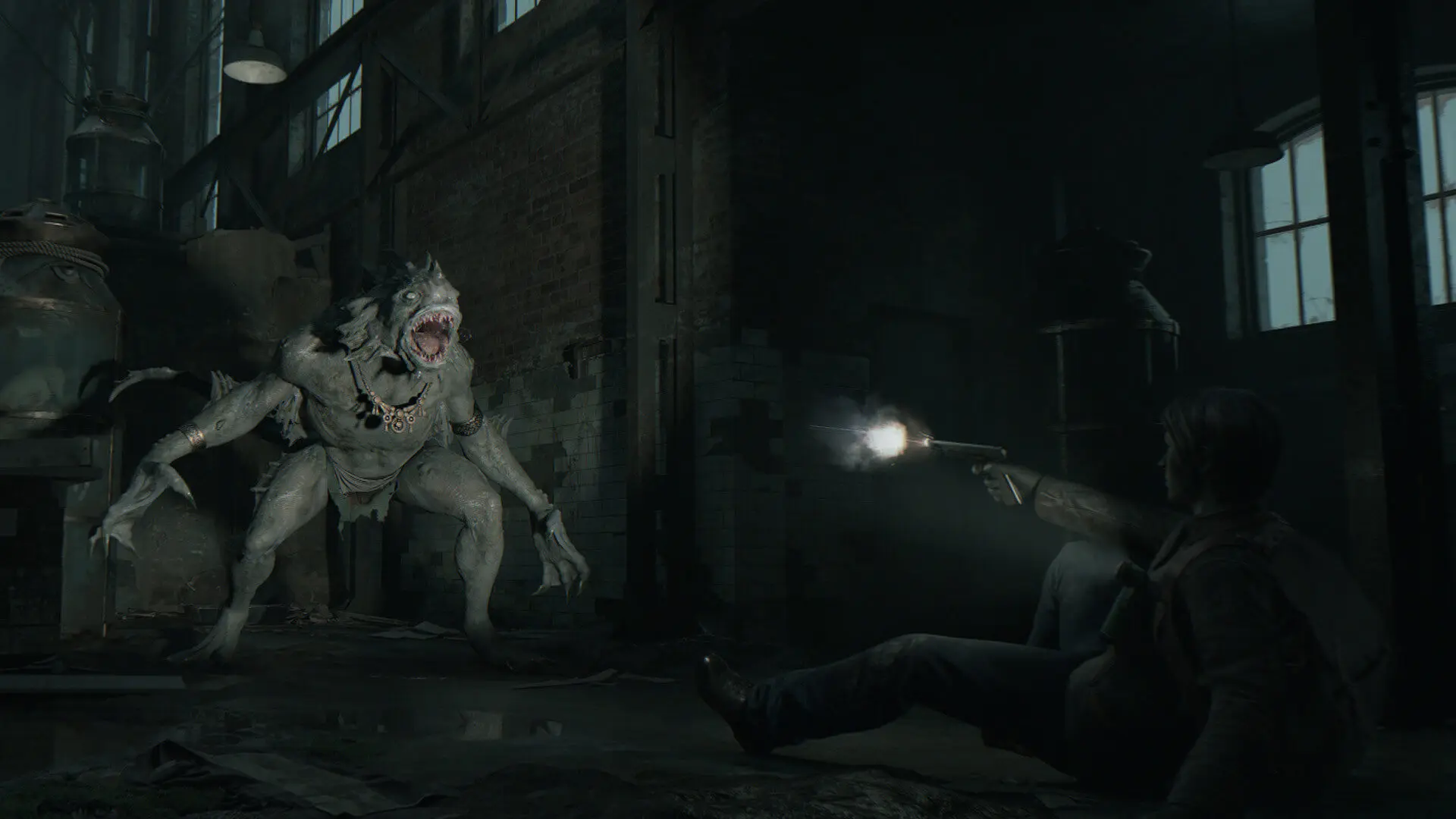
Combat is the other major swing, and it’s the one I expected to hate most. Calvin controls like a cross between Leon Kennedy and Isaac Clarke, fighting off Slither-infected humanoids with a pistol, shotgun, rifle, machine gun, and a largely useless grenade launcher. Enemies have glowing weak points that make the shoot-legs-then-stomp routine almost too effective, which is why I’d push anyone with survival horror experience to start on hard rather than normal. Ammo scarcity and inventory management genuinely bite in the early hours – I was over-encumbered constantly and made more trips back to safe rooms than I’d like – but once the systems click, the tension of managing resources against ferocity does a lot of heavy lifting for the atmosphere.
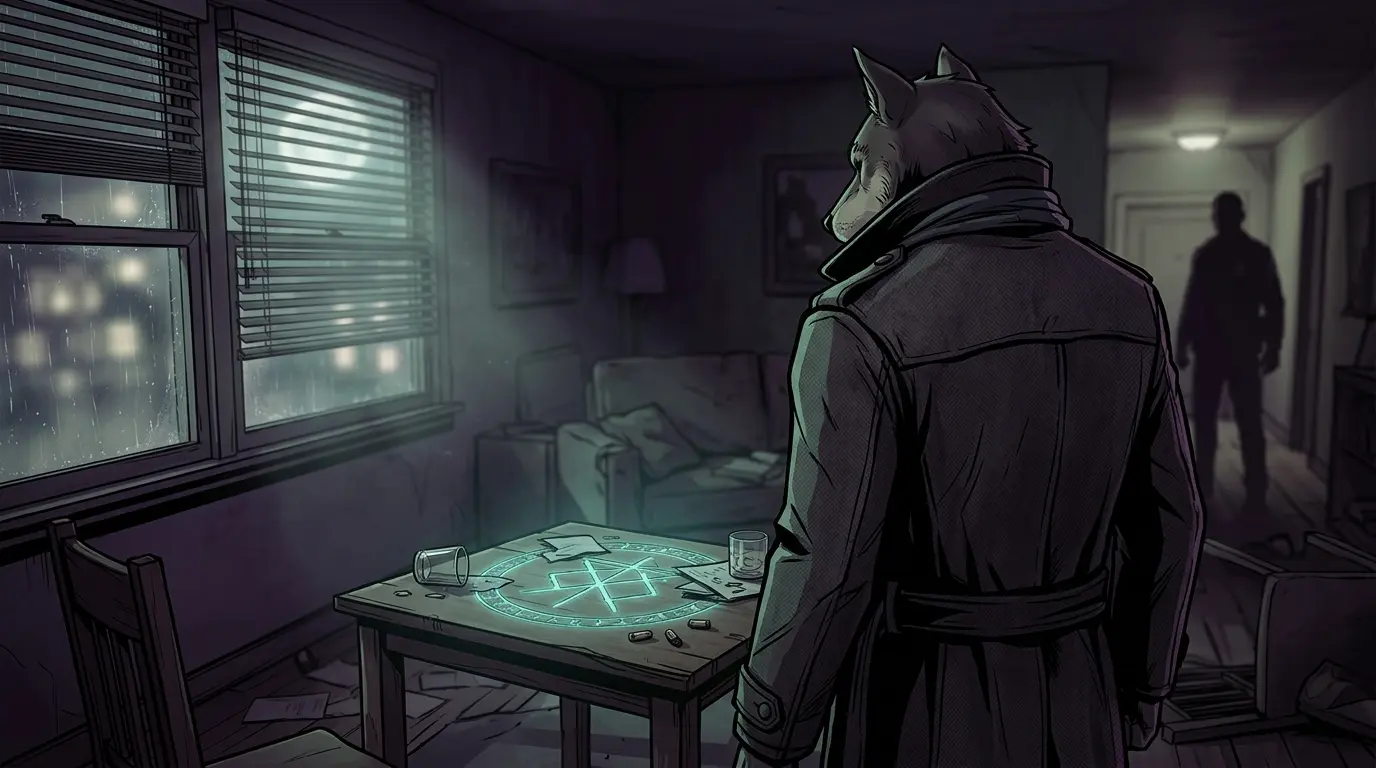
Where the game surprised me most was the writing. I couldn’t tell you a single detail about the first game’s plot months later, but Calvin and Faye’s relationship gives this one a hook that actually lingers. Faye manifests as a spirit through an occult mask called the Night Shade, accompanying Calvin and doling out their history in pieces as the campaign unfolds. There’s melodrama here that doesn’t always land, and a couple of odd lip-sync moments undercut cutscenes more than they should, but the core duo’s dynamic is genuinely engaging in a way the cosmic horror trappings around them rarely manage on their own. The optional Investigation Board – a scaled-back nod to the original’s detective work – lets you piece together lore for upgrade currency, with both guided and unguided modes depending on how much hand-holding you want.
It’s worth sitting with the context around this release for a second. Frogwares operates out of both Ireland and Ukraine, and many of the people who made this game have been directly affected by the war – something that’s visible in the game itself even if it doesn’t change my assessment of it as a piece of software. That the studio shipped something this polished under those circumstances says a lot about its resilience, even setting the game’s own merits aside.
The rough edges are real, though. The camera has an irritating habit of zooming in too tight when you’re cornered, which happens often given how aggressively enemies close distance. A couple of late gauntlets throw so many enemies at once that the only real strategy is circle-strafing and picking them off one by one, which feels tedious rather than tense. Visually, it’s inconsistent – the hospital and Arkham’s flooded, neon-lit streets have real atmosphere, but lighting can wash out, animations feel stilted, and the Lovecraftian creative madness I wanted more of takes a backseat to the more grounded human drama. I played almost entirely in performance mode and it held up well outside of the busiest encounters.
Fans of the original’s detective-first structure may feel shortchanged by how much of that identity has been sanded off in favor of a more conventional survival horror loop. But for someone who found the first game a chore, the pivot to a tighter, more directed experience makes for a far more compelling ten to eleven hours. New Game Plus is available immediately, and the Night Shade’s upgrade tree is reportedly deep enough that you won’t max it out in a single run, so there’s a reasonable amount of replay value packed into a relatively focused campaign.
The Sinking City 2 doesn’t reach the heights of the genre pillars it’s clearly emulating, and it knows it – this is homage rather than innovation. But as a course correction from a studio that clearly listened to what didn’t work the first time, it’s a genuinely admirable effort. I went in expecting to tolerate it and came out actively wanting to see Calvin and Faye’s story through to the end, which is more than I can say for anything in the original.