Series producer Eiji Aonuma says nostalgia shaped the Nintendo Switch 2 remake of The Legend of Zelda: Ocarina of Time, even though the original team never aimed for it.
He and art director Aya Shida gave the explanation in the second part of Nintendo’s Ask the Developer interview on the remake, published November 2, with the game’s character designs still dividing longtime Zelda fans days before launch.
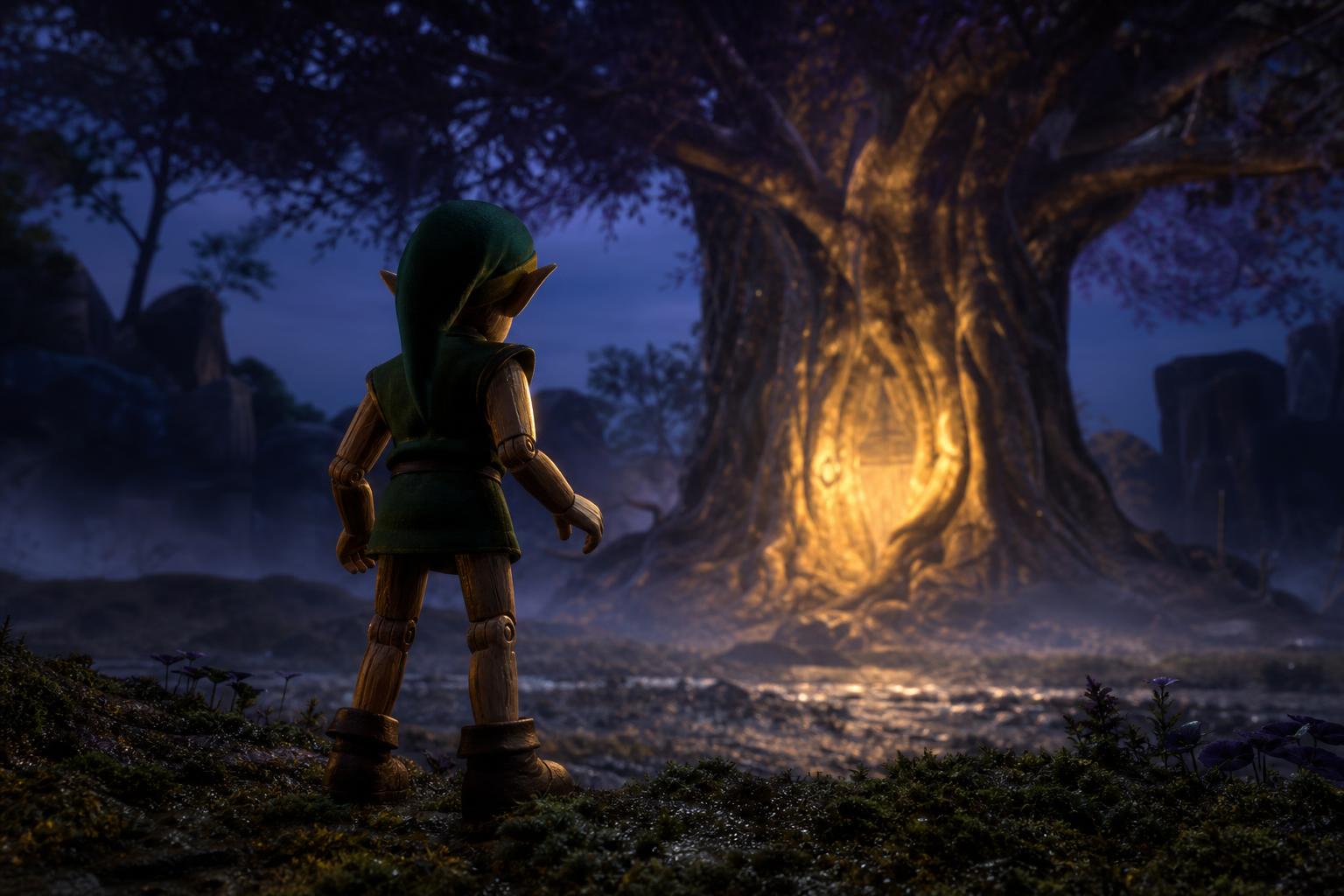
Shida said the team’s starting point was what the Switch 2 hardware could do: a richly detailed world that felt as though it could truly exist. “But our goal wasn’t simply to make everything realistic,” she said. The direction instead followed two keywords, a puppet-show feel and the analog feel of practical effects films, and the team built the look from sketches of Link, Zelda and the other characters alongside a 3D model of the Great Deku Tree before presenting the concept to Aonuma.
“We weren’t trying to create anything nostalgic”
Aonuma, a developer on the 1998 original, framed the style as a generational handover. “Back when we were developing the game for Nintendo 64, we thought we were making something cutting-edge for the time. We weren’t trying to create anything nostalgic,” he said. After nearly 28 years, he said, the current development team looks back at the original with a sense of nostalgia, and the effort to express that feeling produced the analog, puppet-show look. As one of the original developers, that progression made sense to him.
Balancing realism with the original’s charm
Shida said the balance the team had to strike was between a rebuilt Hyrule that felt real and characters that kept the original’s odd, colorful personality. That contrast was what gave The Legend of Zelda: Ocarina of Time its mysterious, almost dreamlike charm, she said, and figuring out how to balance the two became one of the main themes of the art development.
The Legend of Zelda: Ocarina of Time launches November 5, 2026 on Nintendo Switch 2.