
Stasis, initially released in 2015, is the first game set The Brotherhood’s point-and-click horror “Stasis” universe, followed by the free-to-play Cayne, and then Stasis: Bone Totem. After I played Stasis: Bone Totem last year for its console launch and it quickly became one of my favorite games of all time, I had to pick up Stasis too now that it has also launched onto consoles. It’s safe to say that Stasis provided everything that I was expecting and more.
In Stasis, we play as John Maracheck, who went into stasis with his wife Ellen and daughter Rebecca (top points if you spotted the Aliens reference without looking it up) for a trip to another planet. Some time later, John wakes up from stasis on another ship, the Groomlake, and his wife and child are nowhere in sight. What’s more, the ship is coated in the corpses of its crew and a strange fungus that’s growing from the walls. The only known survivor is a scientist called Te’ah, who reaches out to John over the radio and guides him to finding his wife and child so that they can all escape together. By collecting the deceased crews’ PDAs and reading their logs, we can piece together what happened on the Groomlake and also how John and his family ended up on there.
The overarching plot and antagonist in Stasis isn’t anything special. In fact there were several story beats that felt ridiculously corny in stark contrast against how devastatingly bleak this dystopian future is. There’s so much lore in the setting that it could easily be a book series. On top of the countless and fascinating historical points that have happened outside of the game and are only mentioned in a line or two, avoiding exposition dumps unless used in the right context, there’s also a myriad of personal stories to discover, which were an easy highlight of the story for me. As well as feeling emotionally driven by John as a character and his desperation to save his wife and child from the absolute horrors infesting the ship, I also became heavily invested in reading the PDAs, which are so tremendously well-written and unique to each other.
As a point-and-click game, the gameplay mostly consists of picking up items and solving inventory puzzles in order to maneuver around the ship. The inventory puzzles were a good balance between an obvious solution and ones that require you to stretch your mind a bit. Though I will say that some of the puzzles felt really far-fetched, this would occasionally be a result of it not being entirely clear what you need to do or what the futuristic item you’re holding is exactly. I think Bone Totem perfected this style of gameplay, especially considering each item that you pick up has a vivid description, including hints of what it could be used for.
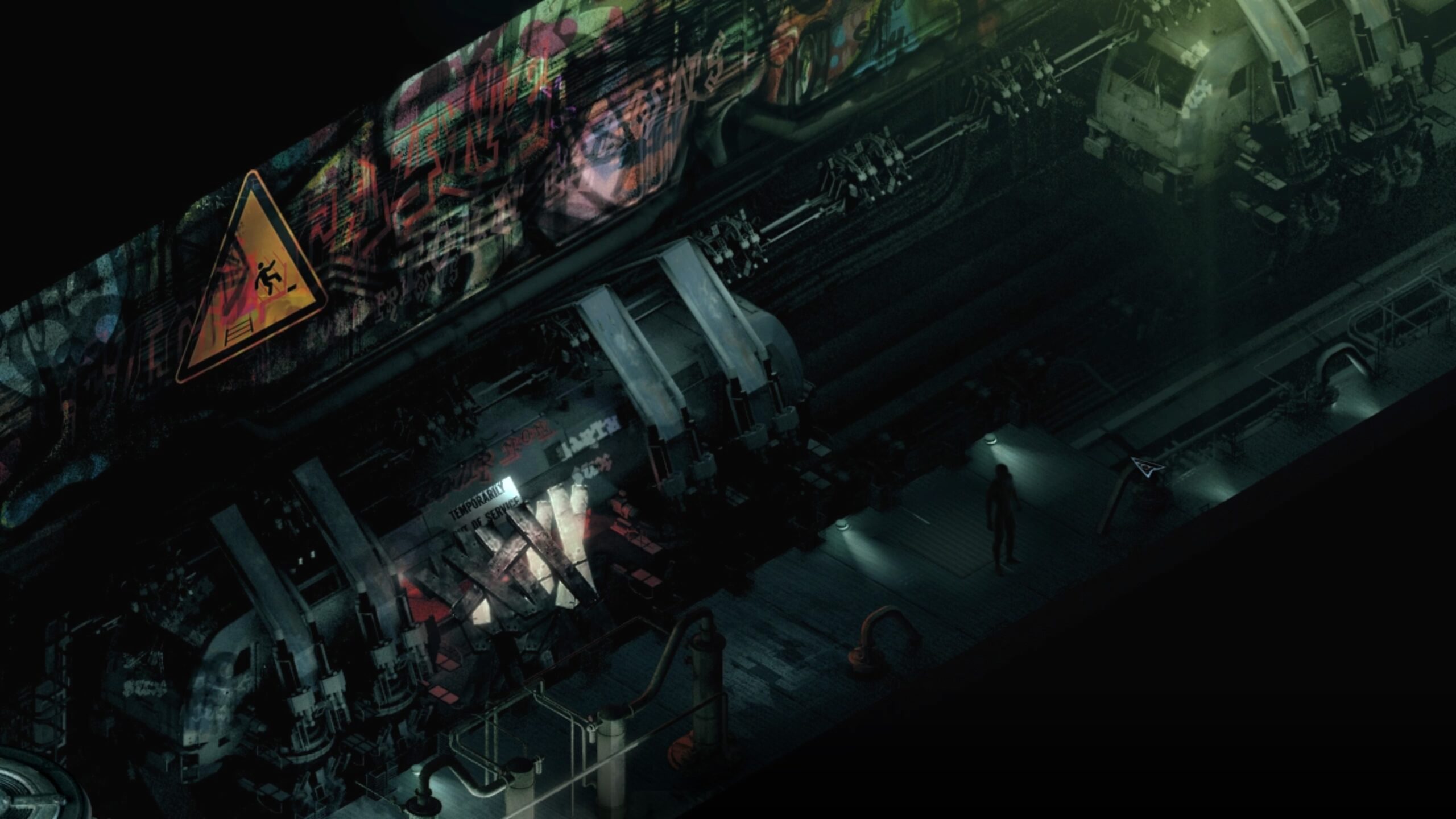
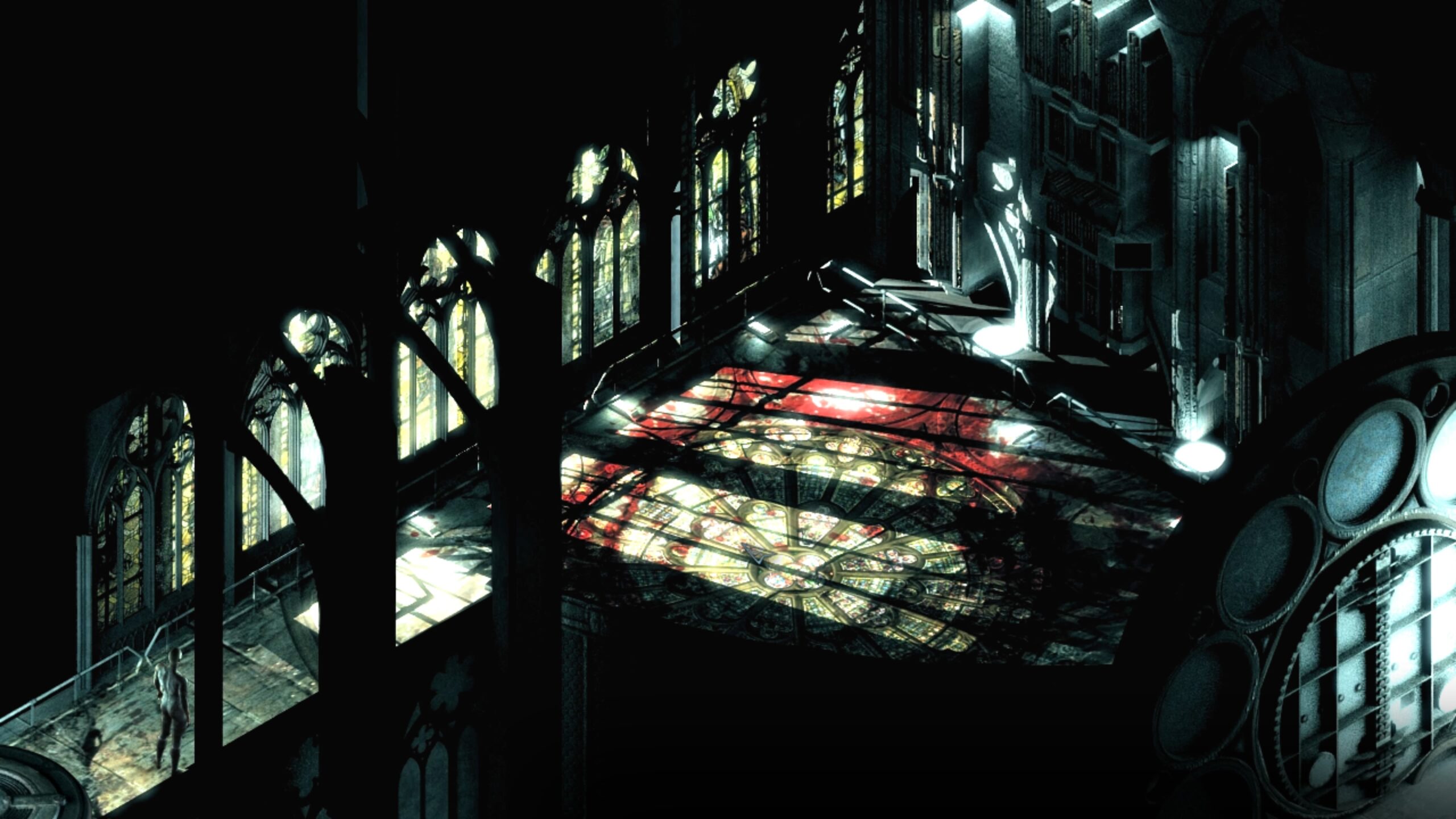
Being developed nearly a decade before Stasis: Bone Totem, I already gathered that Stasis would be less polished than its sequel. And even with this new console port, it certainly is that. It’s solely played through an isometric viewpoint without the gorgeous close up illustrations or animated cutscenes used in Bone Totem to help paint a larger picture. While there are animations, they’re within the isometric viewpoint and are blurred and tend to stutter, however this is oddly fitting for the grimy, almost apocalyptic setting.
While Stasis is now obviously playable with a controller, it feels very clunky and fidgety to use, being that most of the controls still use a cursor for nearly all of the game’s functions, including menus and reading items. The cursor is fine while exploring the general environment, albeit the inaccuracy of it can make it hard to select specific, small items – this is a point-and-click game after all. However, it probably wasn’t needed in the menu, reading items, and also certain puzzles which is also where the struggle to select certain lines or buttons became most obvious – mainly because it just wasn’t needed. There was one specific puzzle where the cursor did become a big issue, and this was because it was a timed puzzle which required selecting a sequence of buttons under a time limit… which doesn’t go down too well when you’re struggling to hover over said buttons. Interactable or viewable items also aren’t highlighted in Stasis, so it also comes with a lot of pixel hunting.
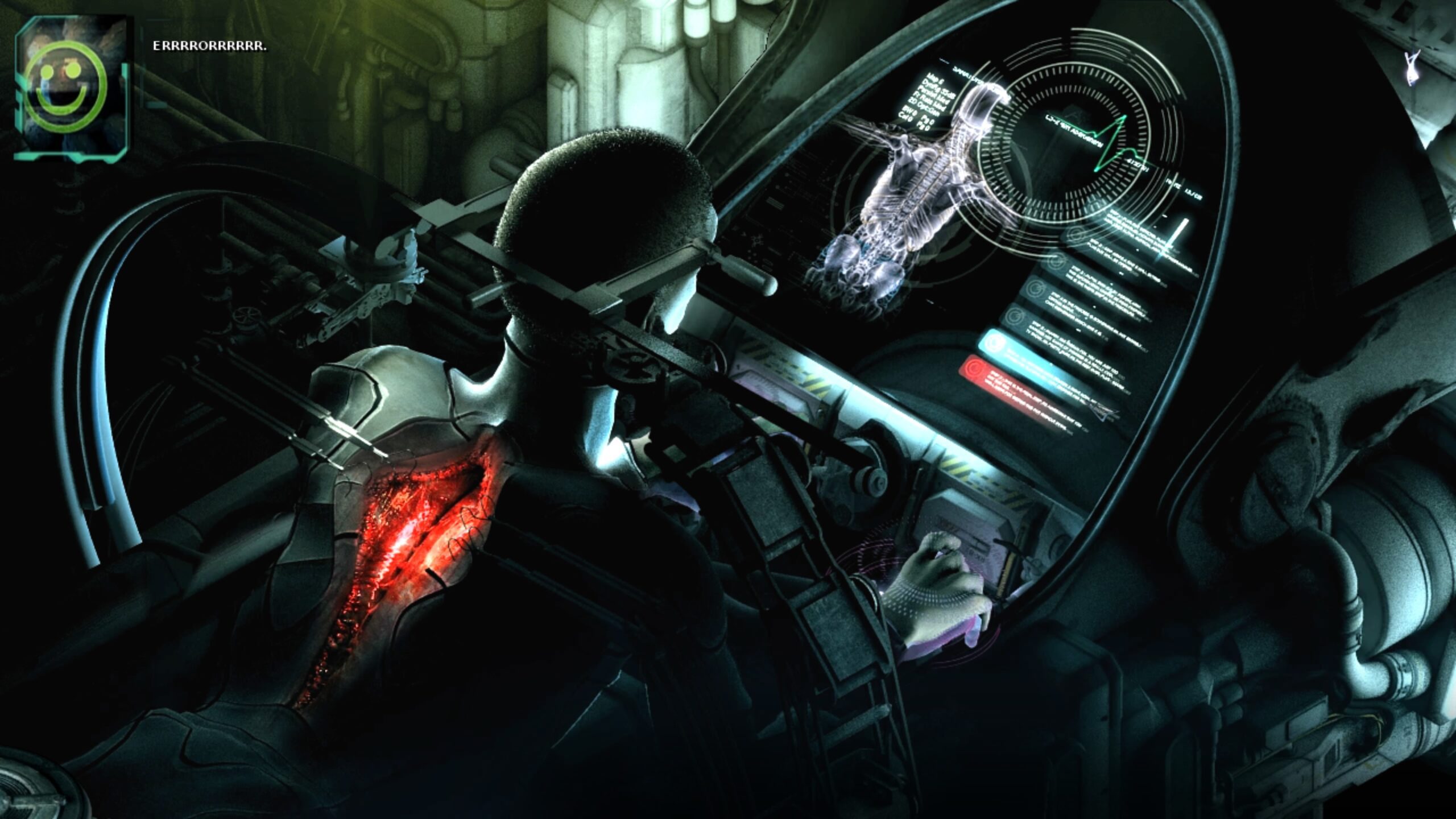
But, like Bone Totem, where Stasis truly shines is in its writing and atmosphere. Even without the illustrations or animated cutscenes, the descriptions of each scene and points of interest that you can hover over were more than enough to paint a not-so-pretty cosmic body horror picture. In fact, some of the scenes were so gruesome that I was thankful that I didn’t get a closer look at it. The world of Stasis comes with some of the most horrific descriptions that I’ve ever encountered in a video game, pushing cosmic horror to its very limits. This universe, to put it mildly, is disgusting, from the various infections and mutations that occur in its storylines, to its grimy and depressing settings.
This is further accentuated by the game’s masterful sound design. There were points that sounded so unsettling that I felt a strong urge to skim read the PDA I was currently browsing and get the hell out of the room so that I didn’t have to listen to it anymore. In the end, I never needed to see what John was looking at, because the writing and the sound did it all for me. On top of this is a brilliant score by Fallout’s Mark Morgan, which was absent for a lot of the game, but shined through exactly when it needed to, bringing despair, horror and stress along with it.
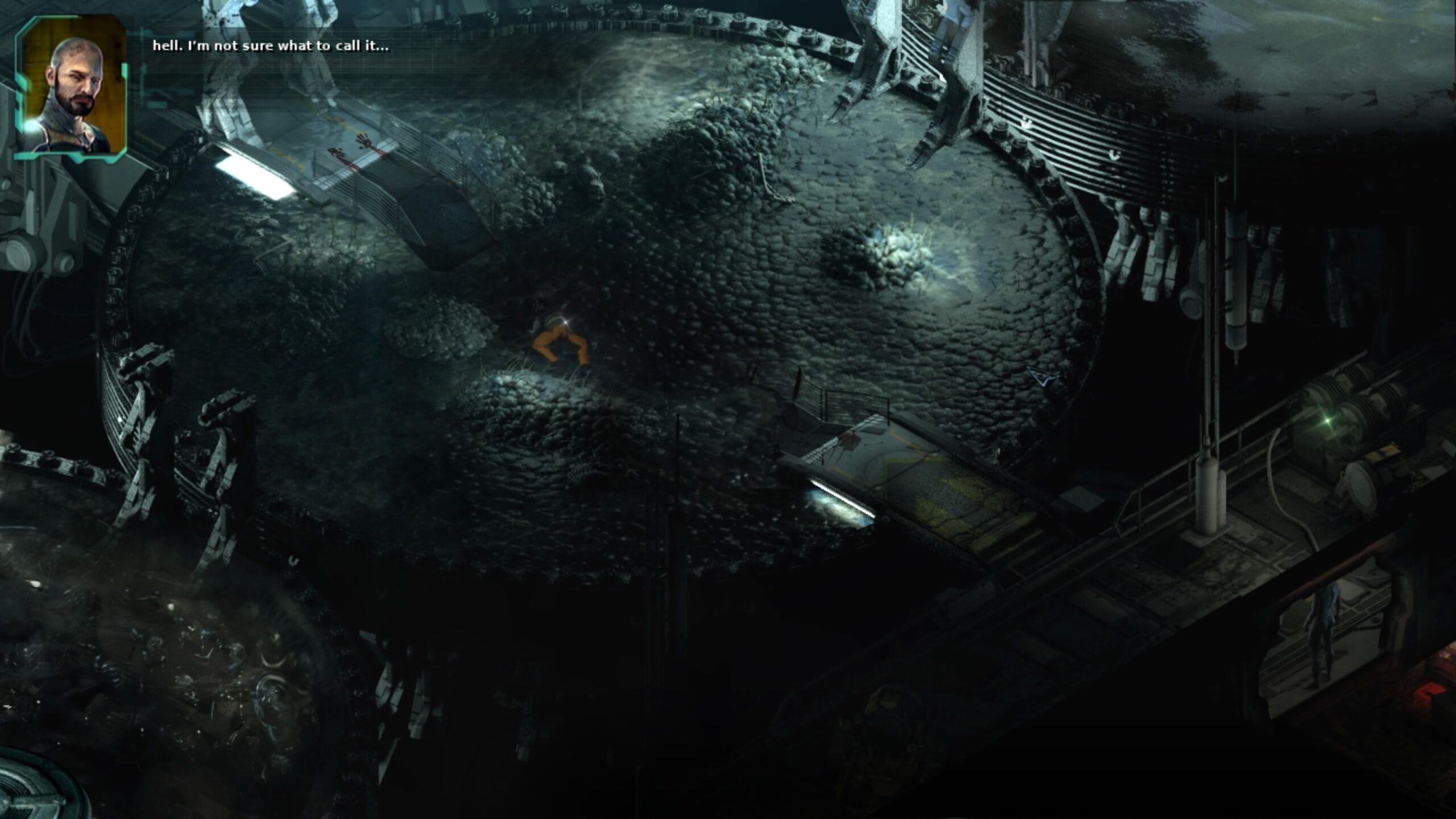
Ryan Cooper also puts on a spectacular performance as John, putting a realistic portrayal on both the physical and emotional pain he is put through in his journey. Unfortunately, in contrast to this, the majority of the other characters, including Te’ah, not only leave a lot to be desired but I actually felt like they really dragged down the narrative with their poor line delivery and made the corny moments even worse.
While it’s still best played on PC with a keyboard and mouse due to the finicky cursor controls, Stasis is still an excellent entry into the point-and-click horror genre. It sets up its sequel really well, while also being worth playing if you’ve already played Stasis: Bone Totem and liked it. It adds another story to one of my favorite horror universes in gaming while also providing immensely well-written and detailed personal stories to enjoy and be unsettled by. It’s gruesome, disturbing and you will be invested in John’s story, even if it can be corny at times.
Jess reviewed Stasis on PlayStation 5 with a provided review copy.