
A few months ago, I wrote a piece outlining the potential future of handheld gaming PCs powered by AMD’s latest mobile APUs, which were then codenamed “Strix Point.” I excitedly wrote about the leaked specs at the time and how analysts were touting that, if true, these new chips could bring immense power and efficiency gains to mobile computing; allowing handheld PC manufacturers like Valve to take their potential Steam Deck 2 to heights never before thought possible. Well, AMD has finally rolled out these new chipsets, with the top-end model named Ryzen AI 9 HX 370 (Lord AMD, pick a lane). The result? Frankly, a little underwhelming.
Don’t get me wrong, the integrated Radeon 890m graphics chip is no slouch, being able to play intense modern titles like Black Myth Wukong at 1080p/Low settings while achieving framerates as high as 70. A feat AMD’s last generation iGPU, the 780m, falls a little short of (though only by around ten or so frames), and one the Steam Deck could only dream of. Nevertheless, a fifteen-or-so percent bump in performance is a far cry from what we thought we would be getting when rumours of this chip were circulating earlier this year. This gap is closed even further (5-6%) when compared to the 880m, which would be the iGPU most likely to be used in any upcoming PC handheld. Combine all this with ongoing Switch 2 leaks suggesting Nintendo’s alleged upcoming console’s custom Nvidia chip won’t be able to compete with even the Xbox Series S, and that these new AMD chips cost twice as much to manufacture than their previous generation, and it may be time to agree with Steam Deck designer Lawrence Yang that we’re simply not ready for a next-generation Valve handheld.
In a series of videos and articles over the past year, Richard Leadbetter and Co. over at Digital Foundry have covered the Nintendo leaks that reveal the company’s likely use of Nvidia’s T239 chip for the Switch 2. A chip that, as Leadbetter writes, is “…an advanced mobile processor, based on an octa-core ARM A78C CPU cluster, paired with a custom graphics unit based on Nvidia’s RTX 30-series Ampere architecture, combined with some backported elements from the latest Ada Lovelace GPUs…” It’s been rumoured that Nintendo may opt for this chip to go on TSMC’s latest 4nm node, however Leadbetter in a more recent video outlines how console manufacturers have seldom used the latest and greatest technology to power their machines, opting instead for the most cost-effective route. To further this point, Leadbetter reminds us that it was heavily rumoured that Nintendo would opt for Nvidia’s Tegra X2 chip instead of the older X1 for the original Switch, which obviously didn’t end up being true; a decision surely made to cut costs.
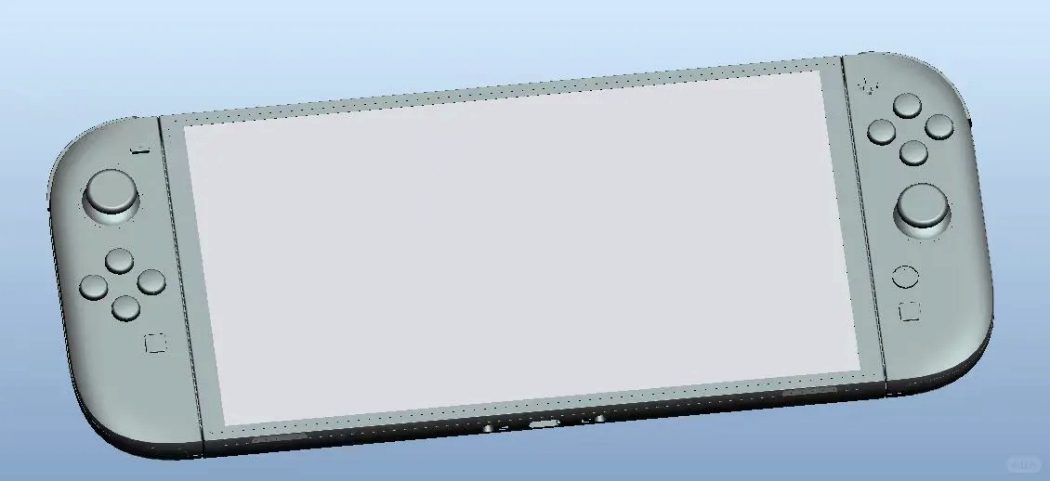
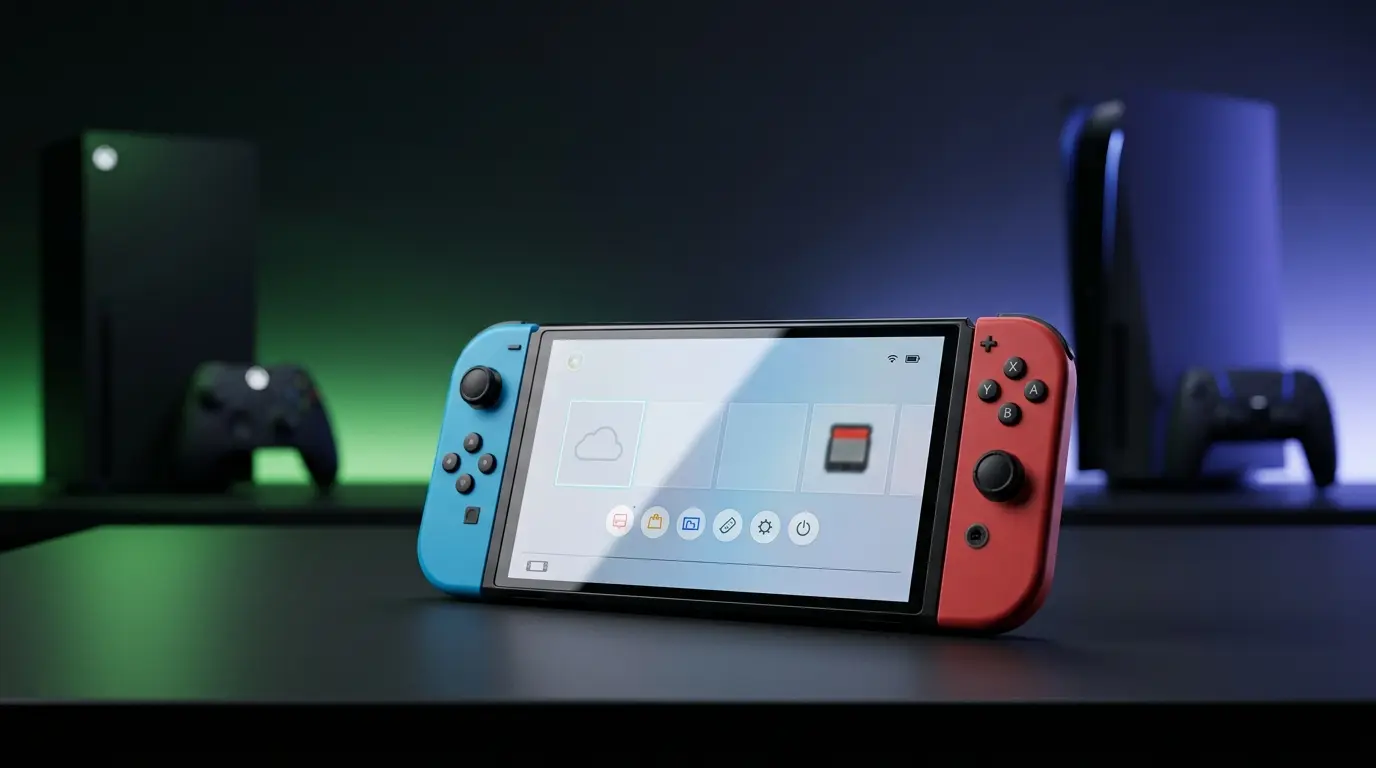
In a now nearly one-year-old video, Leadbetter did some heavy testing to simulate what the power of a T239 chip in a Nintendo Switch 2 could end up looking like. The results, though promising, still don’t match up to what the PS5 and Series X are capable of, and barely eke out more performance than a PS4 Pro. This also shouldn’t come as a surprise. The original Switch, though had some miracle ports like Doom, was nowhere near the power of the PS4, so a Switch 2 being essentially a lower-powered Series S falls in line with what Nintendo has been doing over the past couple of generations. They would rather focus their efforts on battery life and affordability before trying to compete for sheer power. The former has been a continuing struggle for handheld PC makers. Even the Steam Deck with its 720p screen, streamlined custom OS, and chunky body struggles to give players more than a handful of hours of triple-A gaming. This is rumoured to be the reason why Nintendo chose to continue working with Nvidia instead of AMD, even though the latter’s been the choice for competing handhelds. According to notable leaker and YouTuber Moore’s Law Is Dead, Nintendo wanted the Switch to run with just five watts in handheld mode, then raise it tenfold when docked. Such a task, I would imagine, would be incredibly difficult given that even AMD APUs usually only blossom with triple-A titles at the fifteen TDP mark. Whether Nvidia has been able to accomplish such an engineering feat, though, we’ll have to see.
What all of this illustrates is just how difficult it is to get high-end gaming power into a handheld form factor while retaining good battery life–all at a consumer-friendly price tag. The Steam Deck has spurred the advent of great handheld devices from competitors, from Lenovo’s Legion Go to the Asus Rog Ally X. I would have imagined that seeing these devices, some of which are in many ways better than the Steam Deck, that Valve would have launched a sequel to keep up with the market. However, where some companies are making iteration after iteration, trying their best to keep up with AMD’s latest APUs, Valve’s decision to, as Lawrence Yang states, “…wait for a generational leap in compute without sacrificing battery life…” is to be commended – even if it drives an impatient man like myself crazy.