
Spoilers ahead for South of Midnight.
The release of Compulsion Games’ South of Midnight a few weeks shy of Mother’s Day does not seem like a coincidence. By the time I finished the game, some of the first words out of my mouth were, “Dang, this feels like a love letter to traumatized kids and their moms.” That is to say, a love letter and an assurance that it’s okay to heal from the things that growing up, and from motherhood itself, burdened us with, regardless of where we come from. I came out of South of Midnight with a sense of understanding of my own mother and how she raised me, which I did not expect at all but, in hindsight, was probably destined to happen the whole time. And I’ll be honest, I’m not sure how I feel about that yet.
South of Midnight tells the story of Hazel Flood, a 19 year old from the town of Prospero, a small town in the American Deep South. Following a flash flood that washes away her home with her mother in it, Hazel learns that she is a Weaver, a person with the ability to mend the broken bonds and hearts of spirits old and new. On her journey to find her mother, she encounters a number of mythical creatures famous in Southern Folklore, and must ally with the good ones and defeat the bad ones if she is to save her mother. What she doesn’t know is that her estranged grandmother, the high born and cold Bunny Flood, has her own connection to the strange happenings in Prospero, along with her own desires.
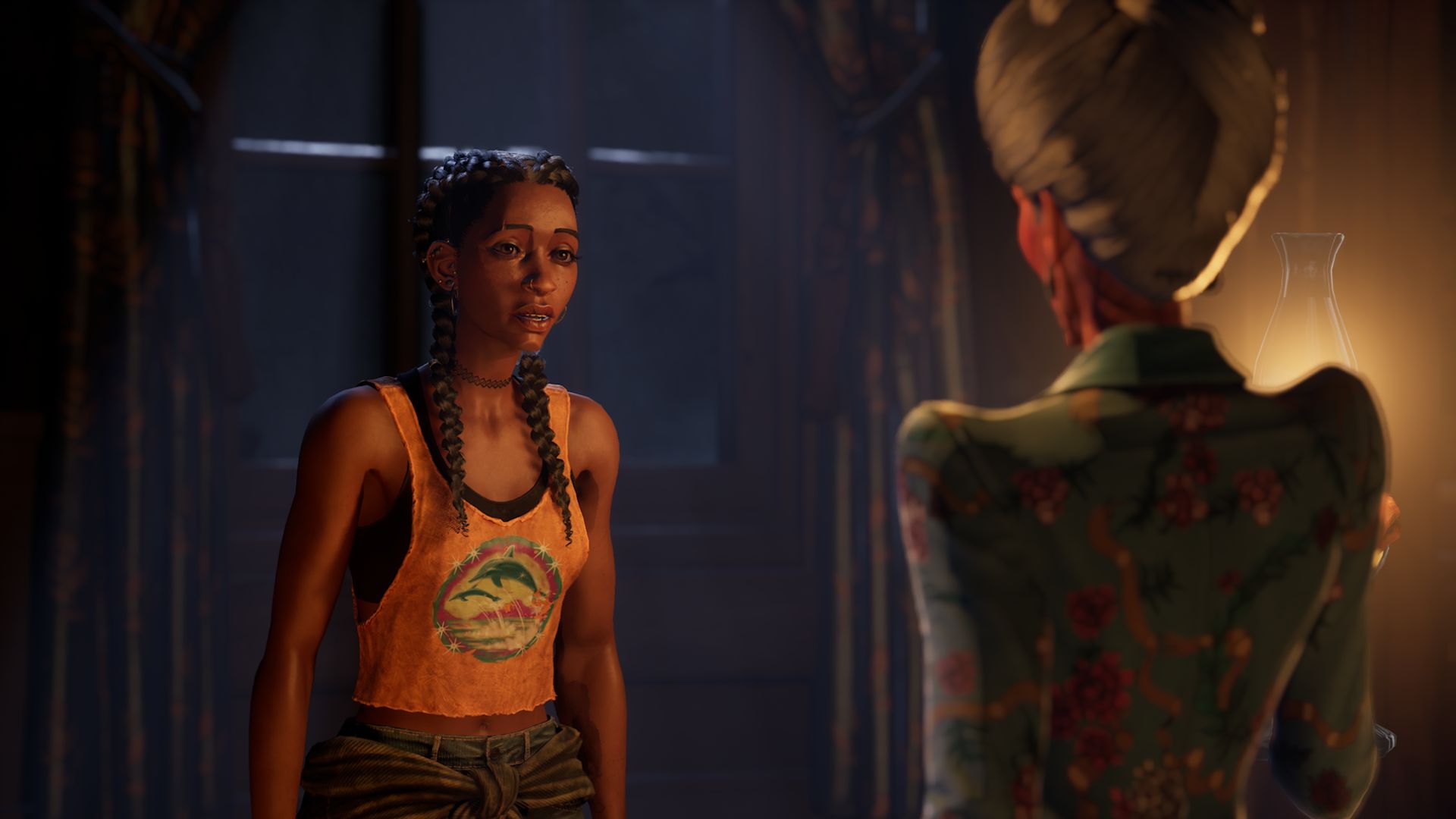
What we learn as the story progresses, is that there are a lot of broken people in Prospero, and all of them need Hazel’s help to heal from the things they don’t speak of. As she fights her way through the manifestations of that generational trauma, Hazel is forced to confront her own, and learns that she is just as in need of healing as those she seeks to heal. That perhaps the anger she feels at her mother is born of a pain that long preceded her, and her mother, and her mother before her.
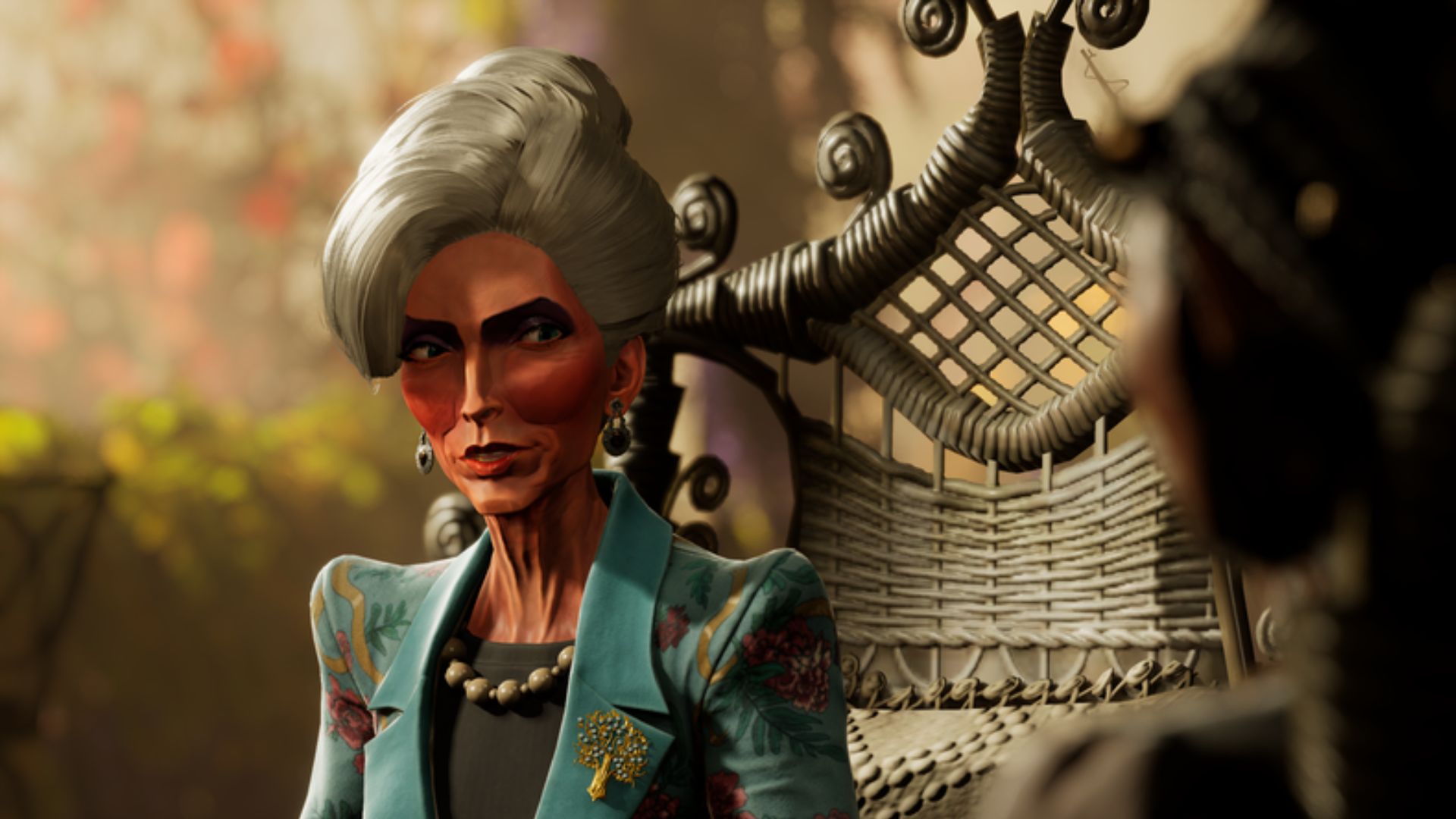
But what really broke this entire narrative open for me, was the final confrontation with who turns out to be the game’s chief antagonist, Bunny herself. After a lifetime of grieving the accidental death of her daughter and festering in that grief, Bunny not only refuses to change, but willingly accepts entering the eternal prison of Kooshma, where she will get to live with and raise an illusionary version of her daughter, continuing to feed the King of Dreams and Nightmares voluntarily. While I was not exactly shocked by Bunny’s choice, it still unnerved me to think that a person could be in so much pain that they would willingly accept an eternity in an illusion just to alleviate their pain. Bunny represents the cost of refusing to heal, refusing to move on and allow the dead to rest. In the end, all the pain she caused comes right back to her, and she will continue to feed that entity of dread without complaint. Perhaps, something we all unknowingly do when it comes to our own grief or burdened relationships.
It was enough to make me pause and reflect on my relationship with my own mother, which has become more strained in recent years. On the anger and the grief we both carry, for our own reasons. And it also made me realize that healing isn’t linear. It isn’t a thing that just happens because we want it to. It requires work, it requires patience, and above all else, it requires forgiveness. How many entities of dread have I released into the world because I could not forgive? Or worse yet, refused to? I may not be a Weaver, but that doesn’t mean I can’t commit to the work of healing. And while I can’t force my mom to (or really anyone), maybe my example can be enough. Hazel seemed to think so. And maybe that’s a lesson we all can take away from this lovely gem of a game.