
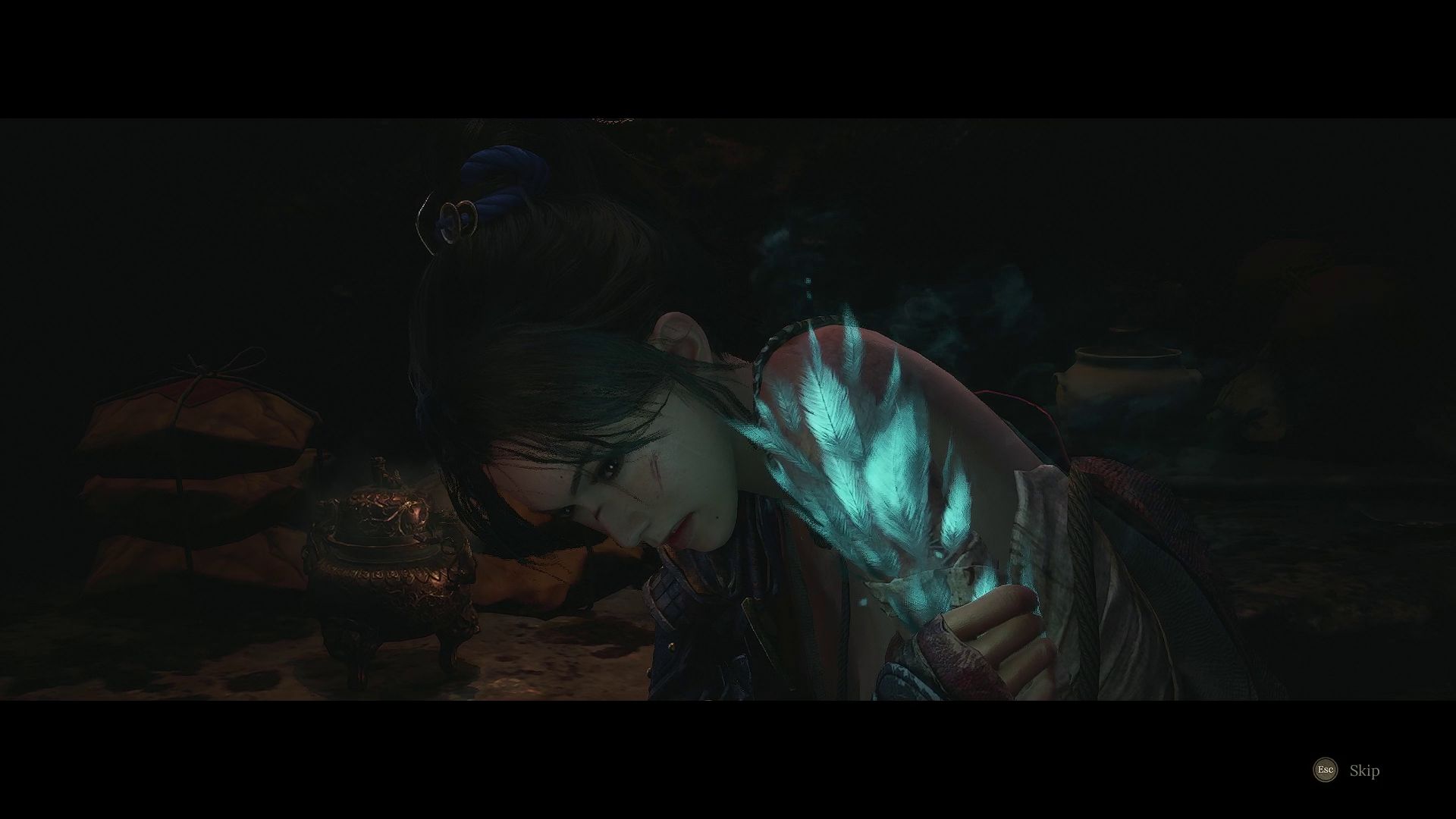
In WUCHANG: Fallen Feathers, you play the role of Bai Wuchang, a female warrior who has been afflicted by an unknown disease that causes feathers to sprout, turning men and women into man-eating monsters. Suffering from this disease, unlike most people, Wuchang has managed to keep her sanity intact but has lost most of her memories. In fact, these feathers provide her with a strength that’s unique to her. Haunted by the fading memories of her sister, Wuchang sets out from the Reverent Temple to look for a cure and many answers.
Before I got into WUCHANG, I had two expectations: it would either be a generic soulslike or it would be something similar to Black Myth: Wukong. To my surprise, I was met with an experience that perfectly mimics that of FromSoftware’s Dark Souls trilogy, but in a unique and inspiring way. As the game begins, there are no walls of text that tell you the lore. Instead, the game tells you the story through interactions, small dialogues, and item descriptions. But one thing that sets it apart from Dark Souls is that it’s not vague at all. You will know exactly what is going on from these small interactions.
There’s no shortage of NPCs, unlike most Soulslikes. You’ll encounter many of them; some are behind closed doors, while others will be encountered as you progress through the story, and each of them has something to offer to the story. Some NPCs can even fight alongside you in some specific quest-related boss battles, but the game doesn’t force it. If you want, you can do the battle alone without getting any NPCs’ help, and it will still count as if they helped you out in the battle. One other thing I liked was that some useful NPCs will travel to the new hub locations, so you don’t have to go back to the very first temple for everything. Instead, these NPCs will move to a place you’ll be frequently visiting due to the interlinked nature of WUCHANG’s world.
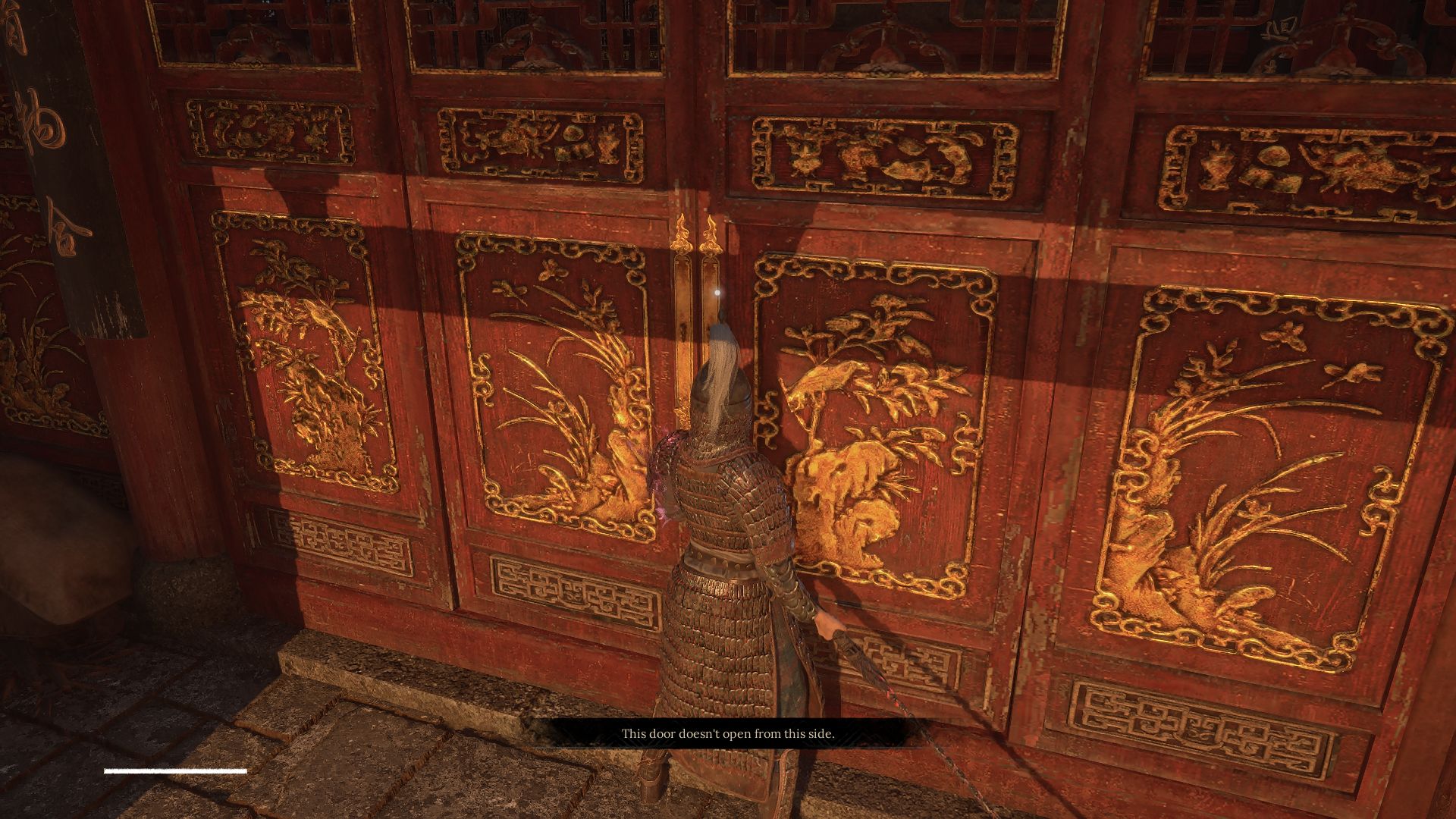
Speaking of an interlinked world, you’ll encounter many doors that won’t unlock from the side where you’re standing, a true Soulslike experience. Every location is beautifully connected. There’s no map, but you can still make out the world and its locations after you’ve played through the game for a while. You’ll unlock many shortcuts, and it’s not just shortcuts that you’ll discover. The world of WUCHANG is designed in such an intricate way that many spots and areas can easily be missed if you’re not thoroughly exploring. If you like to explore, you’d love it here because exploring is extremely rewarding in this game.
One other thing about the design is that you’ll have to understand that almost everything in this game is against you, and they simply want you to die a miserable death. If you’re walking on a narrow path, every force in the universe will try to knock you down. If you’re wandering around without any enemy in sight, you can’t let your guard down because you could still either step on a mine or get sniped by an archer standing on top of a tower that you barely noticed.
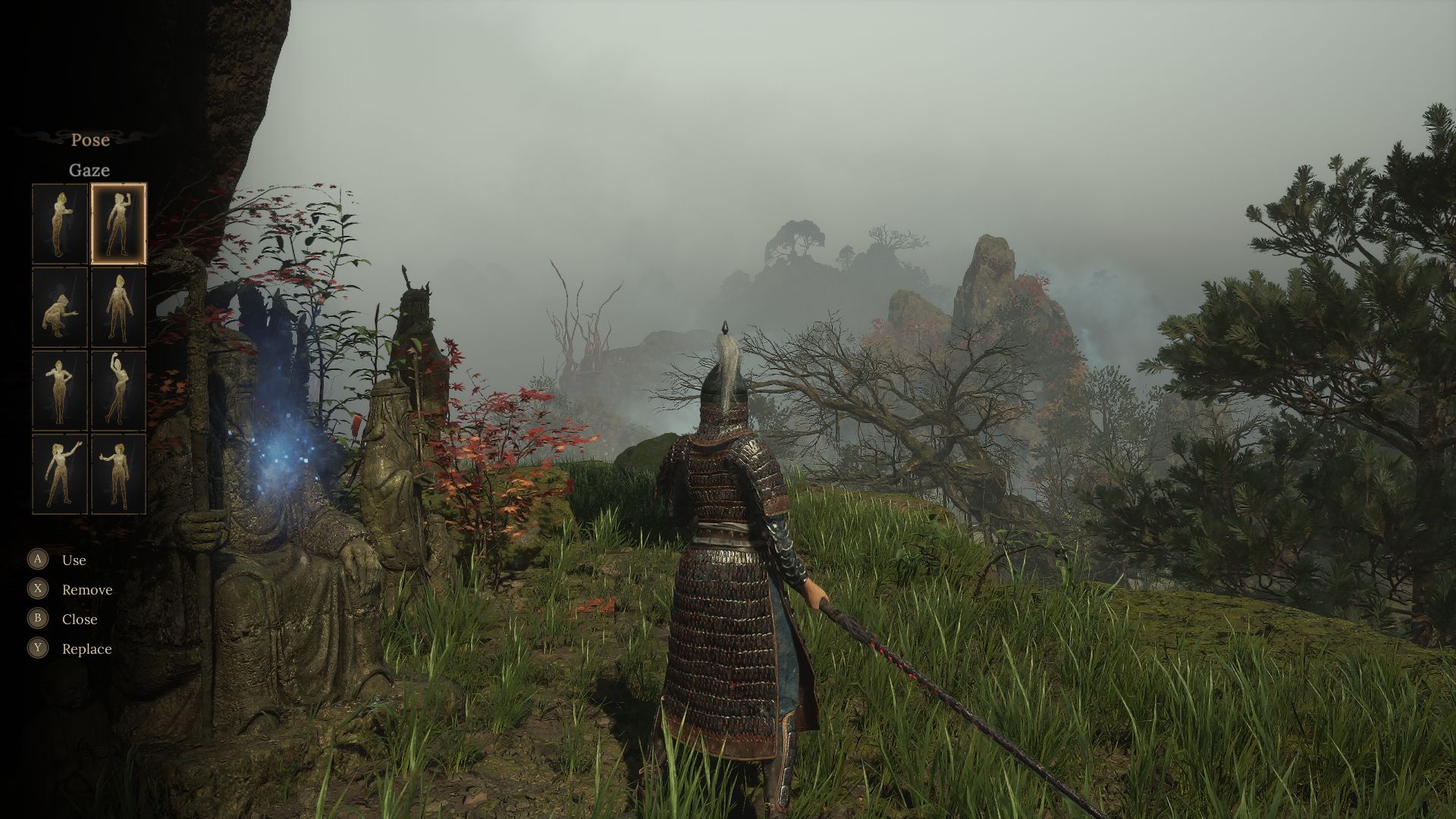
Pair that with high-quality graphics, and everything feels real. There’s a huge variety of different locations, and each of these locations offers a unique feel from the visuals and the environment. If you’re exploring the areas around the temples in the mountains, the greenery there is visually pleasing to the eye, even if there’s a lot of gore around; the scenery overshadows whatever horrors these lands hide. And then, there are battlefields, snowy mountains, caves, underground areas, and burning forests. Each place offers a unique experience, and the soundtrack only heightens that experience. The OST isn’t anything exceptionally memorable, but it fits well with WUCHANG‘s theme and improves whatever the visuals and the environment are trying to convey.
Let’s move on to movement and combat. Movement feels fluid, but you can’t jump, which feels a little odd now that most modern Soulslike titles include jumping. It does strike as a little chore when you have to find another way to approach an item that can be easily reached by jumping or crouching, but if you’re a veteran Soulslike player, that won’t surprise you. Other than that, dashes and movement feel smooth.
The combat is also smooth, but there are some issues, and one of them is complexity. There are so many features, such as Tempering and Feathering, which take a while to fully understand. Dashes are fluid and have tons of I-frames. Each successful dodge grants you a charge of Skyborn Might, which is a power you gained through the feathers on your left arm. The Skyborn Might allows you to use spells and enhanced weapon abilities. The skill tree is massive, and leveling up doesn’t increase any of your stats. Instead, leveling up grants you a Red Mercury Essence, which can then be used to unlock a node on the skill tree. If you want to upgrade any stats, you’ll have to unlock the respective stat node from the skill tree.
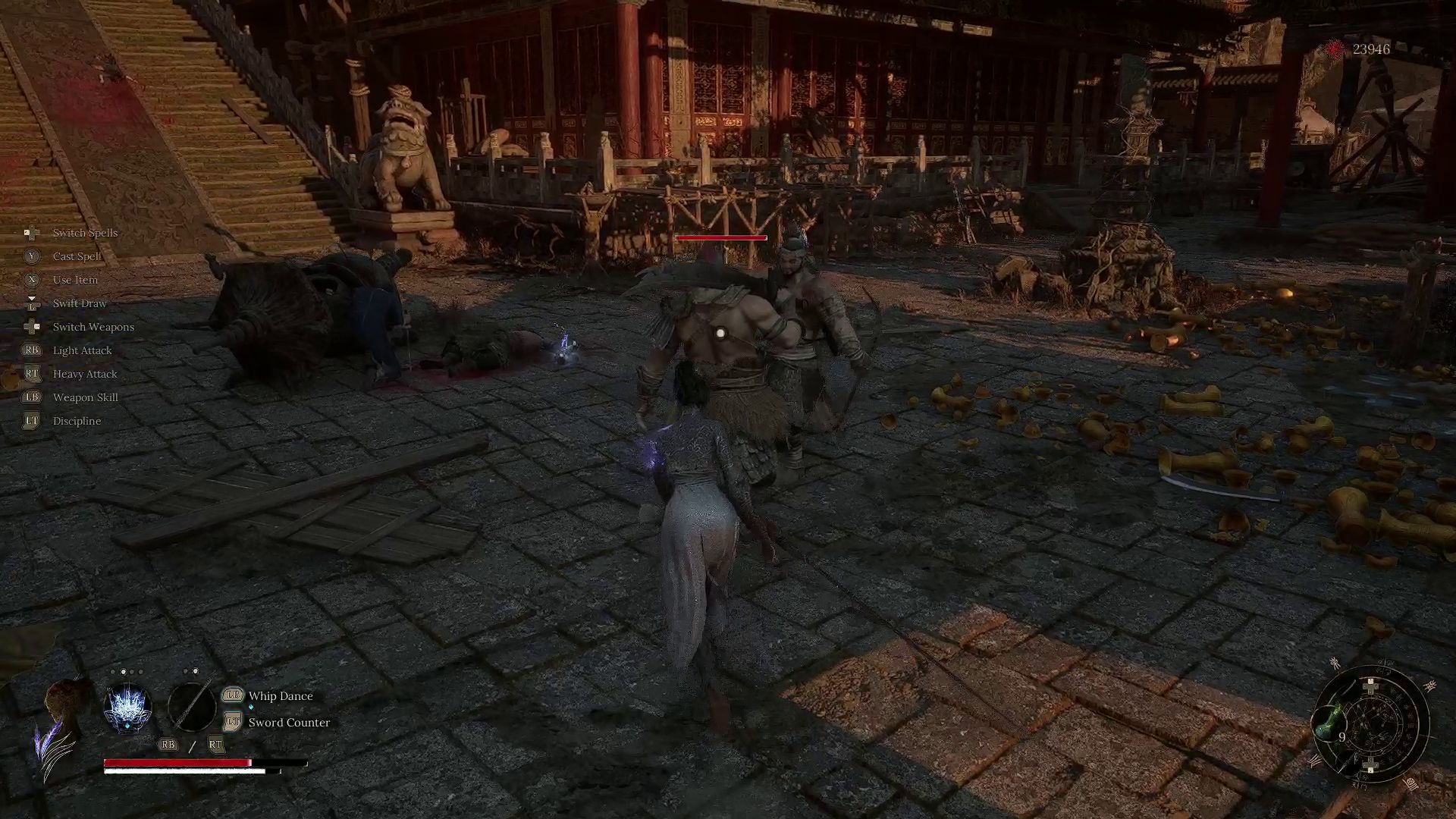
Parrying is questionable in this game. Certain weapons allow you to parry or deflect an enemy’s weapon attacks. However, parrying is significantly unrewarding compared to dodging. You don’t stagger any enemies upon parrying, nor do you gain any additional opportunities to attack over dodging. But there are multiple variants of parrying that you can unlock. Some variants do allow you to knock back an enemy or unleash a counterattack, but still, compared to the risk-reward of dodging, you’re better off not trying to parry anything. You also have to consider the fact that you can only parry weapon attacks, and if the enemy throws a spell or a fist at you, you won’t be able to do anything about it.
Clash is an interesting mechanic. Certain weapons allow you to completely negate an enemy’s weapon attack if they clash with your own attack or during your combo. It adds another interesting layer of depth to the combat. Spells are also incredibly powerful, and it’s brilliant that you have an infinite supply of spells at your fingertips during combat with Skyborn Might. Spells consume Skyborn Might charges to cast, but in battle, you’ll be able to gain tons of Skyborn Might charges simply by attacking or dodging, and you don’t have to worry about running out of spells.
And then, there is the Madness feature. Every time you die or kill an unfeathered enemy, it increases your Madness gauge. Madness enhances your damage output, but also the damage taken. If you die while Madness is full, a Demon will spawn at the location of your death, making it more difficult for you to reclaim your lost Red Mercury. However, this doesn’t work in boss arenas, so you can try as many times as you wish, without having to worry about the consequences.
Another thing that I really liked was the fact that no weapon or armor is typically overpowered. Each piece of armor has its uses, aside from its looks. If an armor grants defense for one thing, it will have a glaring weakness for another type of damage or status effect. You’ll have to think and utilize each armor to the best of its ability to make things a lot easier for yourself.
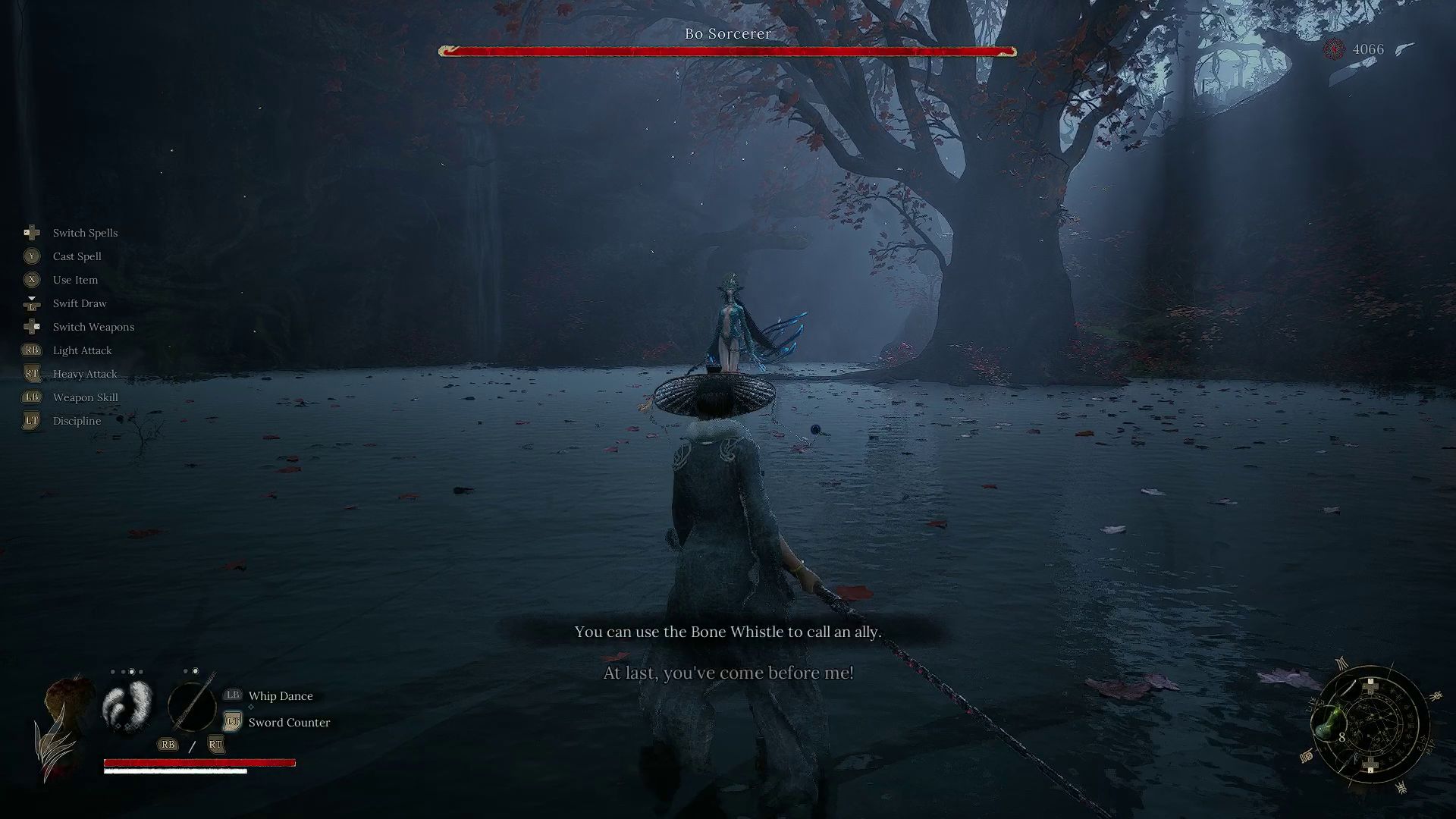
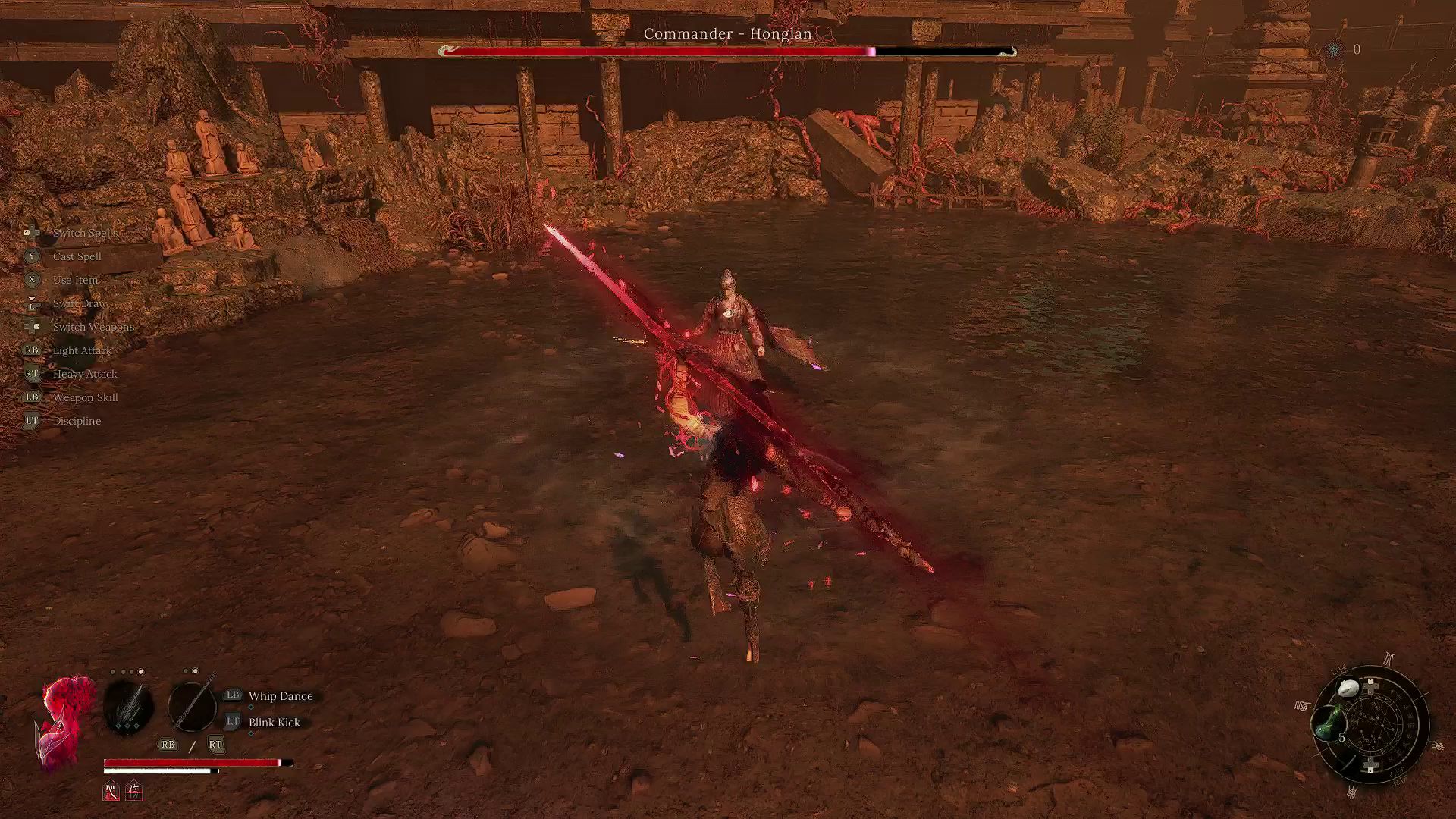
Boss designs and the battles themselves are also unique and interesting. Bosses are extremely aggressive, and unless you understand that hesitation is defeat, you’re going to have a tough time. They simply won’t stop attacking, and especially after a slow move that you’d think the boss would take some time to recover from, they’ll still end up throwing a few extra attacks after it just to mess with your timing. The best way to go about the boss battles is not to try to dodge everything; instead, you should try to get in a few hits in between the enemy attacks and then dodge away. Most bosses also have massive weaknesses, and that’s something you’ll have to figure out on your own, but once you do, these battles become easy.
Overall, WUCHANG: Fallen Feathers delivers what it wants to and more to an audience that will love it. The game has so much depth that you could invest hours into it and still discover new things or unexplored areas. But it’s not for the faint of heart or those who’d get annoyed easily. If you’re new to the Soulslike genre, WUCHANG: Fallen Feathers will still be an interesting title, but one that will cause you to scream at your screen at times, for sure. Its combat, and the unique way it approaches the leveling up and weapon upgrading mechanics through the skill tree stand out from mainstream Soulslike titles, as well as the Skyborn Might and the Madness feature. This game feels like a lot of love and detail was put into building it, and I don’t think there’s a greater compliment than that.
Fahad reviewed WUCHANG: Fallen Feathers on PC with a provided review copy.