
What started as a rumor on a Friday became a fact on the following Monday. Electronic Arts has received an offer to be taken private for $55 billion USD. A trio of investors has offered what is being referred to as the “largest all-cash sponsor take-private investment in history.” The first step has been taken, but the deal will not be completed until early in 2027. And there are understandably a number of questions attached to any sort of deal like this which need to be asked and answered.
The Field
Electronic Arts has been around for over forty years, founded in 1982 by William “Trip” Hawkins. It went public on NASDAQ in 1990, and as of last week it was valued at around $43 billion USD. They have been one of the biggest game developers and publishers in the video games industry, for better or worse.
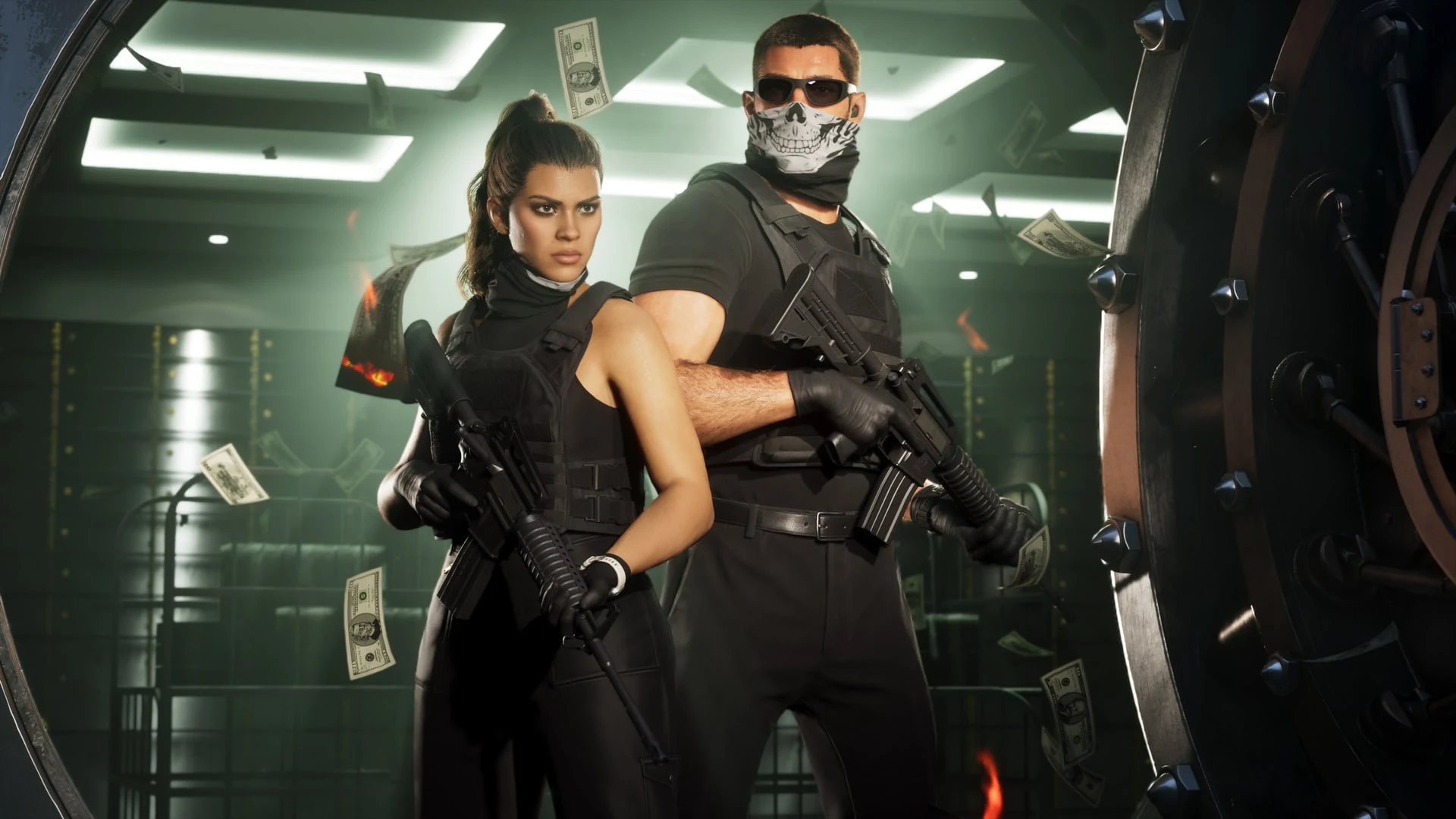
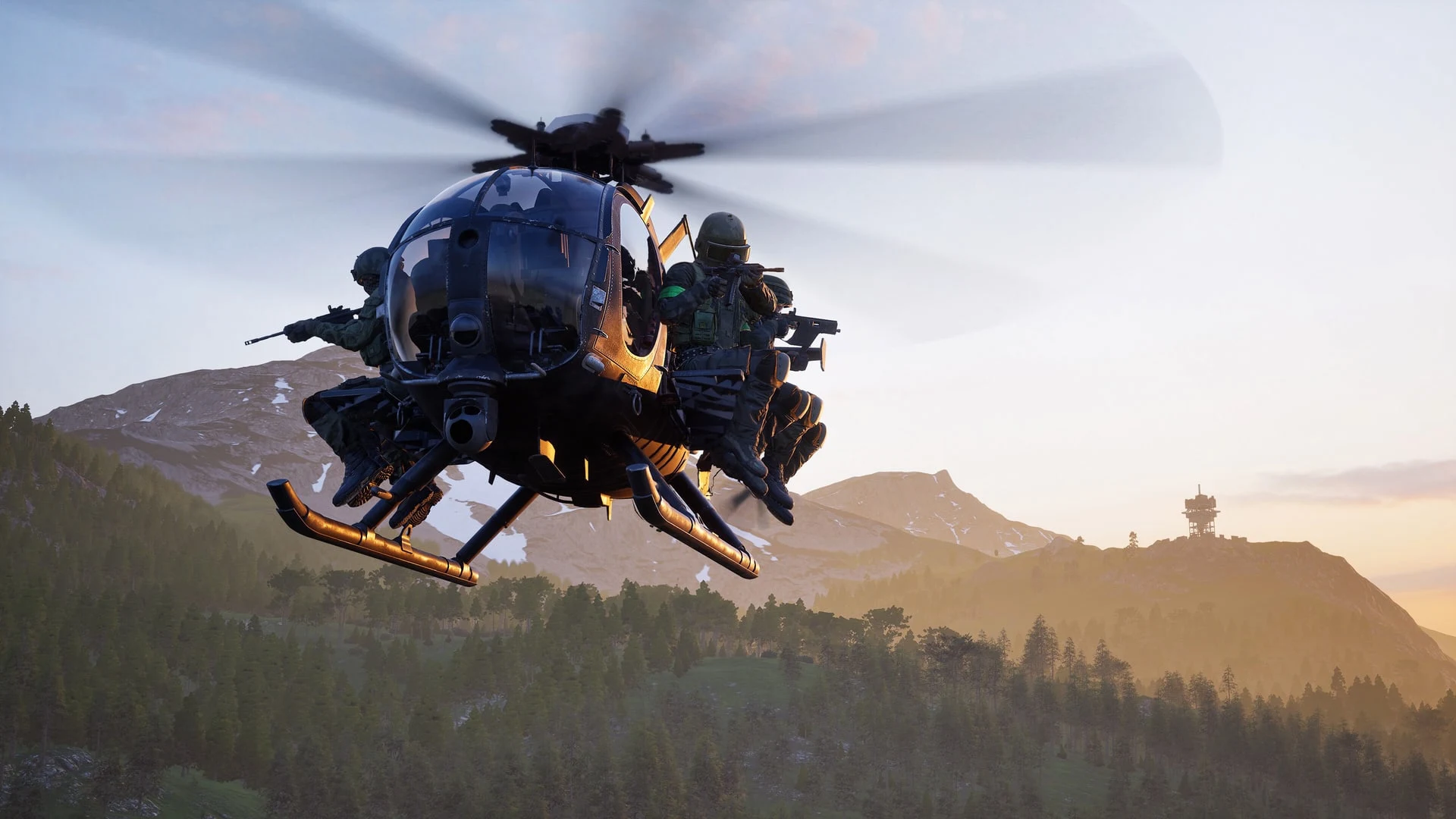
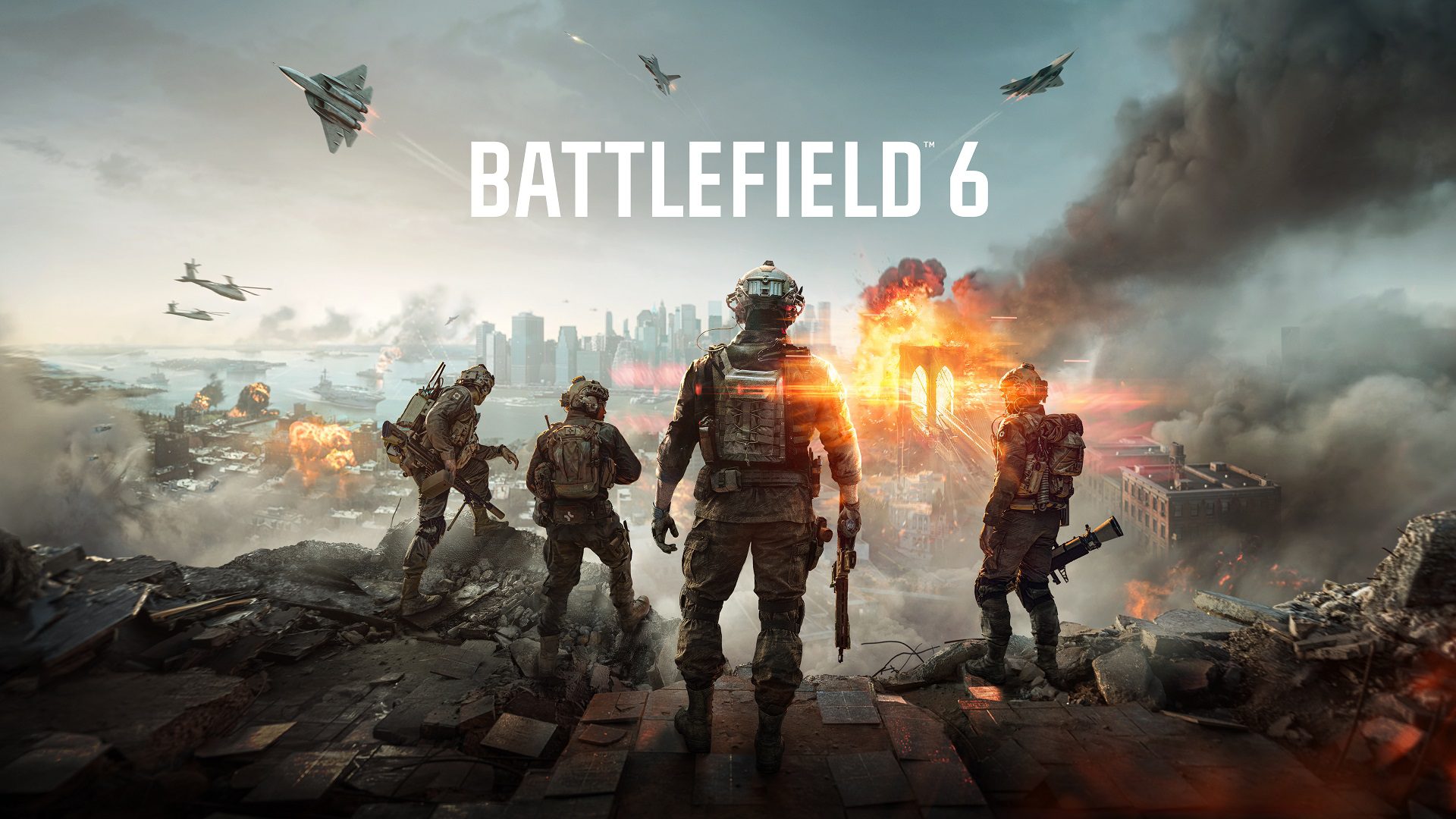
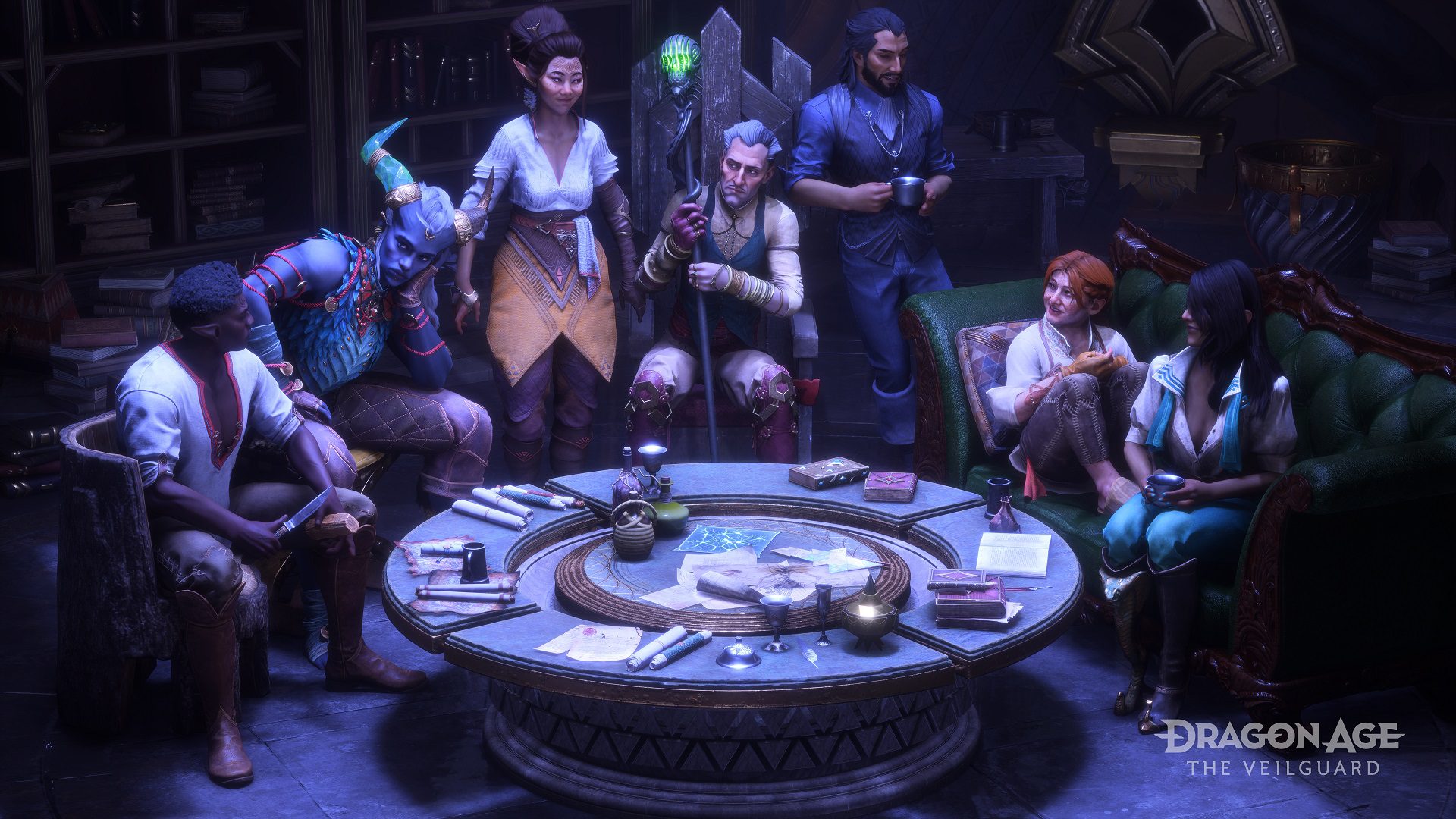
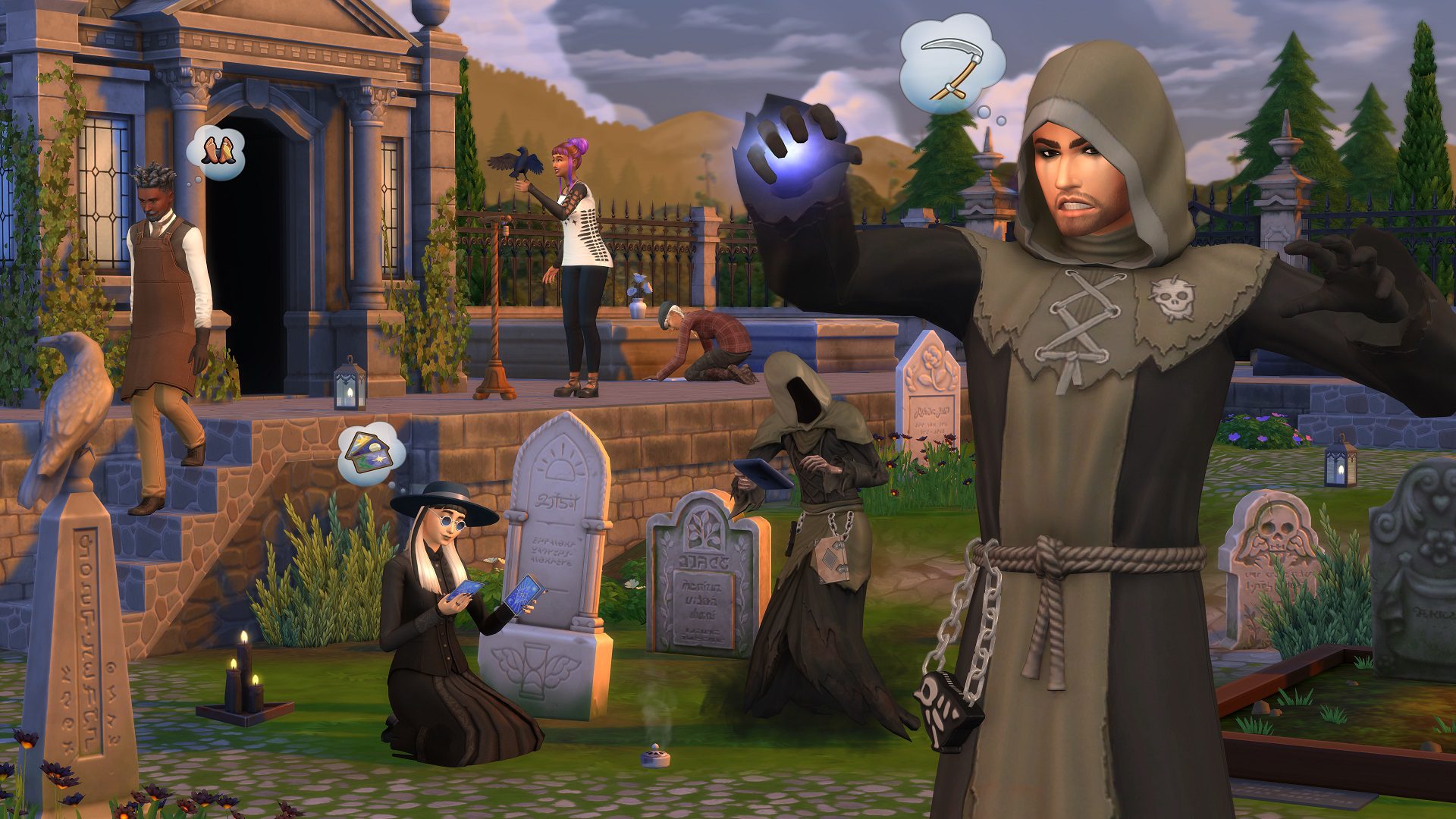
They’ve also been having some difficulties of late. BioWare, one of their few remaining “signature” studios has suffered a string of flops, most notably Dragon Age: Veilguard. Their love of loot boxes in games such as FIFA, Madden, NBA Live, and even The Sims has occasioned lawsuits even as recently as last year as potential violations of gambling laws. Their last effort to try and make use of their deep catalog of game franchises blew up in their face with the ill-fated Command & Conquer: Rivals. Right now, their only big titles on the horizon are Battlefield 6 (slated for October 10) and Plants vs. Zombies: Replanted (an HD remaster slated for October 23). Aside from their annual sports titles, EA doesn’t appear to have anything lined up until 2026 with their XCOM clone, Star Wars: Zero Company.
Their last fiscal year (which ended March 2025), EA brought in $7.5 billion USD in revenue, which isn’t bad in absolute terms. But given the debacle with Dragon Age, it was a lot less than it could have been. Moreover, it’s been bringing about that much for the past three fiscal years, not exactly a sign of a vital company which enjoys growing popularity. One might almost accuse EA of coasting primarily on the momentum of its sports games to the detriment of the rest of its catalog. Its valuation may not be inflated per se, but it’s hard to justify such a markup of a sale price.
The Players
The three investors in this deal are not exactly unknown in the tech and games industries. Silver Lake is one of the investment firms which has been involved in efforts to bring TikTok under U.S. control, and previously helped computer maker Dell go private back in 2013. The Saudi Arabia Public Investment Fund has a number of stakes in large developers and publishers such as Nintendo, Capcom, Take Two, and Activision Blizzard (before its acquisition by Microsoft), along with outright ownership of a number of smaller companies. Affinity Partners made some investments in the Israeli and German tech industries shortly after its founding, but this is their first foray into the video games sector.
The terms of the deal seem pretty straightforward. The investors are putting up $36 billion USD in cash with an additional $20 billion in debt leveraged by JPMorgan Chase. The Saudi PIF already had almost 10% of EA’s publicly traded stock and is rolling that stake over into the buyout. This puts the debt-to-equity ratio at almost 1:2, which is rather inverted of the typical leveraged buyout where there’s more debt than equity. The debt component is notable in that it’s not originally EA’s debt. From their previous annual reports, EA maintains a line of revolving credit and some promissory notes totaling roughly $2 billion USD and does not have any outstanding debts beyond that. This is debt that JPMorgan Chase put up to make the deal happen. It somewhat undermines the claim that this was an “all-cash” deal.
Because this is a “take private” buyout, the typical activities which happen in the wake of the average leveraged buyout are potentially less likely to happen, or at least not to the same degree other buyouts would demonstrate. By taking EA private, it’s possible that the company could sort itself out and make structural changes which might not have been well received by market watchers and speculators. Indeed, we can look at Dell itself as an example of what one could expect. Layoffs are not out of the question, though it may look more like the “Voluntary Separation Program” Dell implemented.
One of the key mysteries about this deal is adding a debt load an order of magnitude above EA’s existing debts, which makes no sense if the company is being taken private. If the company’s genuinely being taken private, adding that much debt as a “motivator” to increase profitability would be counterproductive because EA would have no shareholders or investors to answer to other than the ones who’ve put up the cash. If the debt is being treated as a massive line of credit for capital improvements, it would suggest there’s a serious overhaul in the works from an infrastructure perspective. And the interest payments would likely be eye-watering even if they’re assuming increased profitability. Beyond that, the only other means of servicing the $20 billion in debt they’re taking on would require either selling off rights to various franchises, selling off entire business units (BioWare, for example), increased and potentially unsuccessful monetization schemes (the dreaded “pay for reloads” appearing not in Call of Duty but Battlefield), or restructuring the debt component in such a way as to reflect EA’s current revenue streams.
All of this assumes that EA’s current shareholders (aside from the PIF) sign off on the deal, and that it passes muster with federal regulators. At the very least, the SEC and FTC should be looking at this deal closely, even more so than the Activision Blizzard deal. The Financial Stability Oversight Council could theoretically look at the deal, although their writ is more about the larger stability of the U.S. financial system as a whole.

The Endgame
This deal begs the question: who benefits? What does Silver Lake, the Saudi PIF, and Affinity Partners get out of this? What is EA getting out of it?
EA is pretty obvious. They’re getting bought out at a price of $210 per share, well above its highest ever trading price. And Andrew Wilson gets to stay on as CEO. That said, market analysts are divided on the soundness of the deal. The Associated Press quoted Mike Hickey of The Benchmark Company as saying, “In our view, this transaction is a self-serving opportunistic move by management and the investor group.” In the same article, they quoted Nick McKay of Freedom Capital Markets, who said, “The financial backing and resources of the investor consortium should enable EA to increase its focus on long-term growth opportunities that may have been viewed ass too risky or expensive as a public company.”
Hickey’s characterization of the deal as “self-serving” sounds a little odd at first. However, given Saudi Arabia’s efforts to “gamewash” their international reputation of late, the description seems entirely appropriate. Even more so when you consider that Affinity Partners essentially started up with money from the Saudi PIF, and has largely been working to serve Saudi interests. It’s not entirely accurate to call Affinity Partners a shell company for the PIF, but it’s not entirely inaccurate, either. So you’ve got the PIF and an investment firm bankrolled by the PIF trying to buy a major American game publisher, likely for reasons completely outside of any actual money they might receive from its ownership share. Kushner’s fulsome praise for EA as a company with the “ability to create iconic, lasting experiences” might sound palatable to the average stock market wonk, but it sounds somewhat insincere to the average gamer.
As for Silver Lake, their motives are probably just as suspect in this deal as they are for the TikTok deal. And like the TikTok deal, it’s potentially one of those instances where what’s good for Silver Lake is not necessarily good for America. Sure, Silver Lake makes a pile, but the involvement of the PIF and Jared Kushner (lest we forget who his father-in-law is) puts a strong odor of impropriety over the whole affair.
There’s a long list of potential pitfalls between now and the deal’s conclusion in 2027. As it is, there are sufficiently troubling questions which should be making EA shareholders who aren’t the Saudi PIF ask some very tough questions of Andrew Wilson when the next annual meeting is held. And there should be a concerted effort by the FTC and SEC to investigate the motivations behind this deal, and to put a stop to it if those investigations reveal motives inimical to the interests of consumers.