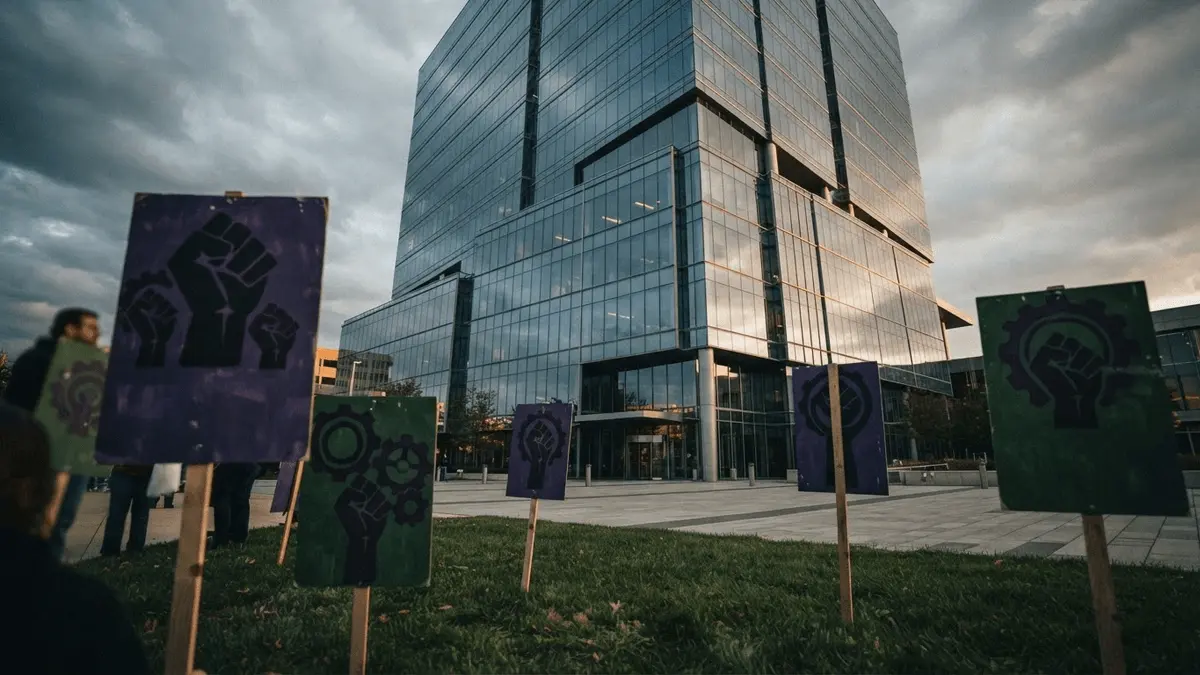
Unionized workers at Bethesda Game Studios are planning a protest against the mass layoffs sweeping through Microsoft’s gaming division, in what represents the most direct organized labor action yet against the ongoing restructuring that has cut hundreds of jobs across Xbox-owned studios.
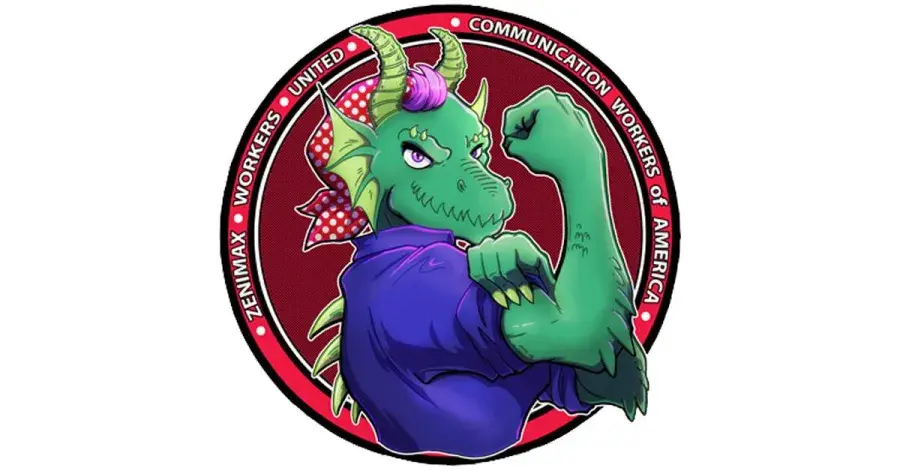
Here’s the context: Bethesda’s union is part of a wave of organizing that has reshaped labor relations inside Microsoft’s gaming arm over the past two years. QA workers at ZeniMax Media – Bethesda’s parent company – voted to unionize under the Communications Workers of America in early 2023, covering roughly 300 QA employees across multiple studios. Later that year, workers at Bethesda Game Studios in Rockville, Maryland secured recognition as the first wall-to-wall union at a Microsoft-owned game studio, covering staff across multiple disciplines rather than just a single QA unit. Both efforts were enabled in part by Microsoft’s 2022 labor-neutrality agreement with CWA, which committed the company to remain neutral during organizing campaigns – a condition tied to regulatory proceedings around the $68.7 billion Activision Blizzard acquisition.
The layoffs prompting this protest are substantial. Microsoft’s broader gaming division reset has seen thousands of roles eliminated across Activision, Blizzard, and Xbox Game Studios units since the acquisition closed, with Bethesda among the studios affected. The protest campaign that has emerged reflects the Bethesda job losses that galvanized workers and union members into organizing the march.
Honestly, this protest matters beyond the immediate headcount. The neutrality agreement that helped Bethesda and ZeniMax workers organize so efficiently was always going to face its real test not during a signing ceremony, but during a restructuring cycle. A labor-neutral stance in good times is easy. What Microsoft does when unionized workers show up outside a building with signs – whether the company engages on severance, recall rights, or redeployment, or simply weathers the news cycle – will say far more about the practical value of that 2022 pledge than any press release did. The broader game industry is watching whether unionization actually changes outcomes for workers, or whether it changes messaging for companies.
The Bethesda action also lands at a moment when game-industry organizing is expanding beyond any single studio. Efforts at studios across the US and Europe, including Game Workers Unite-linked campaigns and the formation of worker groups at Activision Blizzard, signal that the structural conditions driving organizing – large studio acquisitions, cyclical layoffs, and long development timelines – are not going away. CWA has framed Microsoft’s neutrality pledge as a template it hopes other major publishers will adopt, meaning every public confrontation between organized Bethesda workers and Microsoft management becomes a data point in that argument.
What remains unclear is whether Microsoft will engage with the union formally around the layoffs – specifically on questions like enhanced severance, right-of-recall provisions, or priority transfer options to other Xbox studios – or treat the protest as a public-relations event to be managed rather than a bargaining moment to be addressed. The specific date, location, and union-side demands for the planned protest had not been confirmed in detail at the time of publication, and the full scope of which Bethesda workers are included in the affected group remains unverified.
What to watch: Any formal response from Microsoft Gaming leadership to the protest, and whether CWA files or signals intent to file an unfair labor practice charge if the company is seen as bypassing the union during the layoff process, will be the next meaningful markers. Whether other unionized Xbox-adjacent studios follow Bethesda’s lead with their own organized responses is also worth tracking as the restructuring continues.
Does organized labor action change anything for workers facing these cuts, or does it only change the optics for the company? And if you’re a Bethesda fan, does the stability of development teams factor into how you think about the studio’s upcoming projects? Let us know in the comments.