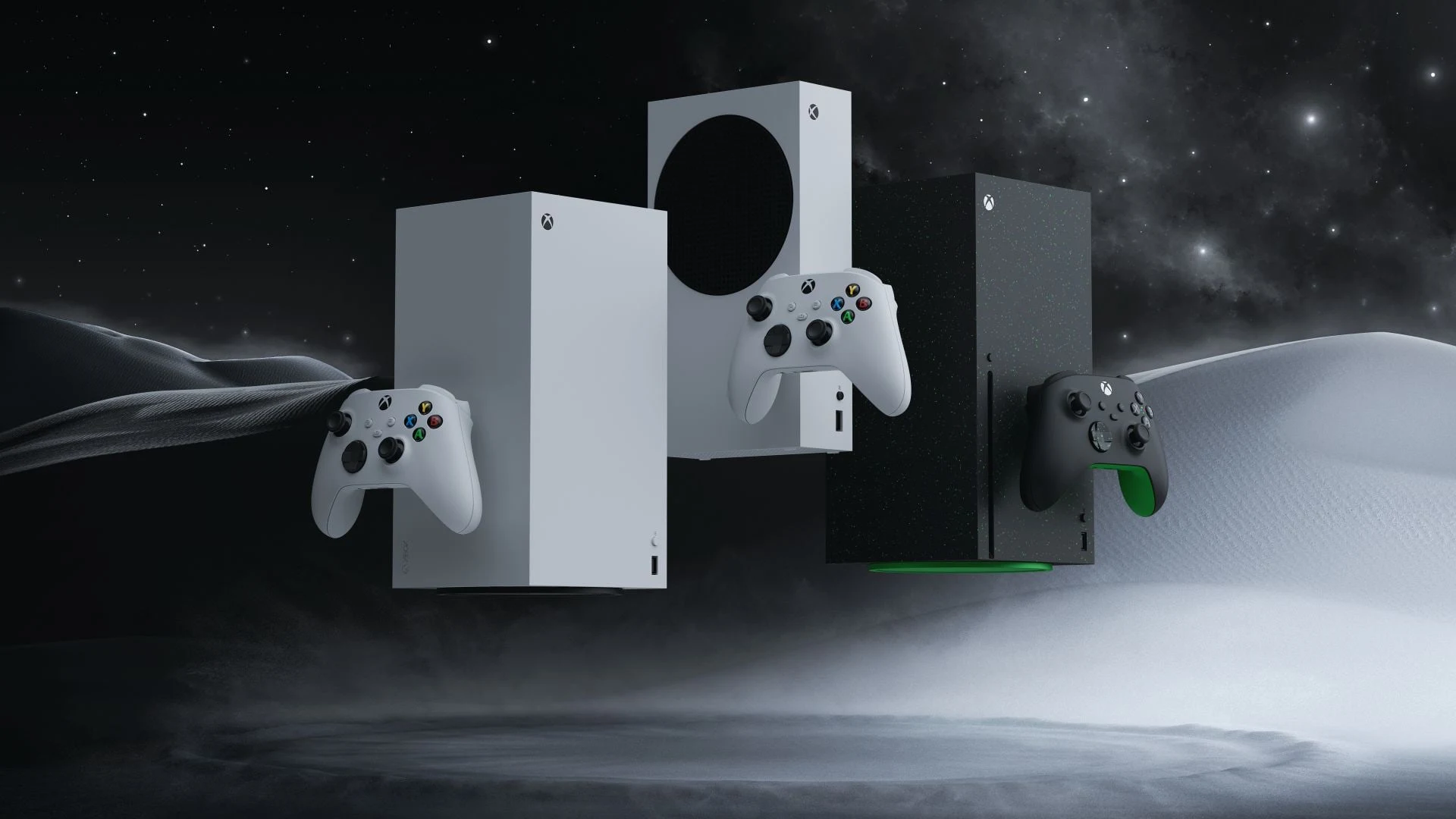
Xbox is cutting 3,200 employees – 20% of its total workforce – and spinning off or selling five of its first-party studios as part of what the company is calling a full reset, as reported by Geoff Keighley on July 6, 2026, with the five studios named as Arkane Lyon, Compulsion Games, Double Fine, Ninja Theory, and Undead Labs.
Here’s the context: This restructuring comes directly out of Microsoft‘s aggressive studio acquisition period, headlined by the $68.7 billion Activision Blizzard acquisition in 2023, which added enormous overhead to an Xbox gaming division that was already absorbing Bethesda/ZeniMax from 2021. New Xbox CEO Asha Sharma, who stepped into the role in early 2026, had been signaling a reset since taking over, with reporting in June indicating major layoffs and budget cuts were imminent ahead of Microsoft‘s fiscal year end on June 30. Internal financial disclosures suggest Xbox has been losing 64 cents for every dollar invested in its game studios – a figure that makes the scale of this restructuring, while jarring, arithmetically unsurprising.

The layoffs are structured in two phases: roughly 1,600 roles cut immediately with the July 6 announcement, and the remaining 1,600 eliminated across fiscal year 2027. The Xbox cuts are also part of a broader 4,800-job reduction across Microsoft as a whole. Alongside the headcount reductions, Xbox plans to flatten its management structure from as many as 14 organizational layers down to five and slash vendor spending by 50%. As we covered in our earlier breakdown of Microsoft’s restructuring moves, the warning signs for a deeper correction had been building for months.
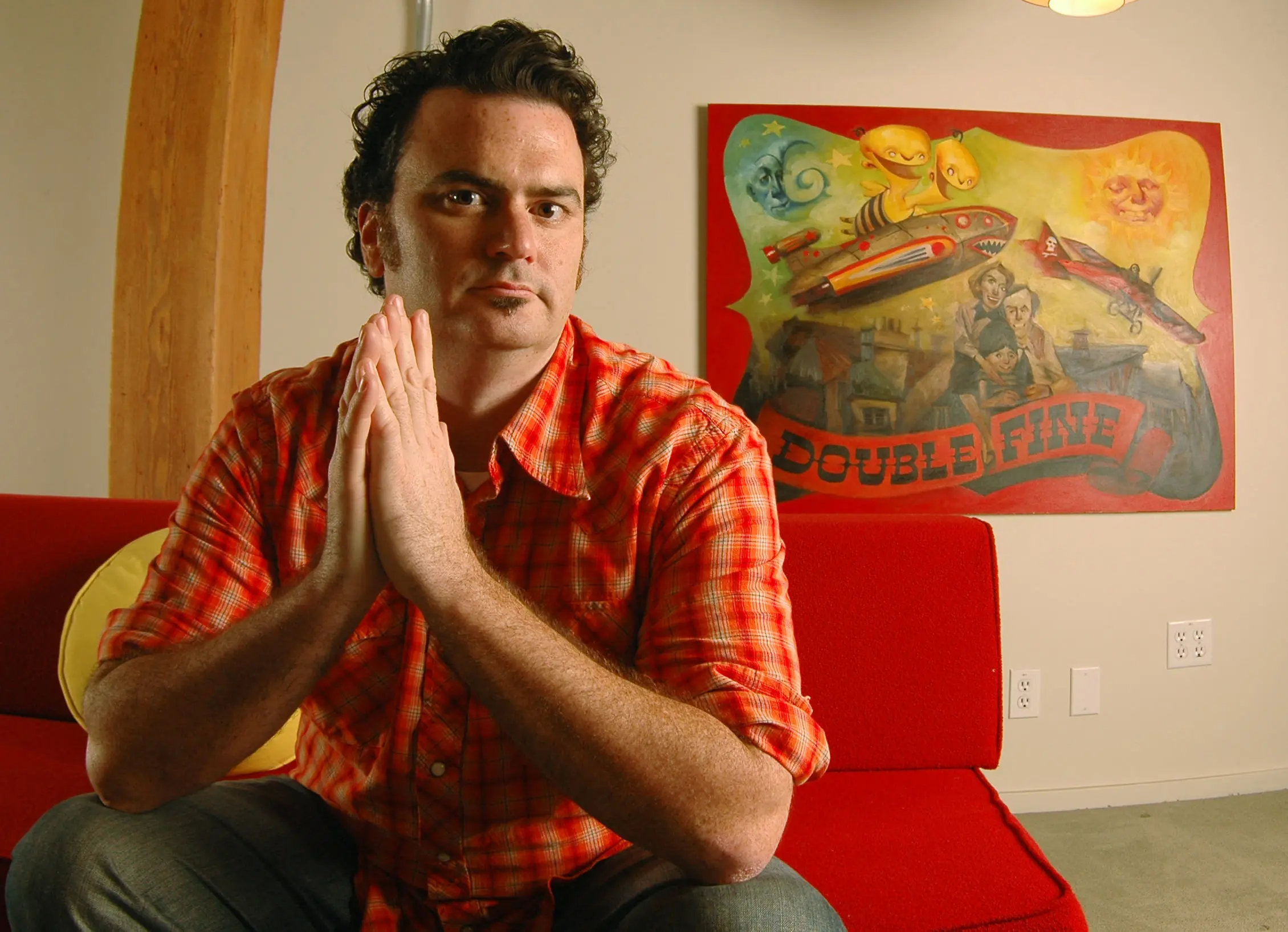
Honestly, the studio spin-off list is where this announcement gets genuinely complicated. These aren’t peripheral labels – Double Fine is Tim Schafer‘s studio, responsible for Psychonauts 2; Ninja Theory made Hellblade II; Arkane Lyon built Deathloop; Compulsion Games shipped South of Midnight; Undead Labs runs the State of Decay franchise. These are studios Xbox spent years acquiring as proof points for Game Pass creative depth, and selling or spinning them off signals that the content-volume model underpinning that strategy has been abandoned. The word “spin-off” leaves some interpretive room – independent studios with minority backing look very different from outright sales to third-party publishers – but either path severs the direct investment line that was supposed to fund their next projects.
The leadership exodus that preceded this moment matters too. Departures from senior Xbox Games Studios roles over the past year stripped institutional knowledge at exactly the wrong time, and the organizational flattening announced alongside these layoffs suggests the structure that survived those exits is itself being torn down. This isn’t a trim – it’s a rebuild from a much smaller foundation.
What remains unclear is the precise ownership structure for the five departing studios. Xbox has not disclosed whether these are full sales to outside buyers, management buyouts, or partial spin-offs with Microsoft retaining a stake. That distinction matters enormously for in-flight projects – a studio that retains its team and secures independent funding is in a very different position than one being shopped to the highest bidder. Xbox leadership has also stated that no publicly announced games are being cancelled as part of this reset, though that assurance carries limited weight until the studio ownership picture clarifies. The negotiations that surfaced earlier this year around potential futures for Double Fine, Ninja Theory, and Compulsion appear to have reached some form of resolution – but the terms remain undisclosed.
What to watch: Microsoft‘s next earnings call will be the first opportunity for Sharma to publicly frame the financial thesis behind this reset and set expectations for the gaming division’s path back to growth in fiscal 2027. Any announcement of buyers or new ownership arrangements for the five studios will substantially change the picture for the franchises attached to them.
Which of the five studios do you think has the strongest case for success as an independent label – and does any of this change how you think about Xbox‘s long-term first-party identity? Let us know in the comments.