
Sony confirmed on Wednesday it will stop producing physical discs for all new PlayStation titles from January 2028, shifting entirely to digital distribution through the PlayStation Store and digital retail formats, as reported by Reuters – a decision that stands to gut a global second-hand game market.
Here’s the context: Digital downloads accounted for roughly 80% of the company’s full-game software sales in fiscal 2025, per Sony’s own figures – The January 2028 cutoff applies to new releases only; titles already on disc or scheduled for disc release before that date are unaffected. As we detailed in our breakdown of Sony’s disc discontinuation decision, boxed retail copies after January 2028 may rely on digital delivery rather than physical media, which could reduce the used game market for PlayStation software over time.
The scale of what’s at stake outside Sony‘s own margins matters here. Dataintelo‘s pre-announcement estimate put the global second-hand game platform market – covering pre-owned games, consoles, and accessories – and PlayStation software has historically been one of the largest segments of that market,
Honestly, this is a straightforward margin play dressed up as a response to consumer behavior. Yes, 80% digital is a compelling number – but the remaining physical sales represent tens of millions of units annually, and the people buying those discs are disproportionately the ones who trade, lend, and resell. Eliminating disc production doesn’t serve them; it removes a structural check on Sony‘s control over pricing and access. The used game market isn’t just a consumer convenience – it’s a price-correction mechanism that keeps new game costs honest and extends the life of catalog titles for players who can’t or won’t pay full price at launch.
The UK physical game market angle is worth watching too. As covered in our look at UK market and trade association reaction to the disc exit, industry groups have already pushed back on what the move means for regional pricing autonomy and brick-and-mortar retail viability. Those concerns don’t disappear once the transition is complete – they intensify.
Joost van Dreunen, games professor at NYU’s Stern School of Business, noted that stripping discs improves margins but will likely require greater storage capacity, which is also increasingly expensive – a cost that lands on the consumer side of the ledger, not Sony‘s.
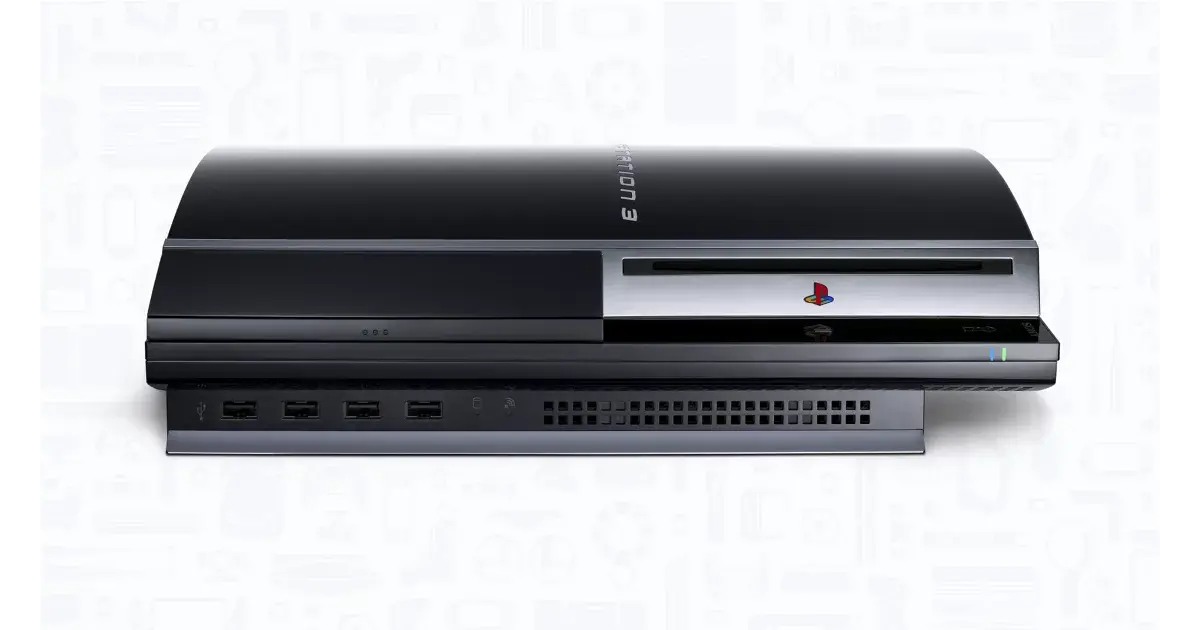
Sony also announced separately that it will begin shutting down the PlayStation Store on PS3 and PS Vita devices, citing the inability of those 15- to 20-year-old consoles to support modern PlayStation Network payment systems. The PS3 store closes first in Mexico, Honduras, and Nicaragua from August 2026, with additional Latin American and Middle Eastern markets following later in the year. Both the PS3 and PS Vita stores close globally in July 2027. Previously purchased content will remain available for download.
The question of whether new releases will be sold digitally-only in practice will set the template for how the industry reads Sony‘s commitment to this shift. Whether competitors, particularly Microsoft, use this as cover to accelerate their own disc timelines is an equally open question.
What to watch: The next meaningful signal will come from how retailers like GameStop reposition their PlayStation software business heading into 2027, and whether consumer advocacy groups or regulators in the EU or UK – both of which have active resale rights frameworks – push back on the implications for digital ownership and market competition.

Is the used game market a meaningful consumer protection mechanism that deserved a longer runway, or was a disc-only resale ecosystem always on borrowed time once digital hit 80%? And do you think retailers will find a viable path forward selling code cards, or is the storefront model effectively over for PlayStation software? Let us know in the comments.