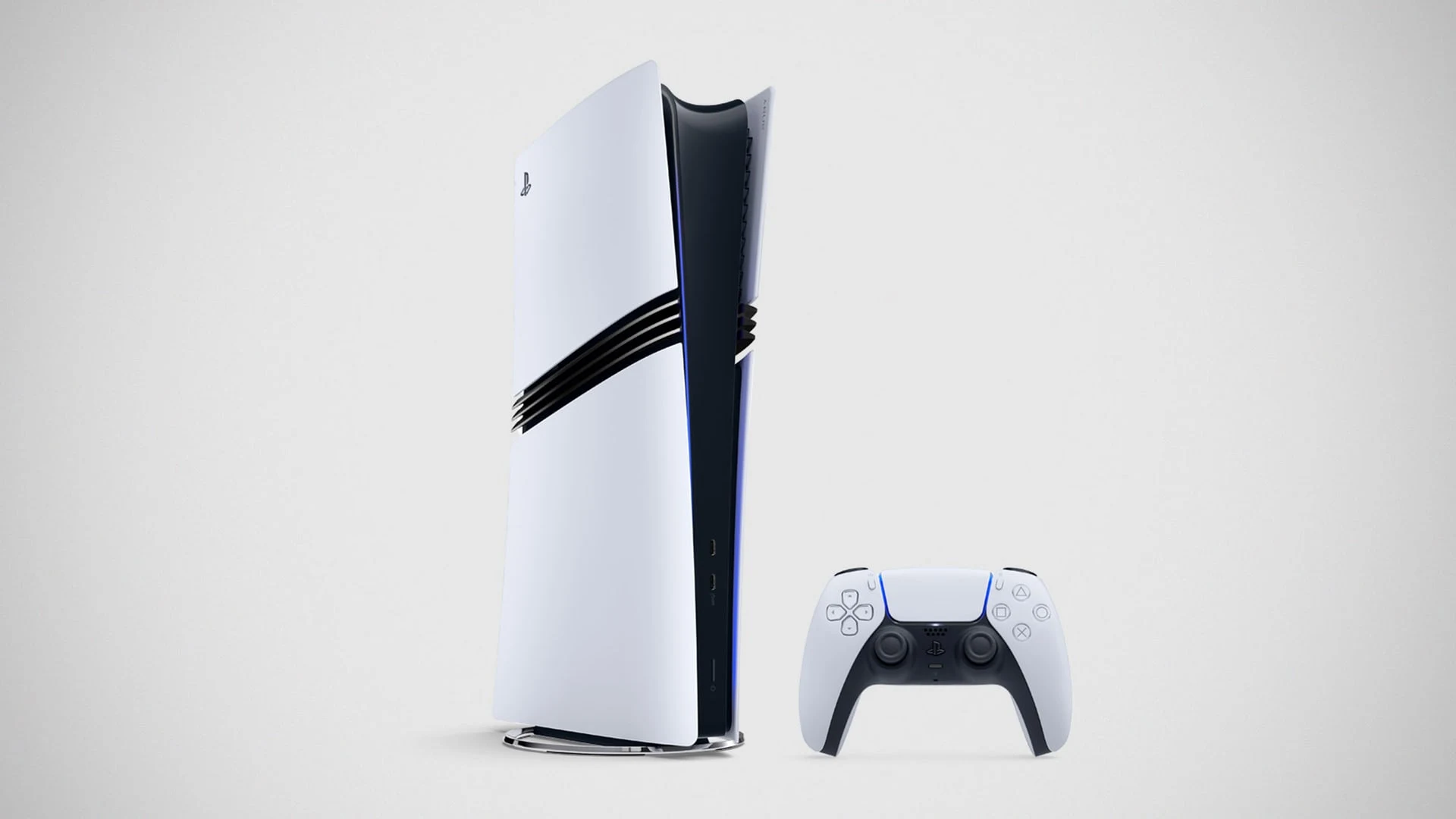
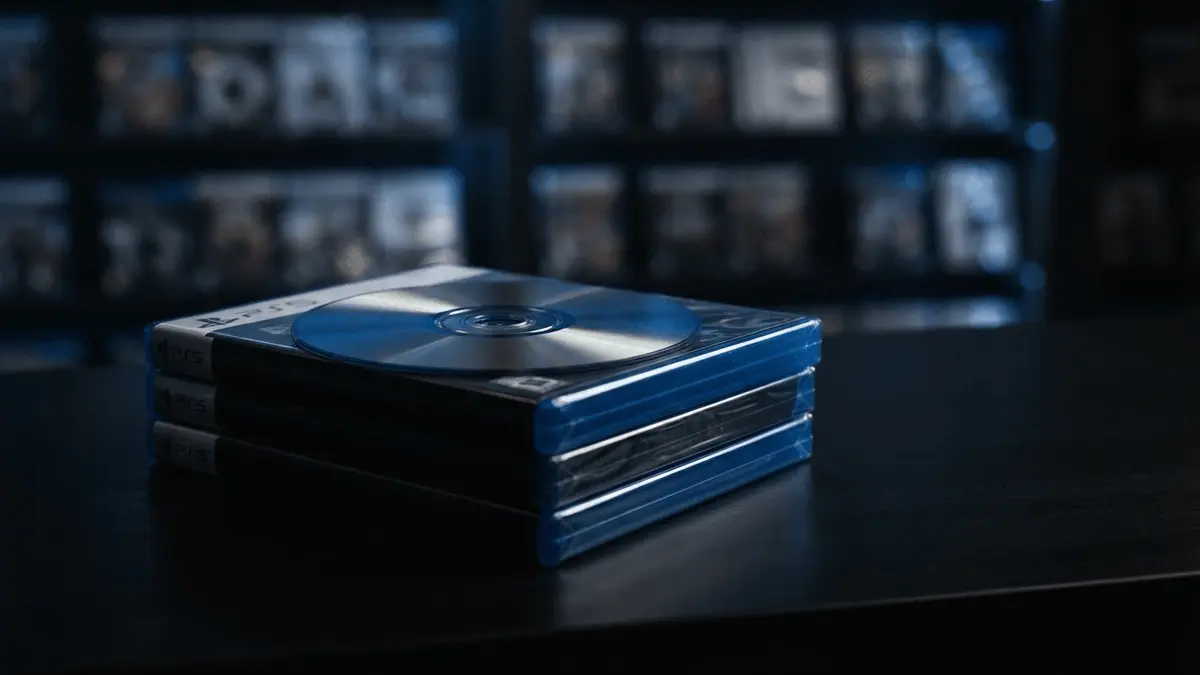
The Entertainment Retailers Association has formally condemned Sony‘s plan to stop manufacturing physical games in January 2028, citing Nielsen data showing that PS5 and PS4 titles accounted for 45% of all UK physical game sales in 2025 – nearly half of a market worth £300 million (approximately $400 million) – as reported by The Game Business.
Here’s the context: Sony’s decision to end disc production has been building toward official industry response since the announcement landed. The ERA – which represents major UK retailers including GAME and Amazon – is an interested party here, so its opposition is not exactly surprising. But the organisation’s decision to anchor that opposition in concrete market data rather than principled argument alone gives the pushback more weight than a generic trade body statement would carry. The £300 million figure represents a real revenue stream within the UK physical market, and the 45% PlayStation share makes clear that Sony is not walking away from a negligible corner of the UK games business.
ERA CEO Kim Bayley stated: “PlayStation’s announcement that major games will no longer be available on disc is a triumph of corporate convenience over consumer choice. Every year, millions of gamers still choose to buy physical copies because they value true ownership. A disc can be shared with family, traded in, collected, preserved and, crucially, still played years from now. A download license often offers none of those freedoms.”
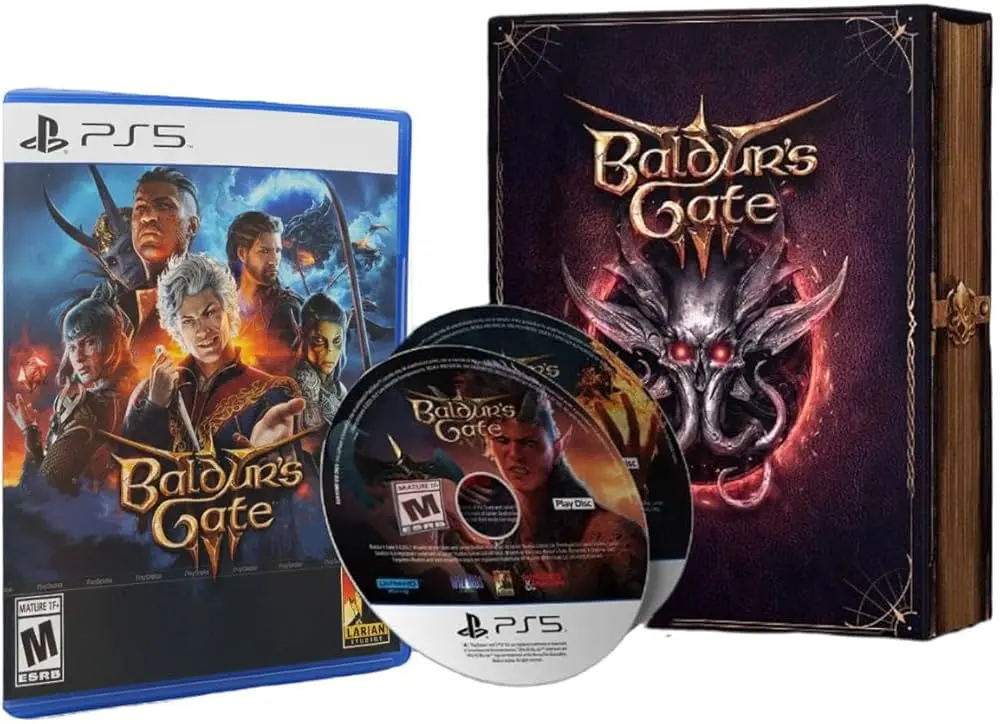
Bayley continued: “The industry should be embracing every legitimate way consumers want to buy games, not narrowing their choices. Digital distribution has transformed gaming and is hugely popular, but it should complement physical formats, not replace them. Removing discs doesn’t represent progress – it simply removes choice. That’s bad for gamers, bad for retailers, and ultimately bad for the long-term health and preservation of our games industry.”
Honestly, the ERA‘s conflict of interest is real – this organisation exists to protect retailers, and retailers get hurt badly if disc sales evaporate – but that doesn’t make the argument wrong. Sony would counter that it needs to sell two physical discs in order to make the same amount of money as one digital download. If the internal numbers are skewing hard toward digital, the company sees a clean exit point. That logic holds. But the timing is the problem: Sony is making this move into a market that still produces £300 million annually from physical sales, with PS5 and PS4 titles at the centre of almost half the revenue within that physical market.
It’s also worth noting that the preservation argument Bayley makes has limits. A growing share of physical releases require mandatory downloads to function fully – a disc is not always the complete, self-contained artefact it used to be. The ERA is not wrong that a physical copy offers ownership properties a licence does not, but the industry has already been eroding that distinction from the disc side as well. Recent UK physical success stories – like 007: First Light topping the physical charts – demonstrate the demand is still there when publishers commit to it properly.
What remains unclear is whether this official pressure will prompt any modification to Sony‘s timeline or policy, or whether it will produce the same result as most trade body objections to platform decisions: a statement of concern that changes nothing. There is also the question of how the forthcoming PS6 launch factors in – with the new hardware described as looking like a tough sell – for Sony’s decision to move away from discs.
What to watch: The next concrete signal will be whether any major publisher or retail partner makes a formal public statement alongside the ERA‘s position, or whether this stays a trade body objection without broader industry backing. Sony‘s response – or sustained silence – heading into any PS6 announcement window will be the real indicator of how committed the company is to the January 2028 cutoff.
Do you think the ERA‘s market data is enough to shift Sony‘s position, or is the January 2028 disc exit already locked in regardless of pushback? And if physical editions disappear from PlayStation, does that change how you plan to buy games going forward? Let us know in the comments.