
Sony’s Game & Network Services segment posted a 37% year-over-year jump in operating income to ¥202 billion in fiscal Q1 2026, but the company’s own earnings call transcript confirms that U.S. tariff refunds – not a surge in PlayStation game sales – were the primary driver. Sony expects approximately ¥80 billion in tariff refunds for the full fiscal year, with roughly 70% of that amount already received in the first quarter, the bulk of which was allocated to the gaming segment, as disclosed in Sony’s July 31 earnings call.
The G&NS result is notable because it arrived alongside essentially flat revenue. Sales for the segment came in at ¥937.1 billion, virtually unchanged year-on-year, meaning the operating income surge was driven almost entirely by the tariff refund benefit, partially offset by increased investment in the next-generation platform and restructuring costs. Foreign exchange gains also contributed. The G&NS segment posted record first-quarter operating income, reflecting the outsized impact of these one-time and external tailwinds rather than an acceleration in underlying game sales.
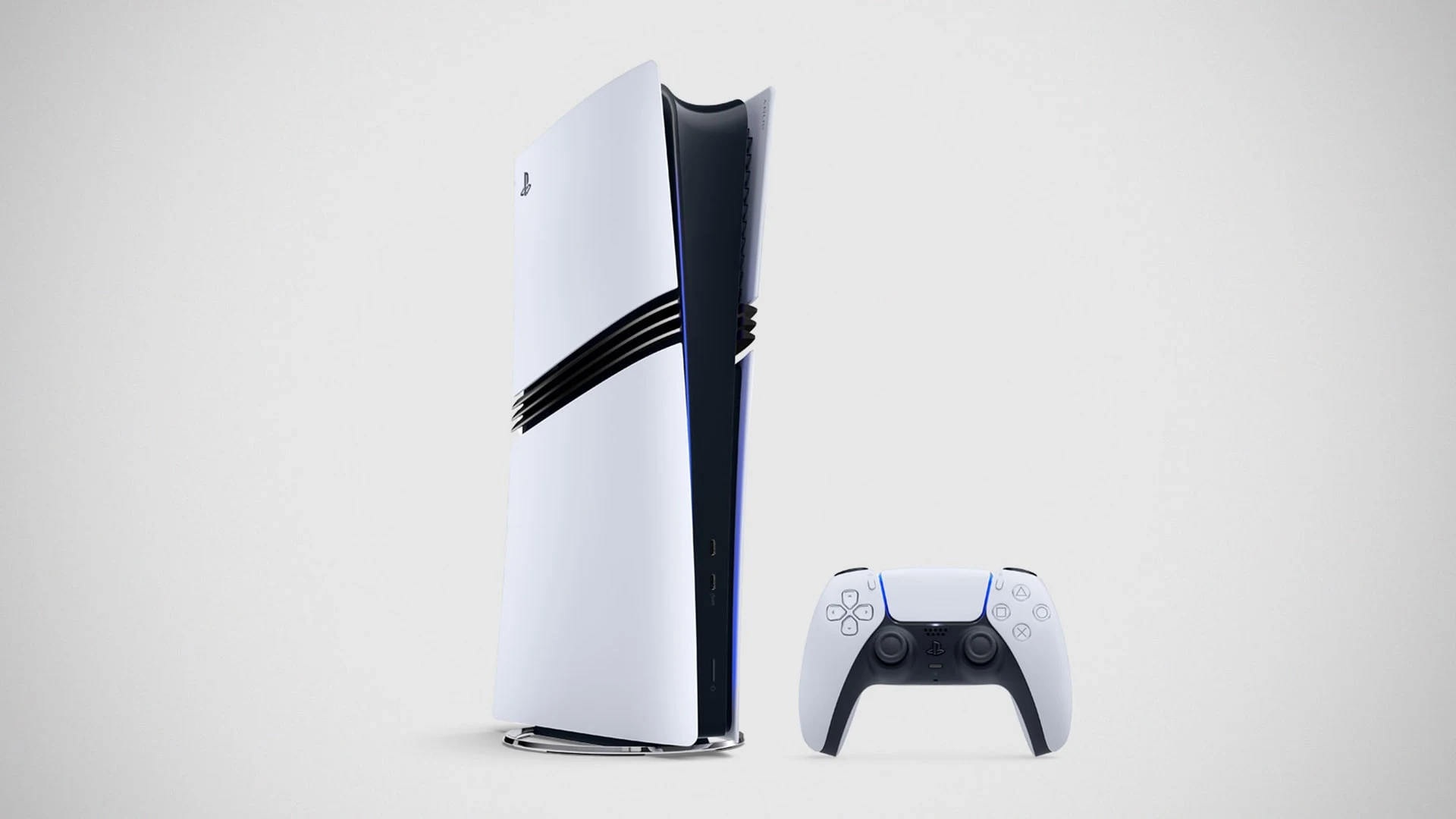
For context on how the underlying PlayStation business is actually performing: monthly active users reached 125 million in June – a record for that month, up 2% year-over-year – but total play time fell 4% compared to the prior-year quarter, which Sony attributed to an unusually strong comparison period driven by major title launches and seasonal updates. The company also noted that PS5 hardware profitability is expected to remain similar to last fiscal year, though memory costs remain a live concern heading into the second half.
The 37% operating income headline is doing a lot of work that the underlying business hasn’t earned yet. G&NS sales were flat. Play time dropped. Sony sold 1.6 million PS5 units in the quarter, down from 2.5 million in the same period last year. The profit beat is real, but it’s built substantially on a tariff-related accounting tailwind. Framing this as a gaming profit surge risks obscuring what the numbers actually show: that Q2 and Q3 results will need to demonstrate whether cost improvements and network services growth can carry the segment once the refund benefit diminishes.

That said, Sony didn’t just benefit from a one-time cheque. The company raised its full-year G&NS operating income forecast 10% to ¥660 billion, citing tariff refunds, foreign exchange, and cost improvements as contributing factors. Network Services revenue reached ¥208.6 billion this quarter, up from ¥172.6 billion a year earlier, per the Zacks breakdown. The structural margin improvement is real; it’s just not the story the headline number tells.
CFO Lin Tao confirmed on the call that the G&NS result was driven by tariff refunds but partially offset by increased investment in the next-generation platform and restructuring costs – an acknowledgment that Sony is already spending into the PS6 cycle while trying to keep current-gen margins intact.
- G&NS Operating Income – ¥202 billion, up 37% year-over-year; flat revenue at ¥937.1 billion
- Tariff Refund – approximately ¥80 billion expected for full fiscal 2026; roughly 70% received in Q1, mostly allocated to gaming
- PlayStation MAU – 125 million in June, a record for the month; total play time down 4% year-over-year
- Full-Year G&NS Guidance – sales raised to ¥4,540 billion; operating income raised to ¥660 billion
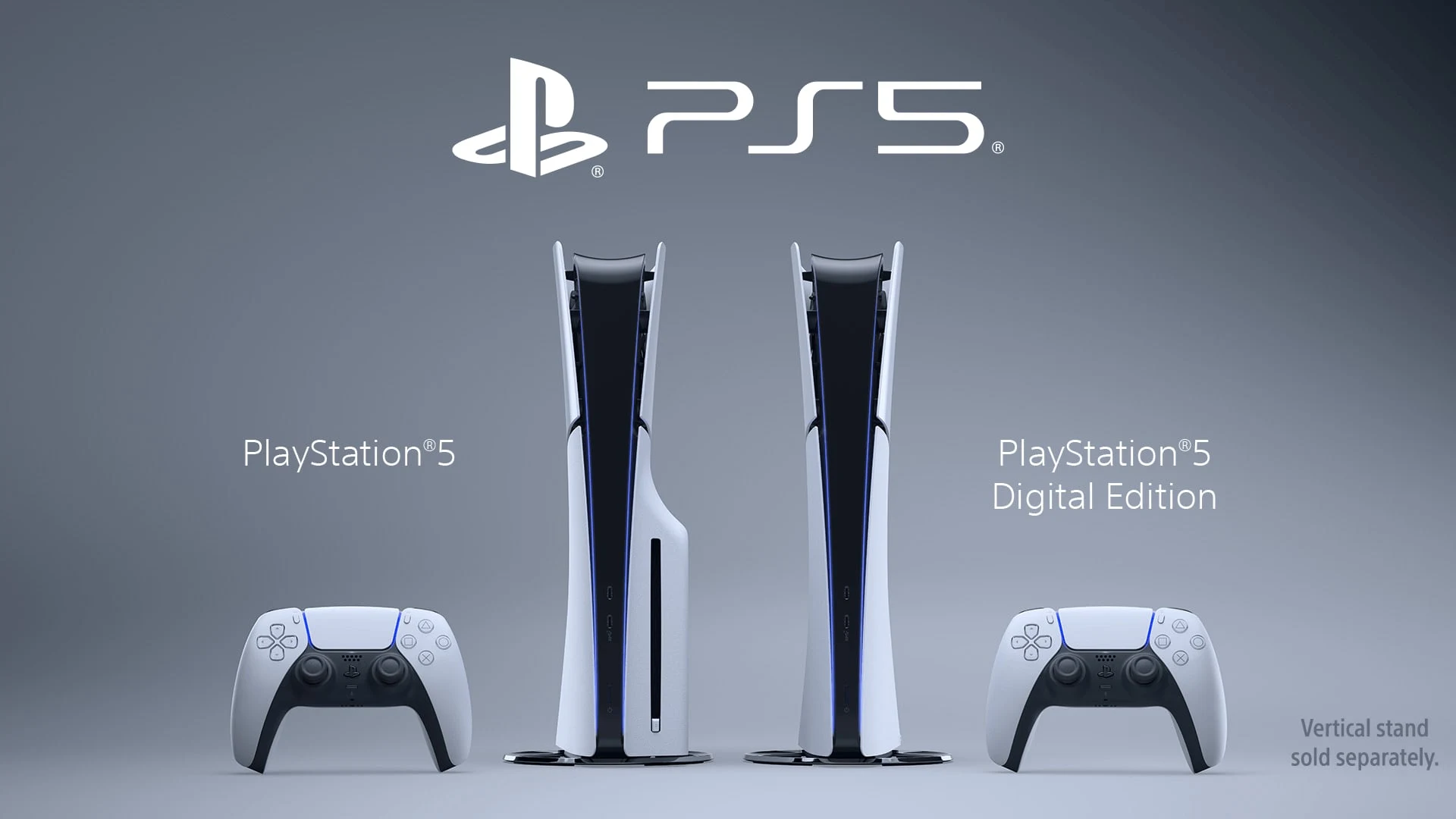
- PS5 Disc Production – phaseout confirmed beginning January 2028
What remains to be seen is how much of the full-year guidance upgrade is structural versus tariff-dependent. With roughly 70% of the expected ¥80 billion refund already received in Q1, the margin tailwind will be smaller in subsequent quarters, meaning Q2 and Q3 results will need to show that cost improvements and network services growth can sustain the segment’s profitability on their own.
The real test comes as major first- and third-party releases arrive later in the calendar year. Sony noted on the earnings call that Marvel’s Wolverine is set for release in September, while God of War: Lao Fei is scheduled for February. Those titles will give the clearest read on whether PlayStation’s engagement metrics recover and whether software revenue can grow without tariff support propping up the margin line. Industry observers will also be watching how much hardware volume Sony can recover after Q1’s sharp year-over-year decline in PS5 shipments.

Is a 37% profit jump that’s substantially built on a one-time refund a meaningful indicator of PlayStation’s business health – or does it mask a more complicated picture? And with disc production ending in 2028 and play time already sliding, where does Sony’s engagement story go from here?