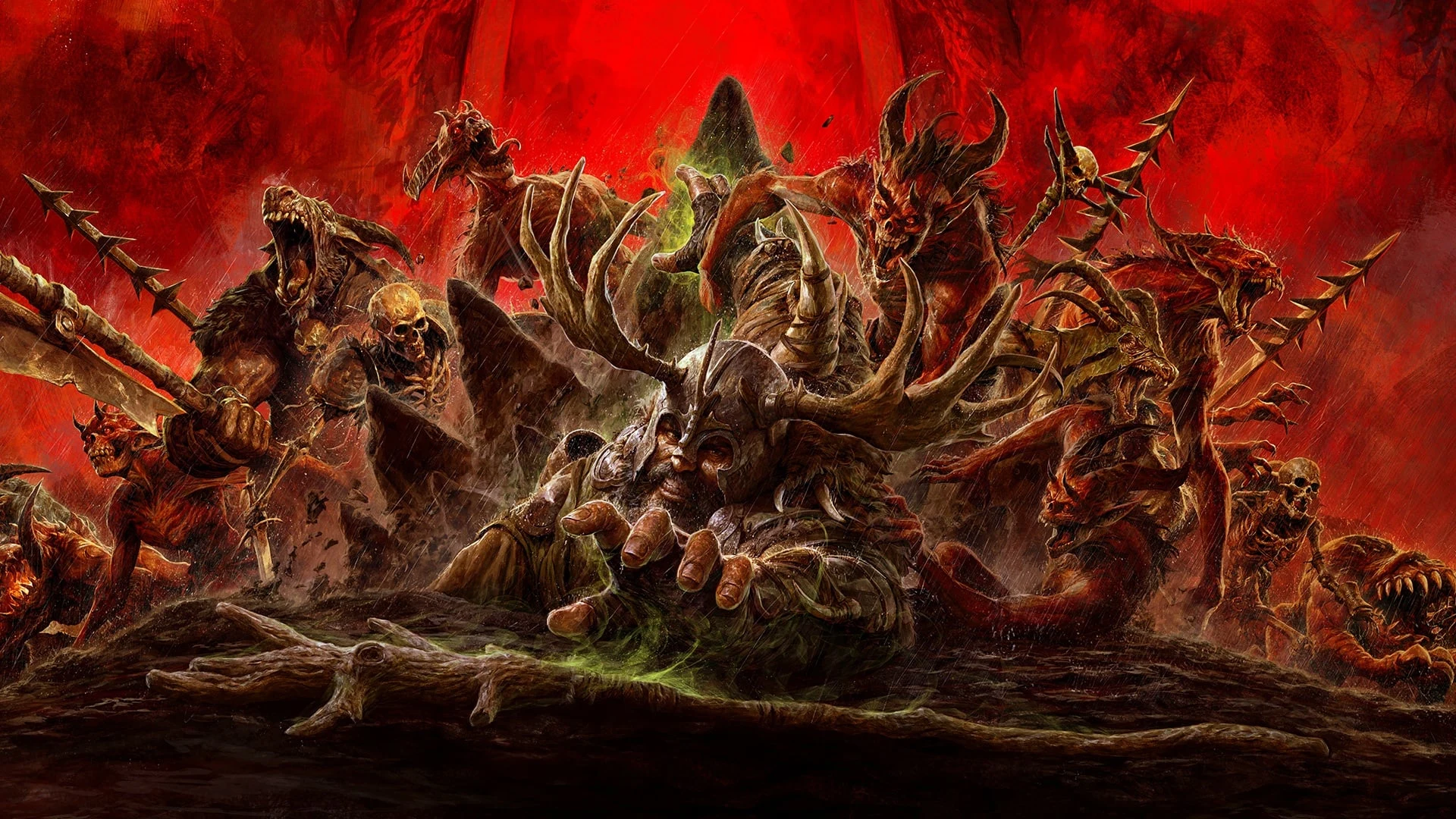

Blizzard has confirmed that Diablo 4’s Season 11 PTR goes live on October 21, 2025, overhauling Tempering, Masterworking, monster behavior, and the entire defensive stat framework in the most sweeping systems update the game has seen in a single PTR cycle, as detailed in the full patch notes published by Wowhead.
Here’s the context: Diablo 4 has been steadily iterating on its item journey since launch, but player frustration with RNG-gated progression – particularly the randomness baked into Tempering and the grind wall of Masterworking – has been a persistent thread across community feedback. Blizzard is clearly treating Season 11 as the moment to answer that criticism directly and at scale.
The Tempering change alone is significant: affixes are no longer randomly applied. Players now select exactly which affix they want from a given Tempering Recipe, and Tempering Charges can be restored indefinitely. That removes one of the most complained-about pain points in the item system in a single pass.

Masterworking is being restructured just as fundamentally. Rather than boosting existing affix values incrementally, it now improves a stat called Quality – a bonus to base damage, armor, or resistance – up to a maximum of 20. Each Masterwork attempt adds between 2 and 5 Quality levels randomly, and hitting the cap unlocks a one-time Capstone bonus that upgrades a random non-greater affix into a Greater Affix. That Greater Affix can then be rerolled without resetting Quality progress, at the cost of Obducite and Neathiron. It is a more legible path than the current system, even if the Capstone roll still carries randomness.
Blizzard is also adding a new upgrade tier called Sanctification, which functions as an item’s final modification. Sanctifying an item can apply a bonus Legendary power, improve or add an affix, make the item indestructible, or replace an affix with one drawn from a special Sanctification pool – but once done, the item cannot be modified further. Access works differently by difficulty: pre-Torment players can earn a rare Sanctification opportunity after defeating a Lesser Evil in modes like Helltide, while Ancestral-quality Sanctification requires Heavenly Sigils earned only in Torment tiers. Non-unique items are also gaining a fourth base affix, up from three.
Honestly, the combined Tempering and Masterworking changes represent exactly the kind of course correction the community has been pushing for, and it is encouraging that Blizzard is testing them together in a single PTR rather than staging them across multiple seasons. The removal of randomness from Tempering affix selection is particularly welcome – it transforms what was effectively a slot machine into a genuine customization layer. The Sanctification system is a gamble, since an irreversible upgrade with randomized outcomes on an item you have invested hours into will still produce frustrating results for some players, but giving it a clearer acquisition path at least means the moment of commitment is intentional rather than stumbled into.
The defensive overhaul is equally substantial. Armor and Resistances are moving to rating systems with diminishing returns, Armor now mitigates all damage types rather than physical only, and Physical Damage Resistance is being introduced as a new stat category. A new display stat called Toughness will summarize total effective health against each damage type in one readable value – a quality-of-life addition that should make it easier to identify actual defensive gaps rather than inferring them from scattered stat sheets.
The Potion system is being rebuilt from the ground up. Base capacity drops to four potions regardless of prior Renown progress, but each potion now heals instantly for 35% of maximum health, and players passively regenerate one potion every 30 seconds. Fortify is also changing from a damage reduction mechanic to an additional life reservoir that drains to heal the player over time. Both changes push survivability away from passive stat stacking and toward active decision-making – a direction that should make difficulty tiers feel more distinct rather than just numerically harder.
The seasonal theme layers Lesser Evils across existing game modes: Duriel invades Helltide, Belial corrupts the Pit, Andariel takes over Kurast Undercity, and Azmodan appears as a new World Boss with three summon variants tied to the other Lesser Evils’ power sets. The Tower endgame activity – Diablo 4’s answer to Diablo 3’s Greater Rift Leaderboard system – is also included in this PTR for competitive testing. For players who have followed how Blizzard has been evolving the Eternal Realm alongside seasonal content, the scope of Season 11’s system changes makes this PTR one of the more consequential public tests the game has run.

What remains unclear is how the Sanctification randomness will land once players have their hands on full Ancestral builds, and whether the Potion regeneration rate of one per 30 seconds will feel adequate once monster lethality scales at higher Torment tiers given the simultaneous nerfs to Fortify and passive damage reduction. Those are the two areas worth watching closely in PTR feedback.
What to watch: The PTR runs from October 21 and Blizzard will be collecting feedback through the in-game tool, using community responses to fine-tune balance changes, eliminate bugs, and create the best experience possible before Season 11 goes live.
Are the Tempering and Masterworking changes enough to fix your frustrations with Diablo 4’s item journey, or does the Sanctification system’s irreversibility give you pause? Let us know in the comments and keep an eye on our coverage as the PTR feedback loop plays out.