Singapore-based publisher 4Divinity believes China‘s ecosystem of small development teams is well positioned to fill a widening gap for affordable, mid-size games, according to Head of Global Publishing Phil Doust in an interview conducted at Gamescom 2026 and published August 30, 2026, as reported by PCGamesN.
Here’s the context: China has become an important force in game development, with examples ranging from HoYoverse‘s gacha lineup to Game Science‘s Black Myth: Wukong and NetEase‘s Marvel Rivals, alongside upcoming releases such as Phantom Blade Zero and Ananta. 4Divinity, established in 2022, originally worked the other direction – helping Western studios enter Asian markets, including efforts around Atomic Heart and Stalker 2. Doust joined the company in 2024 after 16 years in PR and business development at Rockstar Games, and says China remains 4Divinity’s default lead region, with Western activity built around whatever replication makes sense for that market.
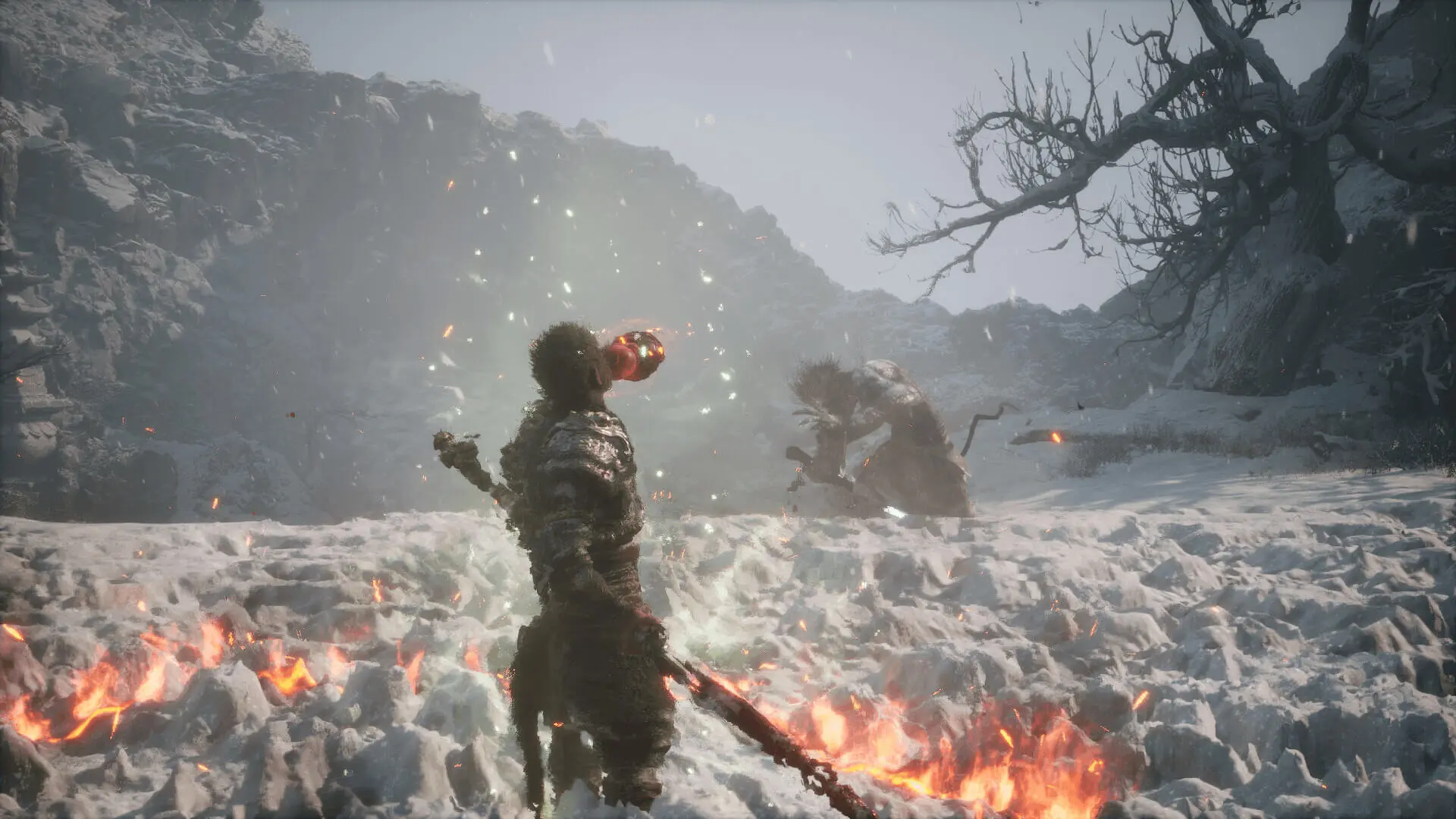
Doust argues that the industry has been trending toward established franchises and sequels while demand for new IP remains high. He points to Clair Obscur: Expedition 33 as an example of a small team delivering a large-scale, story-driven, emotionally resonant new game. Doust frames the missing supply as largely a cost problem, and 4Divinity’s portfolio reflects that focus: mostly small, newer teams, typically running 25 to 80 people. He says teams of that size are common in China, where most of 4Divinity’s games originate.
Where the interview gets specific is on numbers players will actually recognize:
- China concentration – 90% of 4Divinity’s titles originate in China
- Team size – portfolio studios typically run 25 to 80 employees
- Price ceiling – roughly $50 to $60 is described as the realistic upper range for a price-sensitive Chinese market
- Play-time pitch – Doust frames a roughly 15-hour experience as good value against players unwilling to sink 200 hours into a live service or pay $80 upfront
- Business split target – 4Divinity wants to move from roughly 80/20 China-to-outside-China revenue toward a 50/50 balance
The interview presents that shift from an 80/20 split toward a 50/50 balance as 4Divinity’s longer-term aim. Doust’s case is that Chinese studios with smaller teams can help serve demand for new IP at prices that remain accessible to players.
Would you take a 15-hour game at $50 to $60 over a longer or pricier live-service commitment? And does China’s small-team development culture look like it can keep supplying the new IP Doust says demand is seeking?