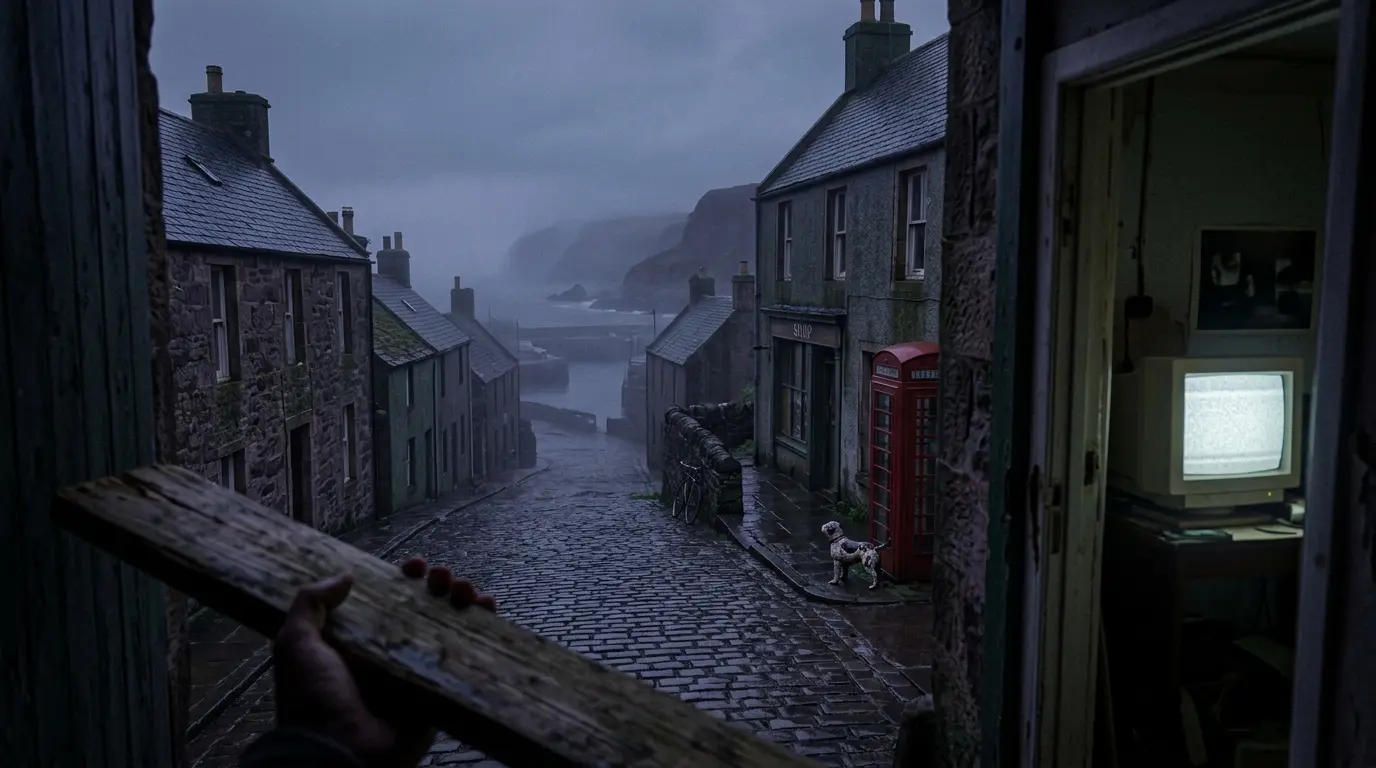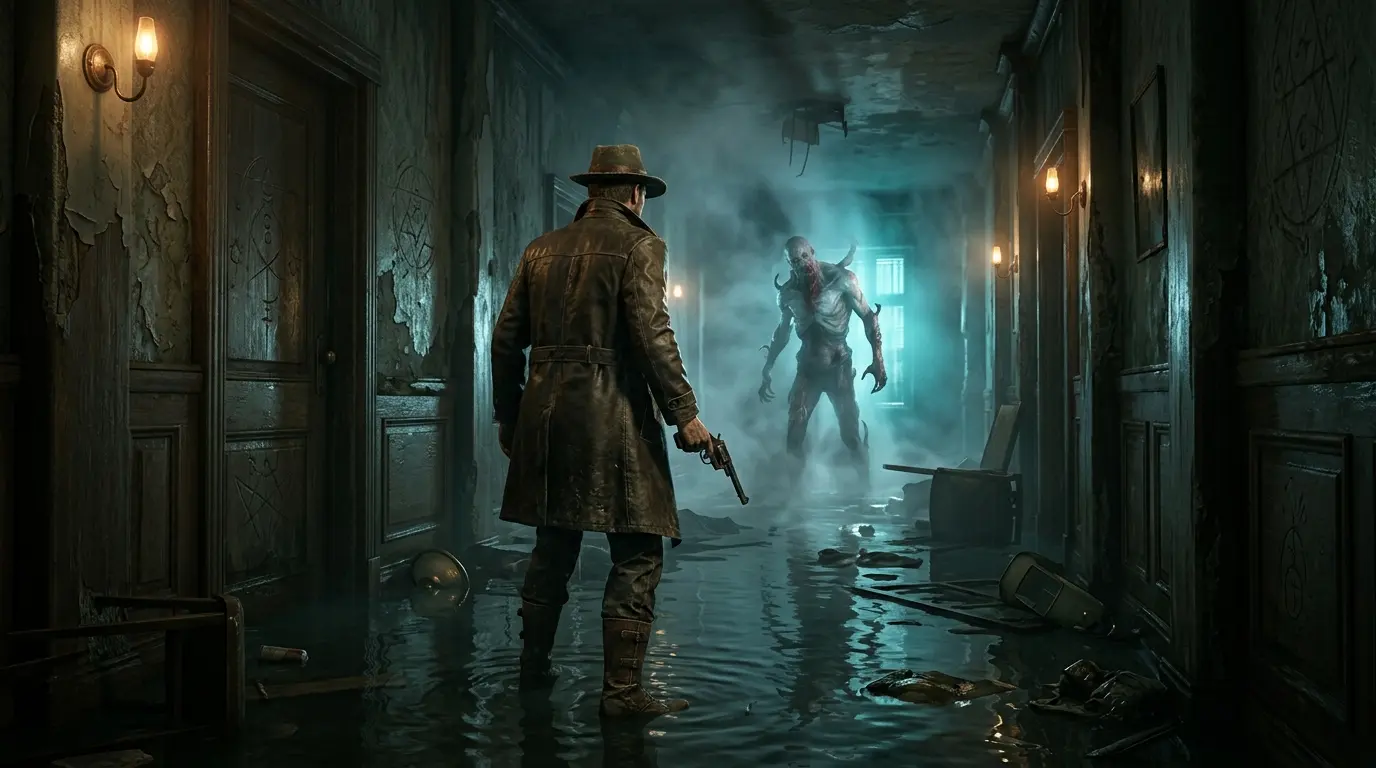

Alien: Isolation 2 is adding outdoor, open environments alongside its signature cramped corridors, with Project Art Director Anastasia Sopikova telling PCGamesN at Gamescom that the studio is building spaces to support multiple different playstyles, and there’ll be multiple ways to survive. Sopikova discussed the shift alongside Principal UI Artist Laura Maurerer, framing the new spaces around the series’ core tension rather than a simple map-size increase. As she put it, the most important thing is building a space that will support that iconic cat and mouse game.
Here’s the context: the original Alien: Isolation built its reputation on claustrophobia – cramped corridors, hiding under tables, and an Alien that could be anywhere just out of sight. According to Sopikova, that design language isn’t going anywhere; those same tight, hideable spaces remain in the sequel. What’s changing is the addition of a genuinely different survival mode, one where the danger comes from being exposed rather than boxed in, and where the nearest safe corner might be a lot farther away than players are used to. It’s a structural idea not unlike the way Reanimal’s expanded, unseen areas use unfamiliar space to keep tension unpredictable rather than just bigger.

Honestly, the more interesting design bet here isn’t the outdoor setting itself – it’s the shift in what makes players vulnerable. Sopikova notes that people play differently: some people are really cautious, others are more reliant on tools, and they kind of just go straight forward. Giving players that latitude only works if the environment punishes overconfidence in new ways, and that’s where the weather comes in. Fog can reduce visibility to a few meters, and heavy rain can get loud enough to bury the sound of an approaching Xenomorph entirely – which is a meaningfully different threat model than a monster you can track by footsteps alone. It’s the same principle that made Sinking City 2’s focused level design effective: tension doesn’t require more square footage, it requires less certainty.
Sopikova described the specific mechanism directly: “You have the fog, you have the rain, and maybe at some point the fog comes in, and you can only see a few meters in front of you. All the rain picks up, and it’s really loud, and you can’t hear aliens’ footsteps.” That’s a deliberate trade-off – the open sky isn’t safety, it’s a different flavor of blindness.
Three environmental effects stand out from the interview as the clearest signals of how outdoor areas will actually play differently from Sevastopol’s hallways:
- Reduced visibility – fog can cut sightlines down to just a few meters, stripping away the ability to spot an approaching threat at range
- Masked audio cues – heavy rain can drown out the Alien’s footsteps, removing a sound-based warning system players relied on indoors
- Playstyle flexibility – the space is designed to accommodate cautious players, tool-reliant players, and those who move straight forward, rather than funneling everyone into one approach
What remains unclear is almost everything beyond this specific design conversation. The interview doesn’t establish a release date, platforms, engine, the protagonist’s identity, or any named locations beyond the general concept of “outdoor areas.” It also doesn’t detail how large these environments are, how they’re structured, or how frequently players will cycle between outdoor exposure and indoor claustrophobia – those are answers Creative Assembly hasn’t given yet, at least not through this source.
Does an Alien become scarier when fog and rain strip away your ability to see or hear it coming, or does that just replace one kind of dread with a different kind of frustration? And for longtime fans, is expanding into open-air survival the right evolution for a series built on tight corners, or should Isolation 2 have stayed claustrophobic through and through? Keep an eye on GameLuster for more Alien: Isolation 2 coverage as Creative Assembly reveals more – in the meantime, genre fans weighing exploration-driven horror against tight, controlled spaces might find No Man’s Sky’s approach to open environments a useful point of comparison.