Lead
Blizzard used BlizzCon 2026’s 45-minute Diablo 5: Forging the Next Era panel to outline a post-apocalyptic story premise, three confirmed classes, the return of procedural world generation, and an early itemization preview featuring gear sets and multi-slot items. The game is planned for a spring 2029 launch, according to IGN’s report from the panel.
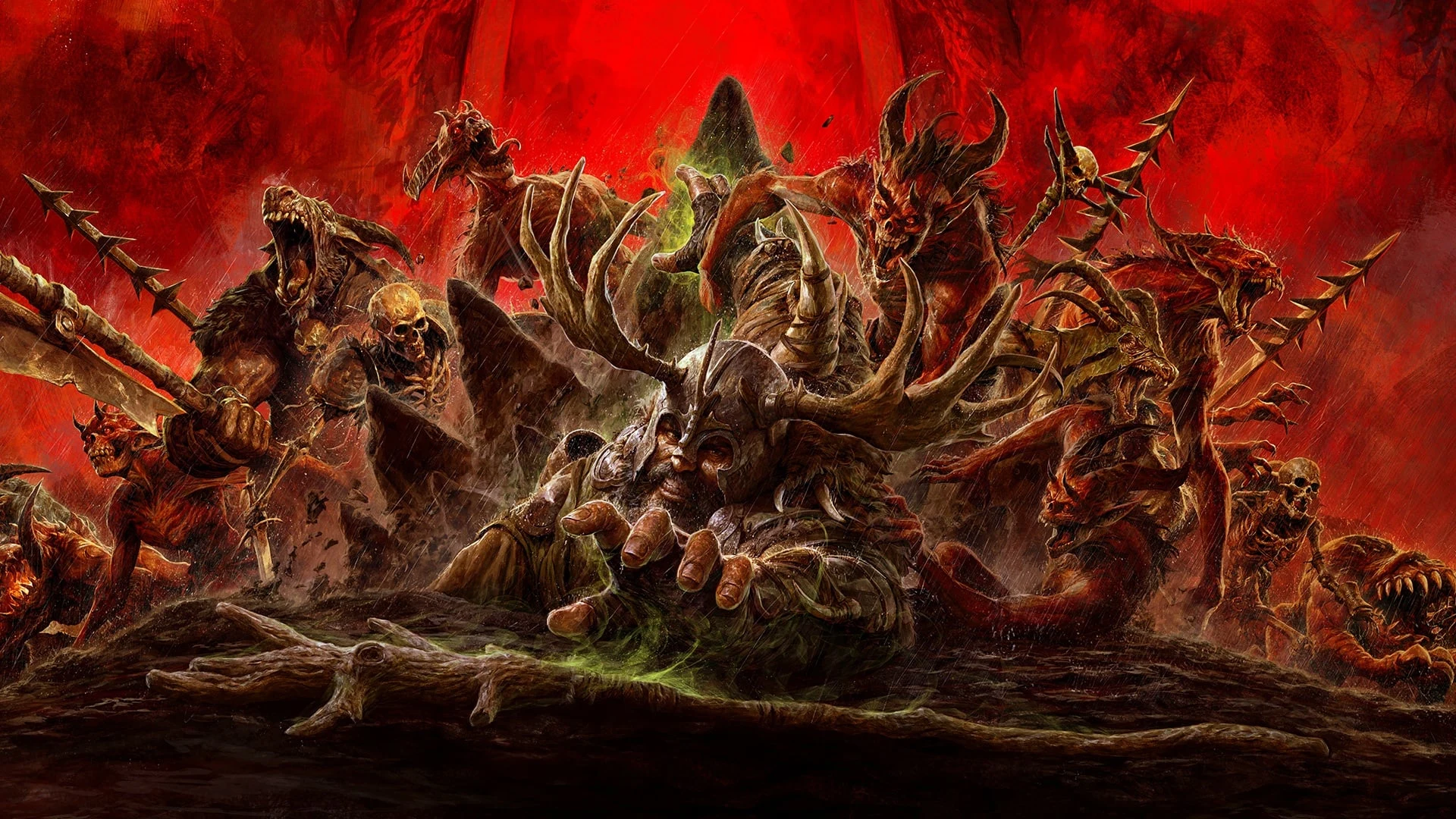
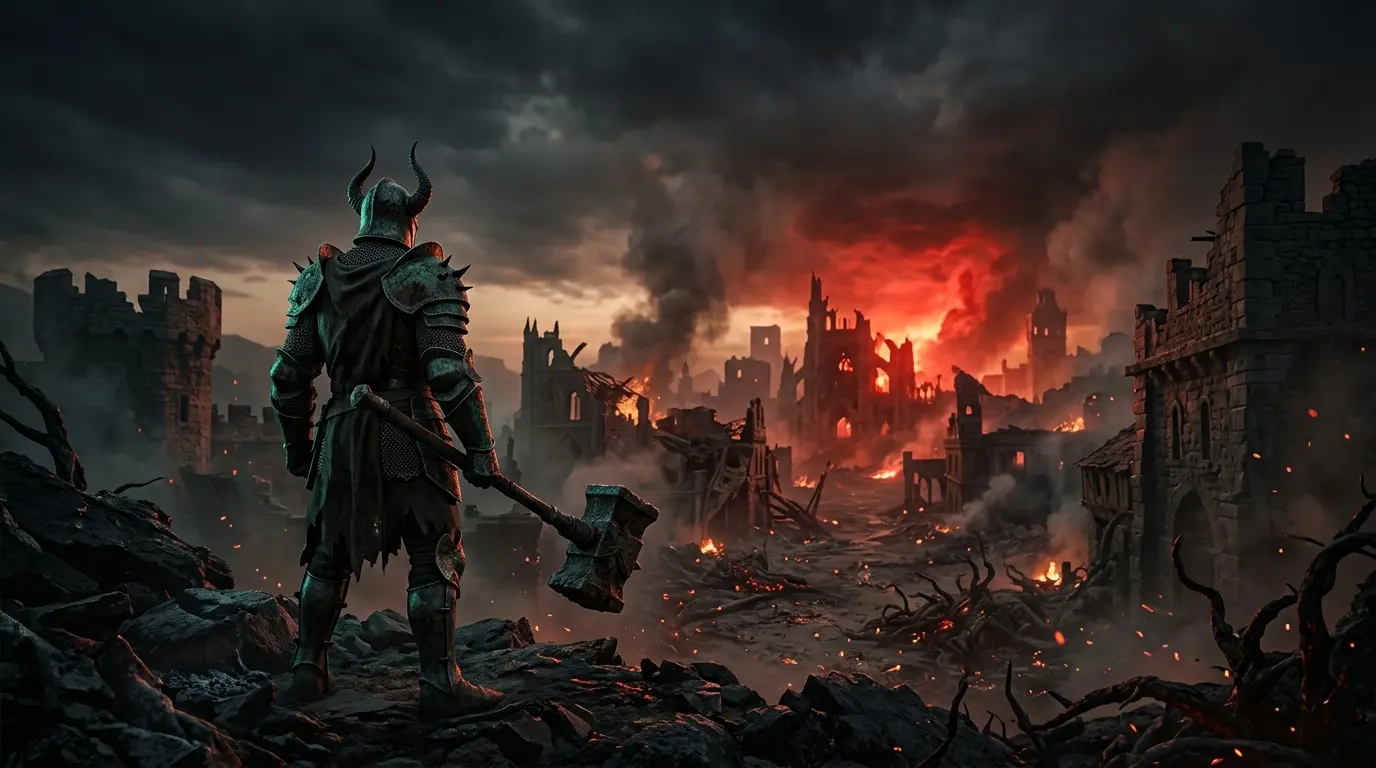
The headline announcement is the heavily armored new Plague Knight class, but the presentation also focused on changes to Sanctuary itself. Blizzard framed Diablo 5 as a sequel designed around a world in which Diablo has already prevailed, with Westmarch transformed and familiar locations intended to change when players return to them.
Event Context Block
Diablo 5 was announced at BlizzCon 2026, and the Forging the Next Era panel served as an early overview of the project rather than a detailed final-system showcase. The Diablo team said the presentation would cover story, world design, gameplay, and itemization, while repeatedly emphasizing that the game remains early in development.
Producer Matt Zitterman said Blizzard chose to announce the game well before launch because the team wants community feedback during development. According to Zitterman, the aim is to bring players into the process early enough for their criticism and reactions to help shape the game as it moves toward release.
That context is important for the panel’s itemization and interface material in particular. Blizzard showed concept art and broad design intentions, not a completed loot system or a final inventory interface. The studio also said it intends to provide regular development updates beginning in 2027, ahead of the planned spring 2029 launch window.
Editorial Highlight
The Plague Knight may be the panel’s most immediately recognizable reveal, but Diablo 5’s story setup is the larger structural change. Blizzard’s stated premise is that Sanctuary has already fallen and Diablo has already won. Rather than positioning the Lord of Terror as a final encounter waiting at the end of the campaign, the developers described him as a force shaping the game from its opening moments.
Senior producer Tiffany Wat said the team did not approach Diablo as a character in need of redemption or reinterpretation. Instead, the narrative question centers on what follows after his victory. That framing gives Diablo 5 a different starting point from a story about preventing Sanctuary’s collapse, and it places the aftermath of that defeat at the center of the journey.
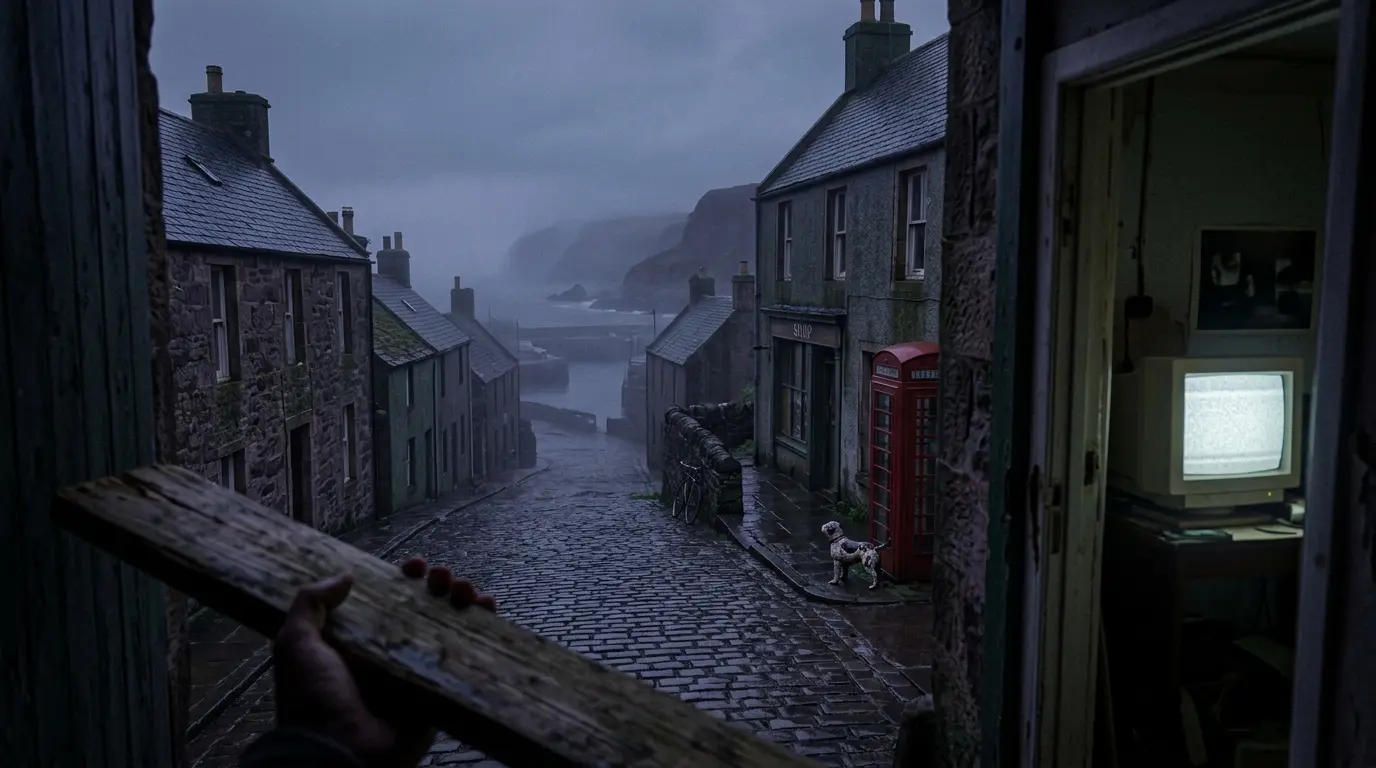
Westmarch is one of the clearest examples of that change. Blizzard described the returning location as an outpost of Hell, where few humans have avoided bowing to Diablo or becoming cultists. Some humans have become Dread Commanders who wield power associated with the Dukes of Hell, while the terrain itself is set to change as players revisit areas.
The world-design presentation reinforced the same theme. Wat confirmed that procedural generation will apply to both dungeons and the overworld. The intended effect is that prior knowledge of a route, landmark, or Elite encounter may not be useful when a player returns to a region. Blizzard presented unpredictability as a source of tension and as a central part of exploring a Sanctuary altered by Diablo’s victory.
Per-Announcement Breakdown
Story and Westmarch: Blizzard said Diablo 5 begins after Sanctuary’s destruction, with Diablo already in control. The team described Diablo as more than a final boss in this installment, with his presence influencing the world and story from the beginning. Players will return to Westmarch, now portrayed as a place overtaken by Hell and populated by survivors, cultists, and Dread Commanders.
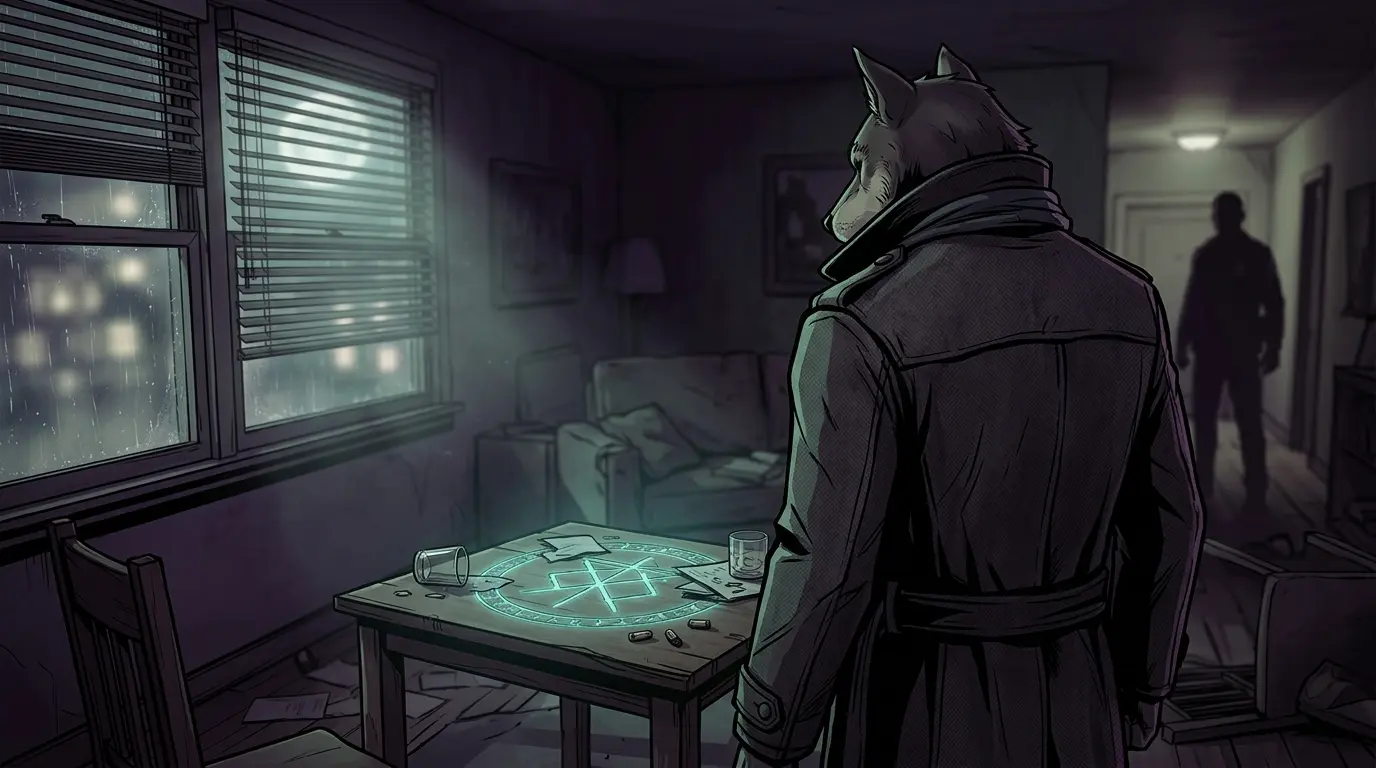
Confirmed classes: The panel confirmed the return of the Demon Hunter and Monk, alongside the new Plague Knight. Blizzard described the Plague Knight as a heavily armored class that spreads disease across the battlefield and then consumes that disease for power. These are the only classes the team confirmed during the presentation.
Shely said Diablo 5 is planned to launch with more classes than any previous Diablo entry had at launch, and more classes in total than any Diablo game has offered across its lifespan. No specific total or additional class names were announced. Inven Global’s panel coverage likewise identified the Demon Hunter, Monk, and Plague Knight as the classes revealed so far, rather than a complete roster.
Procedural worlds: Blizzard confirmed that procedural generation is returning for dungeons and the overworld. Wat explained that revisiting a region may present different terrain, routes, landmarks, and Elite encounters. The stated design goal is to ensure that players cannot rely entirely on information gained during a previous trip through the same area.
Itemization and inventory: Blizzard presented itemization as an early work in progress. The team showed concept art for the inventory screen and confirmed that gear-based sets are returning. It also confirmed multi-slot items, meaning some items will take up more than one inventory slot.
Shely compared the intended itemization experience to learning a city: players should be able to find something appealing quickly, while those who spend more time mastering the system can discover more detailed ways to shape builds. Blizzard also said it has solutions in mind for controller players who may be concerned about handling larger or more complex items, though the panel did not demonstrate those solutions.
Development updates: Zitterman said Blizzard plans to begin sharing regular updates on Diablo 5’s development in 2027. The panel did not specify whether those updates will arrive through livestreams, blog posts, future BlizzCon presentations, or another format. What Blizzard did make clear is that it wants feedback during development, not solely after the game is released.
Much remains unspecified. Blizzard has not shared a full class roster, a finished loot loop, or a detailed explanation of how its controller-focused inventory solutions will work. The panel established Diablo 5’s broad direction: a fallen Sanctuary, Diablo’s presence from the outset, procedural dungeons and overworld regions, and an itemization system still being assembled as development continues toward spring 2029.