The Forza Horizon 6 Japan map is no longer a rumor. Playground Games officially confirmed the setting, revealed the full map in spring 2026, and delivered what many fans consider the series’ most ambitious open world yet. The game has already made a strong impression at launch, earning recognition as one of the highest-rated games of 2026 and posting impressive Steam launch numbers. This article breaks down every confirmed detail about the map, what makes it distinct, and why it resonates so strongly with both longtime fans and newcomers.
What Has Been Officially Confirmed About the Forza Horizon 6 Japan Map
The Japan setting is fully confirmed and no longer speculative. Playground Games unveiled the complete map in May 2026, and the picture it paints is detailed and specific. Here is what official sources have locked in.
- Confirmed setting: A condensed version of Japan centered on Tokyo and the surrounding countryside, blending urban, rural, coastal, and alpine regions into one continuous world.
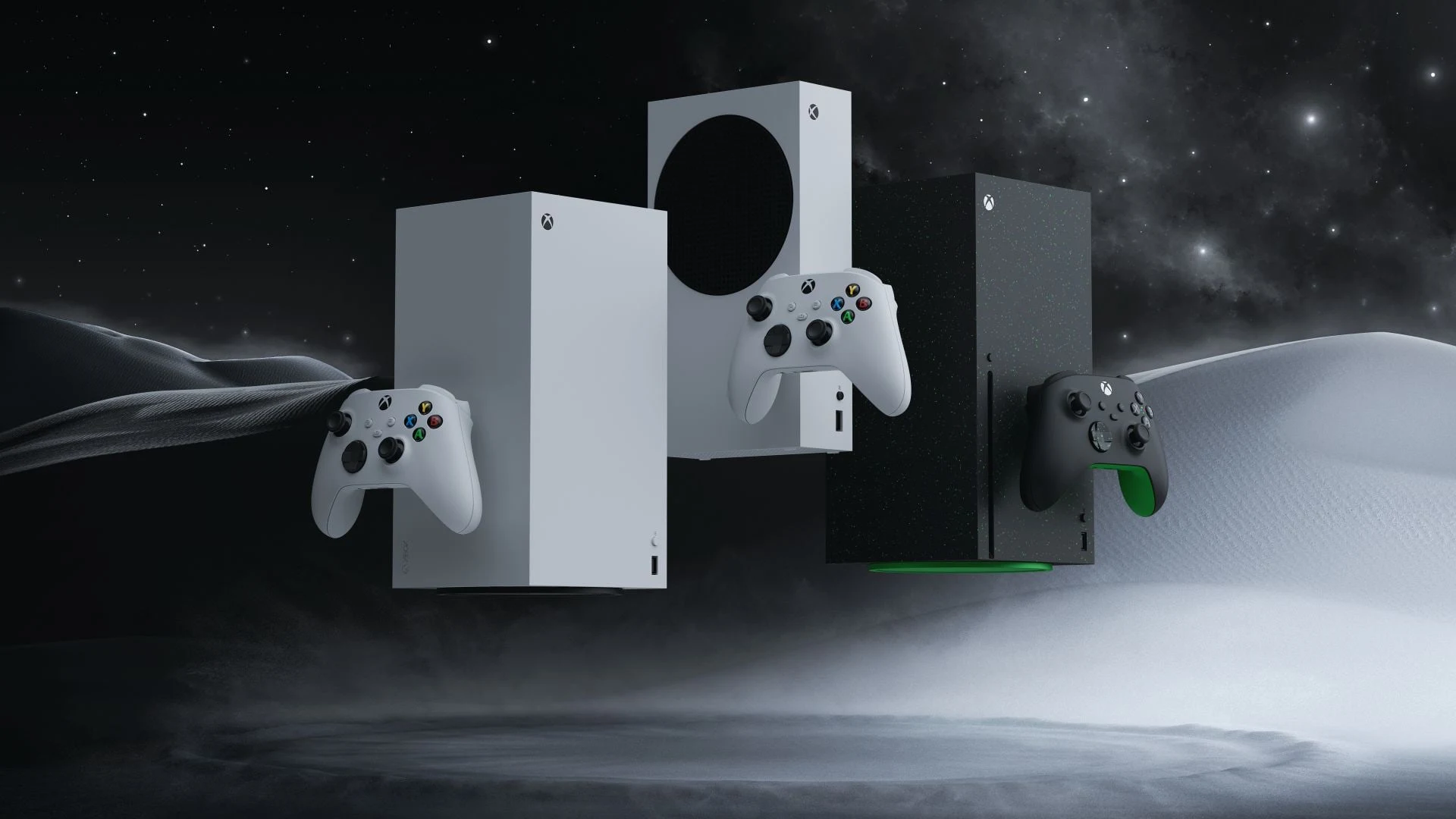
- Confirmed launch date: May 19, 2026, for Xbox Series X|S, PC (Microsoft Store and Steam), Xbox Cloud Gaming, and Game Pass. Premium Edition early access began May 15.
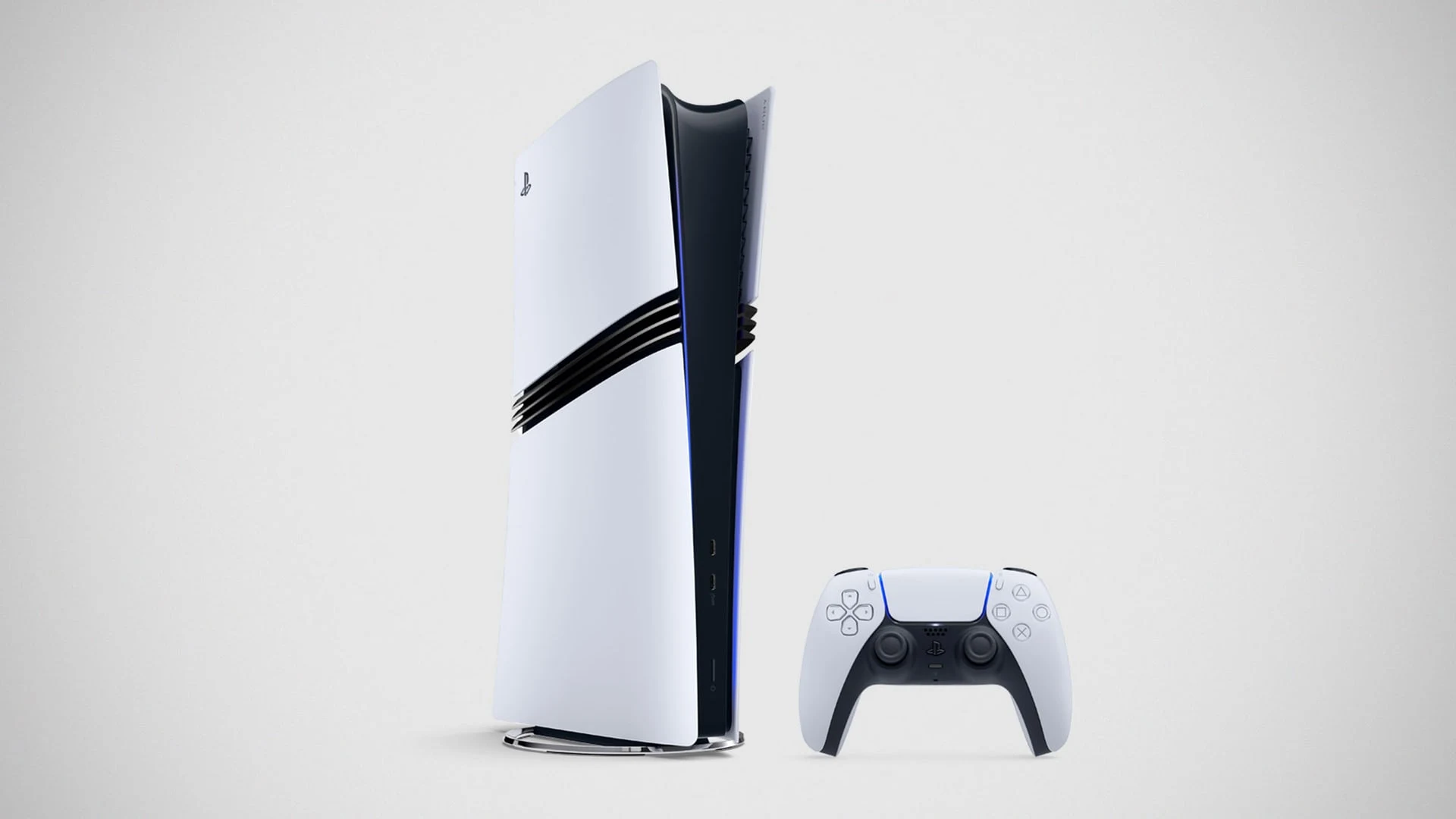
- Confirmed platforms: Current-gen only. No Xbox One version exists. A PlayStation 5 release is planned for later in 2026.
- Confirmed map description: Playground describes it as the “biggest and most dense map ever” in the Horizon series, with more roads and points of interest per square kilometer than any previous entry.
- Confirmed landmarks: Routes inspired by Tokyo’s C1 loop, Ginkgo Avenue (Meiji Jingu Gaien), mountain passes based on Mt. Haruna and Bandai Azuma, and views of Mount Fuji.
- Confirmed map structure: Elevation-based biomes replace the hard regional slices used in past games, creating smoother transitions from coastal areas through rural plains up to alpine terrain.
- Confirmed city layout: Tokyo is divided into multiple distinct districts, including residential suburbs, an industrial island, and a downtown zone featuring Shibuya and Akihabara.
Key takeaway: Every major element of the Forza Horizon 6 Japan map has been officially confirmed. There is no longer a gap between rumor and fact on the core setting or map structure.
Why Fans Waited Years for a Japan Setting
Japan has consistently ranked as the most-requested location in Forza Horizon history. The appeal is obvious: the country offers dense urban expressways, tight mountain touge roads, legendary car culture, and visually striking seasonal scenery, all of which fit the Horizon formula perfectly. For years, the question was not whether Playground would eventually go to Japan, but when.
The road to confirmation involved a mix of long-standing community speculation and more concrete signals. In August 2025, reports from Windows Central and other outlets pointed to an official Japanese location, partly based on a Kei car scanning post on Instagram that was later deleted. Those signals proved accurate. You can review some of the early leak details that circulated on SteamDB for further context on how the pre-announcement picture came together.
When Playground Games finally committed to Japan, the team was direct about why the timing mattered. An IGN interview published September 25, 2025 quoted the developers saying Japan was delayed until the team felt it could “do it justice,” signaling a deliberate choice to wait rather than rush a setting that carries real cultural weight. That decision framed the entire pre-launch conversation: this was not just another map reveal, it was the payoff for a years-long ask from the community.
Fan enthusiasm is a starting point, not a confirmation. The Japan setting only became fact when Playground announced it officially at TGS 2025. Prior leaks and social posts, however accurate they turned out to be, were not official confirmation until that moment.
What the Forza Horizon 6 Japan Map Includes
The confirmed map covers a wide range of environments, and each region has a specific character that shapes how driving feels within it.
Tokyo: The Core Hub City
Tokyo anchors the entire forza horizon 6 japan map and is described as the most detailed and multi-layered urban environment in the series to date. The city is split into three distinct zones. Quiet residential suburbs feature bike lanes and school zone markings that give them a lived-in, neighborhood feel. An industrial district sits on its own island, separated from the main city and offering a distinct visual identity. The downtown core, including Shibuya and Akihabara, layers corporate signage, nightlife zones, and Horizon Festival branding into a dense, energetic space.
The Horizon Festival itself is woven directly into the downtown layout, with banners, event signage, and infrastructure that make the city feel like it is genuinely hosting a global motorsport event rather than just serving as a backdrop.
Expressways and JDM Meet Culture
Playground specifically highlights routes inspired by the C1 loop, Tokyo’s famous elevated expressway circuit that has long been part of Japanese car culture mythology. Alongside this, the map includes a recreation of the iconic Daikoku-style meet-up area, giving players a dedicated space for cruising and car-meet culture within the same region. These two elements together make the expressway section one of the most culturally specific areas any Horizon game has attempted.
Mount Fuji and Touge Passes
The mountain region delivers the touge experience that fans have been asking for since the earliest days of the series. Multiple passes inspired by Mt. Haruna and Bandai Azuma create tight switchback sequences with significant elevation changes, making them natural fits for drifting events and time attack runs. Mount Fuji vistas frame the region visually, grounding it in a recognizable Japanese landscape. Routes inspired by Ginkgo Avenue (Meiji Jingu Gaien) add tree-lined boulevard driving with strong seasonal visual potential.
Rural Japan and Coastal Areas
Beyond Tokyo and the mountains, the map spreads into rural towns, rice fields, farm roads, and small local highways that Playground describes as showcasing the “less well-known rural and mountainous regions of Japan.” The coastal areas at lower elevations offer ocean views and rock formations, while rural plains sit in the midlands between the city and the alpine zones. Micro-variations within each biome ensure that areas feel distinct rather than repeating the same visual template.
How the Japan Map Changes Forza Horizon Gameplay
The forza horizon 6 full map is not just bigger. Its structure changes the rhythm of driving in meaningful ways compared to previous entries.
The most immediate shift is road type diversity. Past Horizon maps often leaned toward one dominant feel, whether the wide-open highways of Mexico or the varied terrain of Britain. Japan compresses multiple road characters into a single world: urban grid streets, elevated expressways, tight mountain switchbacks, open coastal roads, and narrow rural lanes all exist within driving distance of each other. That variety means route selection matters more than it ever has.
- Touge passes shift the drift and precision driving meta toward technical, narrow roads rather than open parking lots or airfields.
- Urban expressways inspired by the C1 loop reward clean, high-speed navigation rather than raw top-end power.
- Rural roads open up point-to-point racing through scenery that looks and feels different from anything in Forza Horizon 5.
- The industrial island district creates a self-contained zone suited to technical sprint events.
- Elevation-based biome transitions mean that driving from coast to alpine is a gradual, visual journey rather than a hard cut between regions.
The decision to drop Xbox One support directly enables this density. Without last-gen constraints, Playground pushed object density, traffic complexity, foliage depth, and urban layering to a level that would not have been achievable on older hardware. The forza horizon 6 map japan is, in practical terms, a product of what current-gen hardware makes possible rather than simply a creative choice in isolation.
What Has Not Been Confirmed Yet
The core map details are confirmed, but several specifics remain publicly unaddressed as of the time of writing.
- The full interactive map with every road, speed zone, and point of interest labeled has not been officially published in detail.
- The complete car list has not been fully confirmed, beyond the emphasis on Japanese car culture in marketing materials.
- Specific details about the season system and how seasonal changes will affect individual biomes have not been laid out in full.
- The exact scope of post-launch content, DLC map expansions, or additional regions beyond the base Japan world is unconfirmed.
- Precise map size comparisons to Forza Horizon 5 in measurable terms have not been officially stated, despite the “biggest and most dense” description.
- Full details on race track layouts, forza horizon 6 race tracks, and event distribution across the map have not been published in a complete form.
Leaks and social media posts are not confirmation. Unless a claim traces back to an official Playground Games, Xbox, or Forza.net source, it should be treated as speculation until verified.
How to Track Forza Horizon 6 Japan Map Updates Without Falling for Rumors
Now that the game has launched, ongoing updates about new content, map additions, and seasonal events will continue to roll out. Knowing where to look keeps you ahead without wasting time on misinformation.
- Forza.net: The official source for map reveals, patch notes, seasonal content, and developer posts. This is where the full map was confirmed in May 2026.
- Xbox Wire: Microsoft’s official blog for major announcements, showcase recaps, and platform news tied to FH6.
- Playground Games social accounts: Official channels on X and YouTube carry trailers, feature breakdowns, and dev commentary directly from the studio.
- Xbox YouTube channel: Developer Directs and showcase streams are uploaded here and represent verified, first-party information.
- Trusted gaming press: Outlets that attend press previews and cite named developers or official materials, not anonymous sources or community posts.
Pro tip: Before trusting a leak or screenshot, verify that it comes from an official Forza or Xbox source. A convincing image shared on social media is not the same as a Forza.net post or an Xbox Wire announcement.
If you are weighing whether Game Pass remains a worthwhile way to access FH6 and future content drops, it is worth checking an honest breakdown of whether Xbox Game Pass is still worth it in 2026 before committing.
Frequently Asked Questions
Where in Japan is the Forza Horizon 6 map set?
The forza horizon 6 japan map is centered on a condensed version of Tokyo and the surrounding countryside. It extends outward to include coastal areas, rural plains with rice fields and farm roads, and alpine regions with mountain passes. The city itself covers multiple districts, including Shibuya and Akihabara in the downtown core, a residential suburb zone, and a separate industrial island district.
Is Mount Fuji actually in Forza Horizon 6?
Yes. Mount Fuji is confirmed as part of the map’s mountain region. The area surrounding it includes touge-style passes inspired by real locations such as Mt. Haruna and Bandai Azuma, with tight switchbacks and elevation changes designed to support drifting and technical driving events.
Will Forza Horizon 6 have something like Mount Akina?
The game includes mountain passes inspired by real Japanese touge locations, including Mt. Haruna, which is closely associated with the Mt. Akina name familiar to fans of Japanese car culture. Playground has not explicitly named a Mount Akina recreation, but the passes in the mountain region are clearly designed to evoke that style of tight, elevation-heavy touge driving.
How does the Forza Horizon 6 map compare to Forza Horizon 5?
Playground describes the forza horizon 6 map as the biggest and most densely packed in the series’ history, with more roads and points of interest per square kilometer than any previous entry including Forza Horizon 5. The shift to elevation-based biomes rather than hard regional slices also creates a more seamless feel when moving between environments.
Is Forza Horizon 6 available on PlayStation 5?
A PlayStation 5 version is planned for later in 2026, continuing the multiplatform direction that Forza Horizon 5 established. The game launched on May 19, 2026 for Xbox Series X|S, PC via the Microsoft Store and Steam, Xbox Cloud Gaming, and Game Pass, with Premium Edition early access from May 15.
What makes the Forza Horizon 6 city design different from past Horizon games?
Tokyo in FH6 is described as the most detailed and multi-layered urban environment in the series. It is divided into distinct districts with their own character, from quiet residential suburbs with bike lanes to the layered corporate and nightlife zones of Shibuya and Akihabara. The Horizon Festival is also embedded directly into the downtown layout through banners, signage, and event infrastructure, making the city feel actively inhabited by the festival rather than simply decorated.
The Bottom Line on the Forza Horizon 6 Japan Map
The forza horizon 6 japan map is real, confirmed, and already in players’ hands. What Playground has built is the series’ most ambitious open world to date, combining a densely layered Tokyo with touge mountain passes, coastal biomes, and rural countryside that collectively represent Japan in a way the community spent years asking for. The decision to go current-gen only gave the studio the technical headroom to deliver on that ambition at a level previous hardware could not have supported. For ongoing news about seasonal content, map updates, and post-launch additions, keep your attention on official Forza and Xbox channels rather than community speculation.