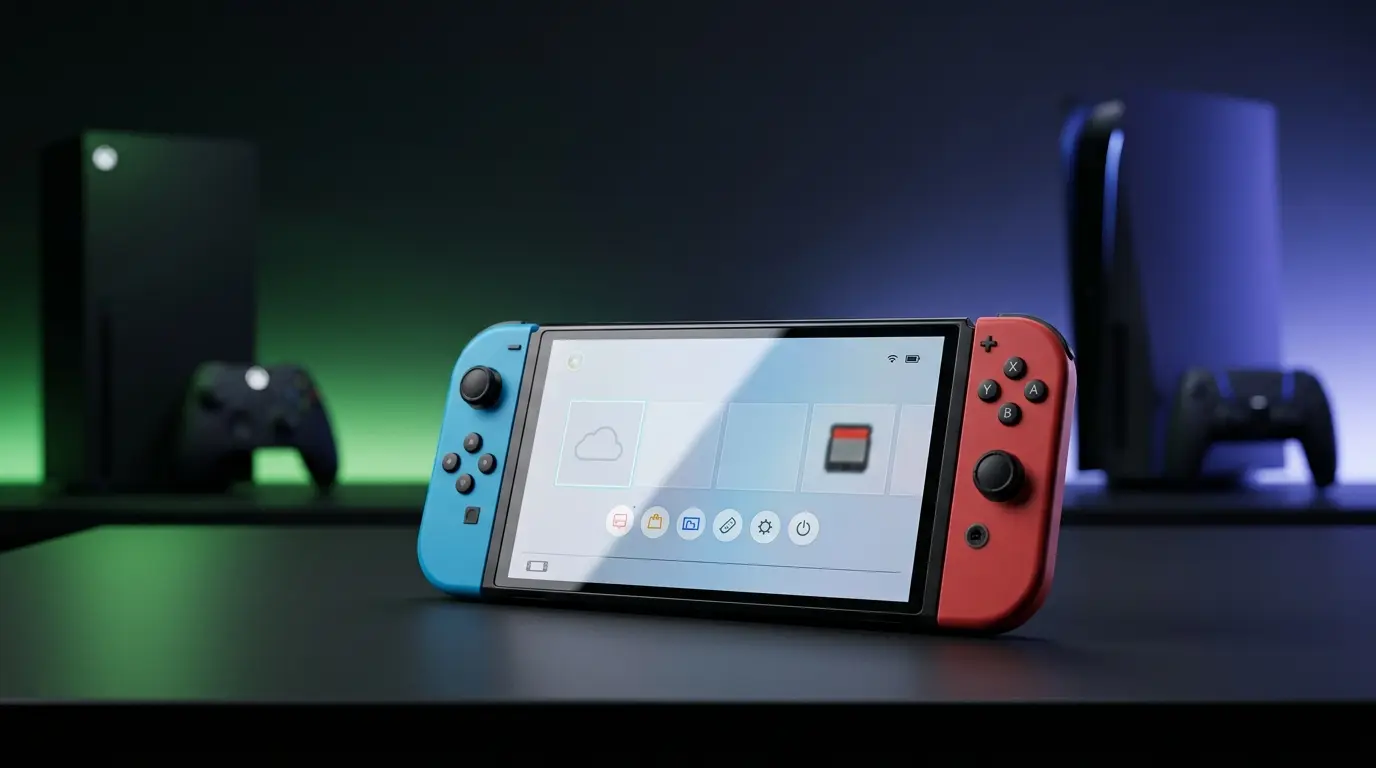
Microsoft has seriously considered spinning off its Xbox division into a separate entity or subsidiary structure, according to a report from The Information, with the discussions explicitly framed around making the gaming business easier to sell if needed. The report lands at a moment when Xbox is already in the middle of a visible internal reset – one that has touched everything from first-party publishing priorities to headcount – and it raises the sharpest question yet about whether Microsoft sees gaming as a core business or a candidate for separation.
Here’s the context: The idea of an independent Xbox is not new. As far back as 2013, analysts were already floating the concept of an “Xbox Corporation” valued at roughly $17 billion, per Bloomberg reporting cited at the time, with the argument that a CEO transition at Microsoft could open the door to a breakup. What has changed is the internal pressure behind the idea. In fall 2023, Microsoft reportedly set a 30% profit margin target for Xbox – a figure that sits well above the game industry’s typical range of 17% to 22% – signaling that leadership was no longer willing to treat gaming as a strategic platform investment that could run thin margins indefinitely. That posture has translated into a series of concrete moves: layoffs across Xbox studios, marketing budget cuts, and a narrowing of first-party ambitions toward flagship franchises like Halo, Elder Scrolls, and Fallout rather than a broad portfolio play. Our coverage of Xbox’s ongoing strategy reset has tracked this shift in real time, and the spin-off report fits cleanly into that pattern. It also follows Microsoft‘s move to bring in outside strategic expertise as it works through what the platform’s future actually looks like.
Honestly, the spin-off framing is worth taking seriously precisely because of how it’s being described internally. Structuring a division to be “easier to sell if needed” is not a sign that a company is optimistic about a business – that’s corporate-speak for hedging against a future where the numbers still don’t add up. Microsoft spent $68.7 billion to acquire Activision Blizzard, and while that acquisition is now fully resolved legally, the integration hasn’t translated into the kind of margin improvement that would make the 30% target feel achievable in the near term. The pivot to prioritizing Halo, Elder Scrolls, and Fallout over a wide slate makes financial sense on paper, but it also means Microsoft is concentrating its bets rather than expanding the platform – which is the behavior of a company managing for profitability, not market share. The spin-off discussion could be a genuine strategic option, a negotiating tool for internal budget conversations, or a signal being deliberately leaked to apply pressure. What it is not, despite any reassuring language that may follow from Microsoft communications, is evidence that everything is fine.
What remains unclear is whether these discussions ever moved beyond internal modeling into any kind of formal proposal, and whether the reported subsidiary structure would preserve Xbox‘s integration with Microsoft‘s broader ecosystem – particularly Game Pass, Azure cloud infrastructure, and PC distribution – or sever those ties in meaningful ways. It’s also unknown how the Activision Blizzard catalog factors into any separation scenario, given how recently and expensively those assets were acquired. The next concrete signals to watch are Microsoft‘s upcoming earnings disclosures, any summer restructuring announcements that confirm the scale of layoffs, and whether Game Pass pricing or first-party release cadence shifts in ways that reflect a division being prepared for independence rather than growth.
Would a spun-off Xbox actually be better positioned to compete, or does separation from Microsoft‘s infrastructure remove the advantages that make Game Pass viable at scale? And does the reported 30% margin target suggest Microsoft is serious about fixing Xbox‘s economics, or that leadership has already quietly decided the division doesn’t fit the portfolio long-term? Sound off in the comments below, and keep your eyes on GameLuster for more Xbox and Microsoft gaming coverage.