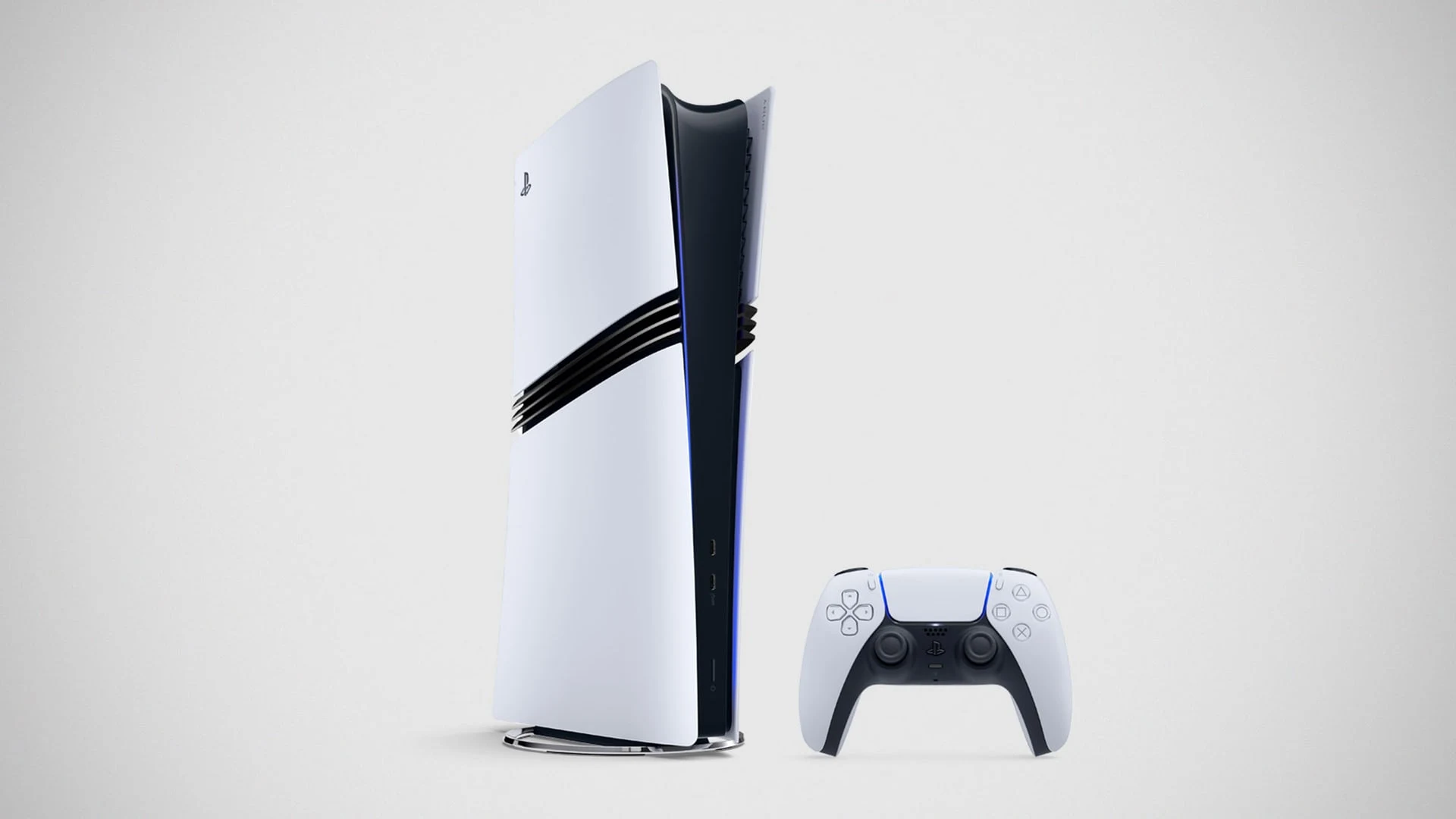

Sony has launched a new beta Welcome Hub widget for the PS5 that surfaces the top ten most-played games by country alongside weekly unique player counts – and the first real data out of the US, as reported by Push Square, makes for genuinely uncomfortable reading if you’ve ever argued that single-player games are what PlayStation is really about. Fortnite leads with 14.6 million weekly players in the US alone – nearly three times the 5.13 million pulling up GTA 5 in second place.
For context, those numbers are weekly unique players – any account that booted the game at least once over seven days – rather than the concurrent user figure Steam publishes. Even so, the gap between the live-service titans and everything else is staggering: Minecraft (4.97m), Call of Duty (4.95m), Apex Legends (1.72m), Marvel Rivals (1.58m), Battlefield 6 (1.51m), and ARC Raiders (972k) round out the visible US top eight – and every single one of them is a live-service title with a perpetual content cycle. That directional consistency lines up with Circana’s own weekly active user tracker, which has flagged the same franchises at the top of cross-platform engagement charts for years.

Honestly, the part that stings most isn’t the Fortnite number – everyone knew that – it’s GTA 5 and Minecraft still commanding five million players a week each on PlayStation hardware more than a decade after launch. That’s not nostalgia; that’s a permanent, self-sustaining audience that no new release is going to dislodge. And when you factor in that microtransactions now account for almost 30% of Sony‘s record-breaking revenue, the strategic logic behind chasing live-service development becomes very hard to dismiss – even if the execution has been a disaster. Sony has burned through studios, cancelled projects, and frustrated its core fanbase in pursuit of a slice of this market, as we covered in the context of Sony’s $560 million Bungie write-down – a reminder that understanding what players engage with and actually building something that competes with Fortnite are two very different problems.
What the tracker doesn’t yet tell us is whether these counts aggregate PS4 and PS5 players together or isolate the current generation – a methodological gap that could meaningfully shift how you read any individual title’s share of the audience. Sony hasn’t confirmed a wider rollout date for the feature beyond its current beta status, but once it goes platform-wide, it will effectively become a public leaderboard that every new live-service launch – including whatever Sony‘s first-party studios attempt next – gets measured against in real time. Given how Sony’s PS Plus strategy is already being shaped by engagement data, it’s a reasonable bet that these weekly charts will start influencing which projects get greenlit and which get quietly shelved.
Does seeing the actual player numbers change how you think about Sony‘s obsession with live-service games – or does the gap between strategy and execution still feel too wide to excuse? And should platforms like PS5 be publishing this kind of engagement data publicly, or does it risk turning gaming into a popularity contest that squeezes out anything that isn’t Fortnite? Sound off in the comments below, and keep your eyes on GameLuster for more PS5 and PlayStation coverage.