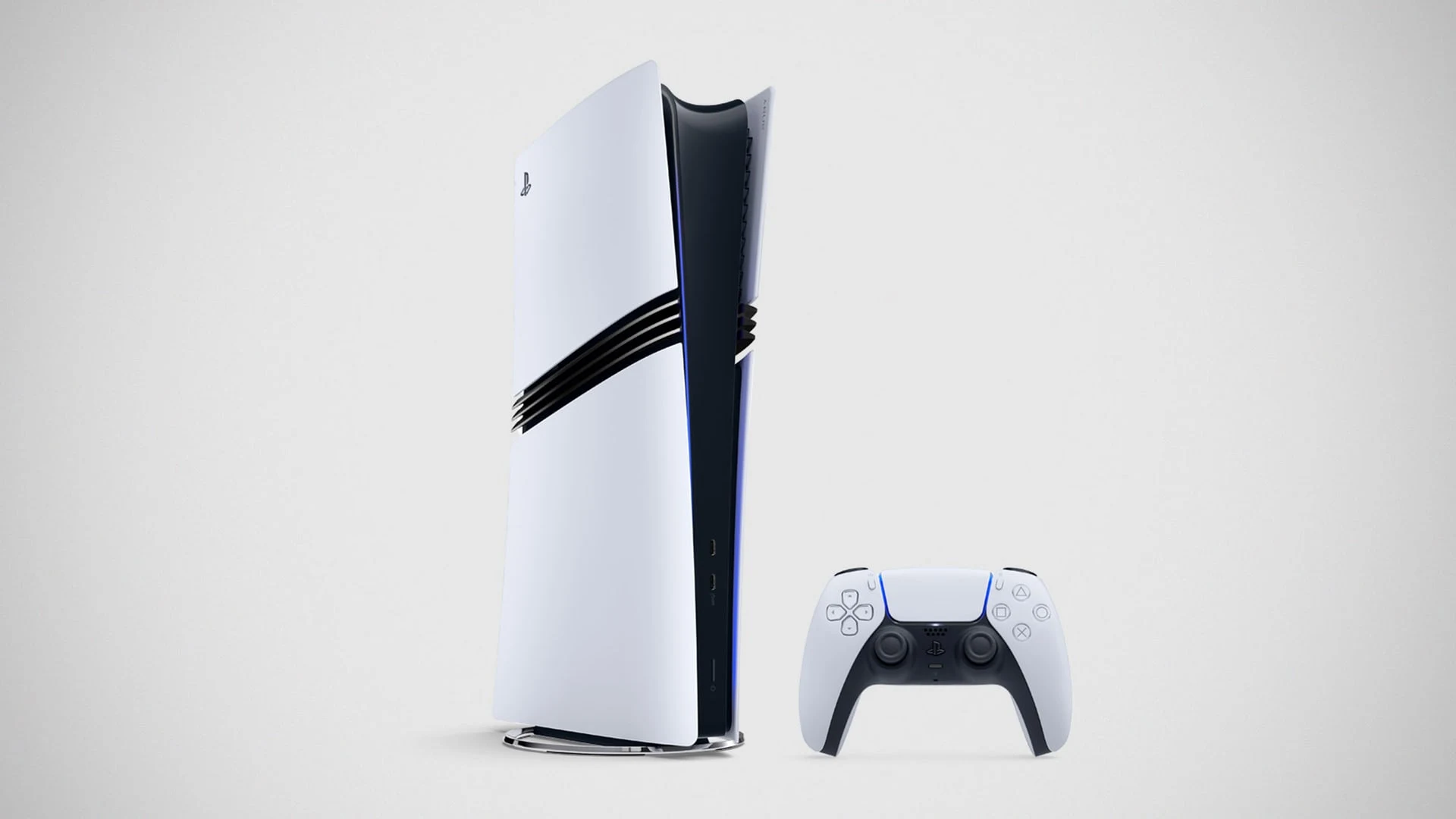

During the company’s third-quarter financial results, Sony CFO Lin Tao confirmed that Sony has secured the minimum quantity of memory necessary to manage the year-end selling season through its next fiscal year, positioning PS5 manufacturing to avoid supply disruption through the 2026 holiday season. At the same time, Tao made clear that the company intends to minimize the impact of increased memory costs by prioritizing monetization of the installed base and expanding software and network services revenue, as reported by Wccftech.
Here’s the context: Memory costs have been a growing pressure on consumer electronics manufacturers, with Sony already implementing staggered PS5 price increases across 2025 – first in Europe, the UK, and Australia in April, then in the US in August. The question heading into 2026 was whether another hardware price hike was coming, and whether PS5 availability would tighten further around a period of elevated console demand.
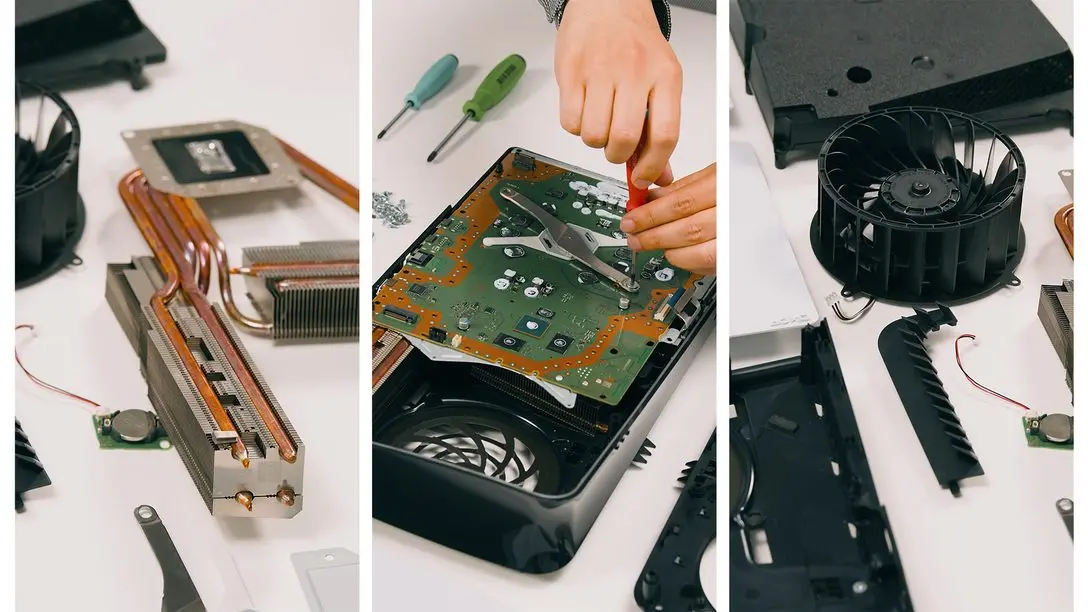
What Tao’s statement confirms is that Sony has insulated its 2026 manufacturing pipeline from the supply side of the equation. Tao stated directly:
As for securing a supply of memory, we are already in a position to secure the minimum quantity necessary to manage the year-end selling season of next fiscal year. Going forward, we intend to further negotiate with various suppliers to secure enough supply to meet the demand of our customers.
The supply security is real but narrow in scope. Sony not running short of RAM chips is good news for anyone planning to buy a PS5 in 2026. But Tao’s framing was precise in a way worth paying attention to: the company intends to minimize the impact of increased memory costs by prioritizing monetization of the installed base and expanding software and network services revenue. Tao added:
Given the stage of our console cycle, our hardware sales strategy can be adjusted flexibly, and we intend to minimize the impact of the increased memory costs on this segment going forward by prioritizing monetization of the installed base to date and striving to further expand our software and network services revenue.
That is corporate language for leaning harder on the people who already own the console – through higher game prices, adjusted PlayStation Plus pricing, or both. Sony already raised PS Plus subscription prices in April 2025 and, in June 2025, signaled that it would continue to adjust its pricing strategy in a dynamic way to maximize profitability for PlayStation Plus.
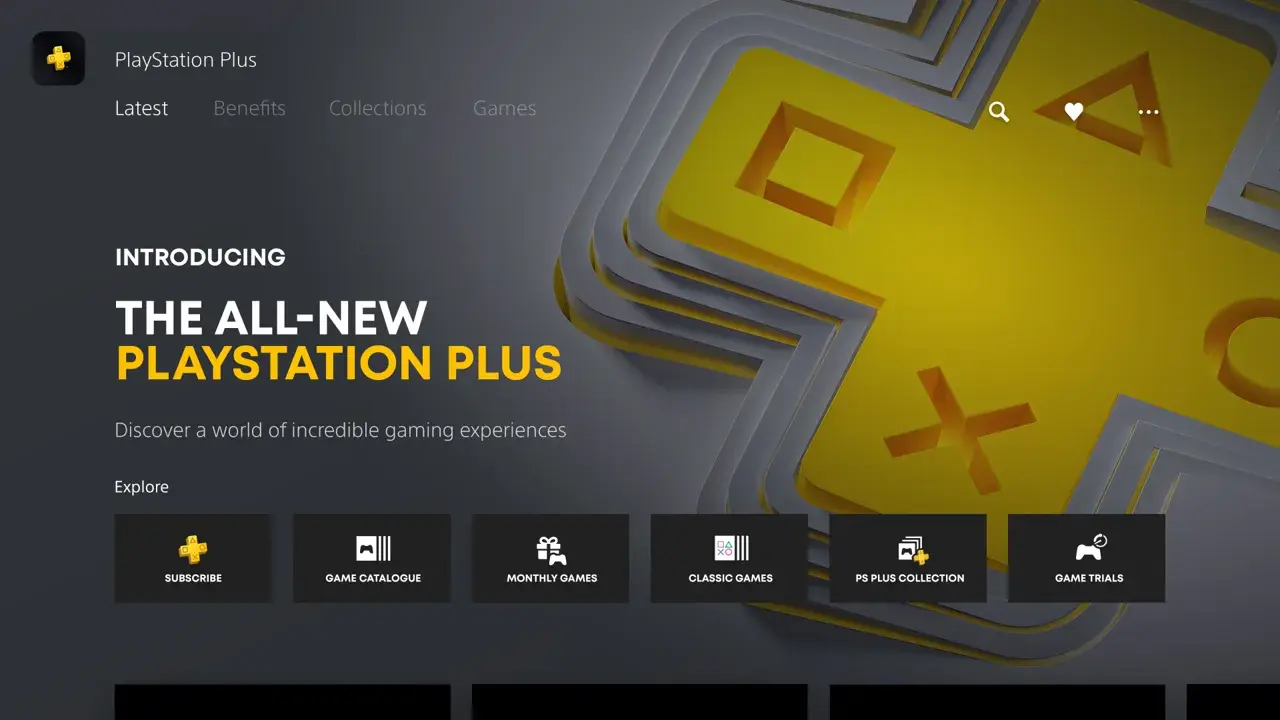
The community reading of this is essentially correct. Hardware availability is being protected in part by shifting margin expectations toward software and services. Whether that means higher first-party game prices or another PS Plus tier adjustment isn’t specified, but the direction of travel is not ambiguous. Supply security for PS5 hardware is meaningful for consumers planning purchases in 2026, but it does not neutralize the cost pressure that may land on them through other channels.
What remains unclear is whether memory prices will stay elevated into Sony‘s following fiscal year, which would force another round of procurement negotiations. Sony has indicated it intends to continue negotiating with suppliers to secure enough supply to meet customer demand, but the longer-term trajectory of memory costs and their effect on consumer pricing remains an open question that future earnings calls and retail reporting will need to address.
Do you think another PlayStation Plus price increase is inevitable this year, or is Sony more likely to push costs through first-party game pricing instead? And does supply security change your plans around picking up a PS5 in 2026? Let us know in the comments.