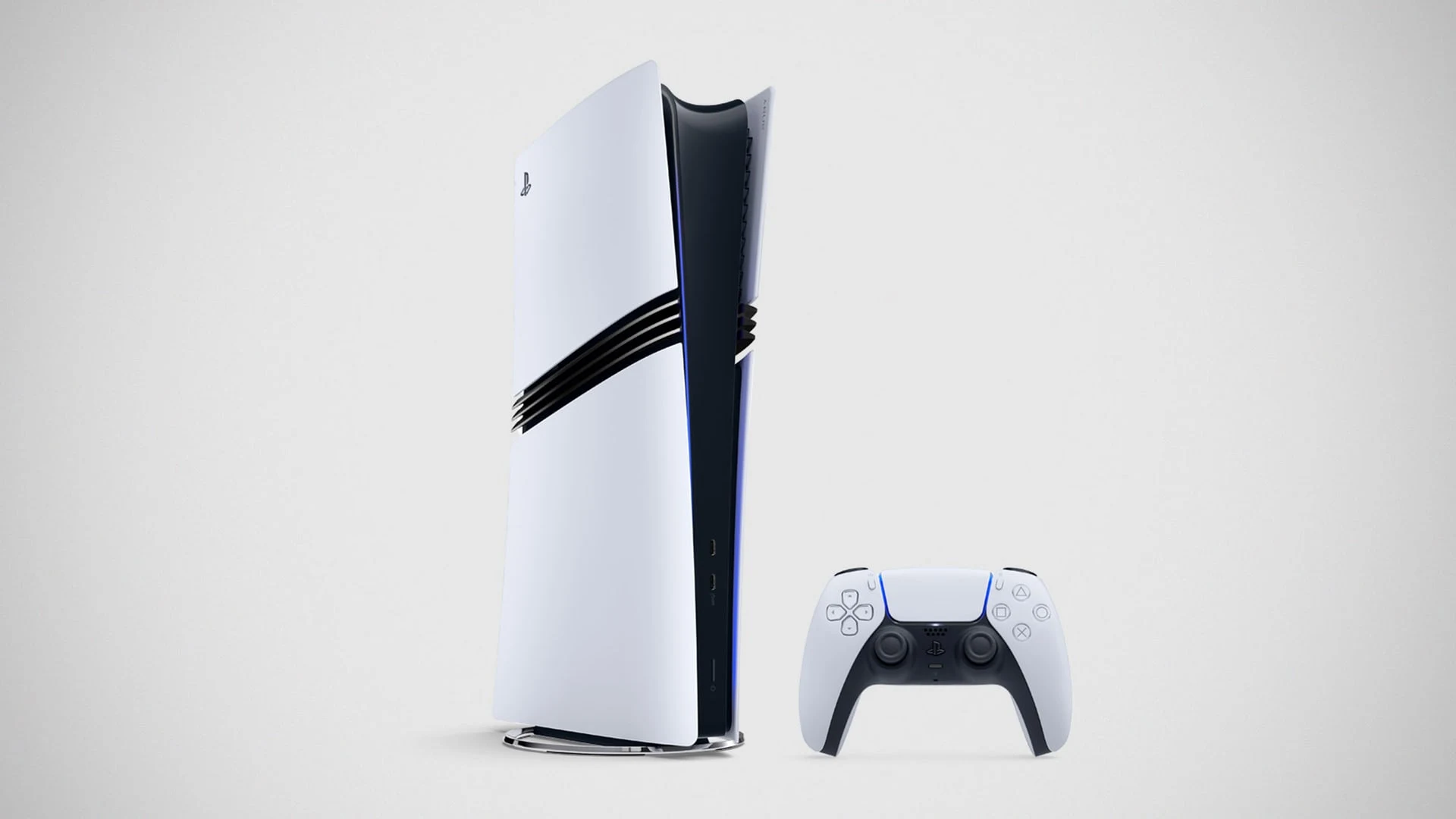
Sony has outlined a vision for the next PlayStation platform that explicitly moves away from spec-for-spec competition with gaming PCs, instead positioning PS6 as a flexible ecosystem built around a distinctive PlayStation experience that extends beyond the living room TV, per investor Q&A summaries and executive comments reported by Push Square and Digital Foundry.
Here’s the context: Sony has been threading the same needle for several years – pushing PlayStation onto PC, mobile, and cloud while insisting the console remains the centre of the business. Hideaki Nishino told Nikkei that PC is an adjacent market for reach extension, not a rival, and internal analyst projections put PlayStation PC game revenue at roughly $450 million annually – a meaningful contributor, but firmly secondary to console hardware and software. That framing held even as Sony‘s PC port cadence picked up through the PS4 and early PS5 era.
The more significant shift is what’s reportedly happening inside PlayStation Studios. As we covered in our breakdown of Sony’s returning Only on PS5 branding, the company has been visibly tightening its exclusivity posture heading into the back half of the PS5 cycle. Now, reporting from Jason Schreier and commentary from Digital Foundry‘s John Linneman describes a more formal internal directive: first-party single-player titles will no longer release on PC at all going forward, while live-service games like Helldivers 2 continue to launch simultaneously across platforms.
Honestly, this is a cleaner strategic read than anything Sony has communicated publicly in years. The PC port era was never really about converting PC users into PlayStation fans – it was a late monetisation window for catalogue titles. What this new positioning actually signals is that Sony wants PS6 to be something you can’t replicate on a Steam build: a curated, hardware-tied experience where the games, the peripherals, and the platform itself are inseparable. That’s a fundamentally different pitch from “our console is also a good gaming PC for the couch.”
The “beyond the living room” framing is more than marketing language. Sony has already been seeding the infrastructure: PlayStation-branded monitors and PULSE speakers are designed to break the TV dependency, and the PS Portal‘s performance has reportedly surprised Sony internally, validating demand for flexible, non-TV-bound play. Investor Q&A summaries describe PS6 as a platform that could blend console, handheld-style access, and cloud streaming – an ecosystem rather than a box. No dedicated handheld has been confirmed, but the repeated “beyond the living room” language is doing a lot of work in that direction.
It’s also worth noting what Sony is not worried about. On a recent shareholders call, the company stated it has seen no meaningful trend of users abandoning consoles for PC and does not view that migration as a major risk. PS4-to-PS5 conversion is tracking well, and PS5 owners are buying more software than their predecessors did at the same stage. That’s a confident base to build a harder exclusivity strategy from – the numbers support the posture. The question of whether re-cementing traditional exclusives can actually move console hardware at PS5 price points, or higher, is the one Sony still has to answer in the market. Locking single-player games to the box only works if the box is priced for mass adoption, and Sony‘s recent hardware trajectory has not exactly been in that direction. The broader platform shifts also connect to changes like PlayStation’s reported wind-down of physical game sales by 2028, which together paint a picture of a company restructuring how PlayStation is consumed, not just where.
What remains unclear is whether the portable or hybrid component will be a first-party device, a software-layer feature built into existing hardware like PS Portal, or something else entirely. Sony has not confirmed any PS6 hardware, launch window, or pricing, and the investor Q&A language around ecosystem design remains deliberately high-level.
What to watch: Upcoming Game & Network Services investor updates are the most likely venues for more concrete PS6 detail. If Sony follows its historical pattern, a formal platform reveal sits roughly 18 to 24 months before launch – meaning the next fiscal year’s disclosures will tell us whether this vision statement has hardware to back it up.
Does a harder return to console exclusivity make you more or less interested in the PS6 generation, or does it depend entirely on what the hardware can do that a gaming PC can’t? And if a portable component does materialise, is that enough to justify the ecosystem pitch on its own?