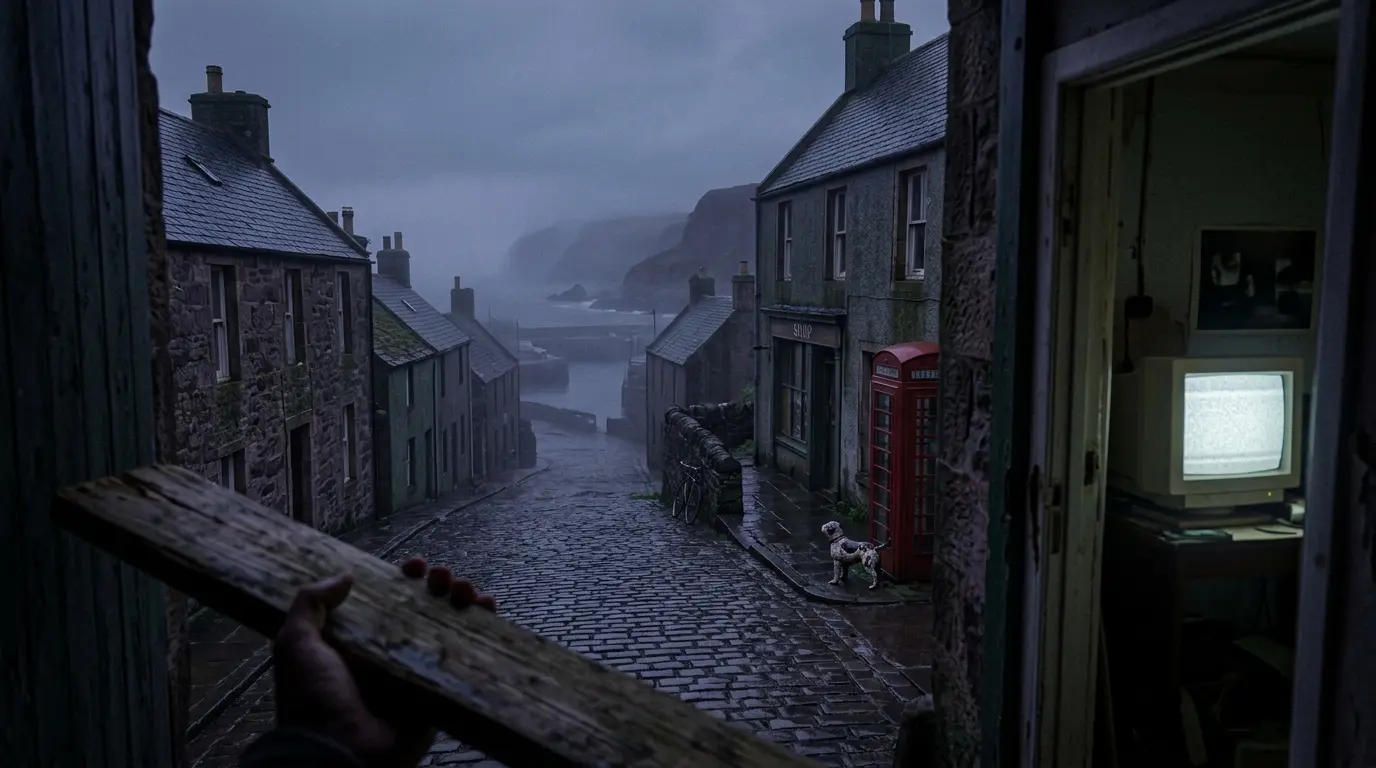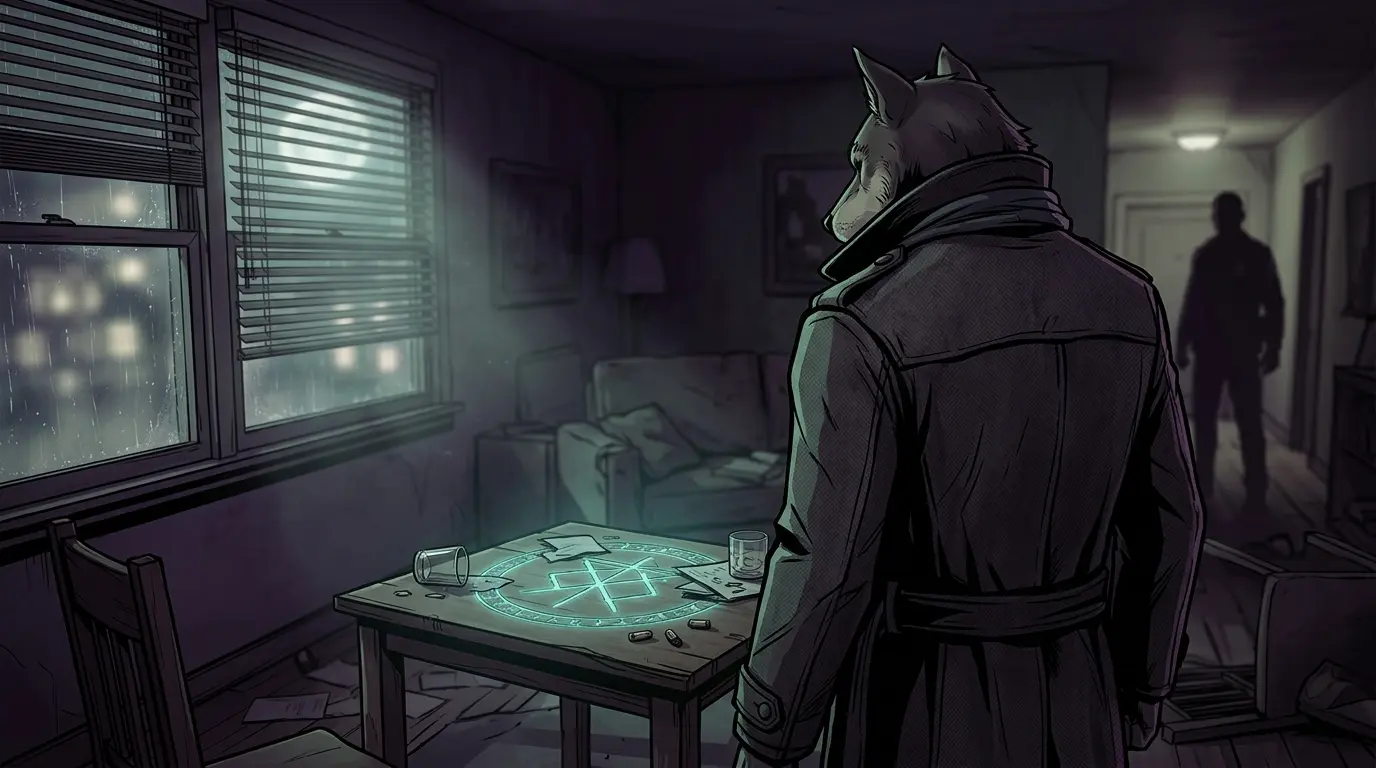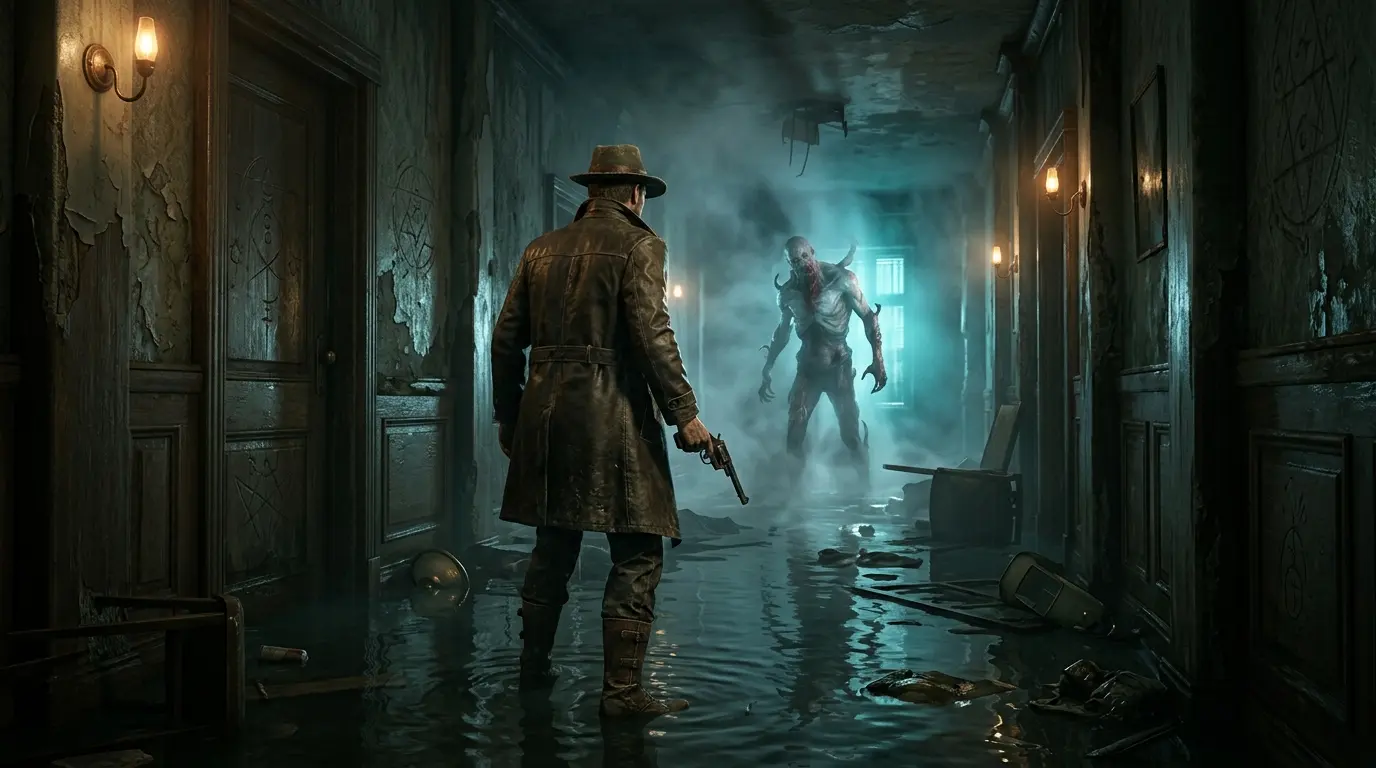

The Occultist is a 2026 first-person psychological horror game that drops players into a web of family curses, occult rituals, and resource scarcity with very little hand-holding. Beginners frequently get stuck managing ritual timing, tracking down scarce crafting ingredients, and staying calm when threats escalate. This the occultist game guide covers the core ritual combos, early crafting priorities, and survival habits you need to get through your first hours on Godstone Island. If you are new to horror-adjacent puzzle games, our list of best survival horror games in 2026 provides useful context for where this title sits in the genre.
What The Occultist Is and What Beginners Should Expect
The Occultist is a slow-burn, first-person psychological horror game developed by DALOAR and published by Daedalic Entertainment. It launched April 8, 2026, for PC, PS5, and Xbox Series X|S after a delay from its original 2025 window. Players control Alan Rebels, who travels to Godstone Island to investigate his father’s disappearance and uncovers a tangle of family curses and dark rituals. The game blends exploration, environmental puzzle-solving, and stealth-based survival into one continuous experience. There is no direct combat. Progress depends on reading the environment, finding and combining items, and knowing when to hide rather than run.

The pacing is deliberate. Early sections ask you to observe more than act, and the game rewards patience over aggression. Expect to spend meaningful time in each room scanning for clues before the path forward becomes clear.
This game is best suited for players who enjoy:
- Environmental storytelling and lore-heavy puzzles
- Stealth mechanics over action-based survival
- Inventory management with limited resources
- Atmospheric horror that builds tension through audio and visual cues rather than jump scares
- Multi-step puzzle chains where one item unlocks another
Key takeaway: The Occultist rewards careful, methodical players; if you rush, you will miss the clues that make every puzzle solvable.
How Rituals, Crafting, and Survival Systems Work
Understanding how the game’s systems connect is the fastest way to stop feeling overwhelmed. Here is the core loop in order:
- Explore and scan: Use the pendulum, called the Verisio, to detect hidden objects, spiritual residues, and environmental anomalies. The pendulum blinks rapidly when it is near a clue or item of interest.
- Collect ingredients: Items like Belladonna Extract, tissue samples, and formalin serum are scattered through specific locations. Each has a fixed spawn point, so backtracking is manageable once you know the layout.
- Craft or combine: Some items are used directly. Others must be combined in specific ways, such as thread combined with a hook to fish items from hard-to-reach spots. Ritual formulas like Dr. Saunders’ recipe require a precise set of components before they activate.
- Respond to threats: Supernatural encounters trigger without warning. Blocking doors buys time, and praying circles or cross-marked zones provide safe cover. Overusing the pendulum during a chase distorts Alan’s perception, making navigation harder.
- Solve environmental puzzles: Codes, family relics, and locked rooms gate your progress. These require combining information from multiple sources, such as a doctor’s note that reveals the safe code 61944 for retrieving the Crank Handle.
Every resource in The Occultist has one right use. Spend items on puzzles first, and survival second, because a locked door is more dangerous than a ghost you can outrun.
Alan’s health is shown visually through his left hand. A clean hand means he is healthy. A bleeding hand signals a critical state with visual blurring. There is no numerical health bar, so watching that detail closely is a core survival habit from the first minute.

Best Ritual Combos for Beginners
The Occultist does not label all its interactions as “rituals” in a traditional RPG sense, but the pendulum-based system involves distinct use modes that function as combo pairings. Here are the three most beginner-friendly approaches based on what the game’s systems support early on.

Verisio Detection for Hidden Objects
- What it does: Activates the pendulum’s detection mode to locate concealed items and spiritual residues in the environment.
- When to use it: Any time you enter a new room or feel stuck without knowing where to search next. The pendulum blinks rapidly when near a relevant clue.
- Why it works for beginners: This is the lowest-risk use of the pendulum. It produces clear feedback and does not trigger threat escalation on its own, making it the safest first habit to build.
Anomaly Tracking for Spirit Management
- What it does: Uses the pendulum to track supernatural entities and anticipate their movement patterns.
- When to use it: When you sense a temperature drop or detect a sulfur smell, both of which signal an incoming haunt. Use it to map the spirit’s location before committing to a hiding spot or escape route.
- Why it works for beginners: It converts a panic moment into an information-gathering exercise. Knowing where a threat is positioned makes the decision to hide in a praying circle or block a door much more deliberate rather than reactive.
Environmental Interaction for Ritual Barriers
- What it does: Lets the pendulum interact with ritual circles, barriers, and spiritually charged objects in the environment. This is how Alan engages with family ring puzzles, hidden compartments, and similar multi-step unlock sequences.
- When to use it: When you locate a ritual circle or a charged object that does not respond to standard interaction prompts.
- Why it works for beginners: Most early progression gates in the game use this mode. Learning it early means fewer dead ends and less time retracing steps. Crucially, limit this use away from active threat zones. Overusing the pendulum during chases distorts Alan’s perception, so reserve Environmental Interaction for calm moments.
Key takeaway: Treat Verisio Detection as your default, shift to Anomaly Tracking when threats appear, and save Environmental Interaction for puzzle moments when the area is clear.
Best Early Crafting Priorities
Resources in The Occultist are scarce and location-specific. Spending them in the wrong order sets back your progress significantly. Focus on the following priorities when you find key items.
- Secure the House Keys first: These “old and cold” keys are found near the cave and the children’s drawings. Without them, you cannot enter the main residence basement, which blocks access to critical items including the Rusted Scissors. No other crafting or combination matters until you can open that door.
- Retrieve the Rusted Scissors early: Located in either the basement workshop or the upstairs sewing room, the scissors are used to cut ropes, wires, or chains that block paths. Physical route blockages are the most common reason beginners stall mid-exploration, so having these available early removes a large category of obstacles.
- Prepare Dr. Saunders’ ritual formula: This combination requires Belladonna Extract from the apothecary cabinet, combined with tissue and formalin serum. It is a progression-critical ritual. Do not use the Belladonna Extract for anything else before assembling this formula, since the extract has no substitute.
- Use thread combined with a hook for hard-to-reach items: This inventory combo lets you fish items from locations you cannot physically access. It costs almost nothing to prepare and prevents unnecessary backtracking or wasted exploration time.
- Retrieve the Crank Handle last among early priorities: The Crank Handle is locked inside the safe that opens with code 61944, found on the doctor’s note about punishments. It operates machinery and elevators, so you need it for later sections, but nothing in the very first hour requires it immediately.
Key takeaway: Sequence your crafting around what opens doors first: House Keys, then Rusted Scissors, then Dr. Saunders’ formula, and the Crank Handle when the safe is accessible.
The Best Horror Survival Tips for Staying Alive
Surviving The Occultist is less about reactions and more about preparation. These habits reduce the number of times a threat catches you with no exit plan. For a broader perspective on survival habits in horror titles, the Road to Vostok beginner’s guide shares several principles that apply across the genre.
Read the Environment Before Moving
Every room contains audio and visual signals before a threat appears. A sulfur smell or a sudden temperature drop signals that a haunting is incoming. Use those seconds to identify your nearest safe zone, whether that is a praying circle, a cross-marked area, or a room with a door you can block. Entering a new space without scanning it first is the most common reason beginners get cornered.
Use White Crows as Navigation Markers
White crows function as environmental guides. Following them when you are disoriented often leads toward the next objective. Ignoring them wastes time and can push you deeper into dangerous territory.

Fast Survival Reminders
- Block doors immediately when a threat is active; it slows ghost pursuit and gives you time to reach a safe zone.
- Praying circles and cross-marked zones are your safest cover; memorize where they are in each area before trouble starts.
- Do not overuse the pendulum during a chase; perception distortion makes escape harder, not easier.
- Watch Alan’s left hand constantly; a bleeding hand means blurring is about to affect your navigation, so find cover immediately.
- Use the balance system on narrow beams carefully; W/A/S/D adjustments are required on logs and beams, and a fall causes damage that will show on Alan’s hand.
- Listen before acting; audio cues are faster than visual ones for detecting incoming threats.
Common Beginner Mistakes to Avoid
- Using the pendulum during chases: Activating the pendulum while a threat is actively pursuing you distorts Alan’s perception and makes the environment harder to read. Save pendulum use for moments when the area is clear.
- Spending the Belladonna Extract before building Dr. Saunders’ formula: The extract has a specific, non-substitutable role in a ritual formula. Using it for any other purpose before completing that combination blocks a key progression step.
- Ignoring the doctor’s note: The note on punishments contains the safe code 61944. Skimming documents and notes is a consistent source of beginner frustration when the code is needed and cannot be recalled.
- Skipping the Telsa ring puzzle: Telsa’s Ring is found in the whiskey decanter and is part of a family ring puzzle. Naming the ring’s owner, Telsa, pacifies spirits and reveals hidden compartments. Players who overlook portraits and environmental context miss this entirely and face unnecessary supernatural encounters.
- Treating every room as safe after clearing it: Threat states can reset or escalate as you progress. A room that felt safe ten minutes ago may not be safe on the return trip. Always re-scan with the pendulum when backtracking.
- Hoarding the thread and hook combo: Some players save crafting combinations “for the right moment” and then miss items that are only accessible from specific angles early in a level. Use the thread and hook when items are visible and in range.
- Rushing the Tarot reader sequence: The answers to the circus token puzzle are The Hierophant, The Tower, and The Death. Guessing instead of finding these answers in the environment wastes time and may lock you out of progress temporarily.
The Occultist Game Guide at a Glance
| Priority | Recommendation |
|---|---|
| First focus | Find the House Keys near the cave to unlock the basement |
| Safest combo | Verisio Detection in any new room before interacting with objects |
| Top crafting priority | Assemble Dr. Saunders’ formula: Belladonna Extract, tissue, formalin serum |
| Biggest survival habit | Block doors and reach praying circles or cross-marked zones when threatened |
| Key code to remember | Safe code 61944 from the doctor’s note unlocks the Crank Handle |
| What to avoid early | Using the pendulum during chases or spending Belladonna Extract before the ritual formula |
Pro tip: Read every note and document you find. In The Occultist, codes, names, and ritual details are embedded in environmental text rather than given to you directly.
Frequently Asked Questions
What is the story of The Occultist?
The Occultist follows Alan Rebels, who travels to Godstone Island to find out what happened to his father. As he investigates, he uncovers a history of family curses and occult rituals tied to the island and the residence at its center. The game was developed by DALOAR, published by Daedalic Entertainment, and released on April 8, 2026, for PC, PS5, and Xbox Series X|S. The story unfolds through environmental clues, documents, and puzzle chains rather than cutscenes or dialogue dumps.
Is The Occultist hard for beginners?
The game is challenging for players who expect direct combat or clear objective markers. There is no combat system at all, so survival depends on stealth, evasion, and smart inventory management. The biggest difficulty spikes for beginners come from puzzle chains that require combining information across multiple rooms and from threat encounters that punish pendulum overuse. Following a structured approach, like the one in this the occultist game guide, removes most of the early frustration.
What should I craft first in The Occultist?
The first priority is securing the House Keys to access the basement, followed by retrieving the Rusted Scissors to clear blocked paths. After that, focus on assembling Dr. Saunders’ ritual formula using the Belladonna Extract, tissue, and formalin serum from the apothecary cabinet. Do not spend the Belladonna Extract on anything else before completing that combination, since it is a non-substitutable ingredient in a critical ritual.
Does stealth actually matter in The Occultist?
Stealth is central to survival because there is no combat option at all. When a spirit or threat is active, your options are blocking a door, reaching a safe zone such as a praying circle or cross-marked area, or hiding while the threat passes. Using the pendulum during an active chase makes things worse by distorting Alan’s perception, so the correct response to most threats is always evasion first. Players who try to fight or confront threats directly will find there is simply no mechanic to support that approach.
What are the Tarot reader puzzle answers?
The three correct answers for the circus token Tarot puzzle are The Hierophant, The Tower, and The Death. These answers are embedded in the game’s environment rather than given outright, so reading every document and noting every clue in the area before attempting the puzzle is the reliable method. Guessing without the environmental context wastes time and may stall your progress in that section.
How does the pendulum work in The Occultist?
The pendulum, called the Verisio, has three main uses: detecting hidden objects and spiritual residues, tracking anomalies and spirits, and interacting with ritual circles or charged environmental objects. It blinks rapidly when near a clue or relevant item. The key limitation is that overusing it during threat encounters distorts Alan’s perception, making it harder to navigate. Treat it as an exploration and puzzle tool in calm moments, and put it away when a threat is active.
The Bottom Line on The Occultist for Beginners
The Occultist rewards players who slow down, read their environment, and sequence their actions deliberately. The ritual system, built around the Verisio pendulum, becomes intuitive once you understand its three modes and when not to use them. Crafting priorities are straightforward as long as you protect key ingredients like the Belladonna Extract for their intended purpose. Survival comes down to one consistent habit: know where your nearest safe zone is before a threat appears, not after. Use this the occultist game guide as a reference for your early runs, and resist the urge to improvise until you have the core puzzle chains and item locations memorized. Fans of the occult horror sub-genre may also find resonance in reading about Eternal Darkness: Sanity’s Requiem, a landmark title that shares thematic DNA with what The Occultist is building on. Build consistency first, and the harder sections will follow.