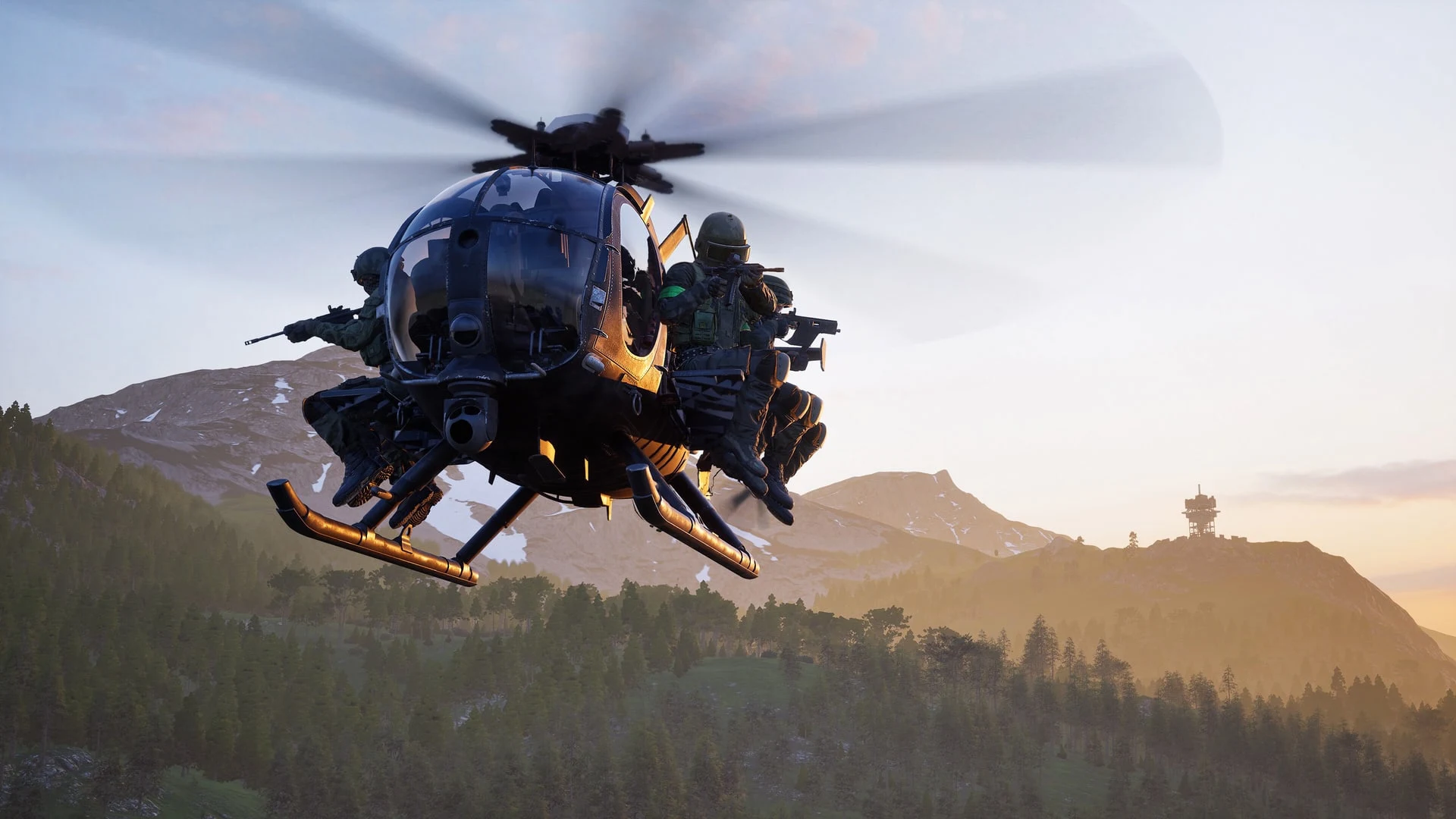

Road to Vostok is a hardcore solo survival shooter set on a post-apocalyptic Finland-Russia border, and it does not hold your hand. New players frequently die early, lose gear, and struggle to understand why. This road to vostok guide covers survival basics, early gear loadouts, zone map awareness, and the most common mistakes to avoid so your first runs actually teach you something useful.
What Road to Vostok Is and What New Players Should Expect
Road to Vostok is a single-player hardcore survival FPS that launched on Steam Early Access on April 7, 2026. It places you alone on a dangerous border region between Finland and Russia, where every mistake has real consequences and death in the final zone means a full permadeath reset. The game is not an arena shooter. It rewards patience, map knowledge, and risk management far more than mechanical skill.
The core loop involves leaving your shelter, moving through dangerous zones, looting what you can carry, and extracting alive. Enemies call reinforcements, supplies are limited, and every health condition left untreated will drain your HP until you go down. Players who approach this like a traditional FPS will die repeatedly in the first hour.
This game is best suited for players who enjoy:
- Methodical, slow-paced exploration: Rushing gets you killed faster than any enemy will.
- Resource management puzzles: Every slot in your pack is a decision that matters.
- High-stakes tension: Knowing a single fight could cost you everything sharpens every move.
- Solo challenge: There is no co-op; you navigate the danger entirely alone.
- Incremental progression: Gear improves run by run, and so does your map knowledge.
Key takeaway: Road to Vostok is a game about discipline and preparation, not reflexes. The players who survive are the ones who plan before they move.
Best Settings and Setup Before Your First Run
Taking a few minutes to dial in your settings before entering the field will reduce early deaths and help you actually hear and see threats before they reach you. The game’s audio and visibility systems are central to survival, so getting these right from the start matters.
- Prioritize audio output quality: Headphones or a quality speaker setup let you detect enemy footsteps and ambient cues before enemies are visible. In a game where stealth is the primary survival tool, sound is your most important sense.
- Lower mouse sensitivity for precision: Slower tracking reduces the chance of overshooting in high-stress encounters, especially when using scoped weapons like the M24 or bolt-action options.
- Check brightness and gamma early: Area 05 has dark interiors, and the Narva Flashlight found there is your main light source. Set brightness high enough to navigate without the flashlight in low-stakes areas so you conserve it for critical moments.
- Bind your sidearm swap to a fast key: The Glock 19 serves as your backup when primary weapons jam or when you need an instant CQB option. A one-key swap can save your run.
- Confirm your inventory key and healing shortcuts: Health issues drain HP continuously, so being able to open your pack and apply bandages fast is non-negotiable.
- Turn off any auto-sprint if available: Sprinting generates noise and reduces your ability to hear threats. Manual sprint control keeps you in the habit of moving slowly and deliberately.
Road to Vostok Beginner Tips for Surviving Early Runs
The following habits separate players who survive their first few runs from those who lose everything within minutes. Build these instincts early and they will carry you through every zone in the game.
Move Slowly and Use Stealth as Your First Line of Defense
Stealth is not optional in this game; it is the primary survival mechanic. Military enemies call reinforcements when they detect you, which can quickly turn a manageable situation into an unwinnable one. Enter Vostok only in rain or fog, specifically during the 10am to 4pm window, when visibility for enemies is reduced. Suppressors are essential to avoid detection at range. Treating every building approach like an ambush risk is the right default mindset.

Loot Selectively and Store Weapons Physically
Carry capacity is limited, and overloading your pack costs you speed and stamina. Prioritize bandages and meds above most other loot because their trade value is high and they keep you alive. When you return to your Cabin shelter, store weapons by physically placing them in the storage area rather than leaving them in your inventory. Exiting the shelter resets maps, enemies, and traders, which means every successful extract sets up another fresh loot run without depleting the world permanently.
Heal Every Status Effect Immediately
Bleeds, fractures, and dehydration all drain HP continuously if left untreated. Never assume a minor injury will sort itself out. Stockpile bandages and meds from bathroom cabinets, which are reliable early sources in Area 05. Treating a bleed mid-run costs seconds. Ignoring it costs you the run entirely.
Extract Early Rather Than Risk It All
One of the most common beginner errors is staying in the field too long. Once you have a solid haul, head for extraction. The temptation to push one more building or clear one more enemy is real, but Vostok operates on a permadeath model. Dying there resets everything. Consistent short extracts build your stash faster than risky long runs that end in death.
- Plan your exit before you enter: Know your extraction route before committing to a looting area.
- Track your stamina: Running low stamina when enemies close in is a death sentence.
- Never fight military head-on early: Retreat and reset rather than trade bullets with reinforced enemies.
- Use the Narva Flashlight for dark interiors: Missing loot in dark cabinets because you skipped the flashlight is a costly habit.
How Health, Stamina, Looting, and Extraction Work
Understanding why you died is the fastest way to stop dying. These are the four systems that interact on every single run, and misreading any one of them will end your session early.

In Road to Vostok, surviving is not about winning fights. It is about avoiding the conditions that make fights inevitable.
- Leave shelter: Maps, enemies, and traders reset on shelter exit, giving you a fresh environment every run. Plan your target area before stepping out.
- Move to your loot zone: Use slow movement and cover to approach buildings. Check audio cues for enemy position before opening any door.
- Treat every health issue on the spot: Bleeds and fractures drain HP continuously. Bandages from bathroom cabinets are the most accessible early treatment. Do not defer healing.
- Manage carry weight: The Jääkäri Backpack found in Area 05 houses and cabinets increases carry capacity. Even with it equipped, loot with purpose rather than grabbing everything.
- Assess your condition before pushing further: If stamina is low, HP is reduced, or your pack is full, it is time to extract. There is no reward for pushing past your limit.
- Extract and store gear physically: Return to your Cabin, place weapons and key gear physically into storage, and prepare for the next run with a reset world waiting outside.
Bandages and meds are specifically high in trade value, which means even a partially unsuccessful loot run can be profitable if you exit with a handful of medical supplies. Prioritizing them over heavier, bulkier loot is a consistently smart call for new players.
Best Early Gear Loadouts for Beginners
These three loadout paths cover the most practical ways to approach your first runs. For players also looking at how other survival and action games handle build optimization, our build optimization breakdown shows how the same principle of matching your kit to your playstyle applies across genres. In Road to Vostok, consistency matters far more than chasing the best possible gear before you are ready for it.
Budget Survival Build
- Primary weapon: Mosin-Nagant bolt-action rifle. Ammo is plentiful (7.62x54mmR) and can be reloaded bullet by bullet, making it a forgiving and affordable long-range option.
- Storage: Jääkäri Backpack for additional carry capacity, looted from Area 05 houses and cabinets.
- Lighting: Narva Flashlight for dark interior loot runs.
- Medical: Bandages and meds stockpiled from bathroom cabinets.
- Best for: Players who want to learn the map and systems without risking expensive gear.
Balanced Scavenger Build
- Primary weapon: RK-95 Rifle found in Area 05, paired with a sight and silencer for stealth effectiveness against bandits and guards.
- Secondary weapon: MP5 Submachine Gun for close-quarters situations; low recoil and easy to control, though limited against armored targets.
- Storage: Jääkäri Backpack.
- Sidearm: Glock 19 for fast swaps during jams or sudden CQB encounters.
- Medical: Bandages and meds as the first loot priority each run.
- Best for: Players comfortable with light combat who want to cover multiple threat ranges.
Cautious Marksman Build
- Primary weapon: M4A1 Assault Rifle with suppressor and LPVO scope. High armor penetration via 5.56x45mm and fully modular for any engagement range, making it the S-tier meta choice.
- Alternative primary: AK-74M Assault Rifle as a reliable S-tier substitute with consistent ammo spawns and good durability even at low condition (5.45x39mm).
- Long-range option: M24 Sniper Rifle for Border Zone and Vostok runs, where the 7.62x51mm round penetrates most armor at distance.
- Sidearm: Glock 19.
- Best for: Players who have learned Area 05 and are ready to push into harder zones with gear that can match the threat level.
Zone Maps and Route Planning Basics
The world is divided into three distinct zones, each with escalating danger. Area 05 is the starting zone, featuring the Village and Cabin areas where beginners find their footing. The Border Zone contains the Minefield and represents mid-tier threat levels. Vostok is the final zone where permadeath applies on death, making every entry a high-stakes decision.

New players should resist the urge to explore all three zones immediately. Learn one route in Area 05 completely before moving on. Know where the bathroom cabinets spawn meds, where the Jääkäri Backpack appears in houses and cabinets, and where guards patrol so you can plan around them rather than through them.
- Plan an in-and-out route: Choose one loot building per run early on rather than attempting to clear full sections of the map.
- Use weather as a tactical tool: Rain and fog in the 10am to 4pm window reduce enemy detection range. This is the recommended entry window for Vostok specifically.
- Treat the Minefield in the Border Zone with extreme caution: It is not an area to cross without knowing the safe path.
- Identify extraction points before looting: Know where you are leaving before you commit to where you are going.
- Let map resets work for you: Exiting the shelter resets the environment, so a profitable single-building run repeated consistently beats one greedy full-map sweep.
Key takeaway: One known route executed cleanly is worth more than three unknown routes attempted blindly.
Common Mistakes New Players Should Avoid
Most early deaths in Road to Vostok trace back to a short list of repeatable errors. Recognizing these habits now saves you hours of frustration later.
- Sprinting everywhere: Sprinting drains stamina fast, generates noise that alerts enemies, and leaves you gasping if a fight breaks out. Walk by default and sprint only when you need to cover ground quickly in a safe area.
- Carrying too much loot: Overloading your pack slows movement and makes stamina management nearly impossible. Loot with a priority list in mind, not with every empty slot as a target.
- Fighting every enemy: Military enemies call reinforcements, and a winnable 1v1 can become a 1v5 within seconds. Disengage, reposition, and avoid unnecessary contact.
- Ignoring health conditions: Bleeds, fractures, and dehydration all drain HP continuously. Treating them immediately is not optional; it is survival mechanics working against you in real time.
- Entering Vostok unprepared: Dying in Vostok triggers a permadeath reset. Do not enter without a solid loadout, full medical supplies, and knowledge of a safe exit route.
- Skipping the suppressor: Running without a suppressor in contested areas makes every shot a beacon for nearby enemies. The RK-95 paired with a silencer in Area 05 is a core early lesson in why suppressors matter.
- Staying too long: The longer you stay, the more risk accumulates. Extract when you have enough, not when you have everything.
Road to Vostok Guide at a Glance
| Priority | Recommendation |
|---|---|
| First-run goal | Loot Area 05 for bandages, meds, and the Jääkäri Backpack, then extract safely |
| Safest loadout style | Budget Survival: Mosin-Nagant, Narva Flashlight, full medical stack |
| Most important survival habit | Move slowly, use suppressors, treat every health condition immediately |
| Best map-learning approach | Master one route in Area 05 before attempting the Border Zone or Vostok |
| When to extract | When your pack is full, HP is reduced, or stamina is consistently low |
| Stealth window for Vostok | Rain or fog between 10am and 4pm for reduced enemy detection |
Frequently Asked Questions
Is Road to Vostok playable solo for beginners?
Yes, Road to Vostok is designed exclusively as a single-player experience. There is no co-op mode, so every run is solo by default. Beginners will find the early zone, Area 05, manageable once they learn basic stealth habits and loot priorities. The game is built around solo challenge, so the difficulty curve is intentional rather than a sign something is broken.
What is the best first weapon to find in Road to Vostok?
The RK-95 Rifle available in Area 05 is a strong early primary. Pair it with a sight and silencer for effective, quiet engagement against bandits and guards. The Mosin-Nagant is a solid alternative if you prefer a budget bolt-action approach, since its 7.62x54mmR ammunition spawns consistently and can be loaded bullet by bullet.
How does loot resetting work, and can I farm it?
Every time you exit your shelter, the maps, enemies, and traders reset. This means the same loot locations in Area 05 become available again each run. Bathroom cabinets reliably spawn bandages and meds, and the Jääkäri Backpack can appear in houses and cabinets repeatedly. Running a single reliable route each shelter exit is one of the most consistent ways to build your stash early.
Is gear fear normal in Road to Vostok?
Completely normal, especially once you have built up a decent stash. The risk of losing quality gear, particularly in Vostok where death means a permadeath reset, makes players hesitant to use their best equipment. The practical solution is to keep one solid run loadout ready and store your best weapons physically in the Cabin rather than carrying them on risky exploratory runs.
When should a beginner attempt the Border Zone or Vostok?
Only after you have fully mapped Area 05, built a reliable medical supply, and secured at least one suppressed primary weapon. The Border Zone includes a Minefield that requires route knowledge, and Vostok carries permadeath consequences. Rushing these zones before mastering Area 05 is the most common reason beginners reset their progress.
What should I always bring on every run?
Bandages and meds are non-negotiable on every run because bleeds, fractures, and dehydration drain HP continuously. The Narva Flashlight is essential for dark interiors in Area 05. A suppressed weapon, even a budget option like the Mosin-Nagant or silenced RK-95, keeps you off enemy radar long enough to disengage or reposition when things go wrong.
The Bottom Line on Road to Vostok for Beginners
Road to Vostok rewards the patient and punishes the greedy. The players who progress consistently are the ones who learn one map before pushing the next, run simple loadouts until those feel automatic, and extract the moment the risk starts outweighing the reward. This road to vostok guide covers the essentials, but the real learning happens on the ground through repeated, disciplined runs in Area 05.
Start with the Budget Survival or Balanced Scavenger build, stockpile your meds, store your weapons physically in the Cabin, and never underestimate how quickly a quiet run can turn lethal. If you enjoy exploring how other action games structure their challenge, our combat guide breakdown for Saros is worth a look. For now, keep your head down, your finger off the sprint key, and your extraction route planned before you ever open the first door.