Lead
Paradox Interactive’s Afterworld, a new grand strategy game set in a post-apocalyptic future America, is being built to appeal to players who found the studio’s other titles too difficult to get into, according to PCGamesN. Game Director Dan Lind told the outlet at Gamescom 2026 that the team wants to reach people who were interested in Paradox’s catalogue but bounced off because the entry point felt too steep. There is no release date yet, though Afterworld can already be wishlisted on Steam.
Context Block
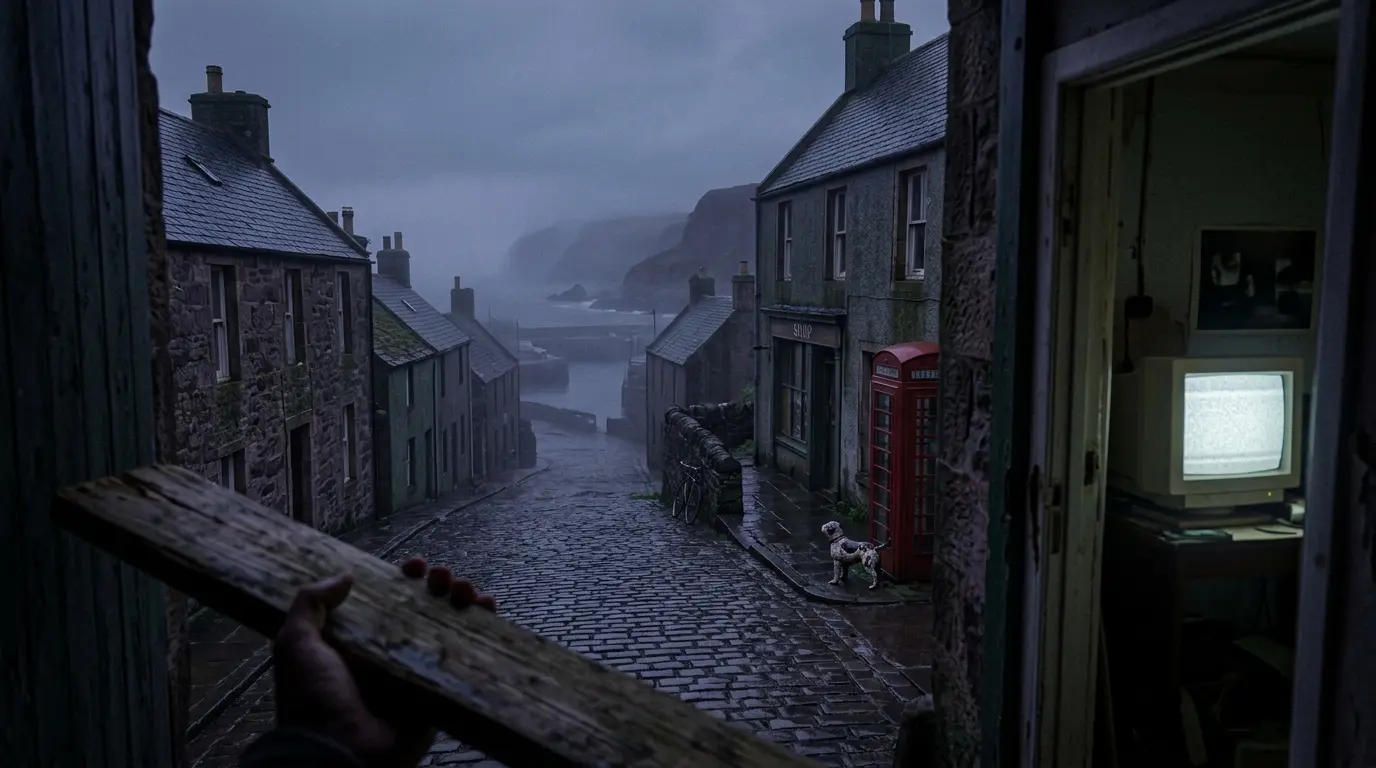
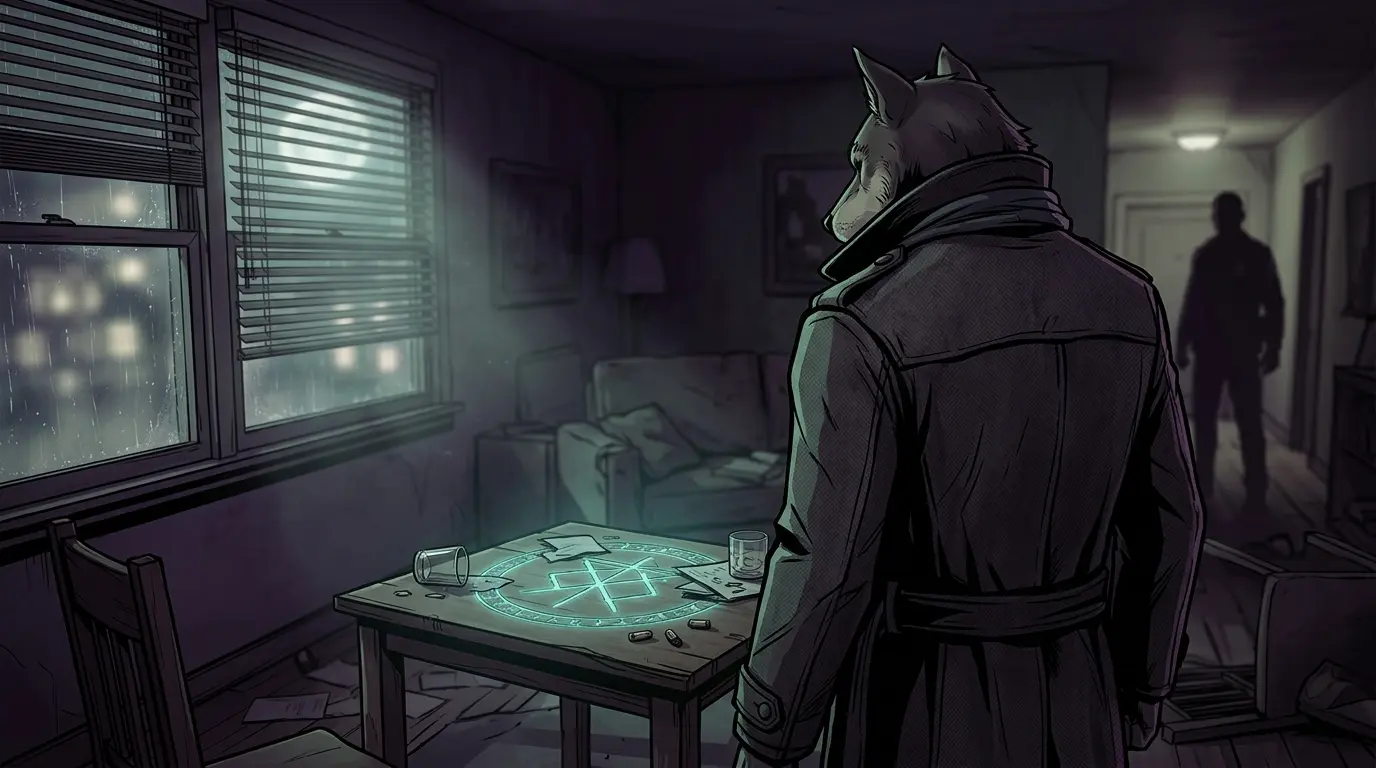
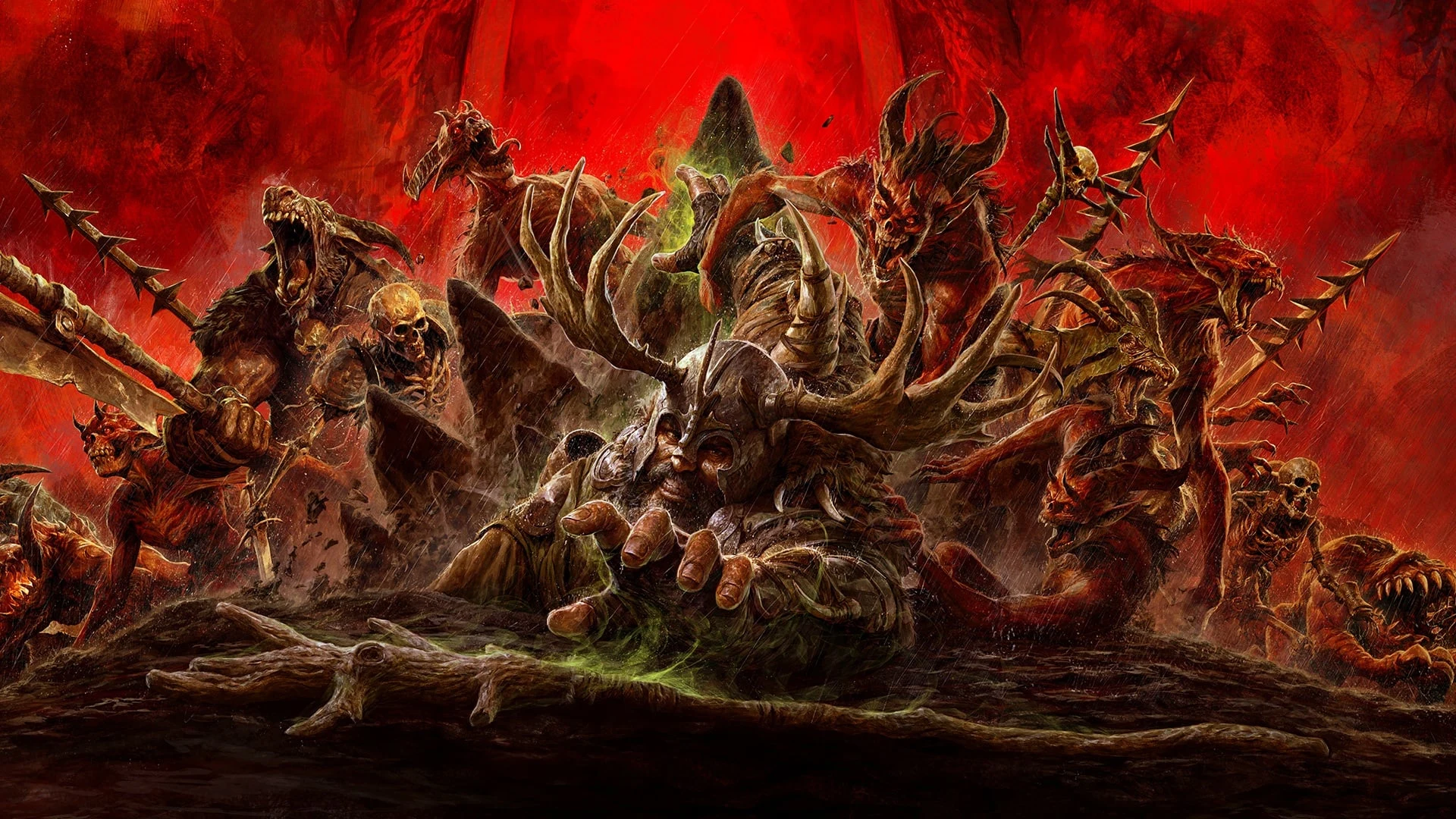
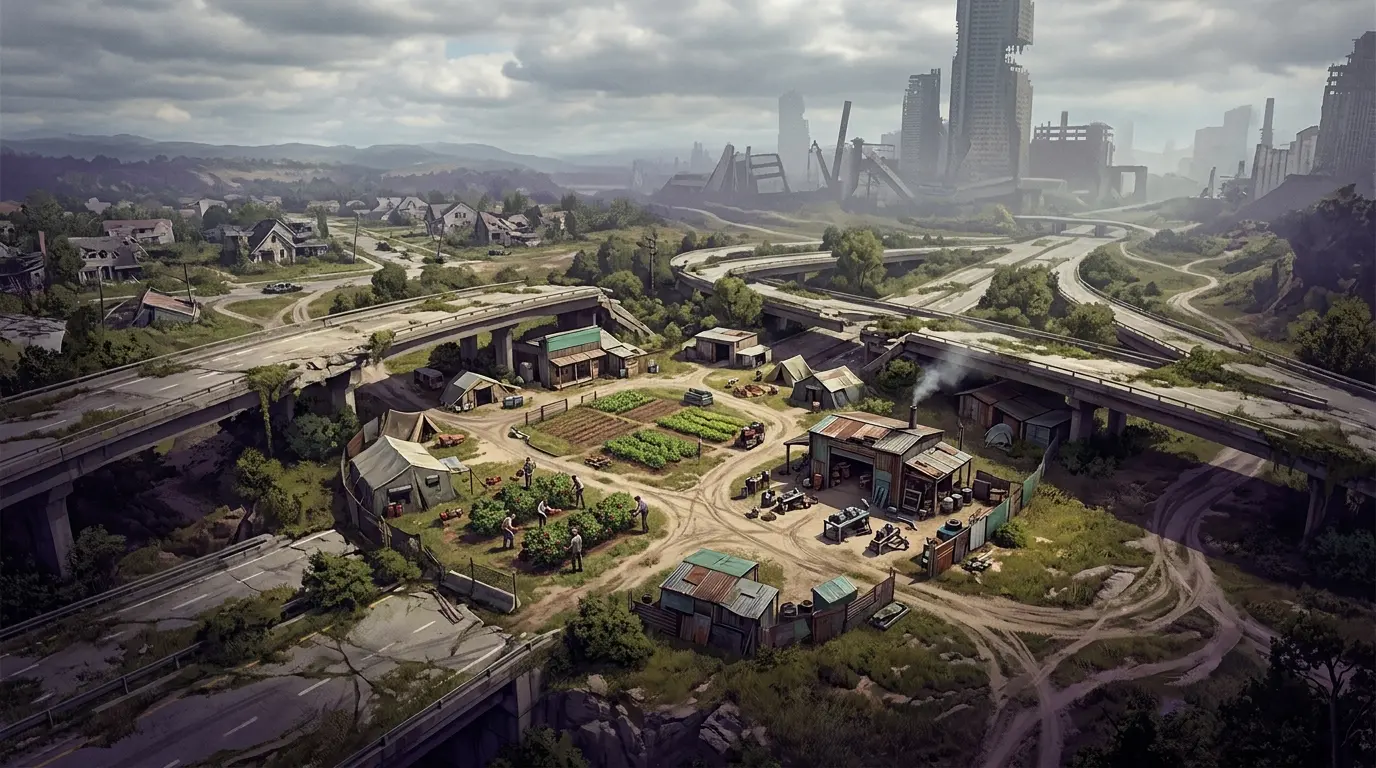
Here’s the context: Afterworld steps away from the historical grounding that anchors Paradox staples such as Europa Universalis, Crusader Kings, Hearts of Iron, and Victoria. Set in the wasteland of a fallen America, players begin with the essentials of survival before expanding, growing in strength, making potential allies, and eventually standing against the Ancients: immortal leaders supported by technology from before the fall.
Rather than controlling an abstract nation or a single character, players lead a faction described as a group of people who share values. Lind said the team considered Crusader Kings-style characters, but concluded that approach did not fit a post-apocalyptic game centered on how society develops. The setup leaves room for different player stories, from destructive ambitions to efforts to restore poisoned land.
Lind frames the project as sitting alongside Paradox’s existing lineup rather than replacing any part of it, drawing a comparison with how Stellaris established its own space. He previously worked on Hearts of Iron 4, and said starting a fresh project gave the team more freedom to focus on the kind of game it wanted to make rather than beginning with the likes and dislikes surrounding a previous installment.
That positioning also helps explain Afterworld’s accessibility focus. Lind describes an intended audience of curious players who bounced off other Paradox games because they were hard to enter, while also acknowledging that established players may have less time to spend learning a game. Afterworld is designed to make that first step smoother without abandoning the depth associated with grand strategy.
Editorial Verdict
Honestly, the hardest part of this pitch is not the setting but the balance Lind is describing between accessibility and depth. He acknowledges a tug of war with complexity: a game cannot become completely easy and still remain a grand strategy game. The promising detail is the team’s approach to automation, which Lind says should remain tangible rather than abstract. Resources and production are meant to be visible processes, such as berries being turned into wine or someone building a gun that will be put on a bike.
The mission system is presented as a lower-friction development of Hearts of Iron’s more rigid structure. Goals such as dealing with a specific region are intended to help players establish direction without reducing the game to a checklist. That approach targets the challenge of finding where to apply the genre’s complexity, rather than eliminating that complexity altogether.
Whether the design produces a gentler opening remains impossible to judge from an interview alone. The balance between easing in new players and preserving the systemic depth that experienced players expect is still a stated goal, not a demonstrated result. Afterworld’s faction-based structure, its survival-to-expansion progression, and its approach to automation will need to show how those ideas work together in play.
What remains unclear is much about the eventual shipping product. The interview does not confirm a platform list, multiplayer support, or an alpha timeline. Paradox and Lind have only said that there is no release date yet. More detail on the mission system, faction progression, and automation chain would offer a clearer view of how the game intends to lower friction while retaining grand-strategy depth.
What to watch: a release-date announcement or a future development update could provide a more direct look at those systems, including how players interact with the Ancients as obstacles or potential allies. For now, Afterworld is being presented as a distinct Paradox grand strategy game with an original setting and an explicit focus on making its opening easier to approach.
Would a smoother opening hour encourage you to try Afterworld over a traditional Paradox grand strategy game, or does the appeal rest in the promised depth after the tutorial? Keep an eye on GameLuster for further Afterworld coverage as Paradox reveals more.