Inzoi Game Director Hyungjun ‘Kjun’ Kim has revealed Canvastown, a substantially different way to play the life sim that drops players into a shared world controlling a single Zoi alongside other players, describing it as “completely optional” and independent of Inzoi’s existing format, according to PCGamesN.
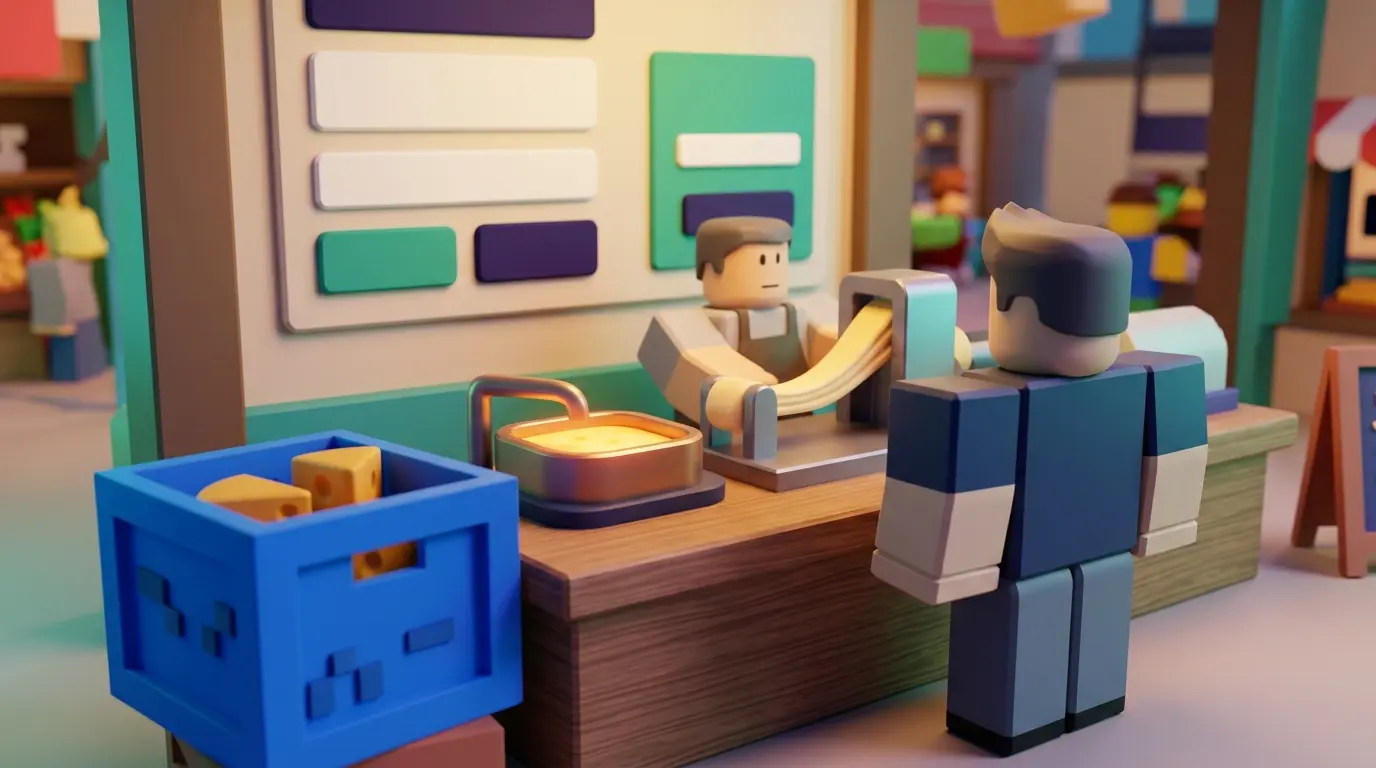
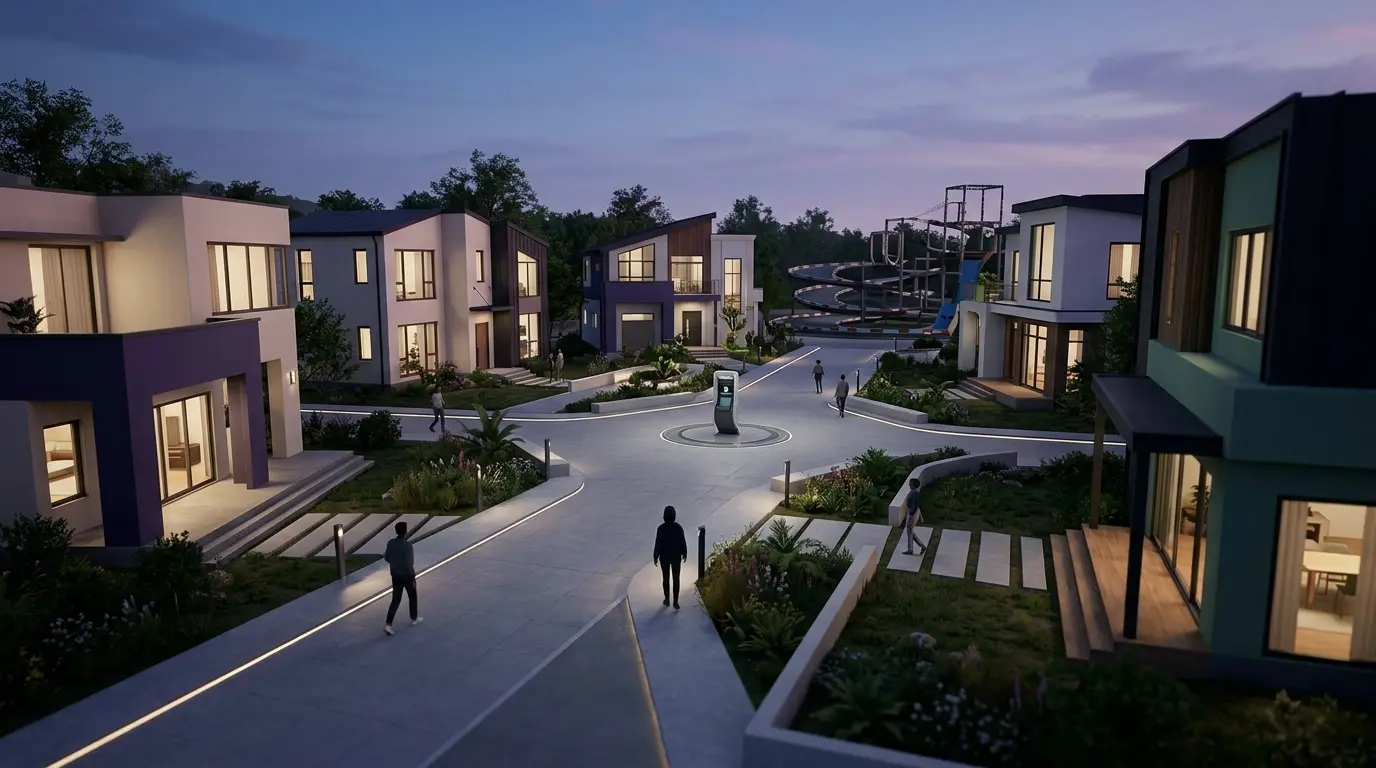
Here’s the context: Kjun says Canvastown has been built by “a dedicated few teams” and won’t pull resources away from the core life simulation players already know. The pitch starts small: you create a custom Zoi, design their house, and then head to a hub area called AR Company. It’s a creator-social premise that echoes what Roblox has built its entire platform around – shared spaces, player-made content, and low-stakes hangout time rather than objectives to clear.
Kjun frames the whole thing as coexistence rather than progression. “Around 50 people can converse and interact in the same channel under mutual consent,” he explains, and NPCs populate the space too, but the driving goal was never to give players a checklist – it was to create a world where you simply coexist with other people.
Once inside AR Company, a control tablet lets you teleport into other players’ homes, whether you’re browsing what they’ve built or settling in with a group for a while. Creators can also build and share minigames using Inzoi’s native tools and its modding capabilities; the showcase demonstrated a kart racer and an obstacle course reminiscent of Fall Guys.
Honestly, this reads less like Inzoi chasing a persistent World of Warcraft-style MMO structure and more like a bounded creator playground – closer in spirit to the social, city-oriented multiplayer approach something like Ananta is chasing than to a full genre pivot. The 50-person cap, the mutual-consent framing, and the option to run private sessions all point toward a controlled experiment rather than Inzoi becoming an always-on online world overnight. That’s the right call for a life sim still building out its foundational systems.
Kjun is explicit about where the boundaries currently sit. “We want to make sure your expectations are properly managed,” he explains, “as features like building an entire city from scratch or laying down roads – as rumored online – are not available yet. Of course, we plan to continue developing features to help decorate your city and edit terrain in the future.”
The current feature set breaks down cleanly:
- Character and home creation – players build a custom Zoi and design a house before entering the shared space
- AR Company hub – roughly 50 people can converse and interact in one channel under mutual consent
- NPC interaction and home visits – players can talk with NPCs and teleport into other players’ homes
- Session controls – private sessions are available, and players can invite friends into their current public space
- Creator minigames – kart racing and an obstacle course were shown, built with native tools and modding support
What remains unclear is how far Canvastown actually gets before it ships in any recognizable form. Kjun doesn’t hide the gaps: “Looking at the current build makes me sigh,” he admits. “There are so many lacking areas, and we have a very long way to go.” The primary evidence here doesn’t include a release date, a final feature list, or any monetization plan – anyone filling in those blanks right now is speculating.
What to watch: Kjun says feedback from this initial showcase will help him “decide the future” of Canvastown, adding that “it might go well, or many shortcomings might be exposed, but I believe it’s a necessary process to move forward to the next step.” Once implemented, Canvastown is meant to live as a separate menu option rather than replacing anything. Meanwhile, the next major Inzoi update is planned for October and will let players define custom behaviors for usable build-mode objects, alongside a rework of the original resident families and a new option to start out on a run-down lot.
Would you actually spend time browsing other players’ homes and creator-built minigames in a mode like this, or does it sound like a distraction from what Inzoi does well already? And does keeping Canvastown optional and clearly separated ease any worries about the core simulation losing development attention?