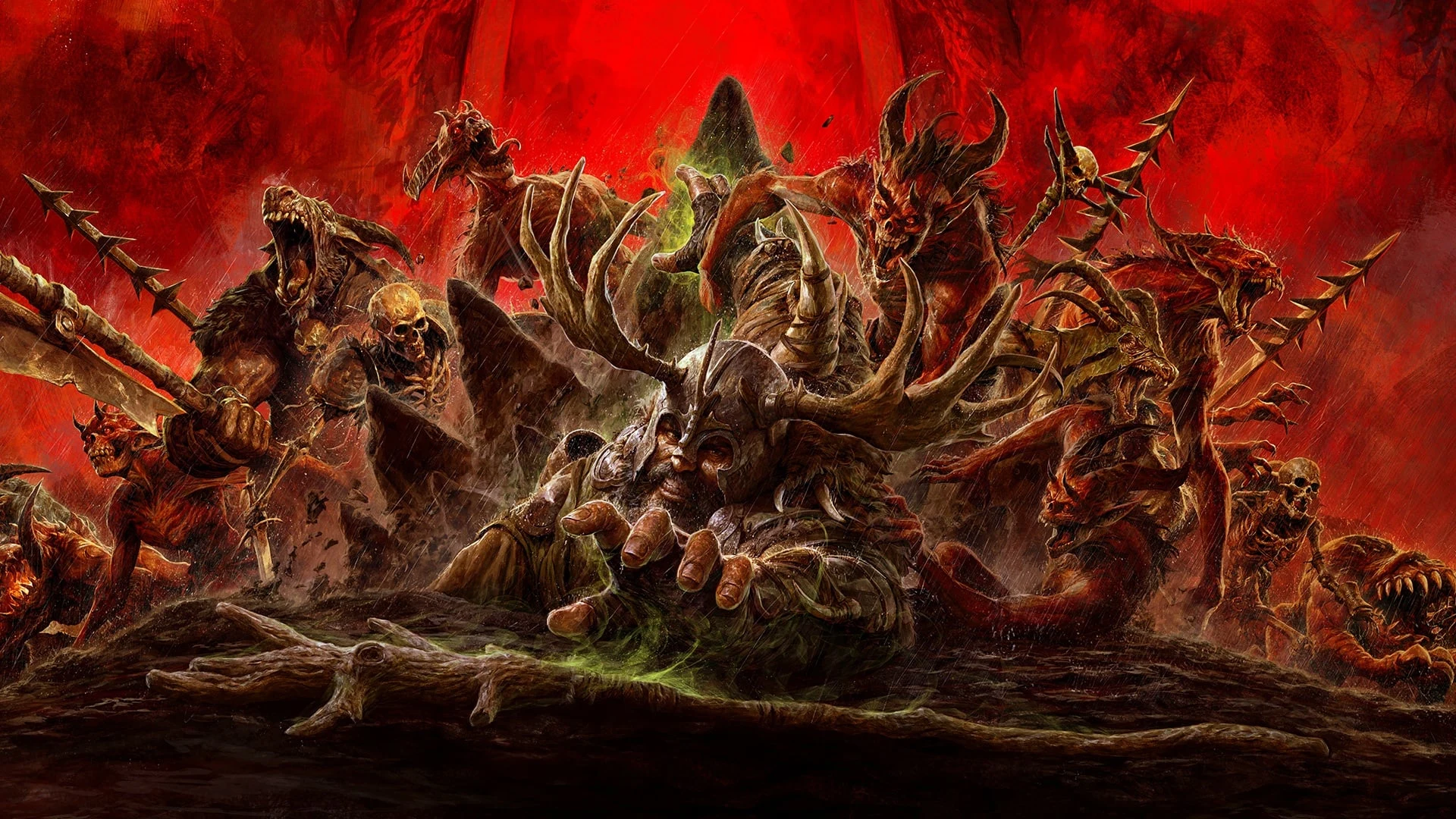
BioWare veteran and longtime Dragon Age executive producer Mark Darrah has effectively ruled out a remaster trilogy for the original three games, explaining in an interview with Video Games Chronicle that the proprietary engine underpinning the first two entries is so poorly understood at this point that no studio – inside or outside BioWare – could realistically execute one.
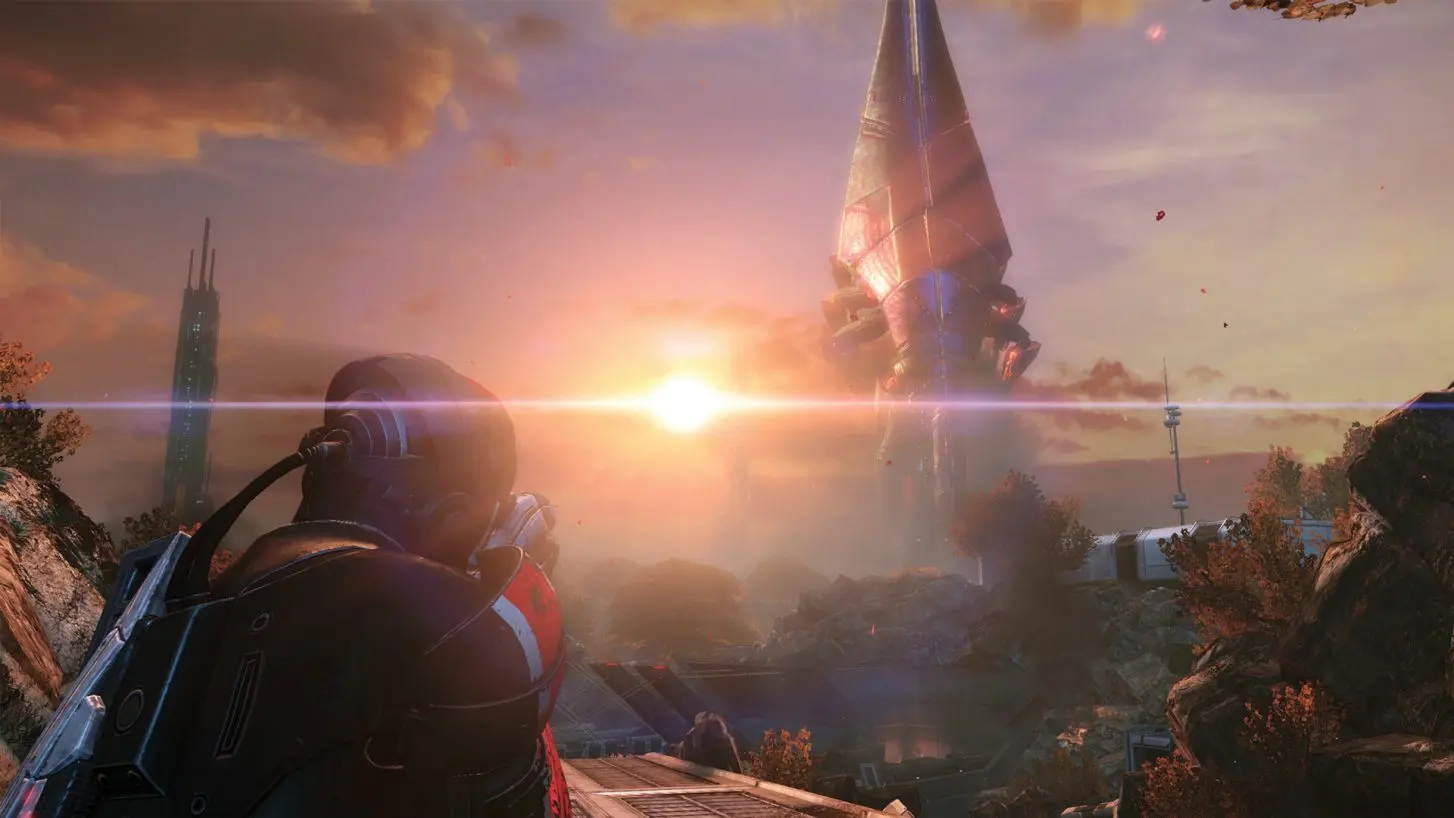
Here’s the context: Darrah spent 23 years at BioWare and was executive producer on the Dragon Age series before departing in 2020, during the development of Dragon Age: The Veilguard. Speaking to FRVR, he confirmed that the concept had a name – the Champion’s Edition – and was always his intention for the franchise. The idea was to retroactively frame the three games as a connected trilogy of stories anchored around different important figures, bundled together the way Mass Effect: Legendary Edition packaged the Mass Effect trilogy in May 2021.
The problem is that Mass Effect‘s trilogy all ran on Unreal Engine 3, which meant a remaster had accessible tooling, a wide pool of studios who could assist, and a shared technical foundation across all three games. Dragon Age: Origins (2009) ran on the Eclipse Engine, an enhanced version of BioWare‘s bespoke Aurora Engine, while Dragon Age 2 (2011) ran on its successor, the Lycium Engine. Only Dragon Age: Inquisition (2014) ran on EA‘s Frostbite engine. That fragmented tech history is the core obstacle.
Darrah stated that there is essentially no one left at BioWare – or anywhere outside it – who understands the Aurora Engine well enough to work in it. Unlike Unreal, where you can bring in a third-party contractor or specialist studio, the Aurora lineage is a dead end for external help. A remaster would require assembling a brand-new team from scratch with the institutional knowledge to navigate it.
Honestly, the technical argument is genuine, but the staffing argument is what actually makes this a closed door rather than a difficult one. Darrah noted that EA does not favour maintaining large employee counts, which means any remaster team would have to be housed inside BioWare itself – pulling developers away from whatever project the studio is actively committed to. Right now that commitment is the new Mass Effect, and EA‘s greenlight process makes it unlikely the publisher would approve a separate Dragon Age project running concurrently. The engine problem is hard; the corporate resource logic is what makes it essentially insurmountable under current conditions.
This is worth sitting alongside the broader remaster market context. Assassin’s Creed Black Flag Resynced hit its annual sales target within days of launch, reinforcing that demand for repackaged legacy titles with modern polish is real and commercially meaningful. EA saw exactly that with Mass Effect: Legendary Edition. The argument that a Dragon Age Champion’s Edition would be easy money is not unreasonable on its face – it just runs headlong into the reality that the technical lift here is categorically different.
Darrah’s framing also extends to new Dragon Age entries, not just remasters. He has separately indicated to FRVR that an entirely new Dragon Age game is similarly unlikely in the near term because EA‘s process would route it through BioWare, which is occupied. The remaster and sequel problems are, at root, the same problem: one studio, one pipeline, a publisher that isn’t going to staff up for a secondary track.
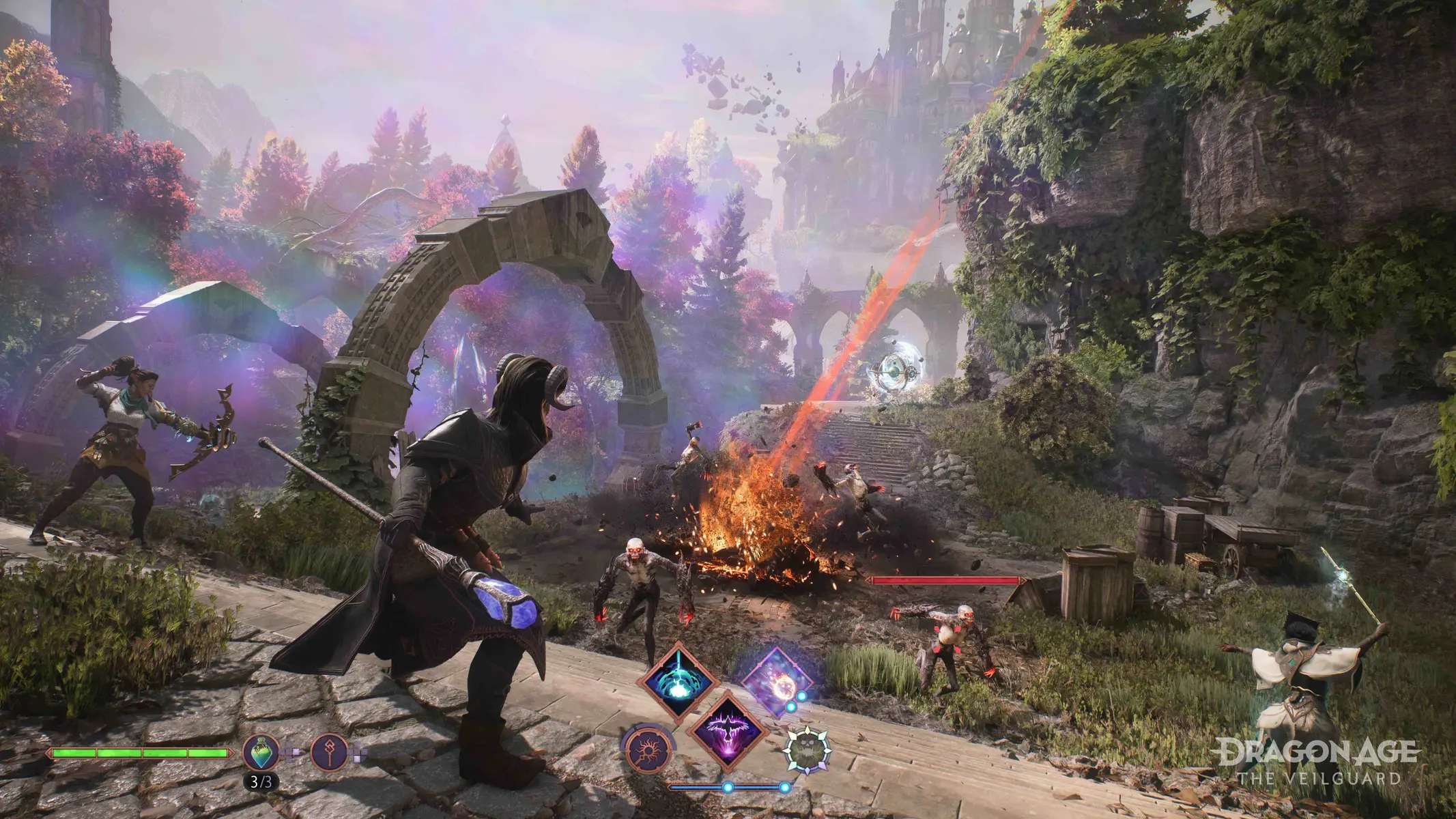
What remains unclear is whether any of this changes if Dragon Age: The Veilguard substantially underperforms or overperforms relative to EA‘s expectations – either outcome could reshape what BioWare is asked to prioritise next. It’s also worth noting that Darrah left BioWare in 2020, so his read on current internal appetite is informed but not definitive.
What to watch: EA‘s next earnings call and any formal announcements about the scope of the new Mass Effect project will be the clearest indicators of how tightly BioWare‘s roadmap is locked in. If the studio expands headcount significantly, the staffing argument weakens – though the engine problem stays fixed regardless.
Is the Aurora Engine problem enough on its own to kill a Dragon Age Origins remaster, or do you think a standalone Origins port without full remaster polish would still be worth it? And does EA‘s resource logic here track with how you’ve seen the publisher handle other legacy franchises? Let us know in the comments.