
Microsoft‘s full-year FY2026 earnings showed Xbox revenue declining $1.7 billion – a 7 percent drop year-over-year – driven by a 5 percent fall in Xbox content and services and a 29 percent collapse in Xbox hardware, even as the broader company posted results that beat overall expectations, as reported by Kotaku.
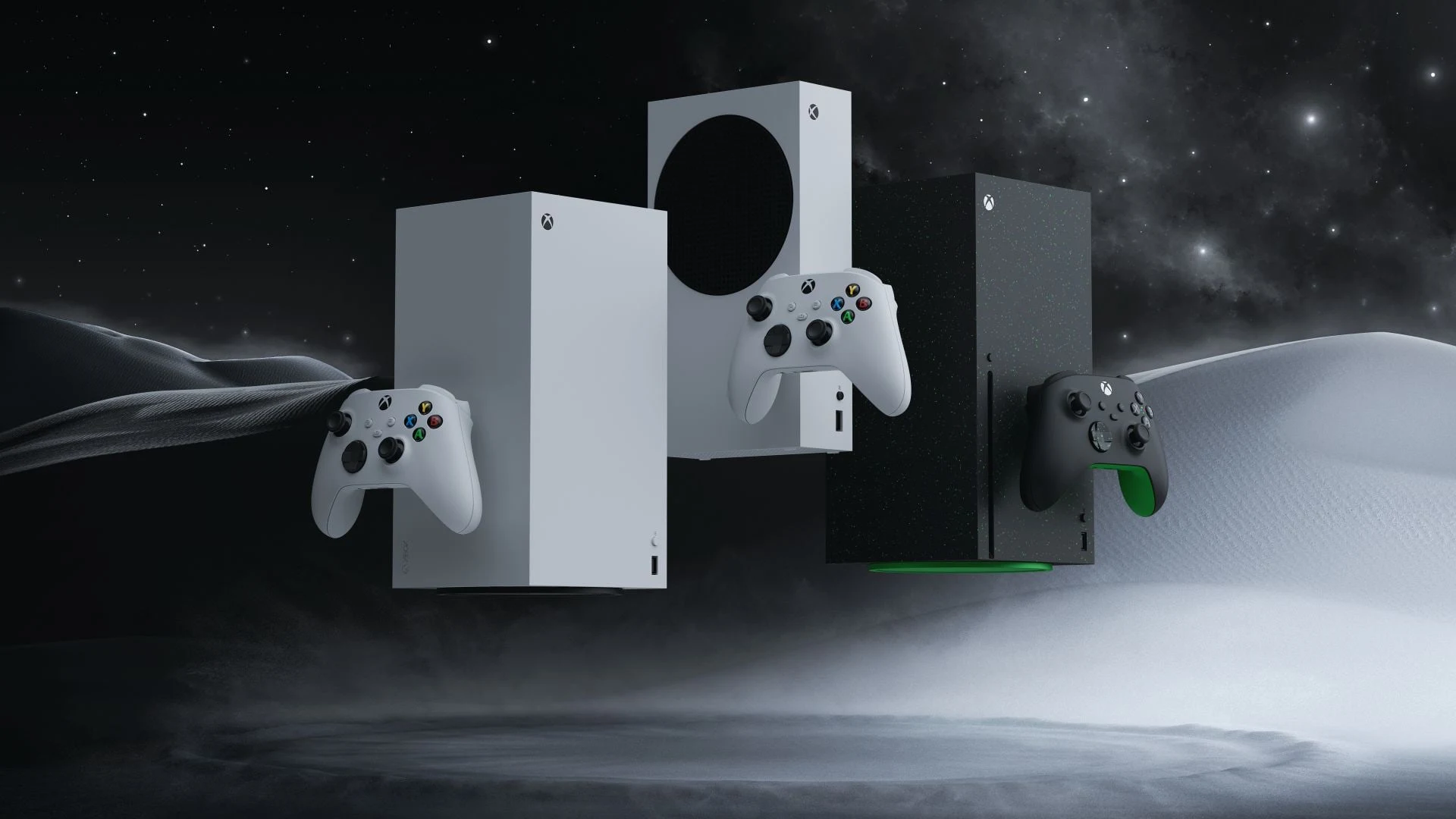
Here’s the context: The fourth-quarter numbers alone tell a sharp story – Xbox content and services dropped 10 percent year-over-year in Q4, and hardware fell 13 percent in the same period. That’s a significant reversal from Q4 FY2025, when content and services were growing at 13 percent year-over-year. The full-year content and services decline is partly explained by a prior-year comparable that benefited from strong first-party performance – specifically, Call of Duty: Black Ops 6 had a particularly difficult year in FY2026. Meanwhile, hardware erosion is structural: Xbox Series X now carries a $750 price tag, a 33 percent increase from its 2020 launch price, and Microsoft is reportedly still losing money on each unit sold even at that elevated price point.
The Activision Blizzard acquisition – which Microsoft closed for over $70 billion in 2023 – was supposed to be the content engine that offset hardware weakness. It hasn’t been enough. Xbox Game Pass growth did provide a partial offset within the content and services line, but it wasn’t sufficient to hold the segment flat, let alone grow it. For further context on Game Pass’s ongoing subscriber trajectory and where it has fallen short of internal targets, see our coverage of Game Pass’s subscriber shortfall.

Honestly, the $1.7 billion figure is damning on its own, but the composition of that decline is what makes this look like a platform in managed retreat rather than a temporary rough patch. Hardware down 29 percent for a full fiscal year means Xbox is not competing meaningfully on console volume at any price point – including one that has been raised aggressively. Content and services declining in the same year those should theoretically be absorbing the hardware shift signals that the software catalogue and subscription offering are not yet strong enough to carry the business alone. These two trends reinforcing each other is the problem Microsoft has not solved.
The response to these numbers has been structural and severe. New Xbox CEO Asha Sharma has signaled a strategic refocus toward major franchises – The Elder Scrolls and Fallout being the anchors – while cutting off smaller studios working on niche projects. Roughly 1,600 layoffs are still to come over the next 12 months. The human cost of that restructuring is significant, and as we detailed in our breakdown of the Xbox studio spinoffs and layoffs, studios like Double Fine are being spun off entirely as part of this reset. There have even been internal discussions about more dramatic options – Microsoft reportedly considered spinning off the Xbox division entirely as the financial pressure mounted.
What remains unclear is whether the franchise-focused strategy can generate enough first-party revenue to stabilize content and services growth before the next-gen hardware cycle kicks in. Project Helix, Microsoft’s next-gen console platform, is in development, but shipping it into a market where the current generation is selling poorly – and at a higher price – raises real questions about whether the install base will exist to support it.
What to watch: Microsoft’s next quarterly earnings report will be the first signal of whether Sharma’s strategic pivot is producing any measurable change in content and services trajectory. The other key data point is any official word on Project Helix‘s release window – that announcement will clarify whether Xbox is still in the console business in a meaningful sense, or whether it is quietly transitioning to a software-and-services platform that happens to sell hardware on the side.
Is there a version of the franchise-first strategy that actually works fast enough to matter, or has Xbox ceded too much ground on hardware to recover momentum regardless of what it ships? Let us know your read in the comments, and keep following GameLuster for continued coverage as this restructuring plays out.