Strategic division inside Xbox Game Studios has reached a level where named insiders are confirming it directly to press, with sources revealing to IGN that leadership is actively split over the company’s direction – a fracture with tangible consequences for active franchises and the players banking on them, arriving at a moment when Microsoft‘s gaming division has already burned through more structural resets than most platform holders manage in a decade.
Here’s the context: The current division does not exist in a vacuum – it sits on top of a leadership stack that has been reshuffled repeatedly since Microsoft‘s 2023 reorganization, which folded more studios under Matt Booty‘s authority and elevated Sarah Bond to oversee the Xbox platform while Dave McCarthy took the COO role at Microsoft Gaming. Craig Duncan, who moved into the head of Xbox Game Studios role in late 2024 after running Rare, lasted roughly 18 months before the June 2026 shake-up saw all XGS teams reportedly begin reporting directly to Booty again – as we covered in our breakdown of the Duncan and O’Connor exits from Xbox Game Studios. Louise O’Connor, who had been promoted to chief of staff as recently as September 2025, was also swept out in the same move.
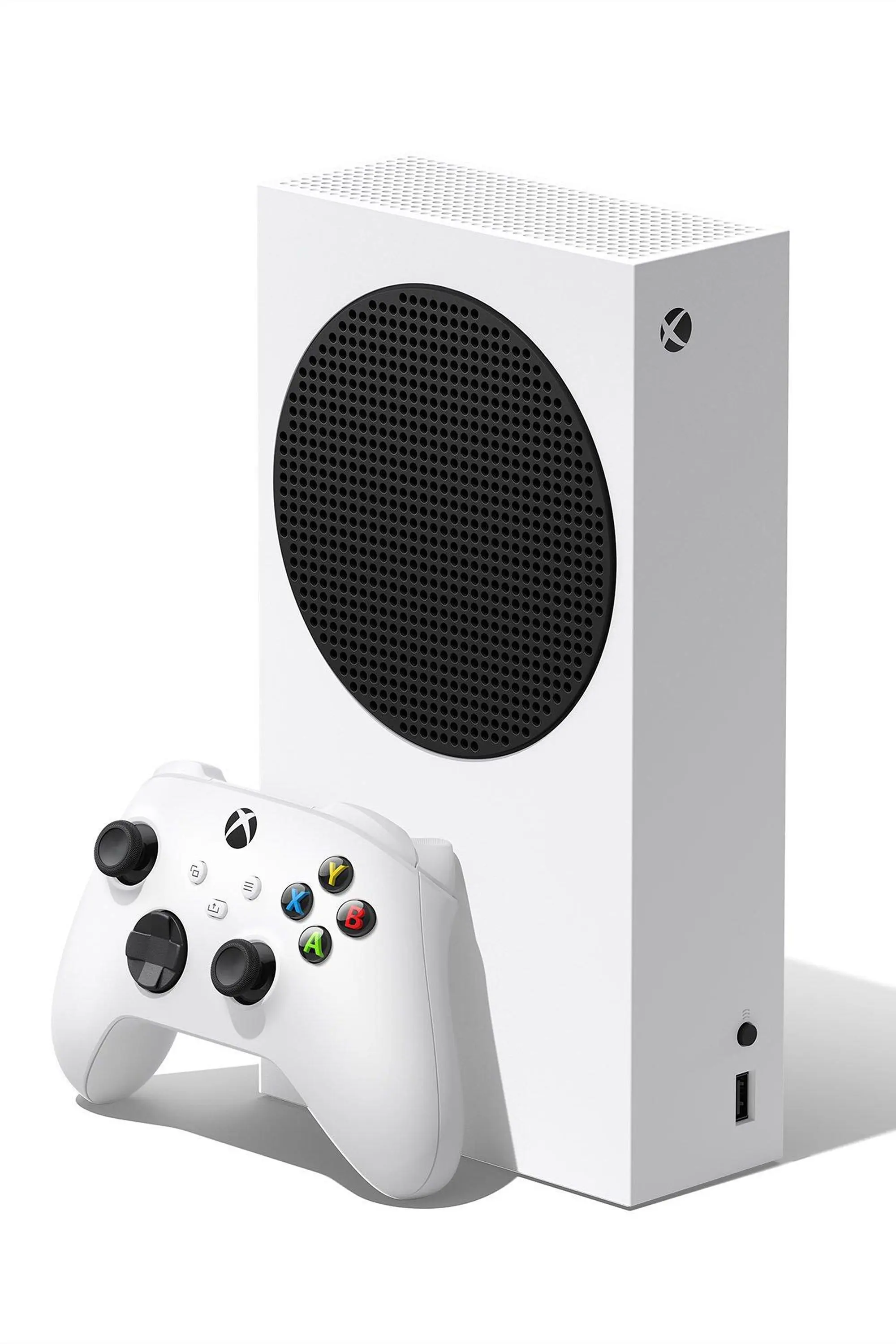
That June 2026 restructuring came under the watch of Asha Sharma, who was named Xbox CEO in a May 2026 memo that framed the overhaul as an effort to “evolve how we work” – which is corporate-speak for: the current operating model is not working and the people running it are being replaced. CNBC reported that Sharma was bringing in executives from outside gaming entirely, including CoreAI leaders Jared Palmer, Tim Allen, and Jonathan McKay, signaling that the reset was not just a reorg but a philosophical shift about what kind of company Xbox is supposed to be. The wider backdrop includes reports of possible layoffs and even a potential spinoff of the Xbox division – details we tracked in our coverage of Xbox studio closures and the broader Microsoft restructuring.
Honestly, what insiders are describing as a strategic division is not a disagreement about roadmaps or release windows – it is a fundamental conflict over what Xbox is for. That is not a scheduling problem; that is an identity problem. The leadership shuffles, the outside hires, the memo language about evolution – none of it resolves the underlying question of whether Xbox Game Studios is building a subscription content engine for Game Pass, a prestige first-party portfolio to compete with PlayStation, or a platform-agnostic software business that ultimately does not need exclusive hardware at all. Those three goals require different studios, different greenlight criteria, different definitions of success, and different people at the top – and right now the organization appears to have factions backing each one. Game Pass subscriber losses following the price hike, which we detailed in our report on Game Pass losing millions of subscribers after the price increase, have only sharpened that tension: it is harder to argue the subscription model justifies all creative decisions when the subscriber curve is pointing down. Bringing in CoreAI executives to lead a gaming division is not evidence of a clear strategy – it is evidence that someone at the top of Microsoft has decided gaming leadership itself is the variable to change. That framing does not inspire confidence in anyone waiting on a specific franchise.
What remains unclear is exactly which franchises are most exposed to the strategic stalemate – insiders confirm the division exists and that it is affecting active projects, but the specific titles caught in the crossfire have not been named. It is also unconfirmed whether Booty‘s consolidated authority over all XGS teams represents the end of the structural churn or simply the latest temporary configuration before the next memo. The role Duncan vacated has not been publicly backfilled, and whether Sharma‘s outside hires will take on direct creative oversight or remain in operational roles is still unresolved. What to watch: the next formal organizational announcement from Microsoft Gaming, any studio-specific updates that signal greenlit or cancelled projects, and whether Xbox‘s next major showcase attempts to project unified strategic clarity or reveals the seams of a house still arguing about what it is building.
Does the pattern of bringing in executives from outside gaming – CoreAI leadership into a creative content organization – suggest Microsoft has given up on building a traditional games division and is pivoting toward something the industry does not have a clean category for yet? And if the internal division is already affecting active franchises, which studios do you think are most at risk of having projects redirected, cancelled, or quietly de-prioritized before a resolution lands? Sound off in the comments below, and keep your eyes on GameLuster for more Xbox Game Studios, Microsoft Gaming, and Game Pass coverage.