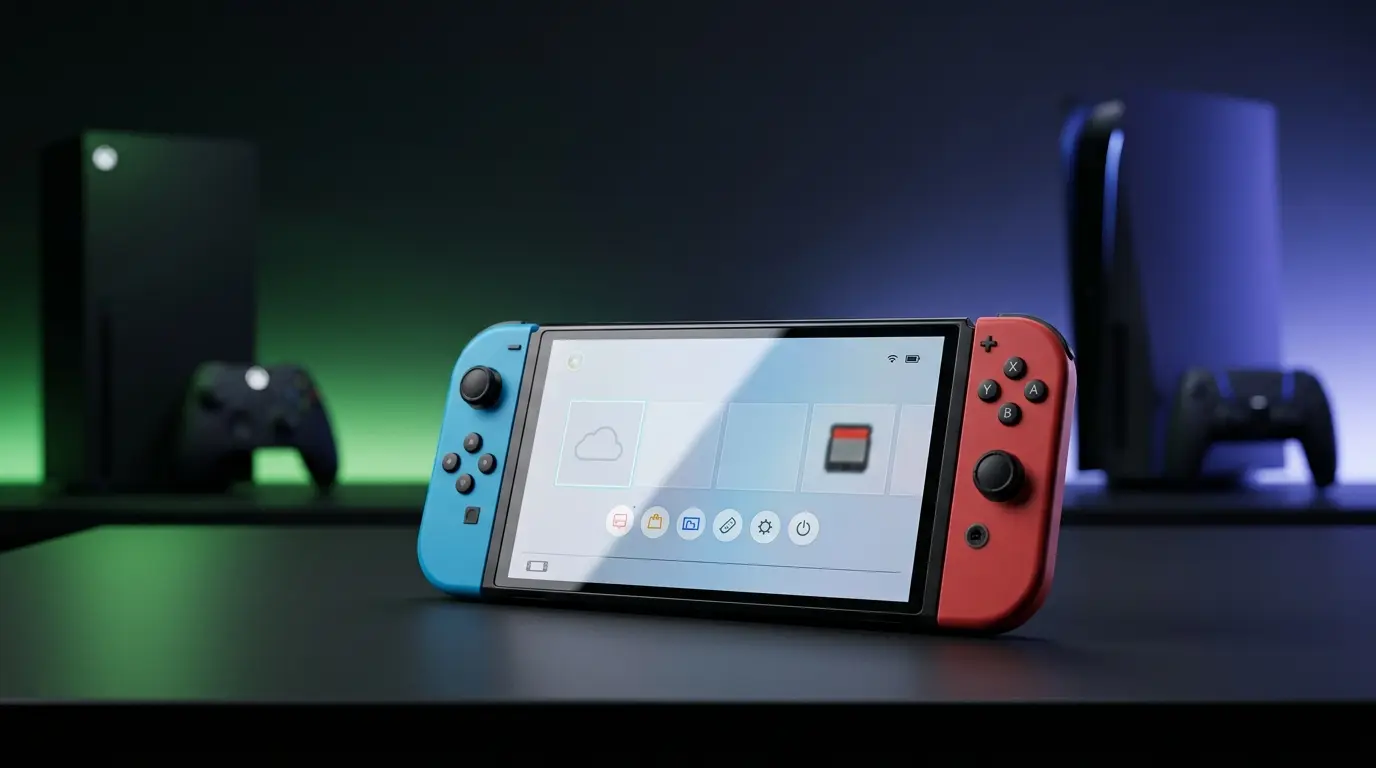

Microsoft is preparing a wave of Xbox layoffs expected to affect roughly 1,000 people and potentially shutter active development studios, as reported by Bloomberg, with the cuts timed to land shortly after Microsoft‘s fiscal year closes on June 30, 2026 – making this not a routine headcount trim but a structural reset of a division that new leadership has already described as “not in a healthy state.”
Here’s the context: The pressure behind this round of cuts traces directly to the $69 billion Activision Blizzard acquisition and the margin discipline that followed it. Microsoft Gaming has cycled through cost-reduction exercises repeatedly since that deal closed, including a round in September 2024 that eliminated approximately 650 roles in corporate and support functions – cuts that Phil Spencer explicitly framed at the time as not touching game development or studio operations. That framing is no longer holding. Bloomberg reports that new Xbox CEO Asha Sharma has launched a broader turnaround effort that includes slashing marketing budgets, conducting a full review of the game portfolio, and rebuilding the business from the ground up over a stated 100-day window. As we covered in our reporting on Double Fine, Ninja Theory, and Compulsion Games, active first-party studios are already in the conversation about closures – this is no longer a back-office story.
The financial picture feeding into this reset is not ambiguous. Xbox Game Pass has been losing subscribers at scale since Microsoft pushed through a price increase in October 2025, and as we detailed in our coverage of the Game Pass subscriber losses, that pricing gamble demonstrably failed – subscriber numbers dropped and Microsoft was forced into a partial reversal. A subscription service shedding paying customers while the division tries to service the debt logic of a $69 billion acquisition is not a sustainable position, and Sharma‘s language about a ground-up reset is the institutional acknowledgment that the current structure isn’t working.
Honestly, what Bloomberg‘s reporting describes is a company finally admitting what critics have been saying for two years: that Microsoft acquired Activision Blizzard without a coherent plan for integrating its existing first-party studio network, and now someone has to pay for that misalignment. The September 2024 memo from Spencer promising that cuts wouldn’t touch game development was either wishful thinking or deliberate misdirection – because the current round, by Bloomberg‘s account, does exactly that. Marketing budget cuts sound less dramatic than studio closures, but they are corporate-speak for making it functionally impossible for a game to launch successfully; a studio whose title ships without meaningful marketing support is a studio being set up to underperform, which then justifies the next round of cuts. It’s worth noting too that Microsoft has already explored more dramatic structural options – as covered in our reporting on Microsoft’s Xbox spin-off discussions, the company has seriously examined whether gaming belongs inside Microsoft at all.
What remains unclear is which specific studios are confirmed as at risk beyond the names already surfaced in prior reporting, what the final headcount figure will be when Microsoft makes a formal announcement after June 30, and whether the portfolio review Sharma has ordered will result in outright cancellations, divestitures, or both. It is also unconfirmed whether any studios will be offered independence or spun off with licensing arrangements rather than simply closed – a distinction that matters enormously for the teams and the franchises involved. The next concrete signal to watch is any official Microsoft communication in the first week of July 2026, when fiscal year reporting and org announcements typically drop together.
If the studios currently in closure discussions lose their Microsoft backing, are there buyers with the resources to keep those franchises alive and properly funded? And does the pattern of repeated cuts – 2024 corporate trims, then marketing reductions, now potentially active studios – suggest that Xbox‘s first-party ambitions were always more aspirational than operational? Sound off in the comments below, and keep your eyes on GameLuster for more Xbox and Microsoft Gaming coverage.