Photography has been a hobby of mine since I was a teen. I used to travel around with my family and try to capture the nature and landscapes of the countryside. Nowadays, with smartphone cameras readily available for everyone, it’s hard to justify the cost and struggle of professional photography equipment. I still collect vintage cameras and might use them occasionally, but it’s not like it was before. What I find much easier to enjoy now are video games about photography.
Fomography, developed by Brenden Keesing and published by Dangen Entertainment, is an indie adventure game revolving around photography. We play as a young boy living in a small town, helping our older self relive his life through the memories we capture with our camera. The game plays like a collection game with engaging stories and interactions, with a deep and impressive photography gameplay.
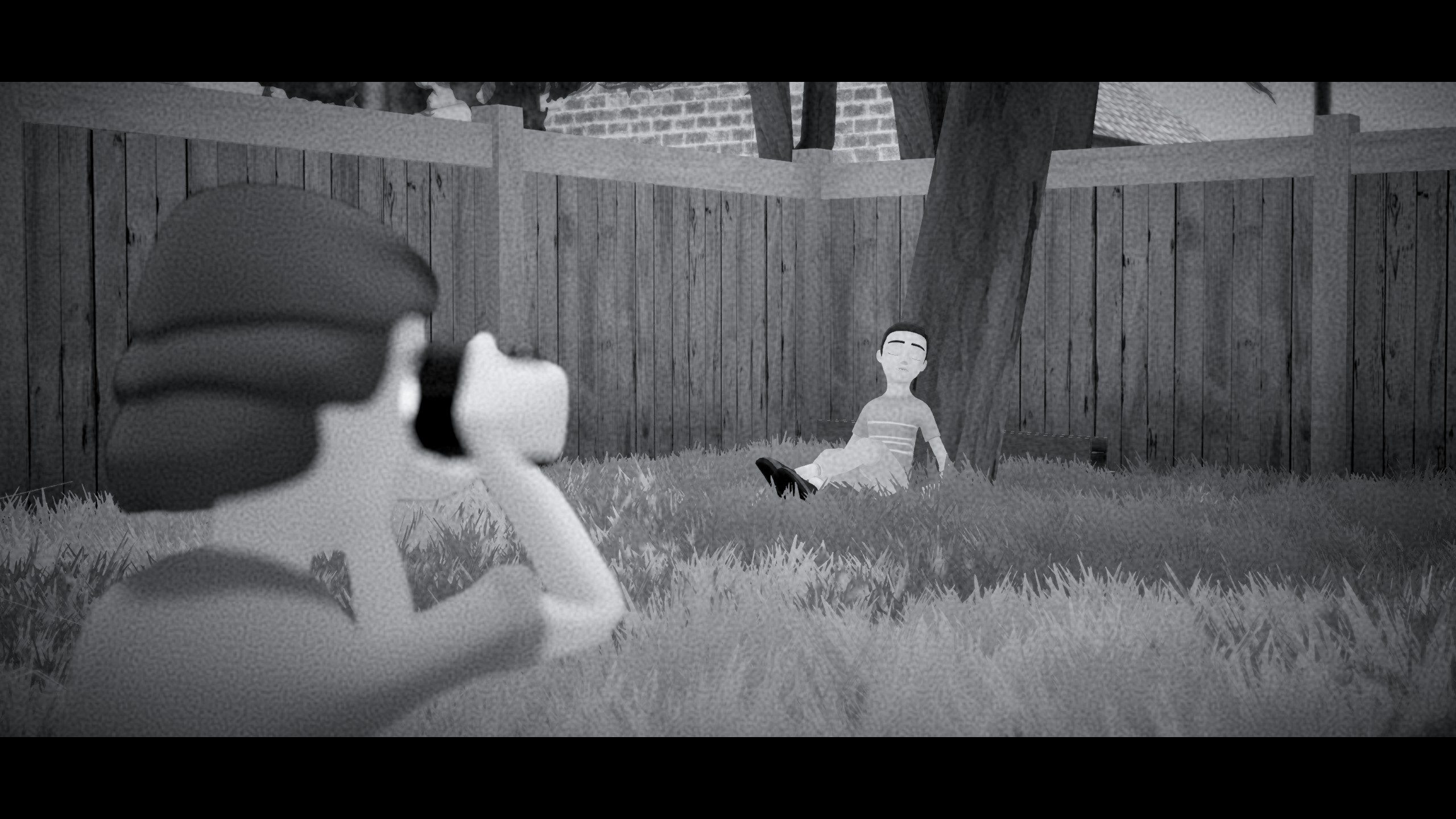
Fomography starts with an emotionally resonating and perfectly delivered story beat. It’s not an unpredictable twist as I could see it coming when I started the game, but the way it’s implemented and integrated into the gameplay is one of those moments that makes you realize the potential of video games as an artistic medium.
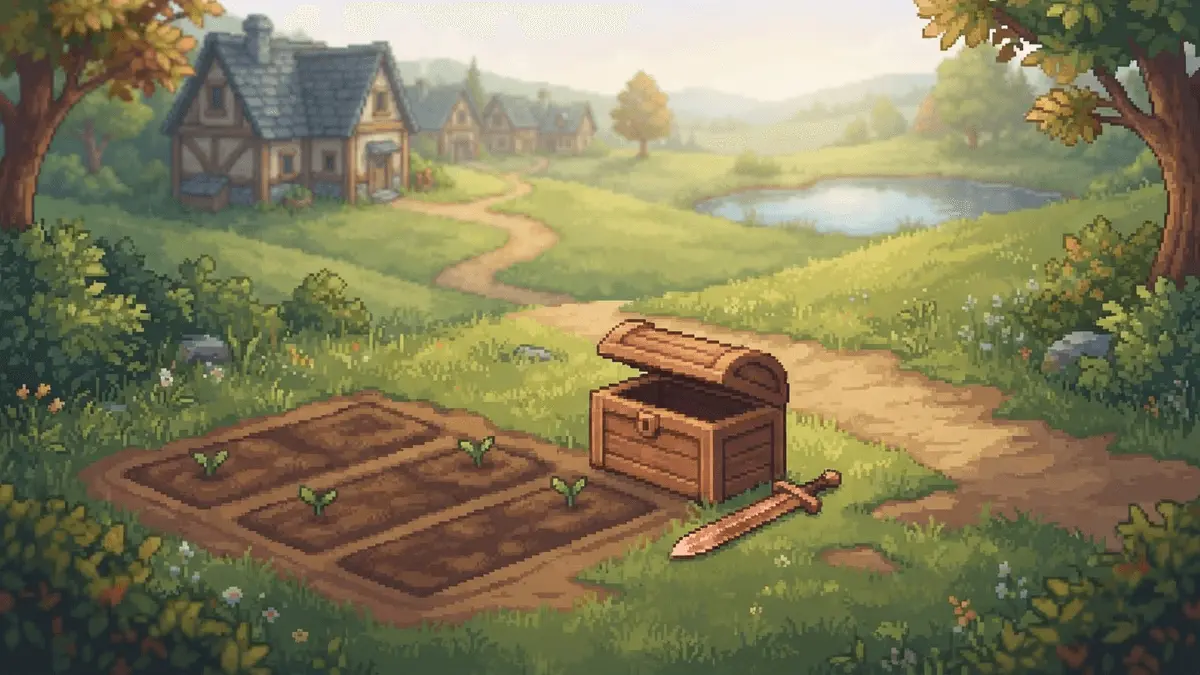
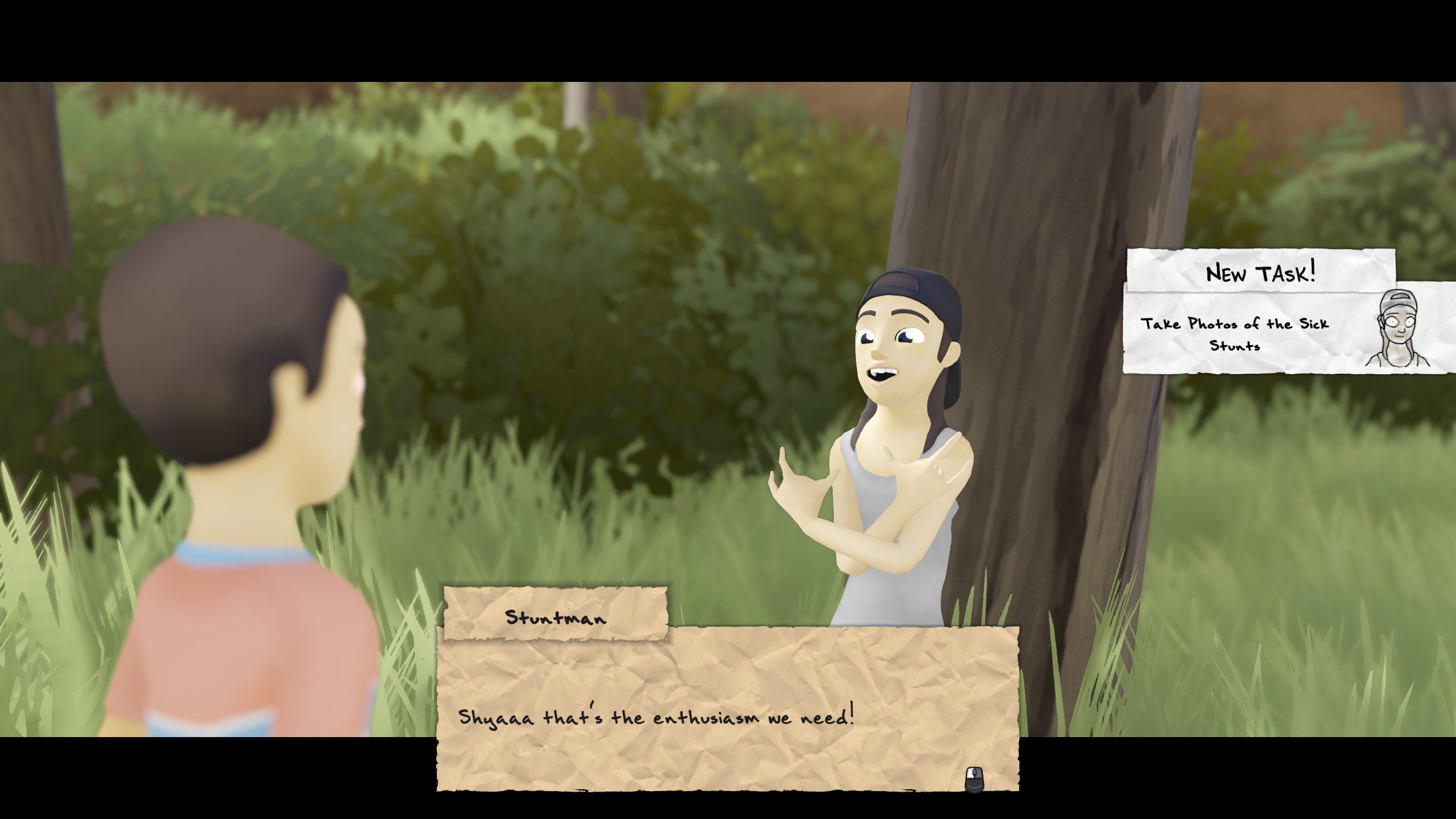
Fomography takes place in a small town with a variety of interesting characters. Each character has their journey and story, and they have different tasks for us to help them with our camera. The Stardew Valley-like interactions created many memorable moments, and the story and gameplay progressions are implemented very well together. The overall story is quite enjoyable, but the opening of the game overshadowed the rest of the narrative to an extent.
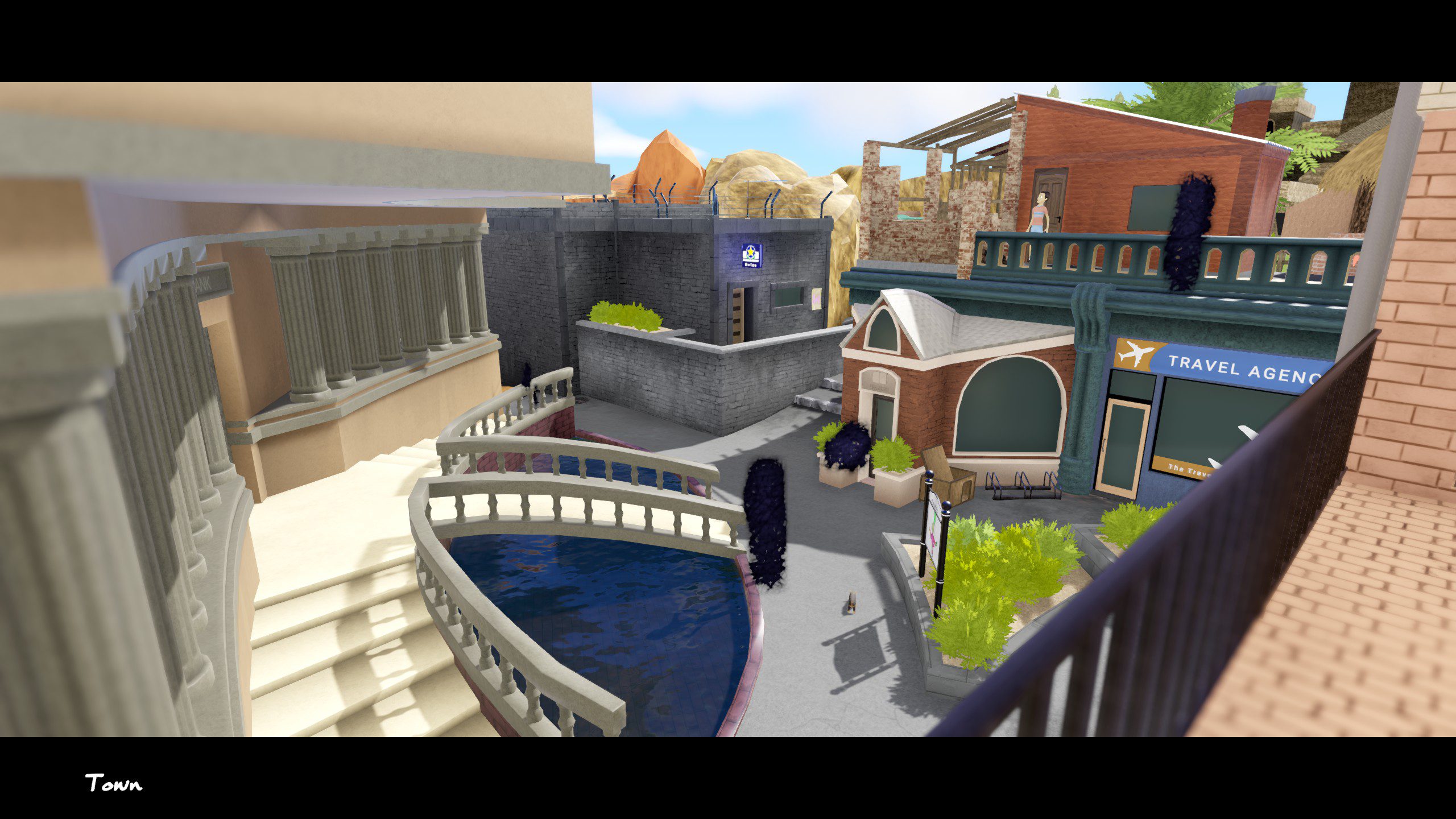
Each character in the game has a task for us that involves capturing photos of different things. We create a page in our album for each one, and explore the world to find the subjects of our photos. The world of Fomography is surprisingly large and filled with details. We start in the small town and the few buildings within it, but soon we can unlock access to the surrounding areas. Each zone has unique and distinguishable visuals and aesthetics, and with a day and night cycle that changes the world, there’s a lot of variety that we can encounter while exploring.
The gameplay of Fomography can be described as a collection game with metroidvania progression elements. We explore the world looking for the subjects we need, so we can complete the album pages. We need certain camera add-ons and equipment to finish certain tasks, and we need to complete quests to unlock new zones. We can visit the characters once in a while to hand in the photos we have and get some rewards, and this will unlock further progression in the game.
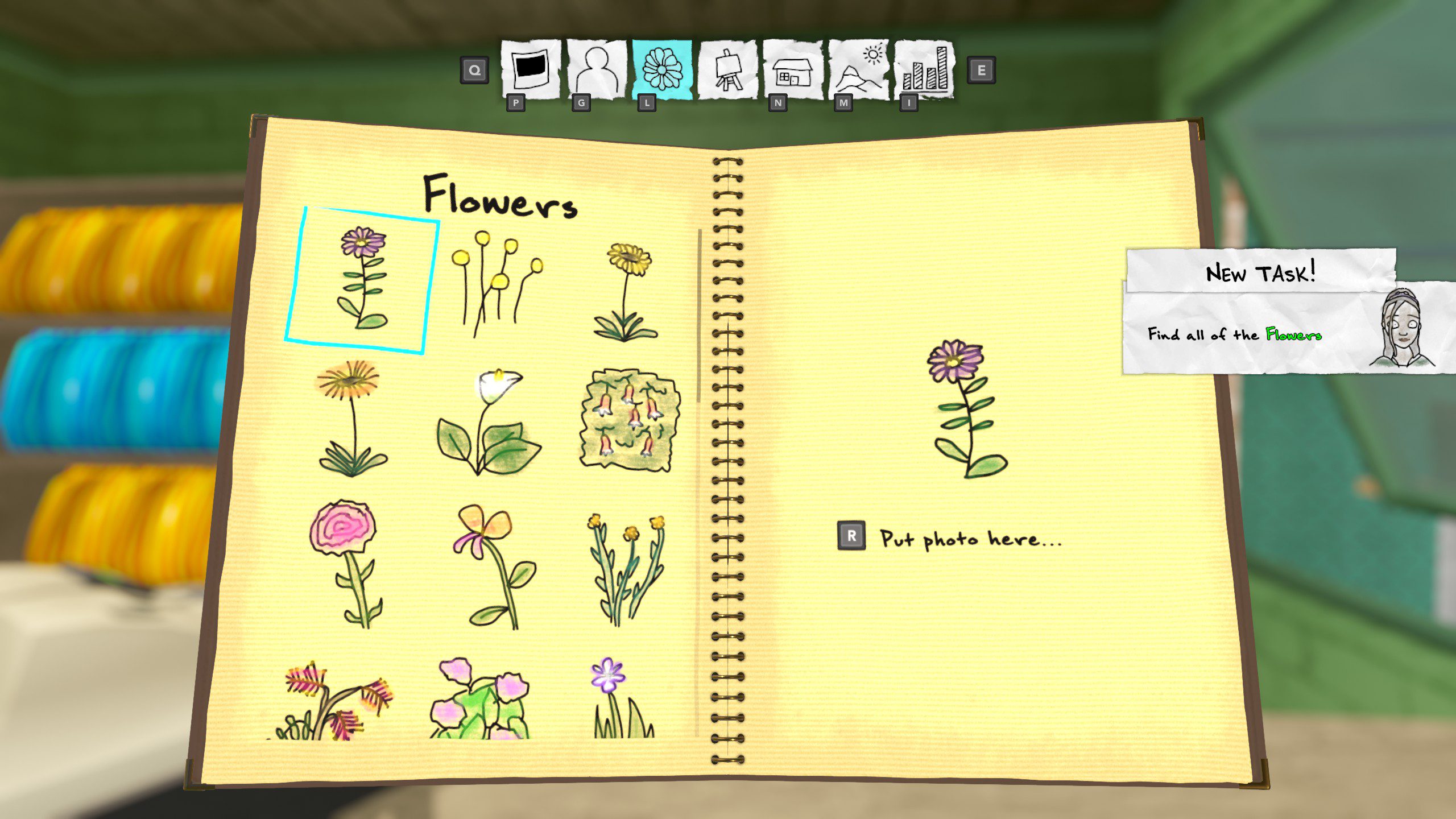
The gameplay loop at the beginning started slowly, and I felt quite lost about where I needed to go and what I needed to do. Fomography lacks a clear and accessible tutorial in the beginning, and considering the theme and the narrative of the game, which makes it suitable for younger age groups, this will be a big hindrance in the way of enjoying it.
Once I found my footing, I knew how the different menus and camera modifications worked, and could navigate the world more easily, the gameplay started to feel more engaging and fun. The map provides a guide on how many subjects each location has and how many I had already taken pictures of, and after unlocking a few camera parts, I was able to go through each location and search for the remaining objectives. The only part of the exploration and gameplay that felt underwhelming was the underwater sections of the world. There is a beach and a river going through multiple zones, and there are a lot of fish, gems, and underwater plants that we need to capture. But the swimming speed and physics of Fomography feel extremely slow and janky.
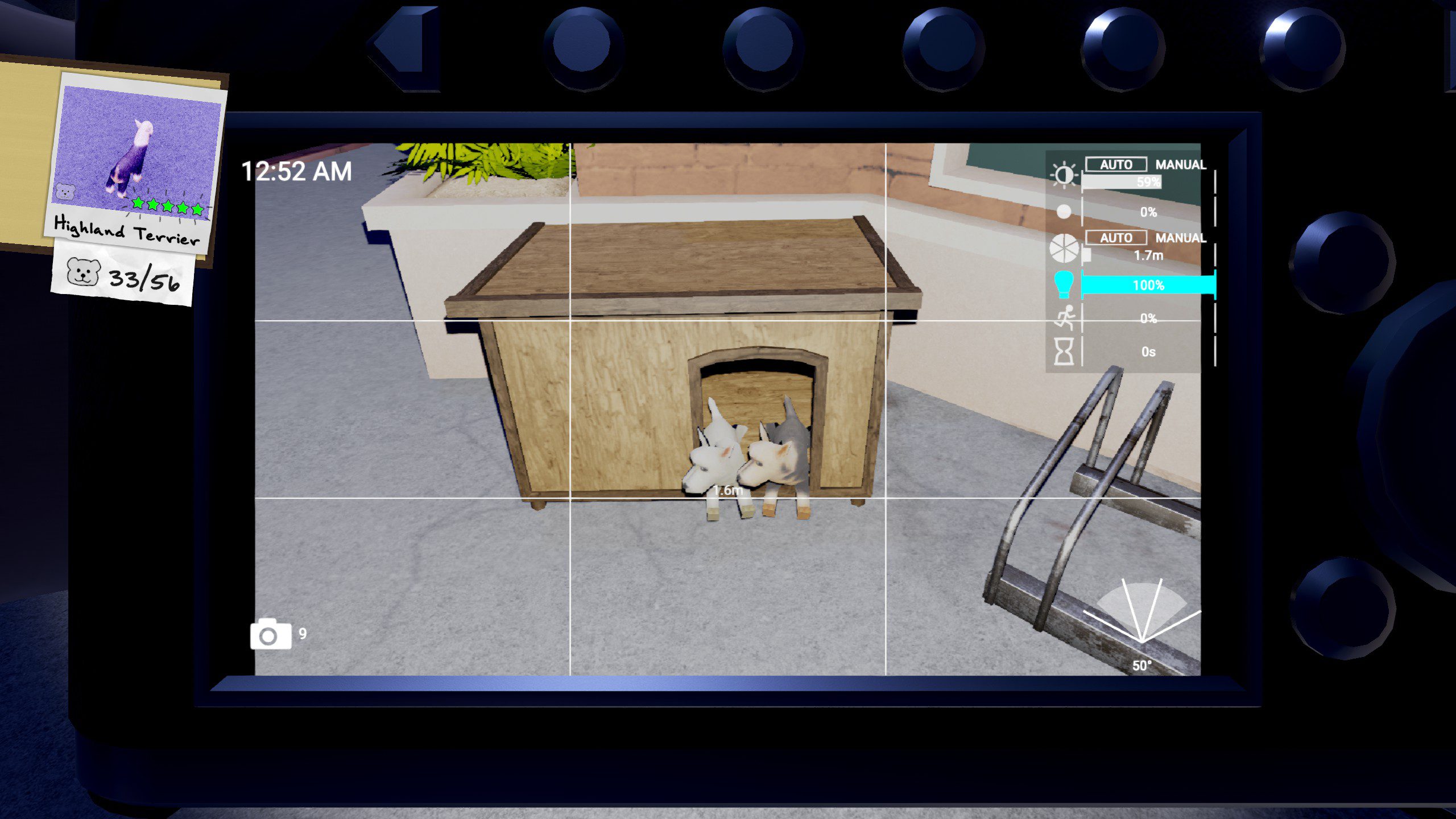
The photography mechanics themselves are mostly great. At first, without any modification, we just need to find the best angle. There is a rating system in the game that I felt was ambiguous, and only cared about zooming in on the subject and filling the frame to get the highest rating. This didn’t have any gameplay impact, so I could just focus on taking the photos I think looked best, but its presence is still questionable at best. Ignoring the rating system, the rest of the mechanics, such as focus, zoom, brightness and flash, and motion blur, all work very realistically, and it was fun to play around with the camera settings. Speaking of camera settings, I either missed the tutorials on how to use them, or there weren’t any. It took me getting stuck at one point in the game to check to keybindings and realize there are separate keys to adjust the settings on the camera.
Fomography is all about taking photos of the world and people and creatures within it, and while the character and environmental designs look okay, it’s not the prettiest among similarly scaled indie games. The visuals are stylish, but for a 3D game feel a bit outdated. It took a while for the art style to grow on me, and with the slow start of the story and gameplay after the opening sequence, these can all add to a great experience hidden behind a very rough patch. I think the phrase “it gets better after x hours” is the worst compliment a game can get. But it’s one I have to give Fomography. It’s not long, it’s barely 30 minutes to an hour to get over the weaker sections of the game, but compared to the handful of hours it takes to finish it, it still hurts the overall experience.
It’s been a day since I finished Fomography, and I’m still thinking about its opening. It’s one of the best openings I’ve experienced in an indie game. Fomography also offers a couple of hours of fun and relaxing gameplay if you get through the slower parts, with fun characters and side stories, but it never lives up to the expectation set by the first couple of minutes. I loved Fomography, but it’s still very hard to fairly score and recommend it to other players.
Nima reviewed Fomography on PC with a provided review copy.