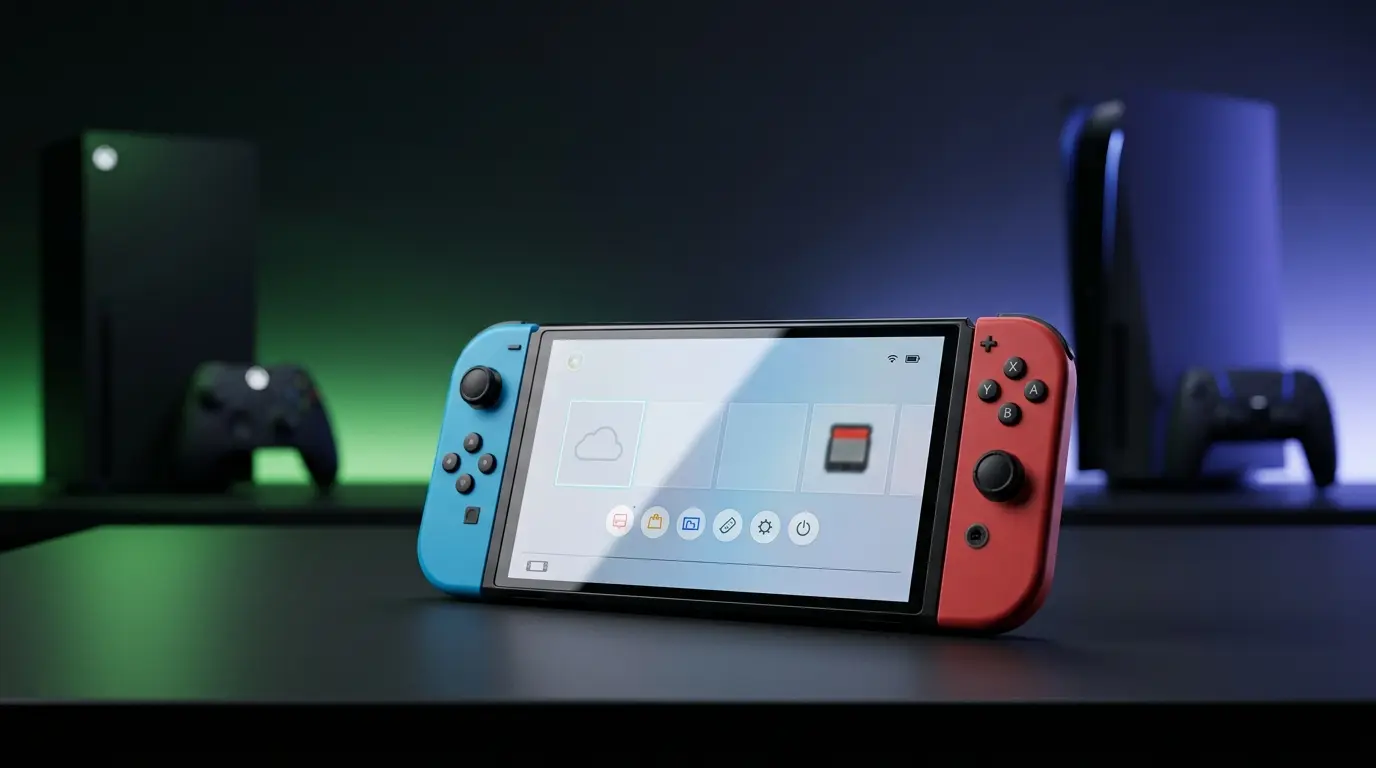
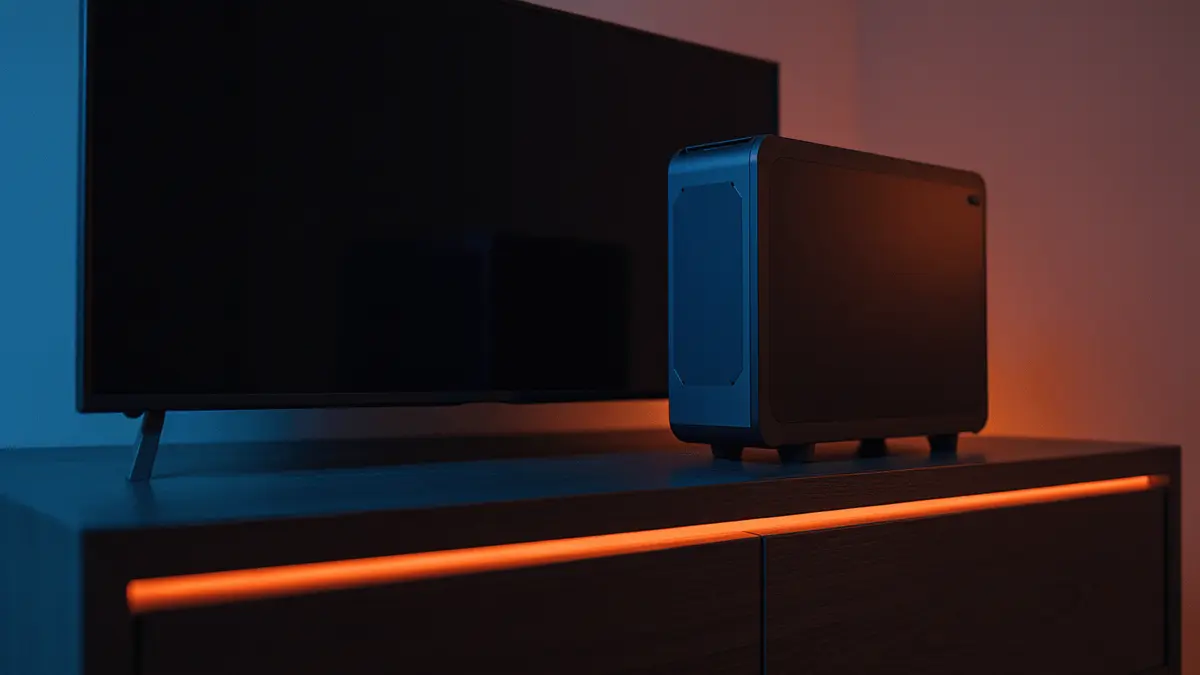
Valve has confirmed it will not subsidise the Steam Machine to hit a console-style price point, with software engineer Pierre-Loup Griffais telling SkillUp that pricing will be “more in line with what you might expect from the current PC market” – a statement that lands as a direct signal to anyone hoping for a $299–$499 living room box, and which effectively repositions the Steam Machine as a compact PC rather than a console competitor from the start.
Here’s the context: Valve‘s previous foray into living room hardware – the original Steam Machines initiative launched between 2013 and 2015 – collapsed in part because third-party OEM pricing made the boxes look expensive against dedicated consoles without offering a compelling exclusive reason to buy in. The Steam Deck‘s launch in February 2022 reset expectations by pricing aggressively against comparable handheld PCs, creating a precedent that Valve would absorb margin to move hardware – though as our coverage of the Steam Deck’s 2026 price increases makes clear, that approach has its own limits. Community estimates based on rumoured specs currently put a DIY-equivalent build at around $770, with component and DDR5 RAM inflation potentially pushing the finished Steam Machine into the $700–$900 range or higher by launch – figures that hardware engineer Yazan Aldehayyat has described as “really competitive” compared to building your own PC at home, framing the value proposition around parity with DIY rather than undercutting PlayStation or Xbox.
Honestly, this is Valve telling you exactly what the Steam Machine is – and, more importantly, what it isn’t. The no-subsidy stance isn’t a failure of ambition; it’s a deliberate choice to avoid the trap of selling hardware at a loss into a market Sony and Microsoft have spent decades conditioning to expect sub-$500 entry points. The problem is that the living room is precisely where that conditioning is strongest. A box priced at $800–$900 that runs the same open PC ecosystem will appeal to enthusiasts who already know what SteamOS offers – but that audience was probably already building small-form-factor PCs. The mass-market household that looks at a Steam Machine next to a $499 PS5 and makes a rational purchase decision is a much smaller group than Valve needs to move meaningful volume. Non-price differentiators like HDMI-CEC support, compact form factor, and low noise are real features, but they are features that justify a purchase for someone already convinced – they don’t close the gap for someone who isn’t. The same tension faces anyone weighing a comparable hardware upgrade, as our Switch to Switch 2 upgrade breakdown illustrates: value propositions only land when the price delta feels proportionate to the audience being addressed.
What remains unclear is the final MSRP and whether Valve will offer multiple SKUs to broaden the entry point without subsidising the flagship. It’s also unknown how projected 2025–2026 DDR5 shortages will affect the bill of materials before launch, and whether Valve has a retail or marketing strategy capable of communicating a $800+ PC-value story to a living room audience. The next concrete data point will be official spec confirmation and pricing – likely tied to a major hardware event or SteamOS update.
Is a Steam Machine priced at PC-market rates ever going to find a mainstream living room audience, or is Valve building a premium product for enthusiasts who don’t need the pitch? And does the no-subsidy approach suggest Valve learned the wrong lesson from the original Steam Machines failure, or exactly the right one? Sound off in the comments below, and keep your eyes on GameLuster for more Steam Machine coverage.