
Visual novels take a variety of approaches when it comes to integrating interactions with their storytelling. Some will focus more on the story itself, with minimal interactivity, while others might offer unique and memorable interactions that stand out even more than the narrative. Visual novels that manage to find the sweet spot between the two elements, like Florence, are ones that will be remembered for a long time.
and Roger is a visual novel developed by TearyHand Studio and published by Kodansha. Its approach to simple yet engaging point-and-click interactivity, combined with a layered and emotional story, creates one of those unique and artistic experiences that showcase the potential of the interactive fiction genre.
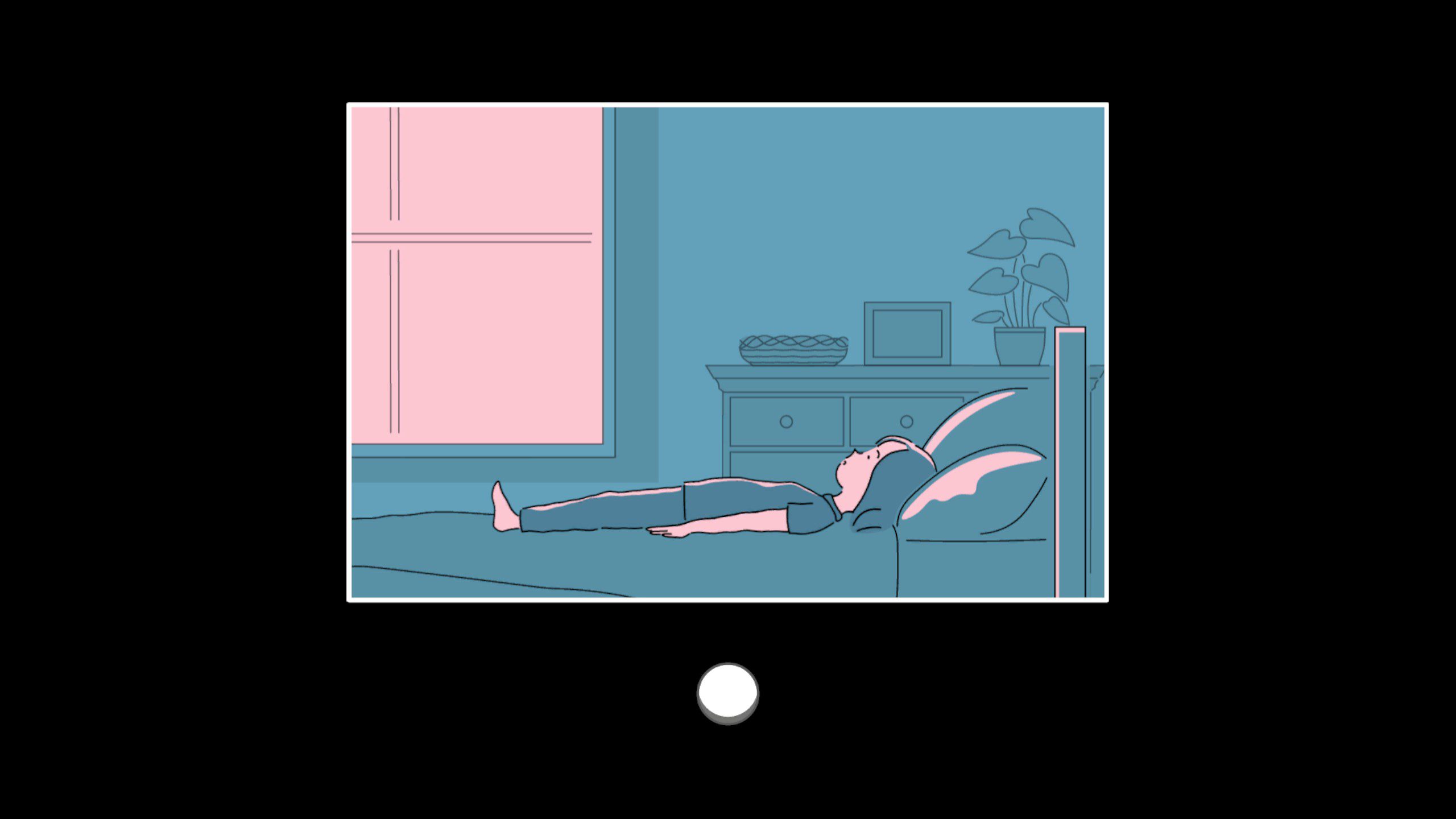
The story of and Roger follows the protagonist, Sophia, in three chapters of her life. We see memories of her childhood, her as a young adult, and finally as a grown woman. The story is brief, taking about 90 minutes to two hours to finish the game, and it’s hard to talk about the details of it without spoiling the experience. Some of the overall themes of the story are trauma, mental illness, and religious faith. Personally, I am not the biggest fan of religious themes in games, as often they can feel forced and overshadow the overall narrative, but and Roger has a very subtle and positive approach to this topic, and I didn’t even notice it until the end of the game.
Each chapter has its unique emotional atmosphere, and the ending will connect each story beat together. The narrative structure might feel chaotic, but it is by design. This can make the first half of the experience a bit confusing, make certain moments in the story more sinister and disturbing, and overall makes it harder for some players to connect with the experience. The final reveal about the character will clear up the confusing elements of the story, but in the meantime, the visual design, the music, and the interactive elements did keep me engaged through those parts.

The game’s visual style did remind me of Florence, but the inspiration doesn’t impede and Roger‘s originality. The visual experience of the game is one of its strongest features. The mostly monochrome style is sprinkled with colors just at the right moments, the still images turn to simple animations when the narrative pace calls for it, and the lines and drawings have a unique fluidity to them that keeps the story and interactions more engaging. The simple and accessible font and UI also enhance the minimalistic aesthetics of and Roger.
The next aspect of and Roger that enhances the experience is the interactions. The game starts with a series of user agreements, sign-ups, and captchas that get more surreal and glitchy. It feels weird and crazy to click through them, and they do have some loose connections to the overall theme of the story, but I think more than anything, they served as a short tutorial on how we are expected to interact with the game.
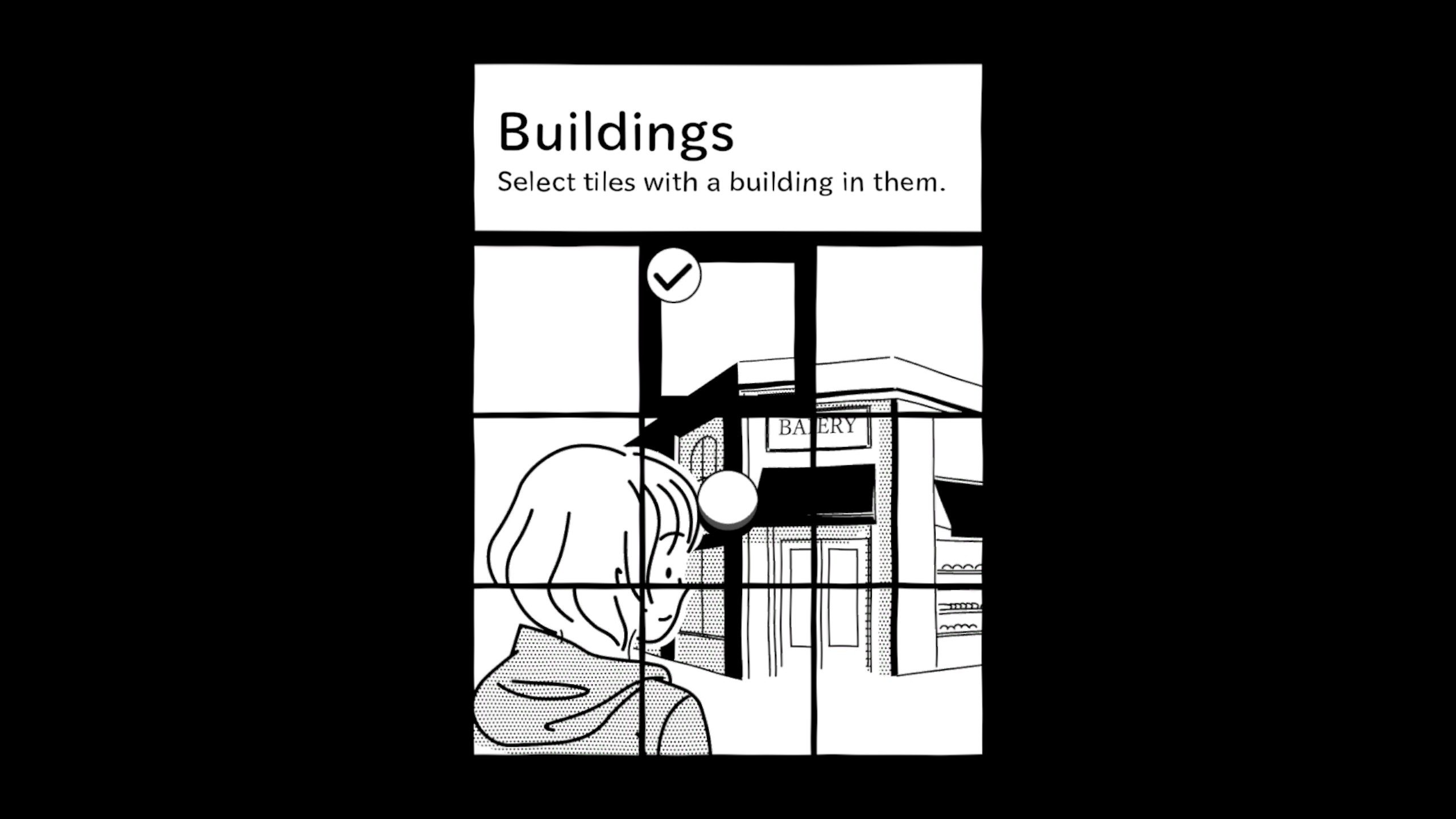
The most impressive aspect of the interactions in and Roger, is that they mirror the story’s emotions and pacing. When the character is afraid and stressed, we have to click fast and erratically. When she tries to make a connection, we have to drag the pointer smoothly, and when she is confused, we have to do it carefully and slowly. All we are doing is clicking and dragging, but they fit the moment-to-moment state of Sophia’s feelings so masterfully, and it multiplies the weight of the narrative.
The brilliance of and Roger is in telling a discordant story, and using every tool available in the medium to deliver the emotional intent of the narrative to its fullest. It can feel confusing and chaotic, but it all leads to a satisfying reveal in the end, and with a short duration, we don’t have to wait long to get there.
Nima reviewed and Roger on PC with a provided review copy.