S&P Global Market Intelligence Kagan forecasts global console shipments will fall 19.5% to 33.9 million units in 2026, per a report compiled in July 2026, reversing the 13.5% gains driven by the Nintendo Switch 2 launch last year and pointing to a market under compounding pressure from hardware pricing, thin software slates, and an unresolved component shortage.
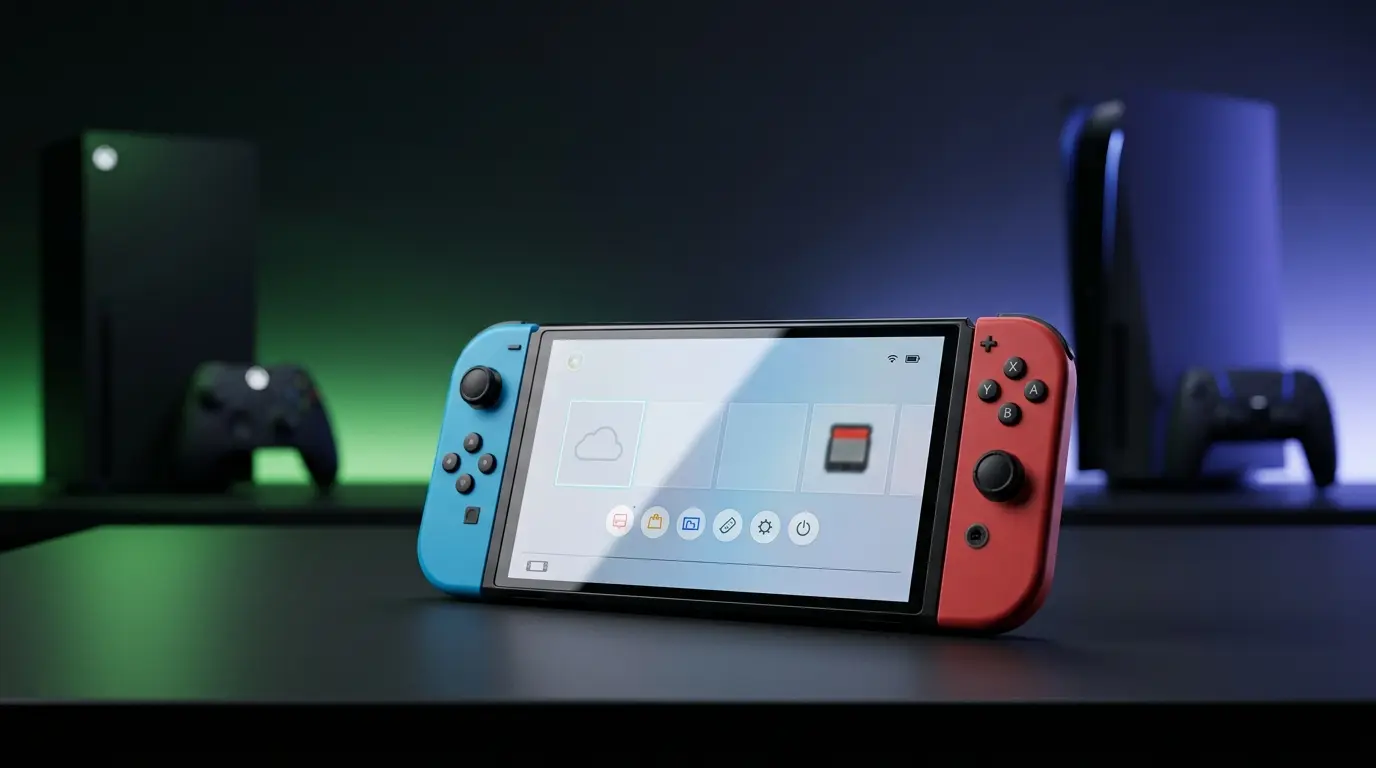
Here’s the context: The S&P report covers only home gaming consoles from Microsoft, Sony, and Nintendo, so mobile and handheld-only devices are excluded. Last year’s 42.1 million unit total was buoyed by strong Switch 2 demand – the console launch helped increase global console shipments by 13.5% to 42.1 million units – but that momentum is already softening under a $50 price increase Nintendo implemented across multiple regions and an absence of near-term software tentpoles. The broader RAM and storage crisis has forced Sony to raise PS5 prices significantly, and Microsoft‘s Xbox Series X|S console shipments are forecast by S&P to enter a rapid wind-down toward zero after 2026.
S&P projects shipments will decline further to 27.1 million units in 2027 before a gradual recovery to 37.4 million units by 2030, contingent on next-generation hardware arriving and the component crisis easing enough to make those consoles viable for a mass-market price point.
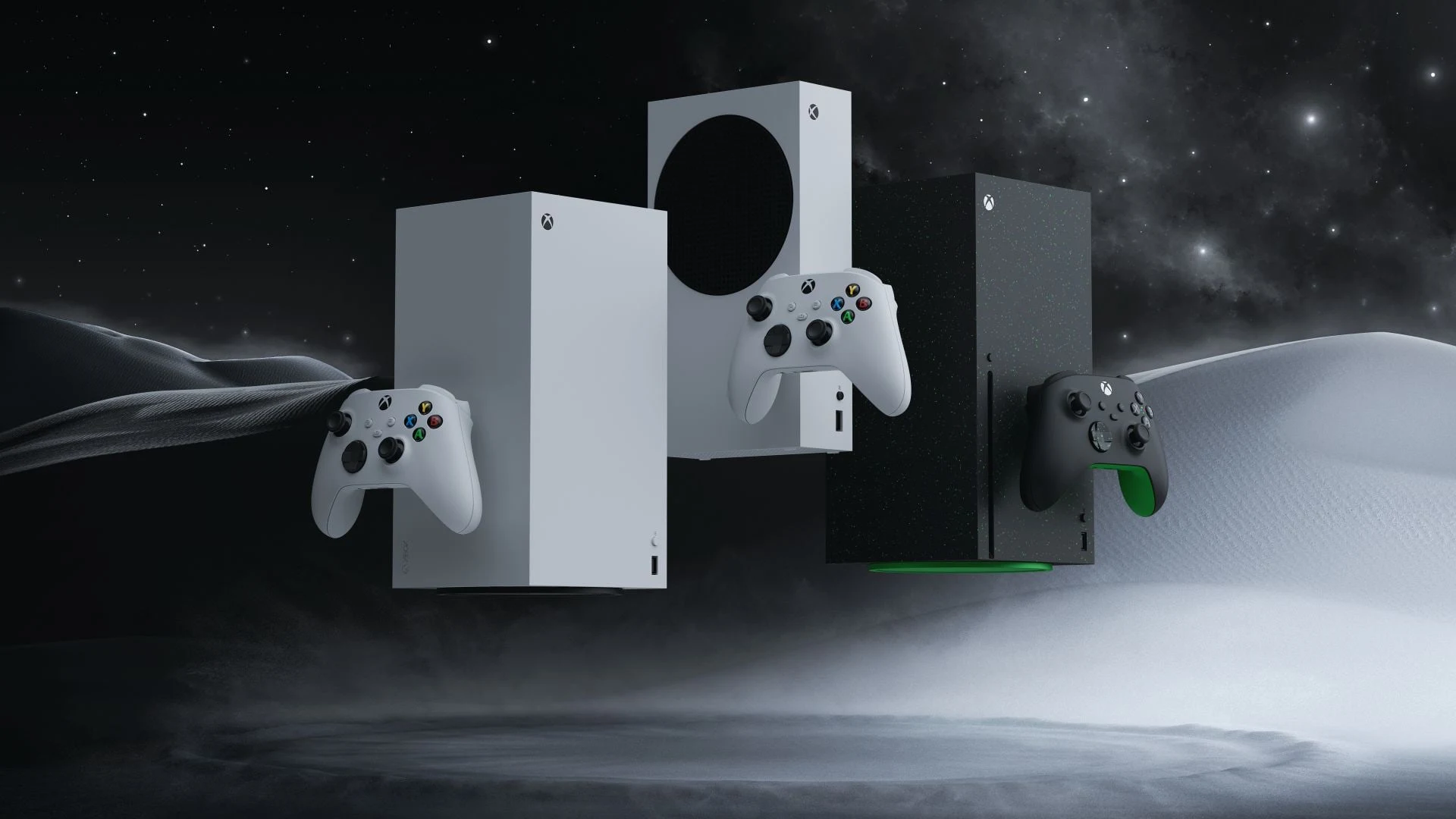
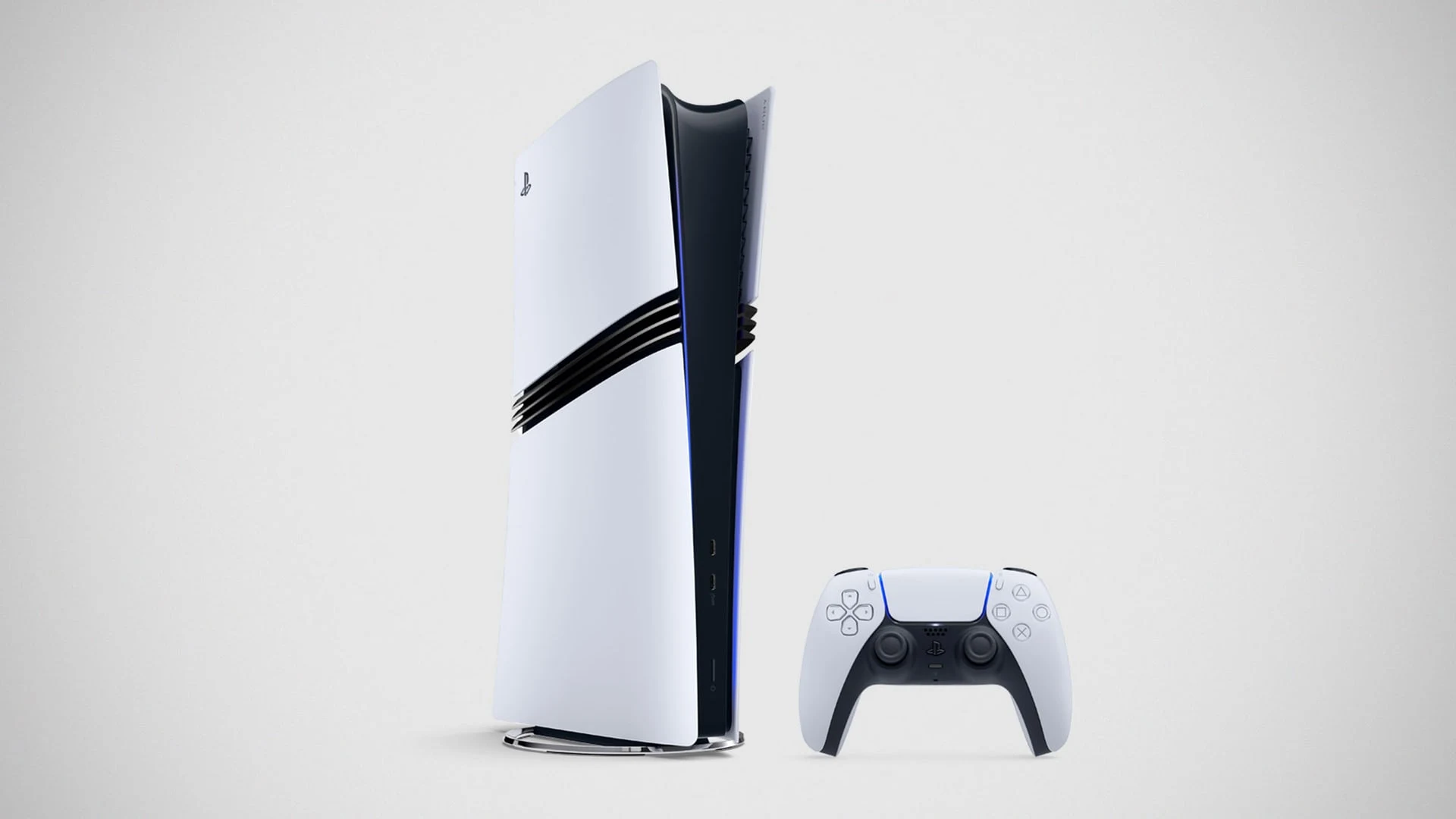
Honestly, the platform-by-platform breakdown is where this report gets genuinely alarming. PlayStation 5 shipped 17.1 million units in 2025 – already a 15.2% year-on-year decline – and S&P expects that to fall to 13.2 million in 2026, a device now in its sixth year selling at prices between $600 and $900 depending on the model after Sony‘s April 2026 increases. The bet that Grand Theft Auto 6 will provide a meaningful shipment lift is one S&P analyst Neil Barbour treats with visible skepticism. For Xbox, the situation is starker: 3.2 million Series X|S units shipped in 2025, quarterly figures fell below 500,000 for the first time in S&P’s dataset in Q1 2026, and the forecast for the full year sits at 2.5 million – with a wind-down toward zero thereafter. Microsoft’s pricing decisions have left the Xbox Series X sitting $100 above a standard PS5, which, at this stage of the generation, is a nearly impossible position to defend on value.
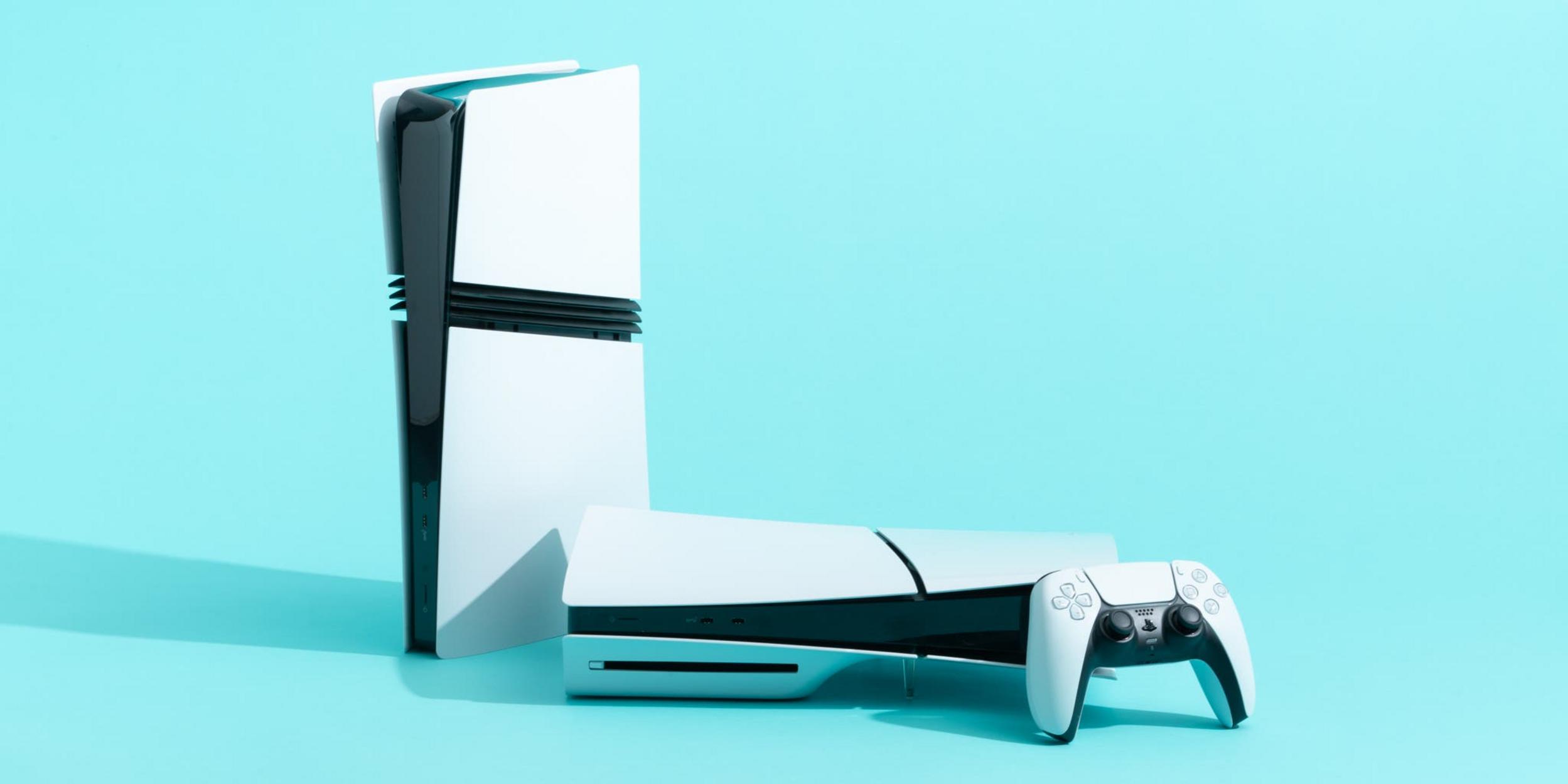
Barbour said the market is facing compounding pressures including older or expensive hardware, a thin software slate outside tentpole releases, and a macro environment that keeps meaningful price relief off the table.
- Switch 2 (2026 forecast) – 17.1 million units; Nintendo’s own guidance projects 16.5 million for fiscal year 2
- PS5 (2026 forecast) – 13.2 million units; prices now range from $600 (Digital) to $900 (Pro) following April 2026 increases
- Xbox Series X|S (2026 forecast) – 2.5 million units; S&P projects a rapid decline toward zero thereafter
- Total market (2027 trough) – approximately 27.1 million units before recovery toward 37.4 million by 2030
What remains unclear is how much the Project Helix next-gen Xbox – which will support both Xbox and PC games – reshapes the hardware picture, or whether it effectively exits the traditional console market entirely. Barbour acknowledged S&P’s post-2027 Microsoft trajectory is functionally splitting the difference between a proper successor console and an Xbox-certification program for PC OEMs, and readers should treat those projections as a range rather than a point estimate. S&P’s recovery model also assumes Sony launches a PlayStation 6 in 2028, contributing 4 million units in year one and scaling to 17.2 million by 2030 – a timeline that hinges entirely on the component situation improving sufficiently to support a launch in the $600 to $800 range. Sony’s broader PS6 strategy suggests it understands the stakes, but hardware ambition and component availability are different problems.
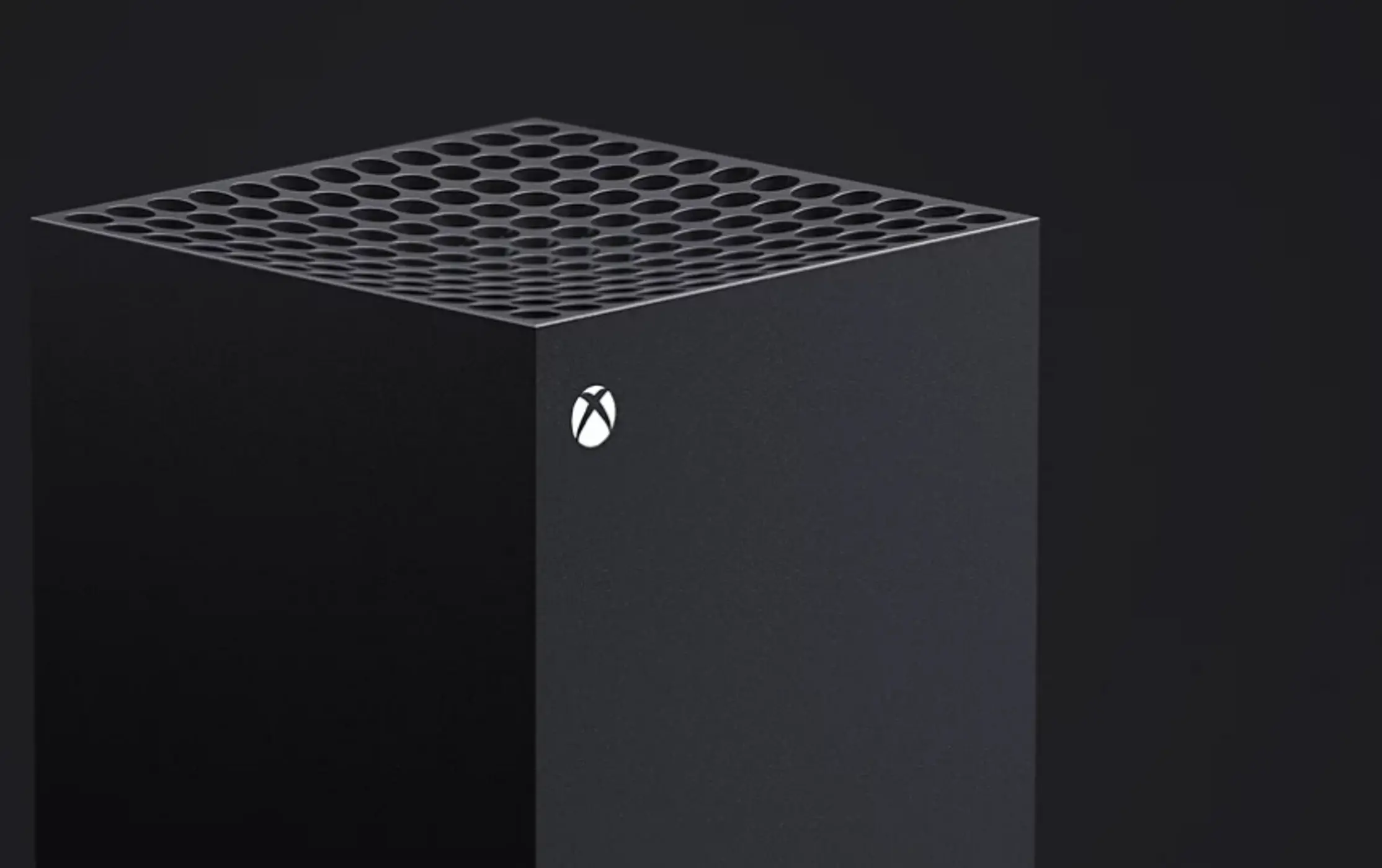
What to watch: Nintendo‘s next major software announcement will be the clearest short-term signal – Pokémon Wind and Waves isn’t arriving until late 2027, and absent a surprise tentpole, Switch 2 hardware momentum will keep softening through 2026. For Sony, the GTA 6 launch window is the only realistic near-term catalyst, and even that is complicated by a $650 base PS5 entry price after April 2026 increases. Microsoft‘s next hardware reveal will either clarify or further muddy whether Xbox intends to compete in the console market at all.
Do you think the RAM and storage crisis is the primary driver of the 2026 slump, or is this a generation that was already running out of road regardless? And at current price points, is there a software release compelling enough to move the needle on PS5 hardware before PS6 arrives?