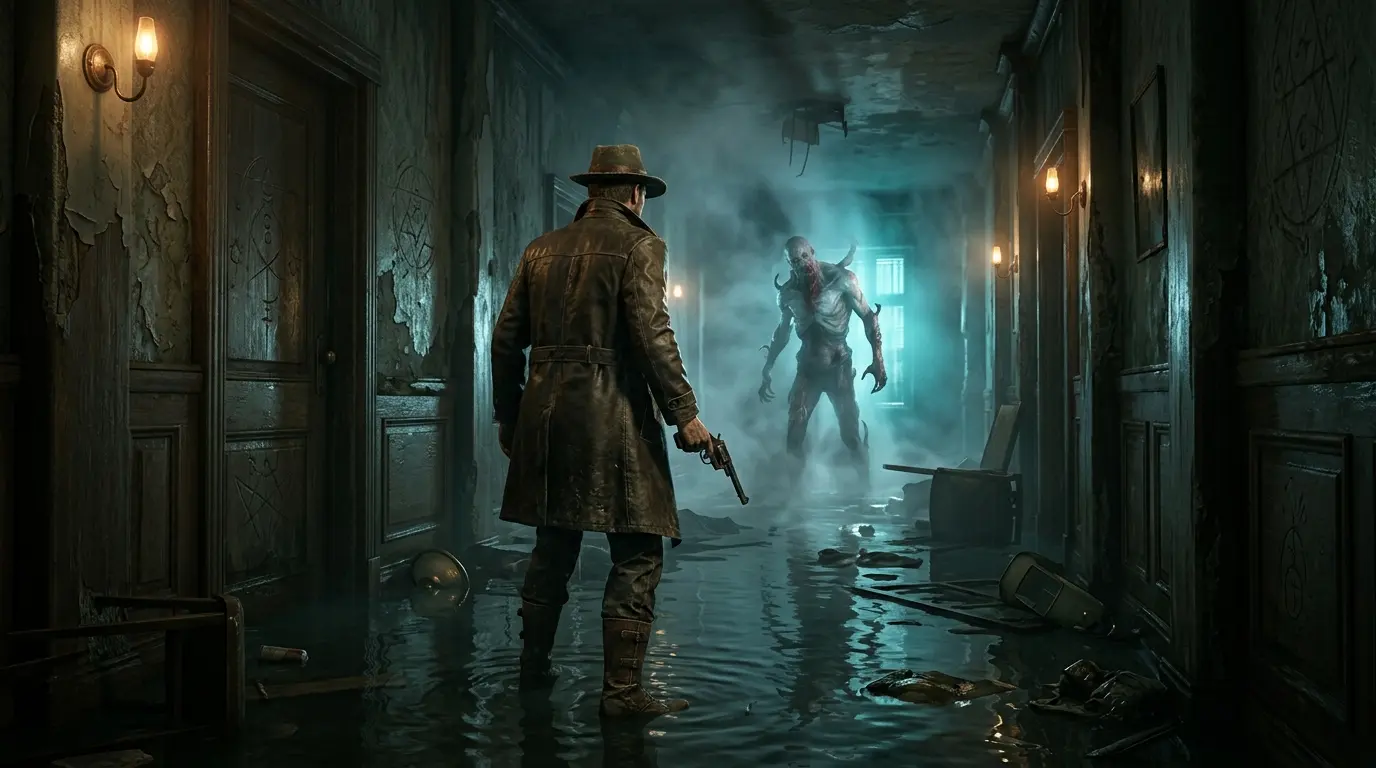

Surgent Studios’ psychological horror walking sim, Dead Take, is a dive into the horrors of Hollywood, its cruelty, and the unyielding ambition of those who seek it out. It’s a story that takes heavy inspiration from the real life experiences of those behind it, including Surgent Studios’ founder and Dead Take’s creative director, Abubakar Salim (Game of Thrones and Assassin’s Creed Origins), as well as its star studded cast: Ben Starr (Final Fantasy XVI and Clair Obscur: Expedition 33), Neil Newbon (Baldur’s Gate 3 and Resident Evil Village), and Jane Perry (Hitman World of Assassination and Cyberpunk 2077).
We play as Chase Lowry (Neil Newbon), a struggling actor who is competing with his friend and rival, Vinny Monroe (Ben Starr), for the role of a lifetime in the upcoming film of legendary director, Duke Cain. Cain is known for being notoriously difficult to work with due to his strive for perfection, often making or breaking the careers of those he works with. When Vinny is invited to Cain’s mansion for a private party, he stops responding to Chase’s messages and won’t pick up the phone. Chase decides to crash the party and search for his friend, finding the mansion empty and a breadcrumb trail of clues to follow to find out what happened to Vinny.
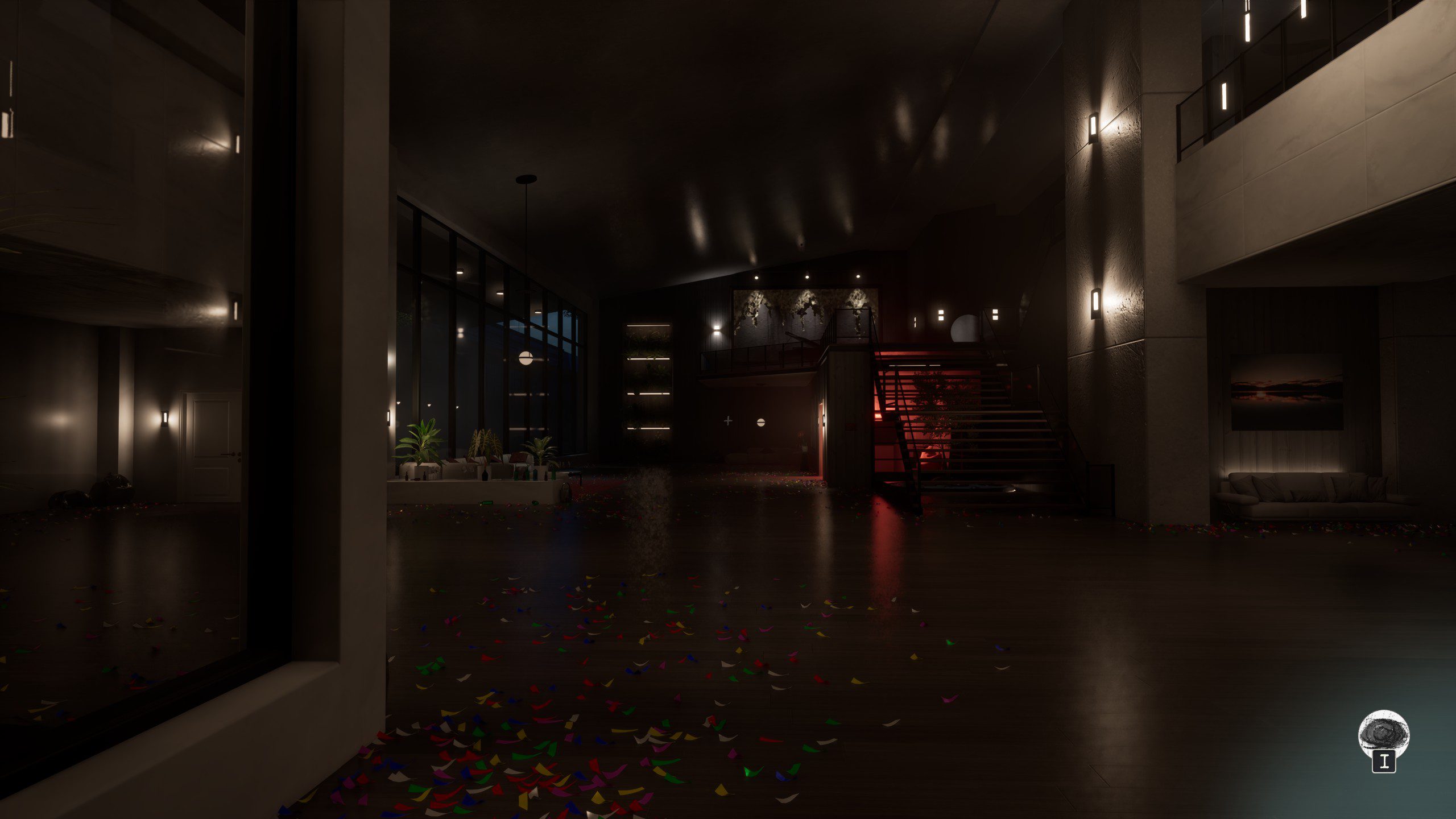
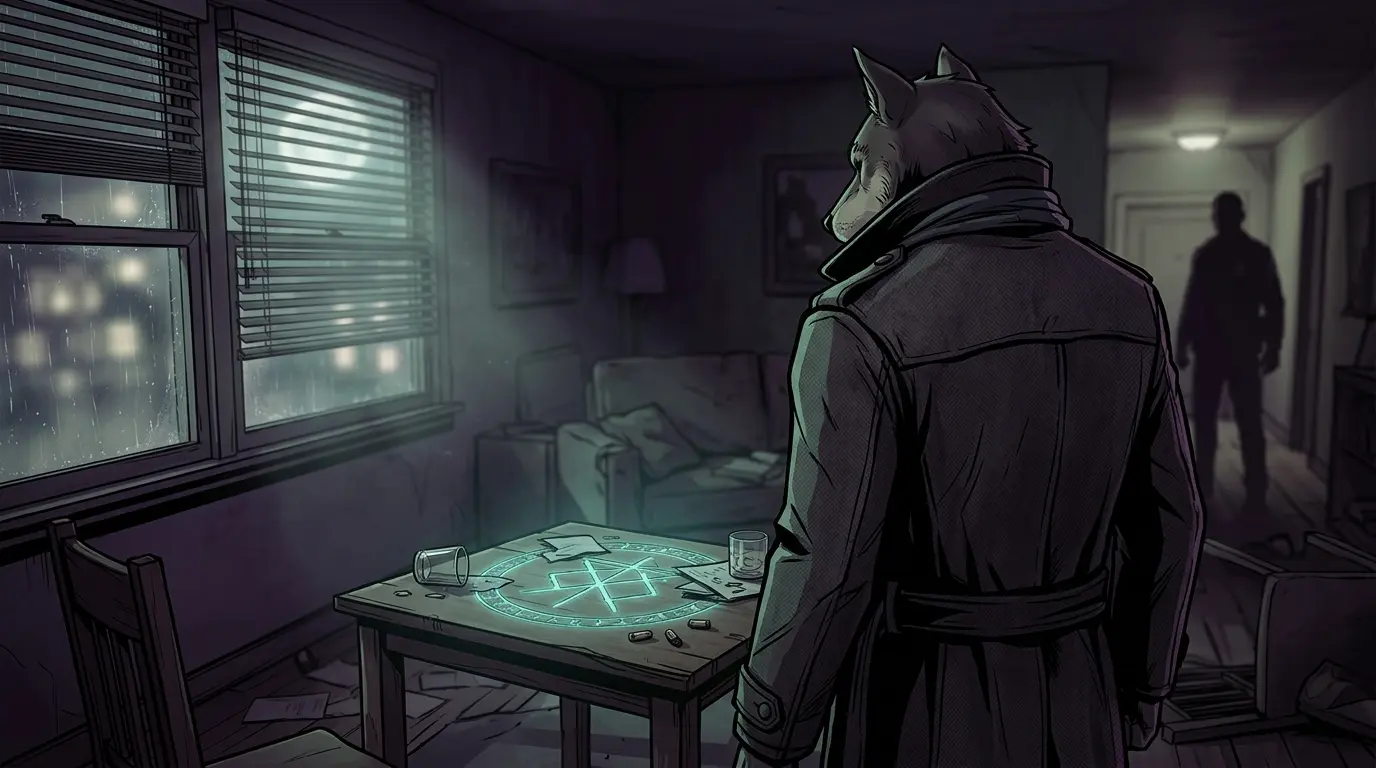
Dead Take is a walking sim with escape room-style puzzle elements. As Chase, we explore the mansion and uncover information on Vinny’s disappearance, the making of Cain’s upcoming film, and also the stories of others that he’s worked with. The story revolves around strong themes of ambition, especially among actors trying to catch their big break. Its true horror comes from the cutthroat nature of Hollywood, and the lengths that people will go to for perfection and success, becoming true monsters to do so.
The layout of the mansion means that the player will be backtracking a lot to unlock previously seen locked doors, familiarising themselves with the building in the process. The puzzle elements of Dead Take are generally well-designed, at no point did I feel like the answer to something was too obscure or nonsensical. I enjoyed getting my bearings of the mansion’s layout, and having the satisfaction of slowly unlocking all of its doors and, in turn, its story.
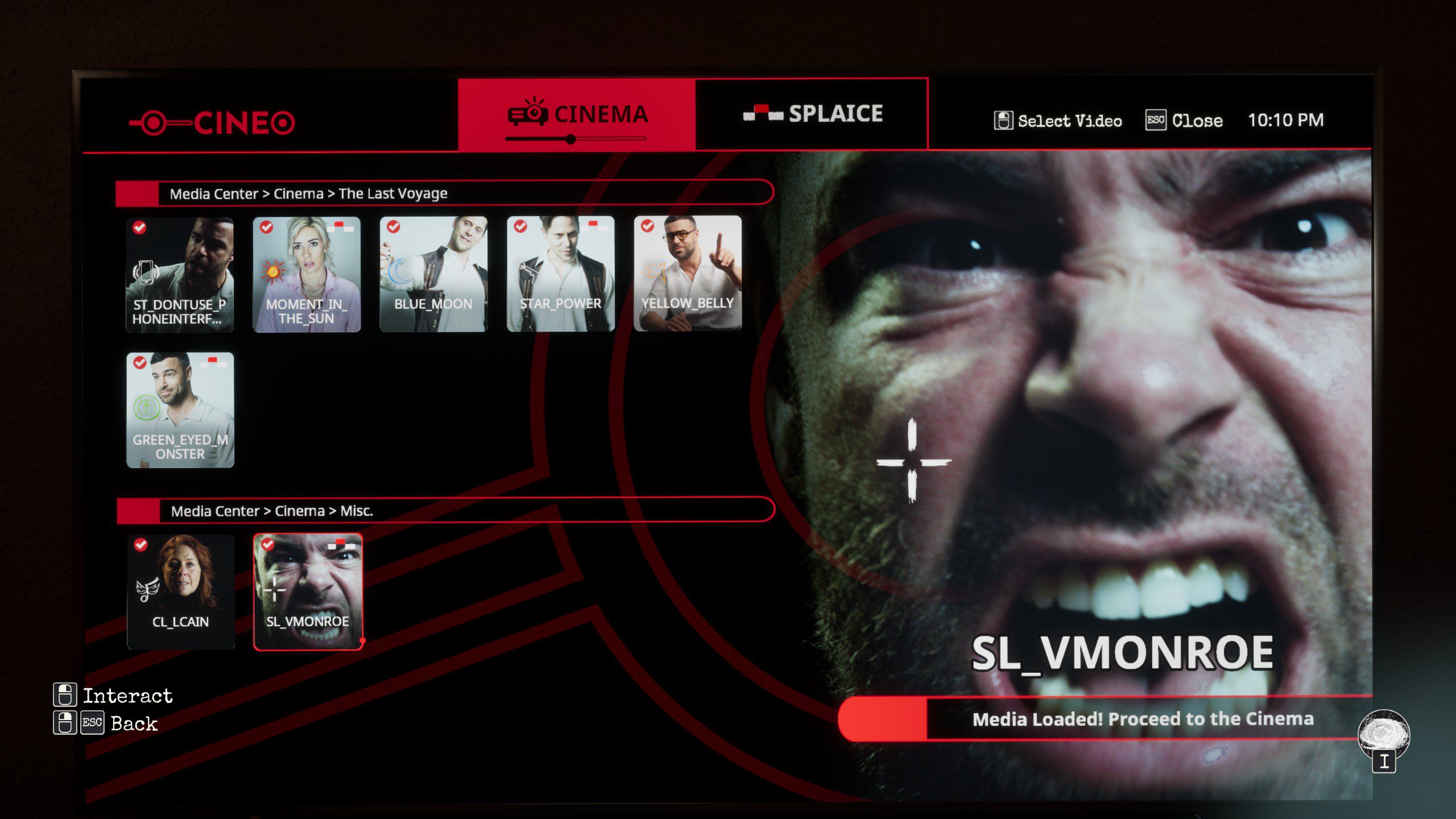
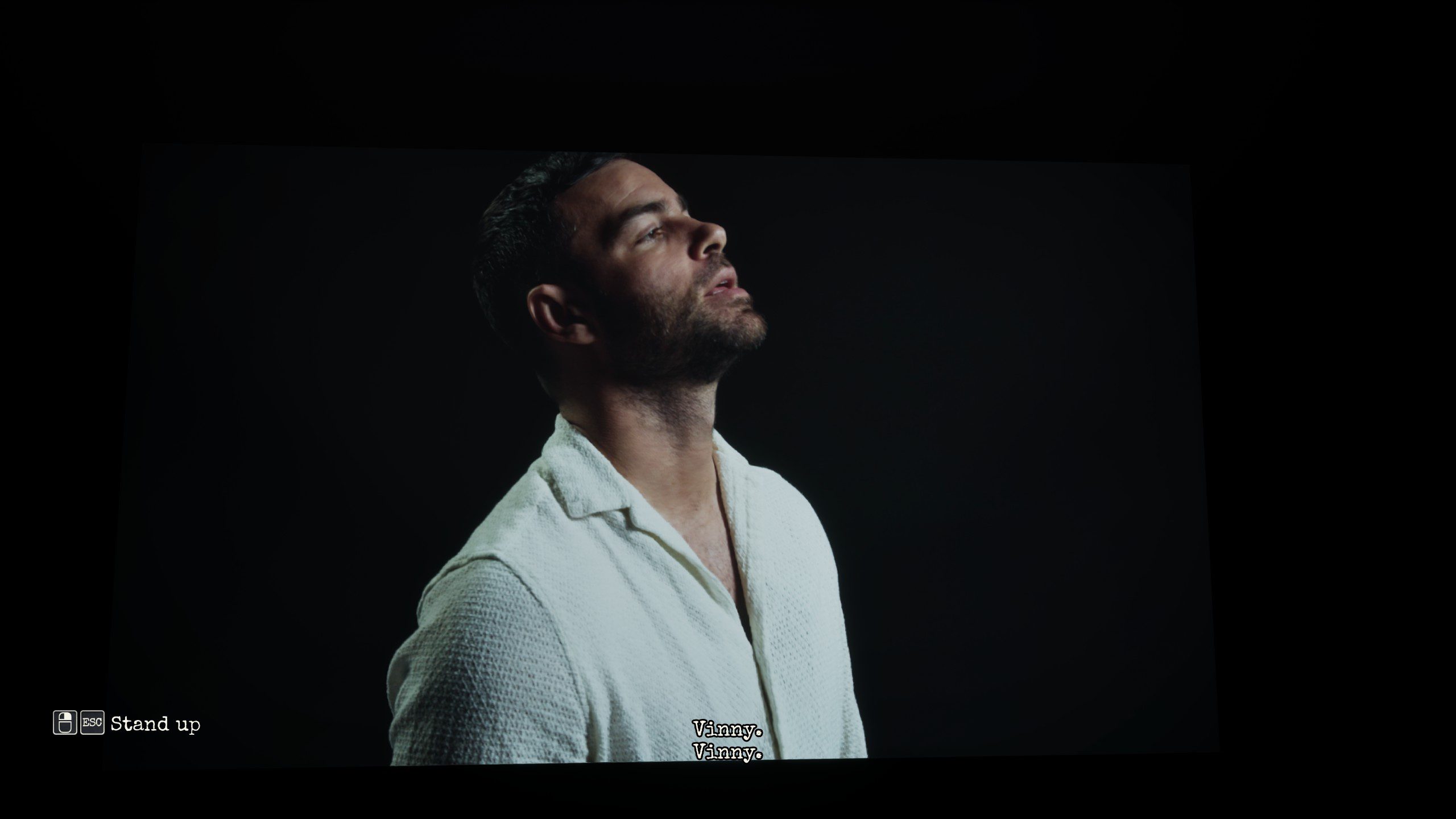
Among the various key items to pick up and use, and the notes and literature scattered around as pieces of the story, you will also come across memory sticks. These contain FMV-style videos that you can upload to Cain’s home cinema system and watch. They mostly consist of audition tapes, screen tests, and interviews of the people Cain has worked with. The computer has an editing software on it called Splaice, which also allows us to combine certain videos to create a new one – like a slimmed-down version of Immortality.
Dead Take’s storyline and FMV features are what set it apart from other games within the genre. The FMV segments are entertaining to watch, and I loved the throwback to Immortality, but this was mainly because the acting was so good from its star-studded cast, with the key performances being from Starr, Newbon, and Perry. Additional appearances come from Alanah Pearce (Cyberpunk 2077), Matthew Mercer (it would be quicker to list off what he hasn’t been in), Laura Bailey (The Last of Us Part 2), and Sam Lake (Alan Wake 2). I do wish that the Splaice function had been a little more in-depth. There’s a few optional side stories to complete by collecting and splicing videos, however these only consist of around two videos per story, and I would have really liked to have seen more of the other members of the cast besides Starr and Newbon.
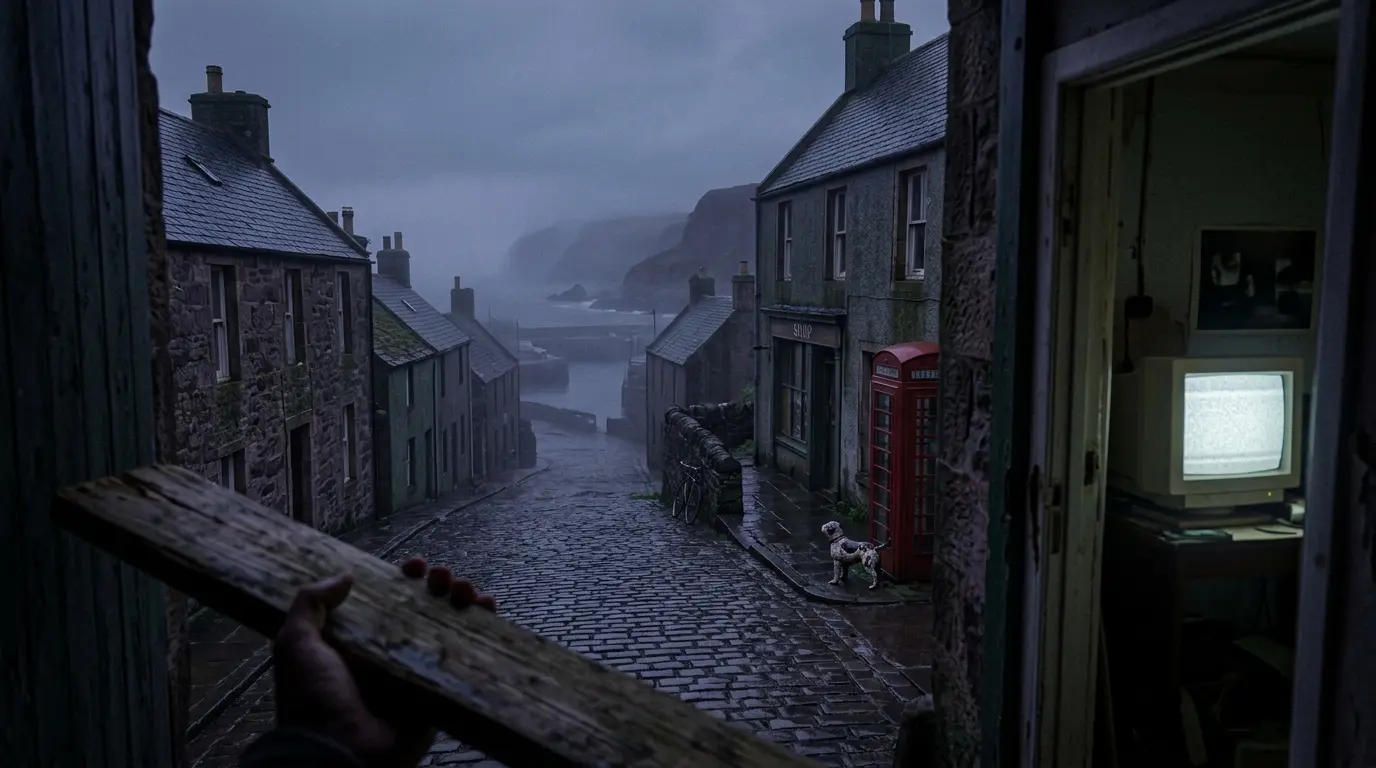
The least interesting parts of Dead Take were literally every time it remembered that it’s a horror game. Built in the Unreal Engine 5, the game has a strong ‘liminal space’ vibe to it, which sets off an initial eerie feel as we set foot into the mansion for the first time. But there’s virtually no built-in tension as we explore the mansion. Occasionally, we’ll hear a door shut, or a car alarm will go off. But aside from that, there’s virtually zero ambience to build on the creepy atmosphere set at the beginning. And while the true horror in the game comes from the themes it explores, it also tries too hard to fit into the genre with cheap jump scares and horror game clichés. It actually got to the point where, because there’s virtually no tension build up, the jump scares didn’t scare me at all and actually just became an annoyance. I wonder whether Dead Take would have been better off as a thriller.
Dead Take explores some personal themes surrounding the pressures of struggling actors and the cutthroat nature of Hollywood. But as an overall package, it’s a really average horror walking sim with some talented faces. Unfortunately, its horror aspects are not just mediocre, but the repeated jump scares being thrown in my face got really tiresome towards the end of the game. I recommend Dead Take as a narrative walking sim with some entertaining escape room-style puzzles, but I do not recommend it as a horror game.
Jess reviewed Dead Take on PC with a provided review copy.