
Endzone was a popular and successful post-apocalyptic survival colony sim released in 2020. The game’s Fallout-inspired aesthetics and themes combined with a challenging and enjoyable gameplay experience made it a memorable title, increasing the hype when the sequel was announced and launched its crowdfunding campaign.
Endzone 2, developed by Gentlymad Studios and published by Assemble Entertainment, builds on the previous title with new mechanics, upgraded visuals, and deeper and more complicated resource management gameplay. Endzone 2‘s Early Access was faced with mixed reviews from players, but its full release is hoping to win back the fans of the original game and prove itself as a contender in the city-builder genre.
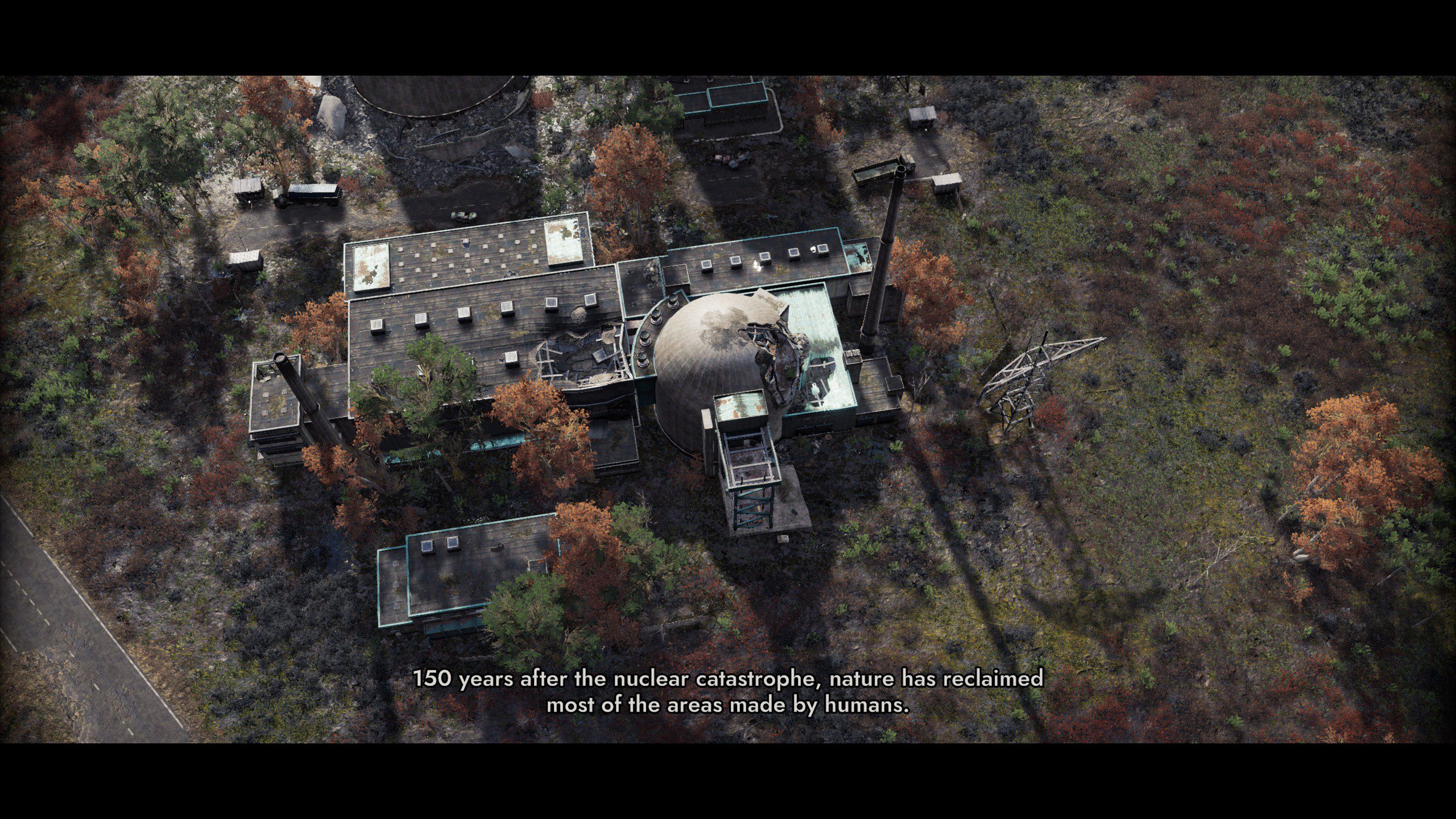
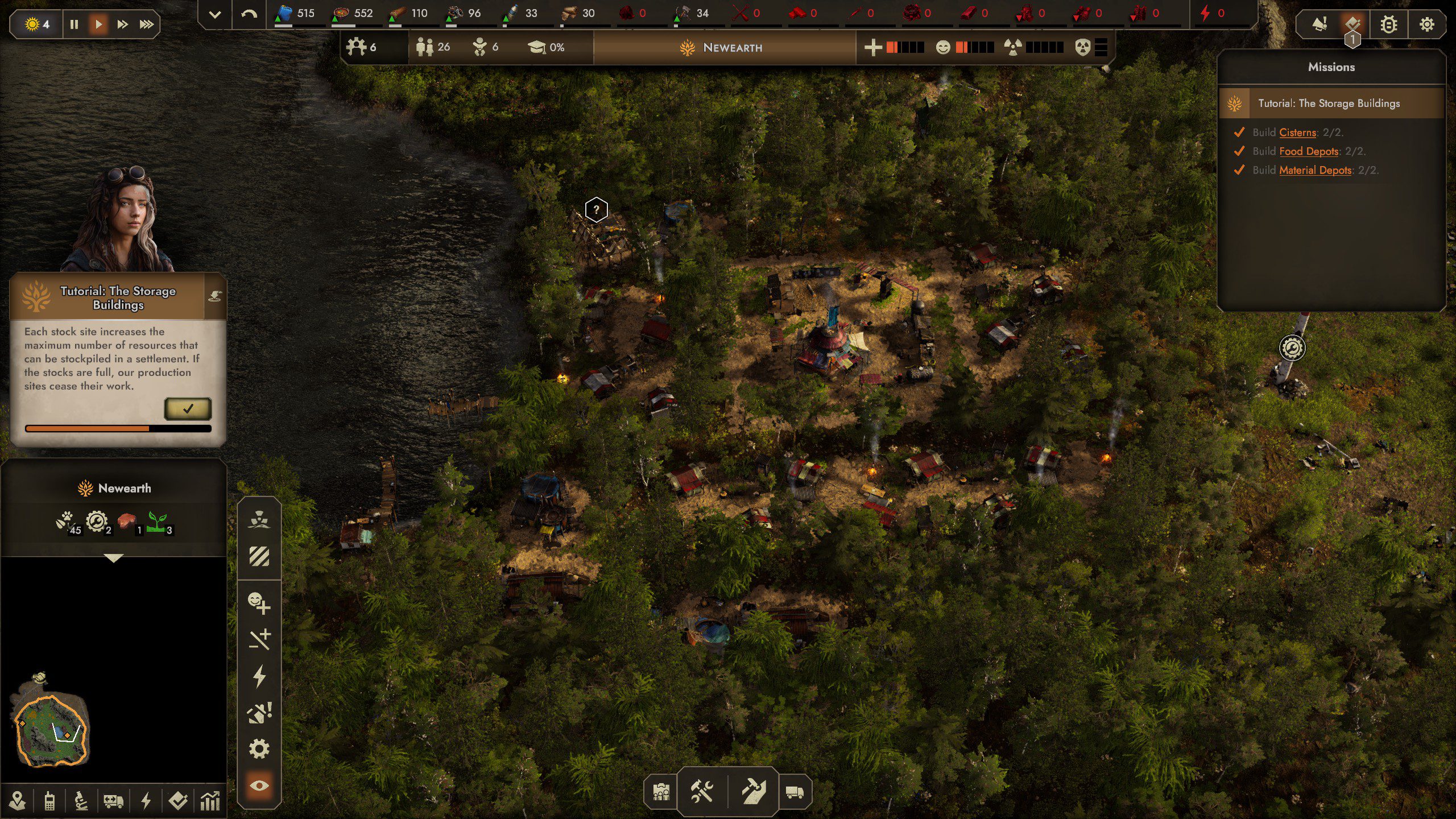
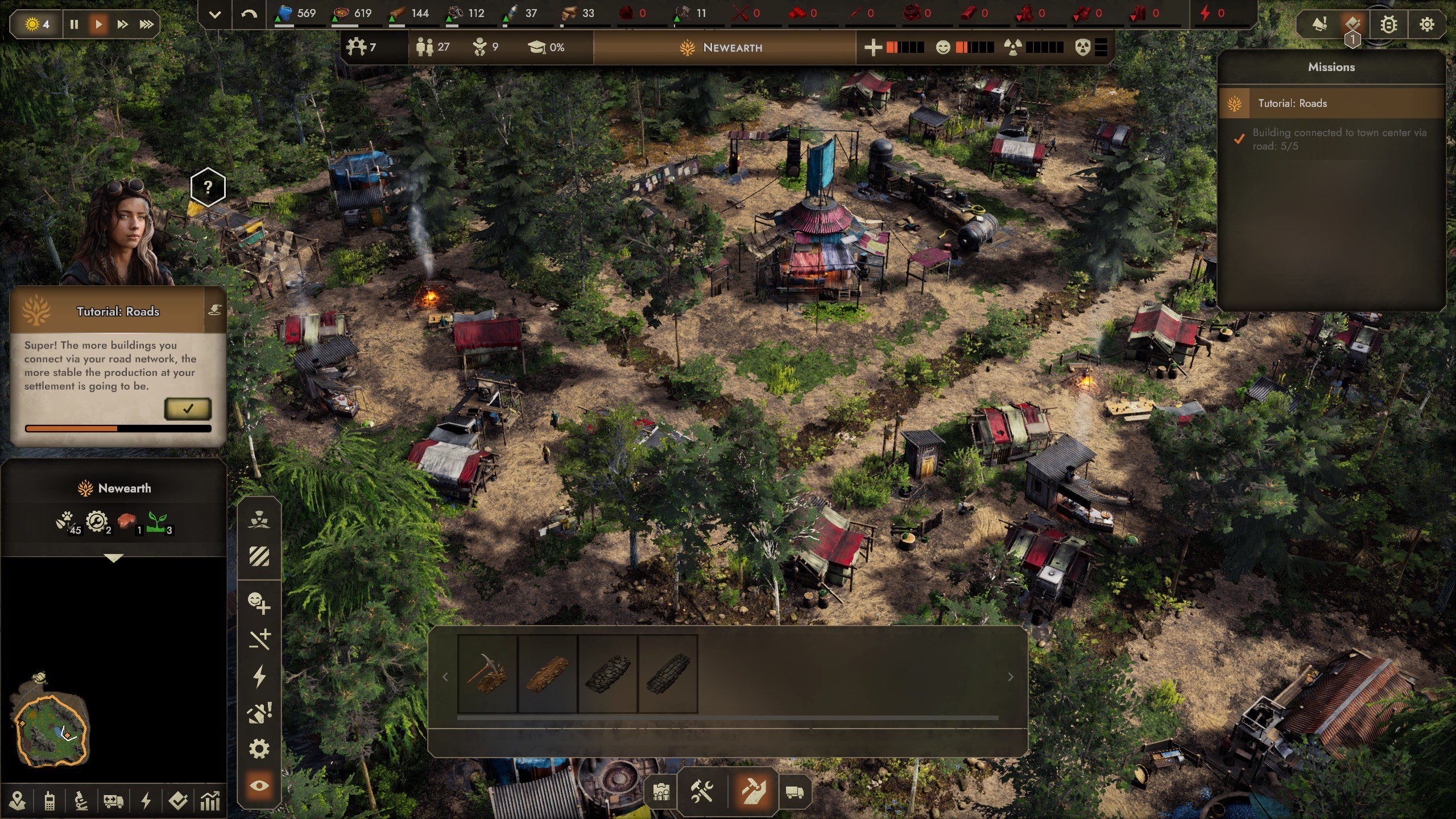
Endzone 2 starts with a very comprehensive and detailed tutorial, if you choose to play it. It serves as an easier version of the normal mode, with guidance and quests along the way that take you from the beginning, establishing your settlement, all the way to the more complex aspects of late-game management.
In the beginning, we need to provide the basic needs for our survivors: food, water, and shelter. But given the nuclear post-apocalypse, the more complicated needs, such as protective clothing and decontamination procedures, will become a priority soon enough. Radiation and raider attacks will become major concerns in the survival of our settlement, and we need to grow and expand quickly to overcome them.
Endzone 2‘s mid-game is quite different from the first game. The inhabitable zones in Endzone 2 are raised plateaus separated by lower and highly radiated wasteland in between, creating “islands” that are somewhat inspired by the Anno series. Each zone has different resources available, and to progress in the game and satisfy the needs of our survivors, we will need to expand to different zones and set up transport routes.
The spike in difficulty at this stage is quite intense, but it’s an enjoyable challenge for city-builder fans. Juggling between the needs of multiple settlements, dealing with events such as raider attacks, droughts, and toxic rains, and the continued expansions and growing struggles kept me on my toes for a good while. After the tutorial, which itself took a couple of hours, I played a run on normal difficulty for about a dozen hours, and it took a long time until I reached a stable point with multiple settlements where I had unlocked all technologies and could leave my settlements unattended for longer periods.
There’s another addition to Endzone 2 in the form of expeditions. Instead of the passive expedition mini game in the previous game, we have a more active role in them now. We explore and interact with the ruins in the wasteland from a close-up view. This seemed like a fun and engaging addition at first, but a few problems became apparent as I played for longer. Firstly, there is a limited number of expeditions available, and the map is quite large, resulting in repetition of a few of the expedition zones across the map, just with randomized loot. Additionally, in the chaos of the midgame, exploring the map and finishing expeditions seemed an unnecessary and overwhelming complication. As much as I enjoyed them in my first couple of hours, they don’t add any considerable value to longer saves and can become a nuisance over time.
The overall gameplay experience was one of the better city-builders I have played in recent times. One quality that stood out to me is the balance of resource management in the game. If I expanded and took new settlements with necessary materials in time, I wouldn’t face any bottleneck situations in the long run. It might take a few tries, but once I was familiar enough with the game, the progression from early to late game was very smooth and continuous.
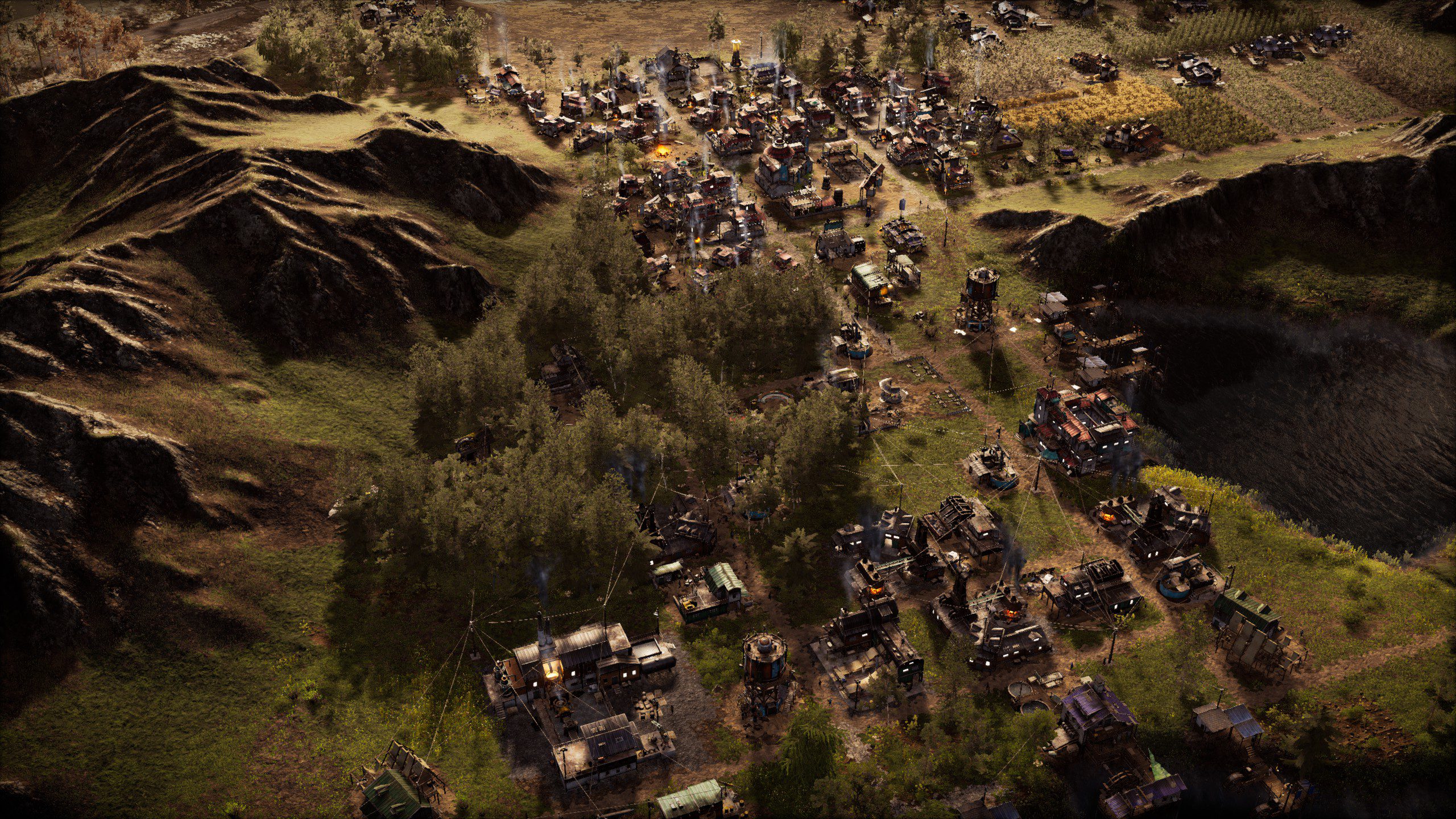
Endzone 2 has a similar visual identity to its predecessor, and while I have no complaint about the quality and performance, accessibility did become a concern in my larger settlements. The overall visual theme is relatively monotone, making most buildings look similar from the zoomed-out view. Production buildings requiring trees, like lumber mills and buildings that used wood as a resource, needed to be close to wooded areas, and they blocked the vision and made interacting with these buildings unnecessarily hard. The UI design helps this matter somewhat, allowing us to manage production buildings from a single menu, but micro-managing separate buildings is still a challenge.
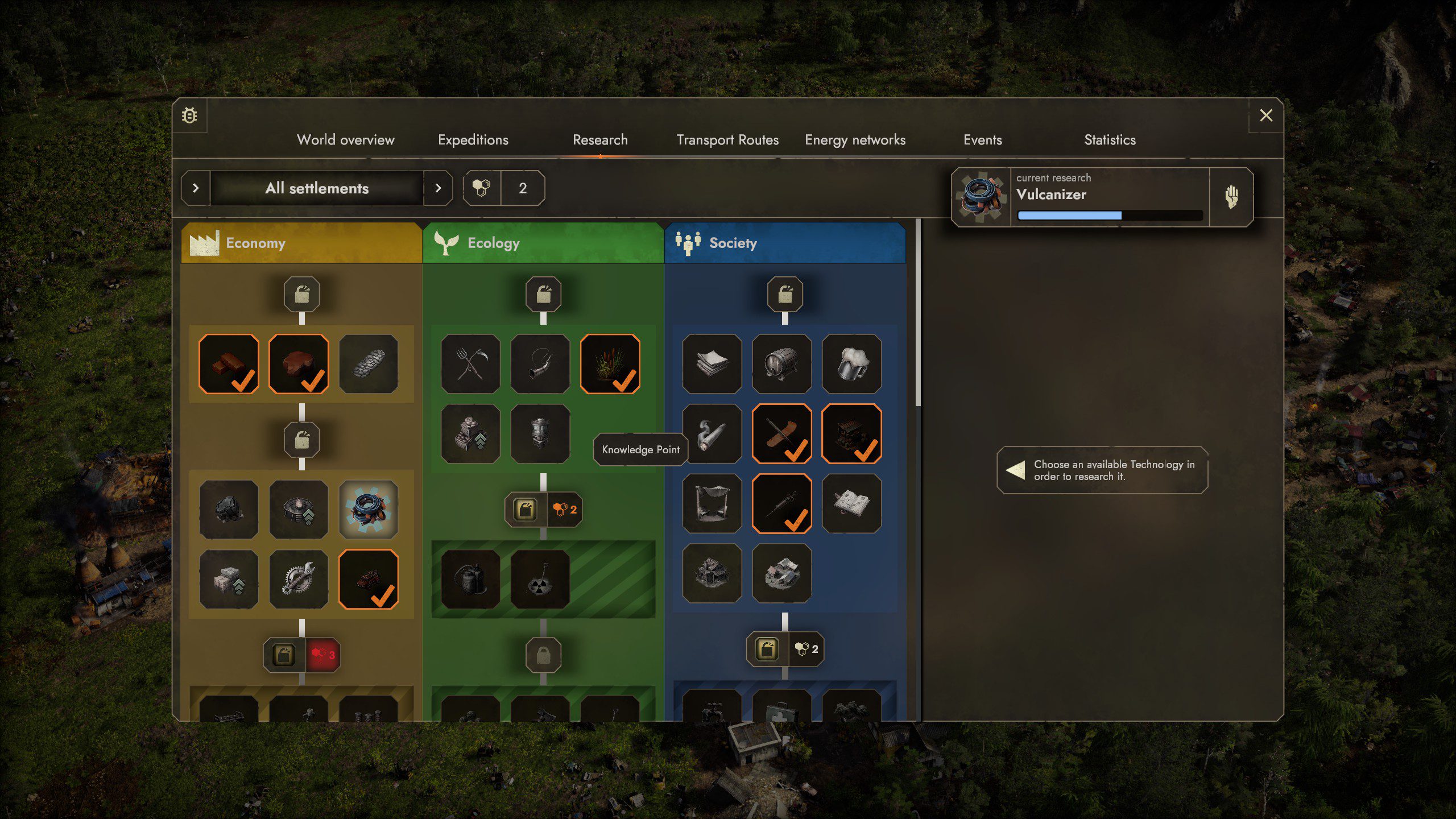
UI design is a crucial aspect of resource management games, and I believe Endzone 2 did a great job in giving us all the information we need in a clear and easy-to-understand way, while not being too cluttered and overwhelming. I did notice a few minor bugs and jankiness in vehicle navigation, looting car wrecks and ruins, and vehicle combat, but nothing too serious to hinder the experience considerably.
The sound design of the game is also very decent. Music is an important aspect of city-builders due to their typically longer play sessions, and Endzone 2‘s soundtrack is thematic, interesting, and not distracting. Audio notifications and cues are also very distinctive and memorable, helping decision-making in the more complicated gameplay moments.
Fans were hoping that Endzone 2 would be a perfect sequel to the original game. While not perfect, I think it’s a decent addition to the city-builder genre, and with Endzone‘s unique theme and atmosphere, it’s starting to find a foothold among the bigger names in the genre.
Nima reviewed Endzone 2 on PC with a provided review copy.