
Broken Bird Games’ psychological horror game, Luto, captured my attention due to its unique use of traditional white sheet ghosts. While Luto’s demo did embody what I expected from the full game, the developers have since removed it off Steam, stating that it no longer represents what the full experience has turned out to be. Which is definitely true, as what I thought would be a traditional horror walking sim with spooky ghosts under white sheets has turned out to be something else entirely.
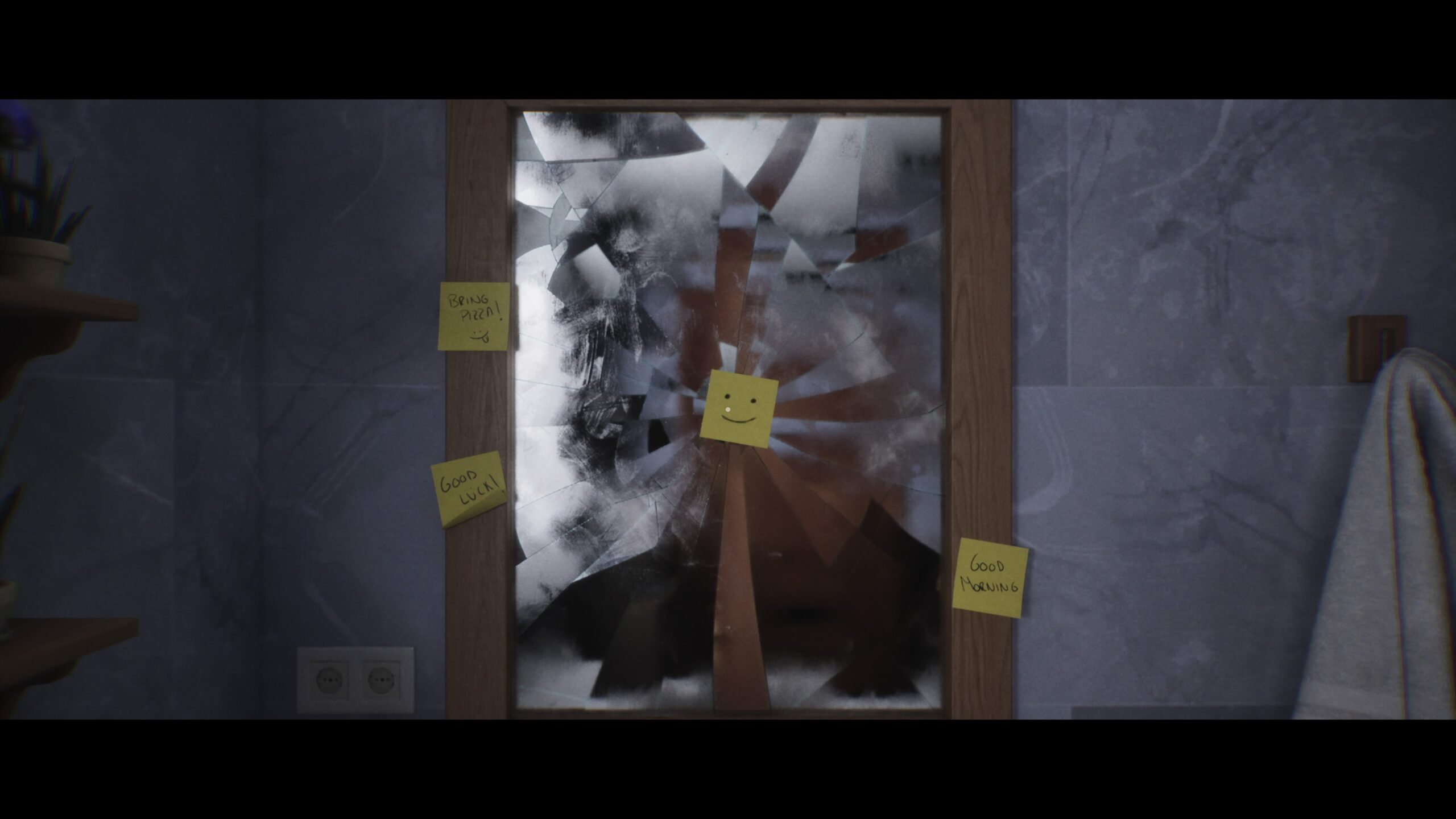
We play as Sam, who wakes up from his usual recurring nightmare of being stranded in a desert storm. Sam starts his day staring into his broken bathroom mirror. We cannot see Sam’s reflection, but the broken glass and myriad of post-it notes with various mood-boosting statements scattered around the house tells us that he’s battling some inner demons, which the story of Luto addresses. As we leave the bathroom, we can see that he’s in the process of moving house, and after a little bit of exploring, we promptly pick up our keys and head out the front door. Suddenly, it’s the following day, and Sam attempts to leave the house again. And then the day repeats. Each day, a new occurrence of strange happenings take place; his motion sensor air freshener gets set off by itself, and one day someone starts knocking from beyond the floor hatch in his basement. Is his home haunted, or is this all in his head? And when can he leave?
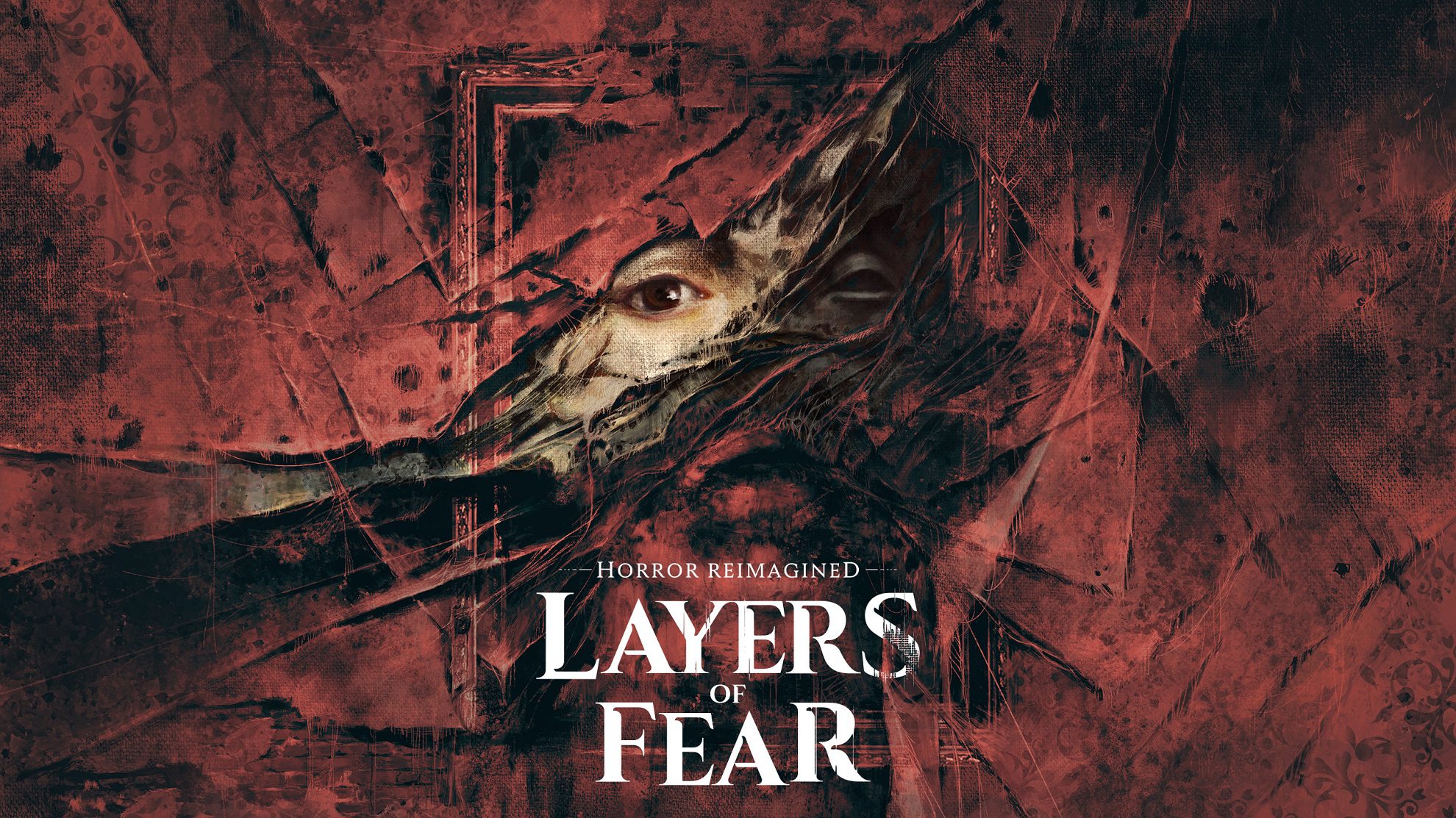
While on paper, Luto does not stand out from other psychological horror walking sims such as Layers of Fear, it’s a lot more experimental in practice. For one, it has a Stanley Parable-style narrator. And while I really didn’t like the narrator to begin with as I felt like he was adding nothing to the experience besides pointing out every time you were supposed to be spooked by something (if anything he was outright breaking the immersion), he does slowly start to become more relevant to the overall experience.
It took me just over six hours to finish Luto, which is around average for walking sims, if not a bit longer. It adds further gameplay into the mix by doubling up with some puzzles, most of which are quite well designed, but there were plenty that felt really nonsensical and overly complicated. There are no indicators of where you need to go next, so a lot of the gameplay is padded out by the player having to do a few laps of the house until they’ve worked out where they need to be to trigger the next sequence of events. While the gameplay started off as really intriguing and I was enjoying the puzzles, it dropped a lot of this towards the end in exchange for overly drawn out, metaphorical sections where the player has to wander around an abyss in a certain direction, or pick up items in the abyss. This is quite a common trope in walking sims, usually to convey some kind of messaging but also to pad out the gameplay length a bit more. But all it did for Luto was really kill off the pacing in the third act for me, as I felt like the gameplay had a good balance between walking through the story and puzzles right up until it started doing this, at which point I got really bored with the game.
Similarly, the storyline starts off really interesting as we slowly unpick Sam’s backstory and what he’s struggling to come to terms with. Luto is a story about loss and I think it portrays this really well in its writing, trippy visuals and gameplay. From the moment I stared into the broken glass of Sam’s mirror, it was evident that he was feeling lost, and this feeling mostly carries through the game.
That is until it tried being too clever with its writing. While the narrator himself does a lot of fourth wall breaking, it works well with the storyline, especially at the end reveal. Where the writing is at its weakest is where it tries to go too meta. While these moments worked really well in the Stanley Parable, a comedy, they stand out like a sore thumb in Luto as they don’t suit the overall tone of the game. While the storyline starts off really well, holding back just enough to maintain intrigue but leaving enough breadcrumbs to keep the pacing going, the meta section of the game just breaks this up and kills the pacing.
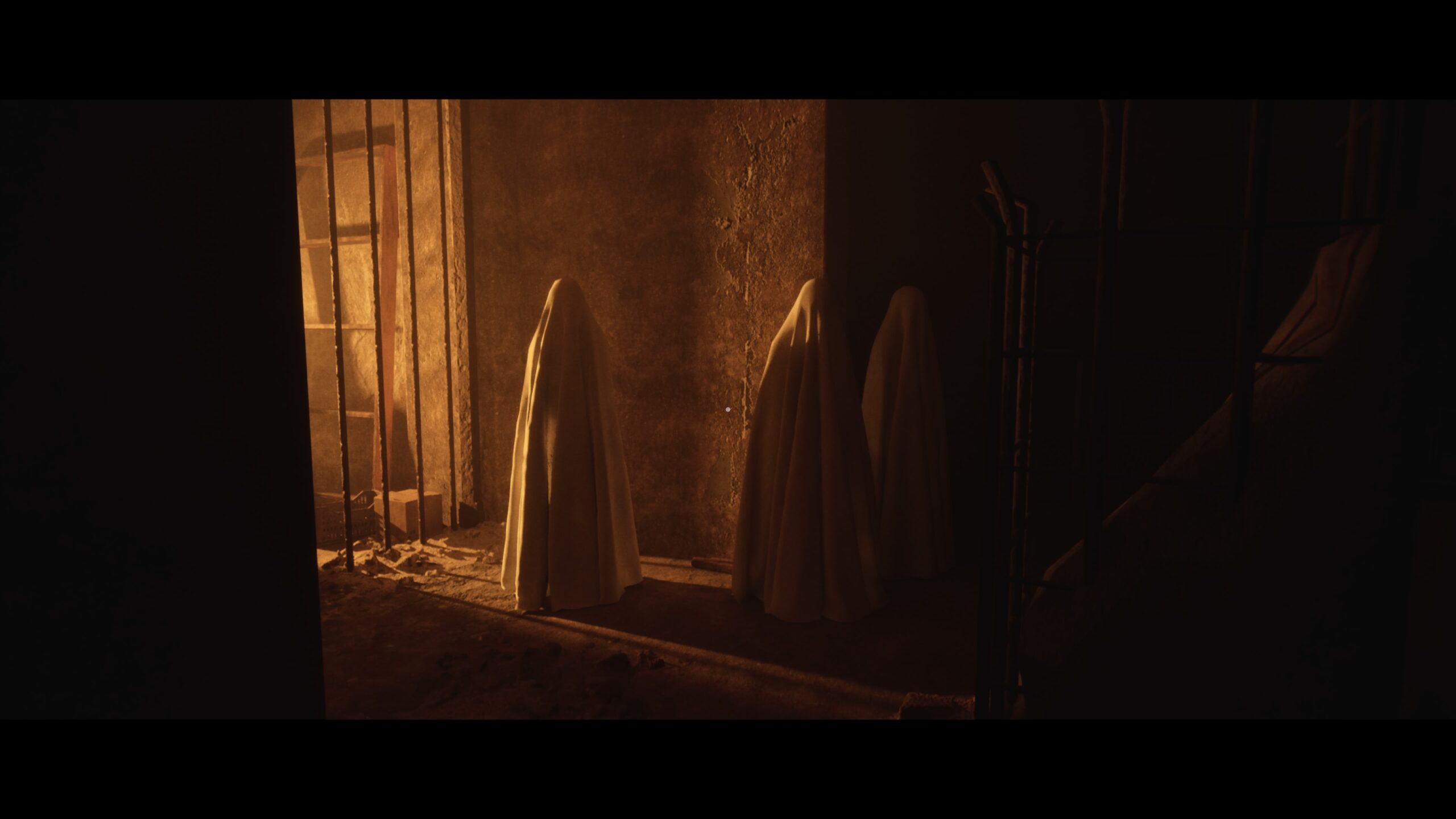
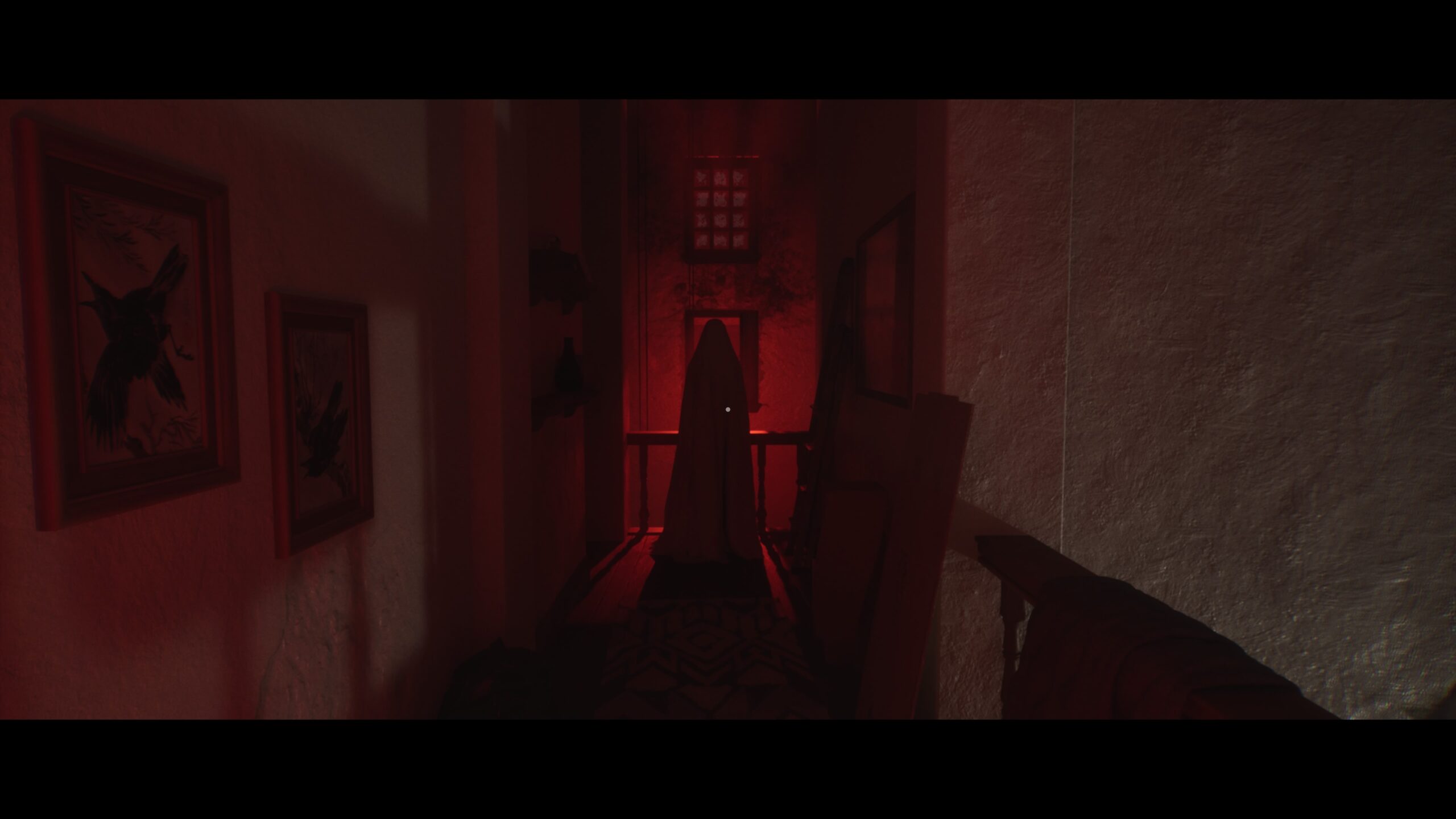
Luto did a fantastic job at building tension in its intro, slowly introducing more and more horror aspects to the experience. It starts with the air freshener going off on its own and slowly progresses to see white sheet ghosts running around the corner or suddenly appearing across the room. Unfortunately, this is the limit to the amount of horror that Luto gives. Its tension building was on borrowed time and the moment I realised that this game was never going to truly scare me, it evaporated, which added to the pacing issues in the latter half.
That being said, Luto is a visual treat. Built in the Unreal Engine 5, the graphics not only look great but it does a fantastic job with its experimental imagery. While a lot of people may not like the letterboxing, I appreciated how the developers involved this into the story. Luto also does what a lot of horror games don’t do and embraces lighter environments rather than just having the player encloaked in darkness the whole time. This is another aspect that makes it really stand out in the genre. The developers also weren’t afraid to shy away from cloth physics, which is is a good thing considering all the white sheet ghosts that appear in the game. In fact, the cloth physics on the ghosts are some of the best I’ve seen in a video game.
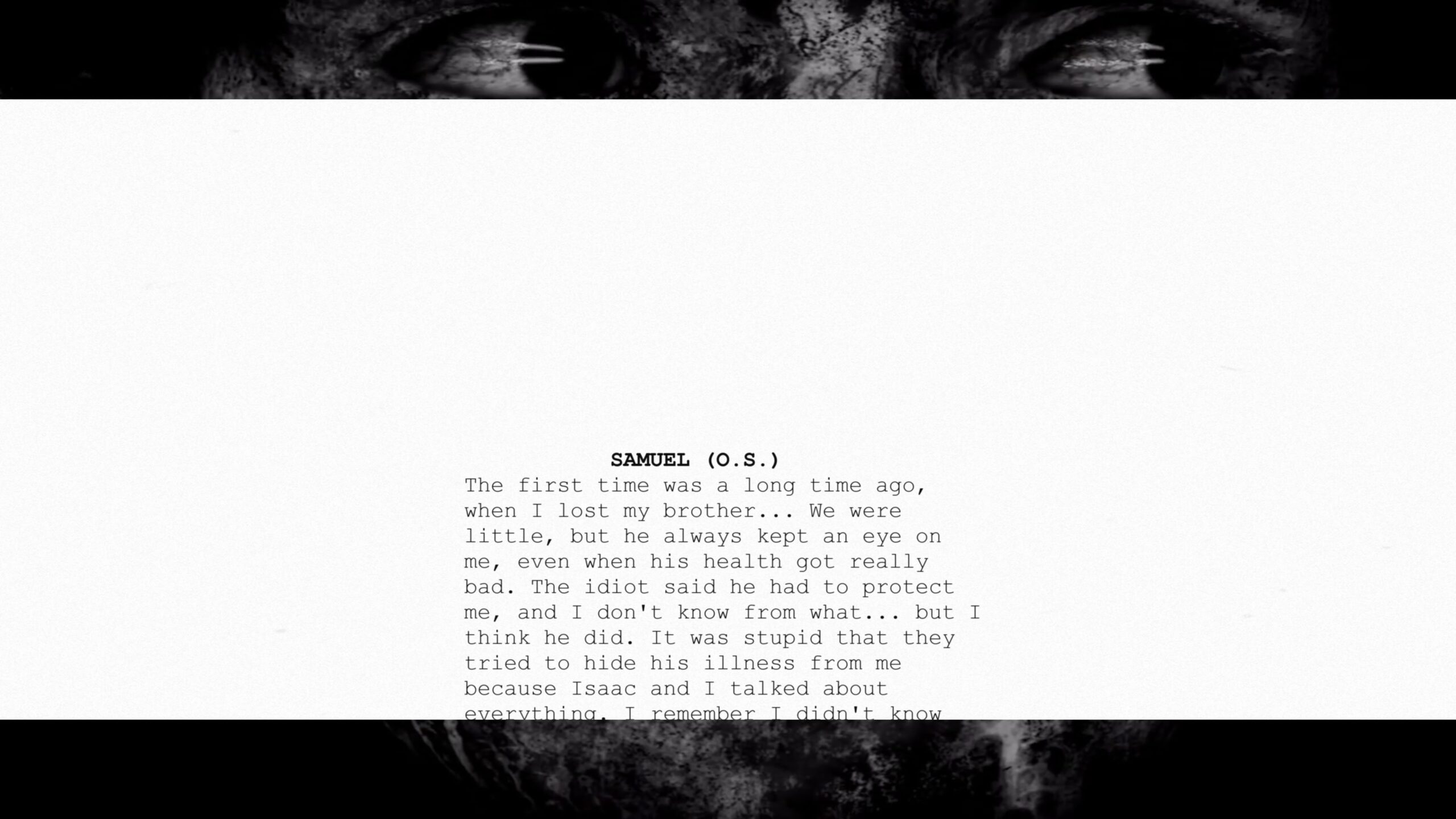
There’s not much to comment on in terms of audio for Luto despite it being a horror game. I would have liked it to have been a bit more ambitious with its audio, as there’s a few environmental audio effects used for the scare factor, but these are few and far between and end up getting overused a lot so lose their effect very quickly. There was also one segment where the game went for a purposeful glitch effect as Sam’s reality crumbled around him. This included deliberate game bug effects and stuttering, but also included audio stuttering which I found really annoying and difficult to listen to.
Luto tells a touching story about the emptiness of grief. While it’s impactful as an overall package and experiments a lot with visuals and storytelling, making it stand out among the genre, its pacing issues, inconsistent tone and lack of actual horror killed the momentum it set at the beginning for me.
Jess reviewed Luto on PlayStation 5 with a provided review copy.