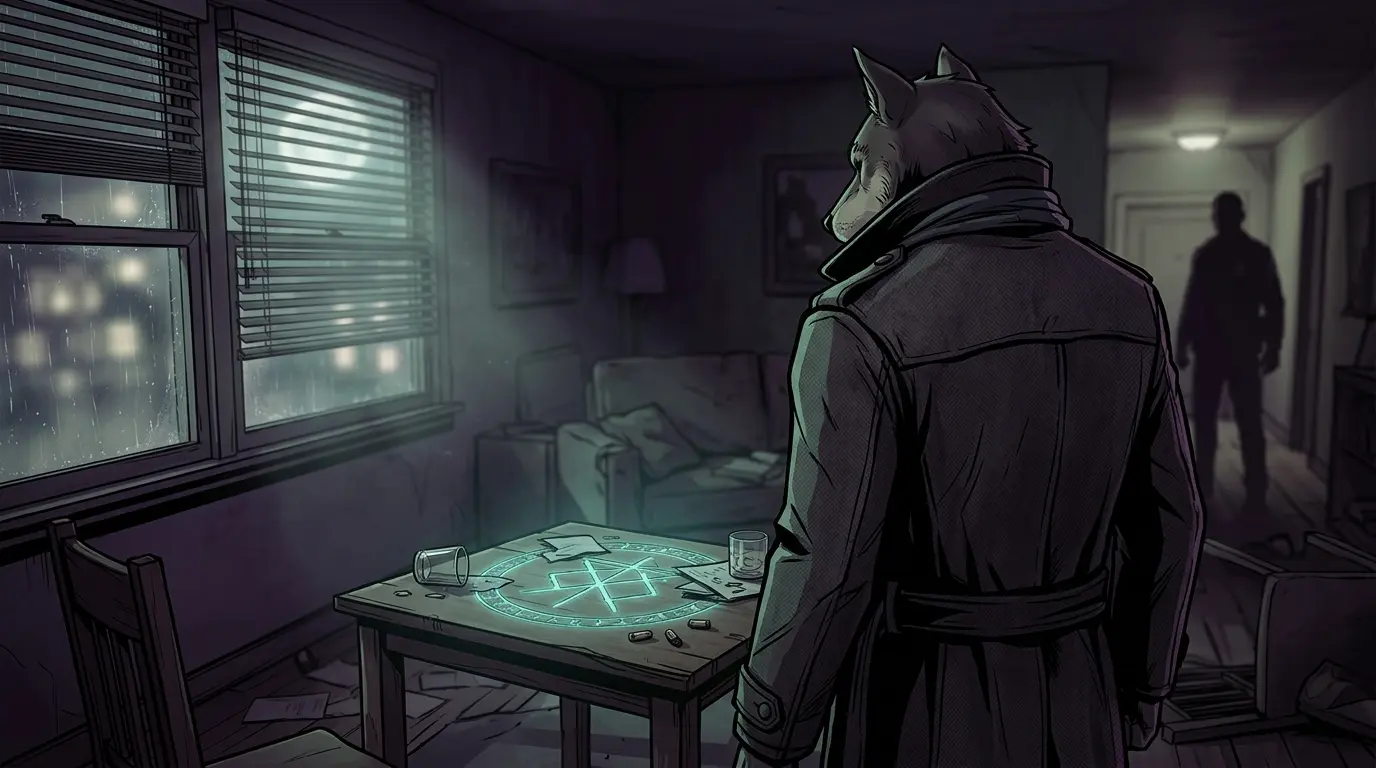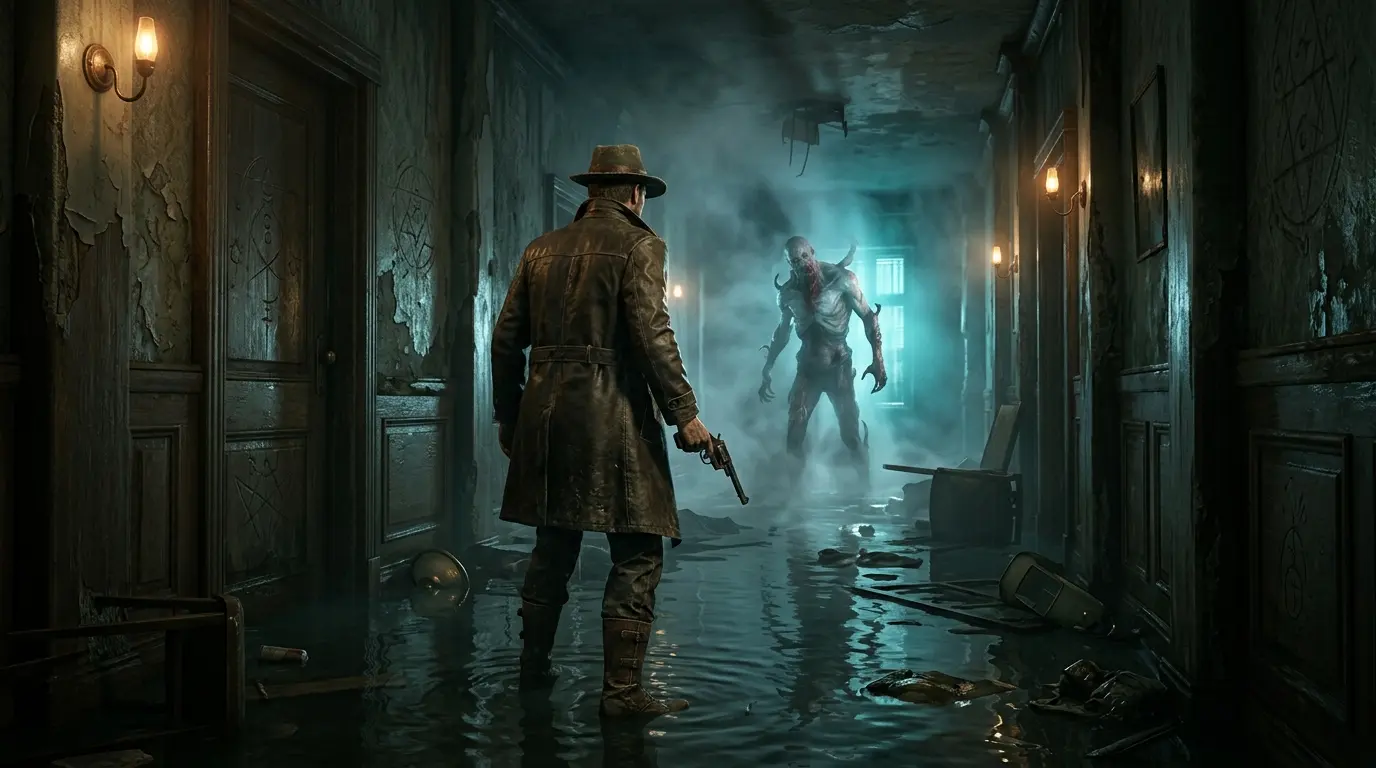

Vincent Adinolfi’s Heartworm wears its inspiration drawn from classic 1990s survival horror games such as Resident Evil and Silent Hill on its sleeve. Its themes and setting are reminiscent of Silent Hill, whereas its inventory and map design make Heartworm look as though it could actually be an entry in the Resident Evil series – it even has the door opening animation from Resident Evil 1! Though Heartworm thankfully offers the option to turn this animation off once its novelty wears off, something many of us dreamed of while doing laps around the Spencer Mansion.
In Heartworm, we play as Sam, who is grieving the death of her grandfather and will do anything to reunite with him. When she hears of an abandoned house that is rumoured to have a room that leads to the other side, she takes the chance, even though all of those who have investigated the lead have gone missing. With only her camera, a lighter and a packet of cigarettes on her person, Sam travels to the house and locates the mysterious room, and indeed finds herself in a strange dimension on the other side of an ominous looking door. But is this really the ‘other side’? Or has Sam found herself somewhere else entirely?
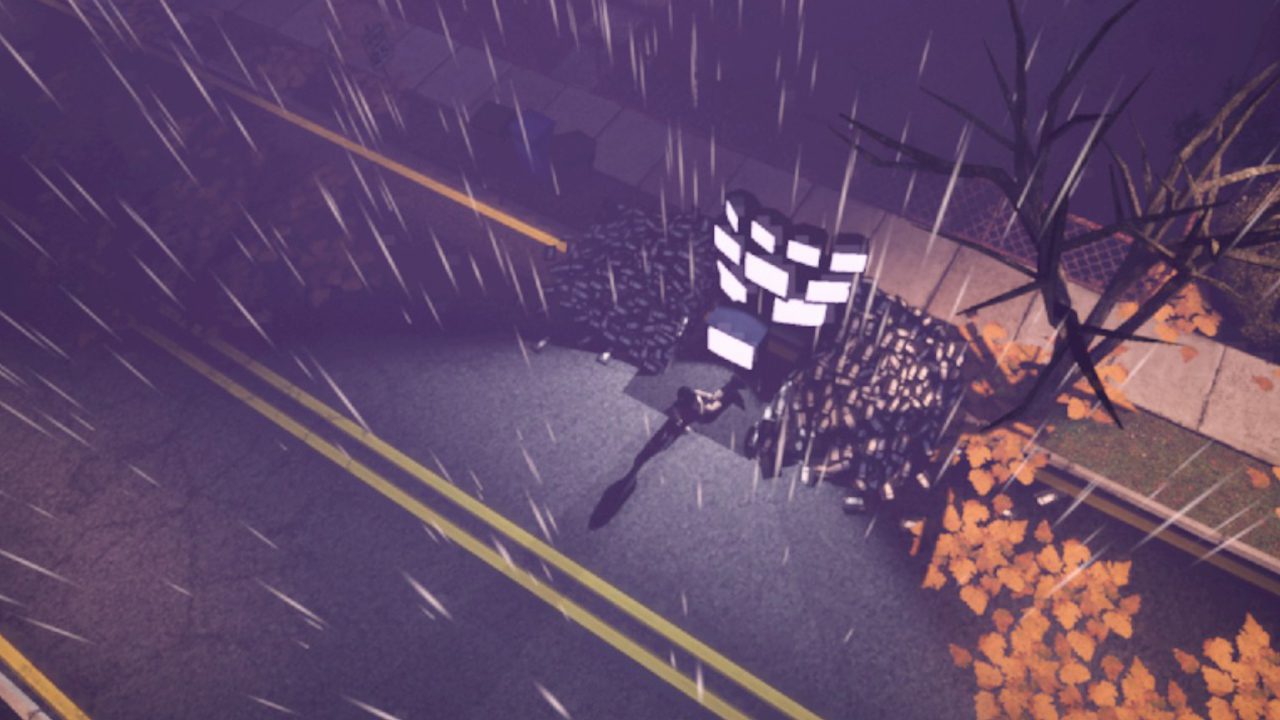
While Heartworm is a love letter to 1990s survival horror, it does come with some customization options to make it a more comfortable experience to younger players, or those who would rather not relive the 1990s tank controls. This includes turning the tank controls off, and also the option to go into over-the-shoulder aiming rather than positioning Sam in the direction that you want to shoot in like classic survival horror. There is also a much welcome ‘arachnaphobia’ mode for those who cannot play games that feature spiders, which those with arachnophobia will very much appreciate for a specific boss.
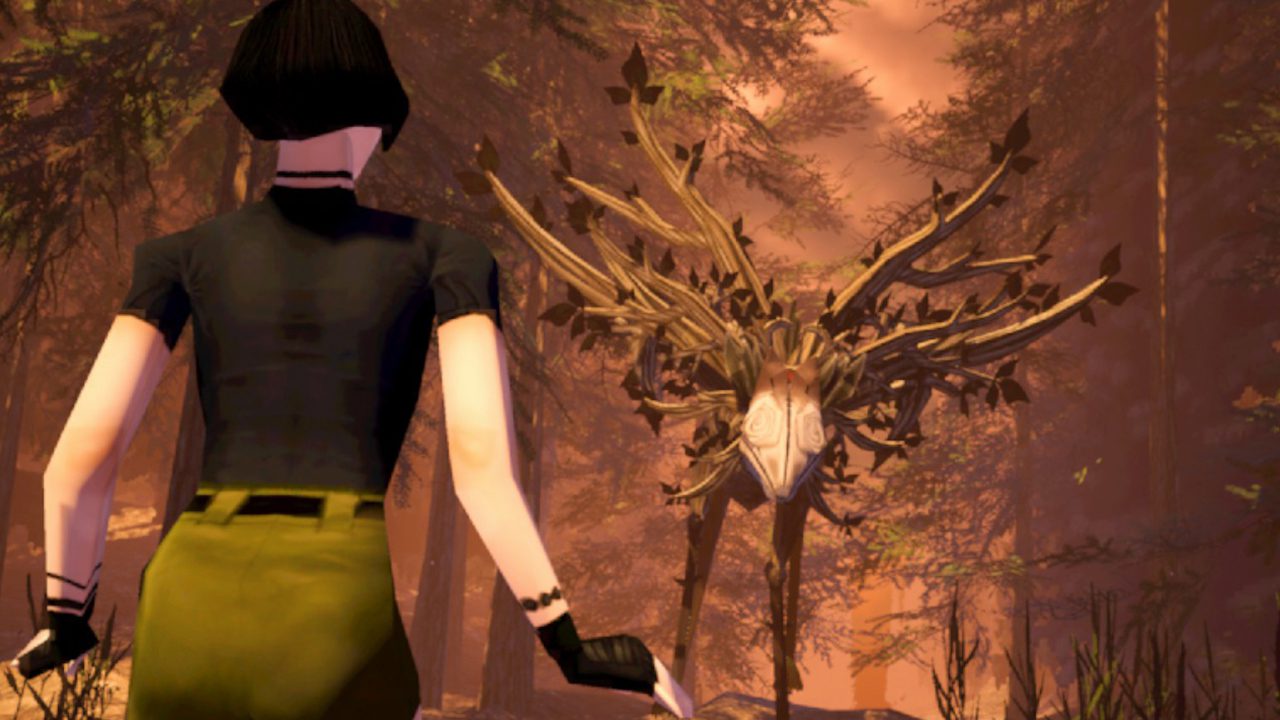
Unfortunately, the only option that isn’t available are difficulty options, which I really missed. While I loved Heartworm’s puzzle and exploration elements, I just didn’t feel challenged at all in its survival horror. We have limited inventory space, but this can be expanded very early on in the game and really, the inventory space isn’t so much as a dire issue as it is in Resident Evil; I never felt like I needed to stockpile on health items and ammo because I was never in a position where I didn’t have an abundance of those. I happily discarded my health items if I was full up on inventory and needed to pick up a key item because of this.
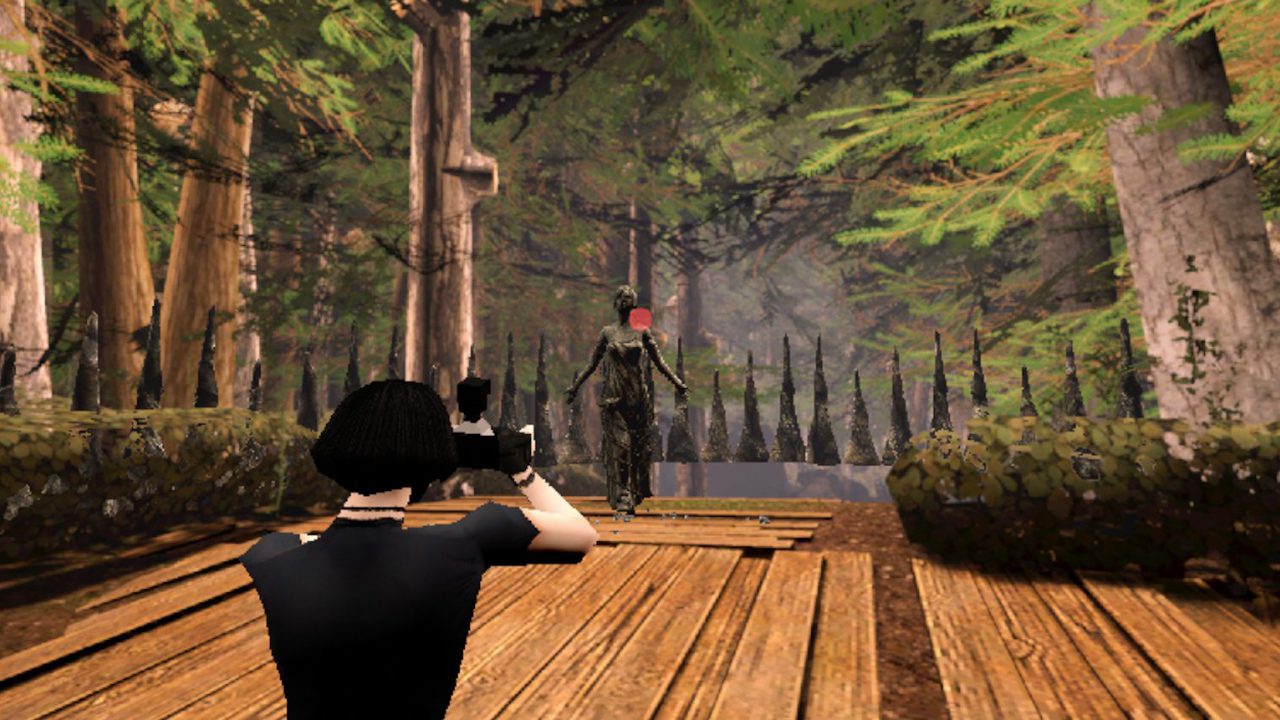
While there is a nice selection of enemies and three unique boss fights, most of the enemies can just be walked around. The exception to this are the dog enemies which will hit you if you don’t take them out, and my favourite enemy which were the Weeping Angel-style statues which could suddenly come to life and entrap you in a wall of spikes. These were especially creepy as they were dotted all over their specific section of the game, but would only occasionally come to life. So you never know when one that you’re passing is going to suddenly attack you. They also move positions as you leave and re-enter an area which is a really creepy effect.
The majority of the gameplay is made up of puzzles which I felt were creative and really well designed; none of the solutions felt like something I wouldn’t have been able to solve with some brainstorming. Just like in the Spencer Mansion, you have to collect a series of items to get past certain obstacles in each area, solve puzzles, and ultimately unlock the way to leaving that section of the game. The map is designed very similar to Resident Evil’s, highlighting what areas you’ve already searched and which ones still have items to pick up or something that you haven’t interacted with yet. Due to the fixed camera, I found the map most useful for highlighting any doors that I hadn’t spotted if they were tucked out of view.
Just like in the 1990s, there’s no autosave in Heartworm. We instead have safe rooms with old school desktop PCs that we use to save. I didn’t feel like these were too few and far between until the third act of the game where that area’s designated safe room feels really out of place. Rather than just being in the lobby area which we frequently pass through, it’s in a random room on one of the floors, which meant I ended up saving less often during this level which risked quite a big chunk of gameplay when the game glitched as I entered the final emblem room and Sam wasn’t able to move after a cutscene, forcing me to restart.
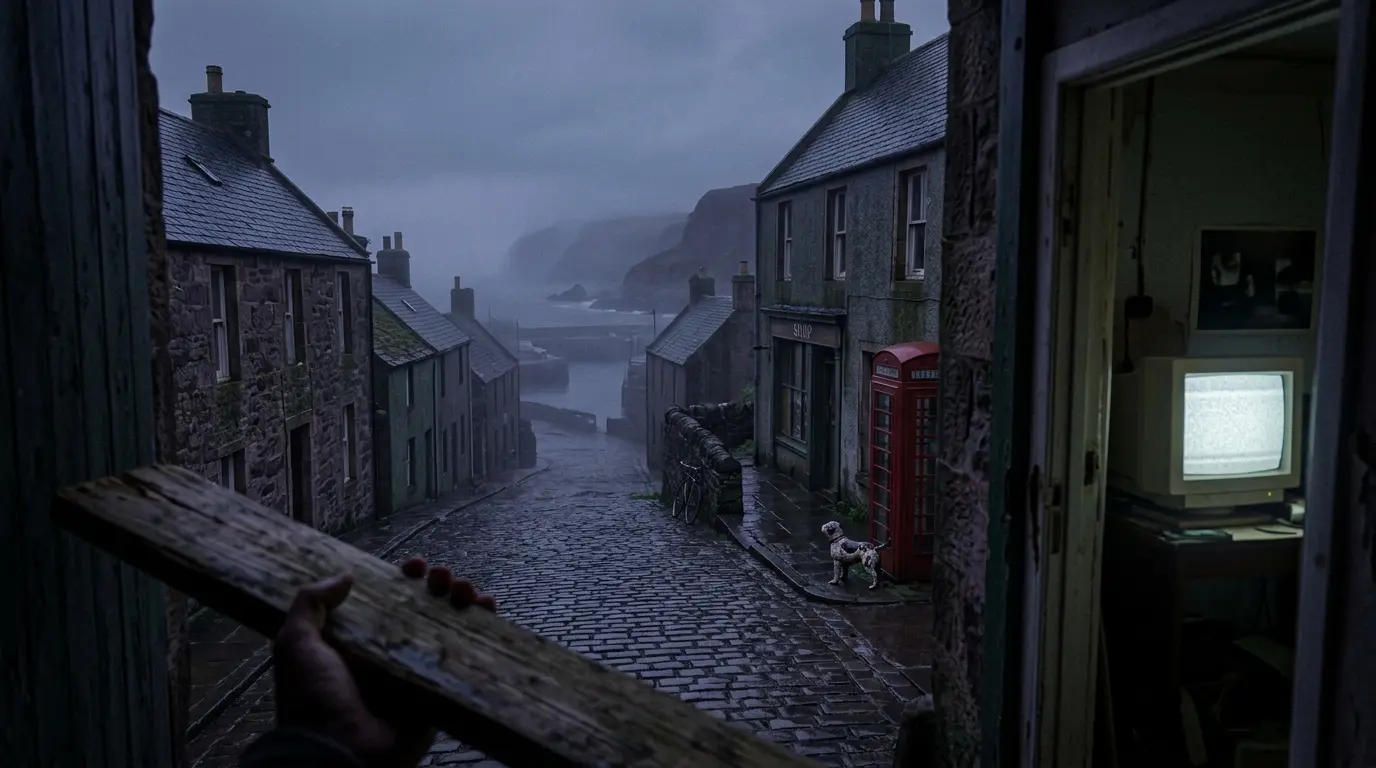
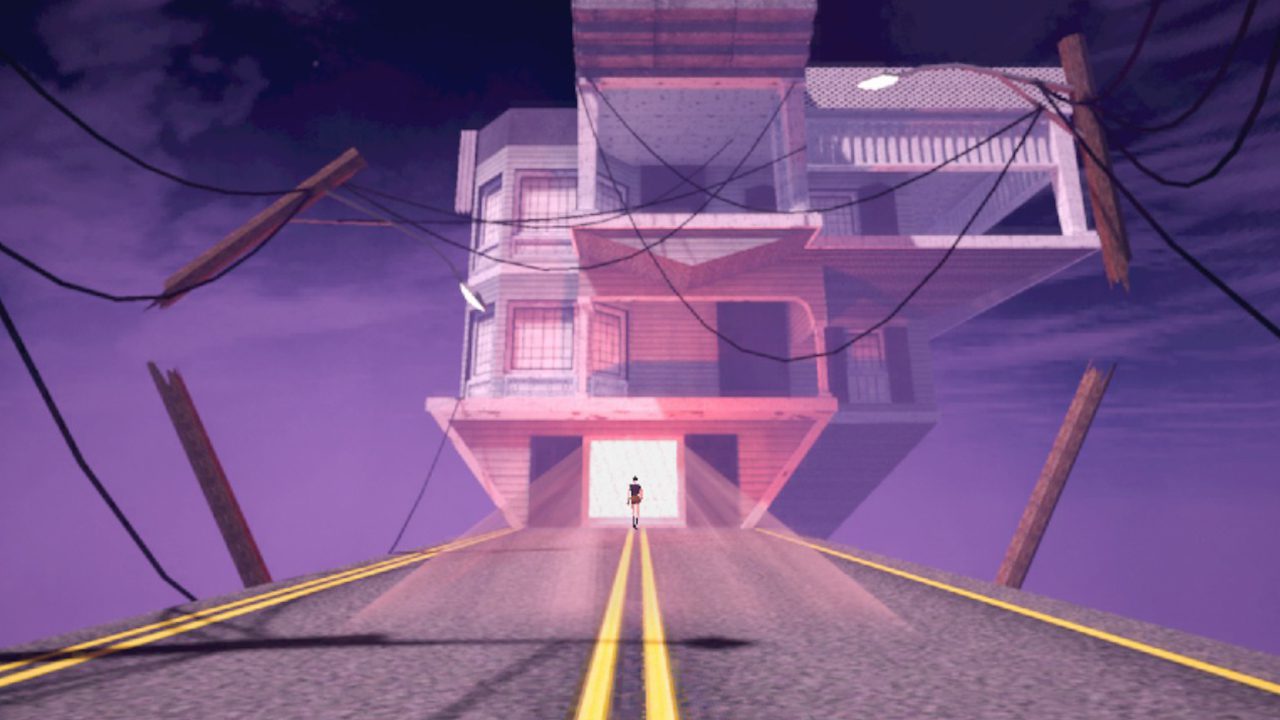
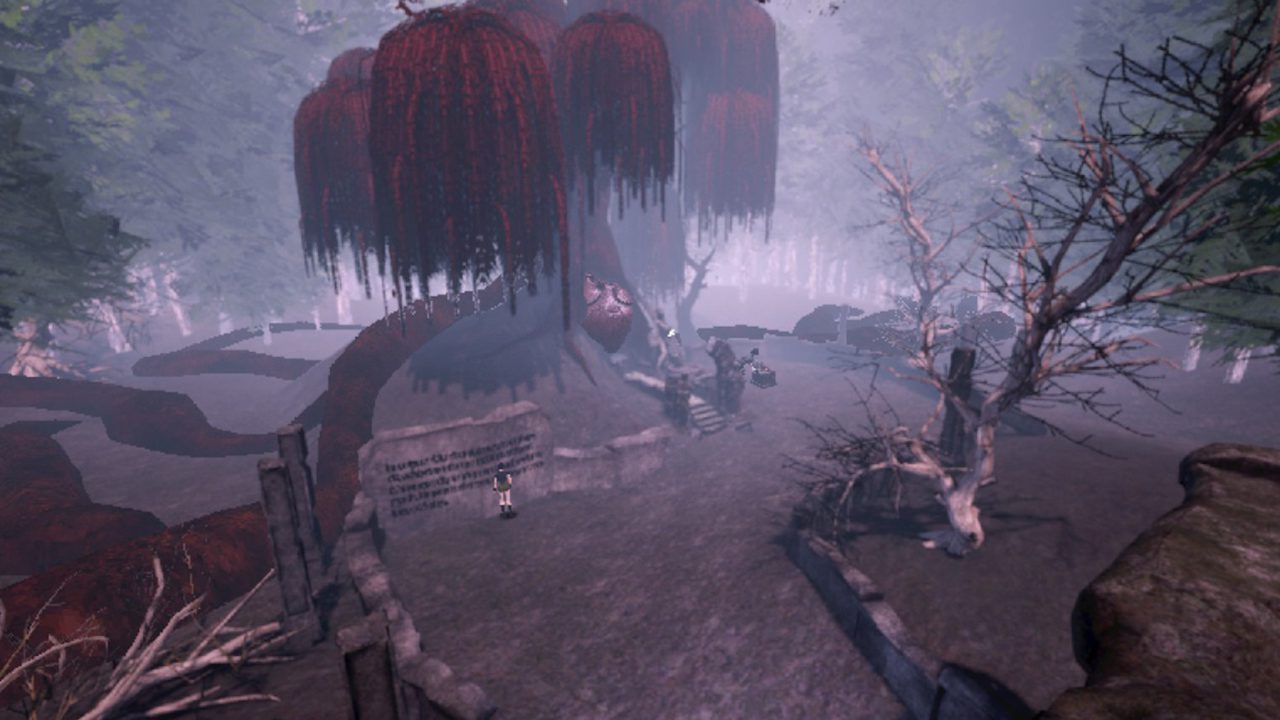
Heartworm nails its atmosphere, and this is also what sets it apart from its inspirations, as here it creates a new footprint entirely. Rather than the grotty streets of Silent Hill, or the haunted mansion vibes of Resident Evil, a lot of Heartworm is brimming with colour. While we start off in an abandoned mansion, and then transfer to a desolate neighbourhood, there’s also a scenic forest and vibrant clockwork tower. With its soothing music and beautiful scenery, Heartworm could almost be mistaken for a cozy game in parts. It’s really beautifully designed, and this is further accentuated by the variety of camera angles used.
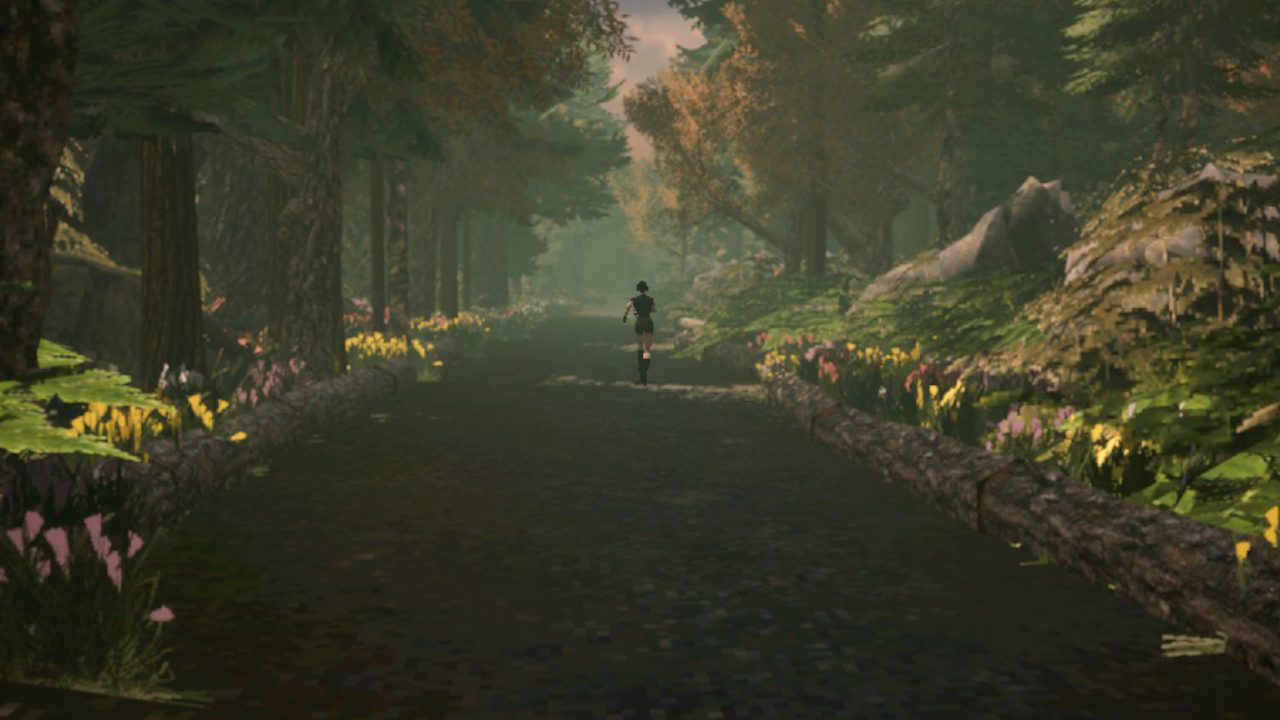
Heartworm mostly opts for a fixed camera, but this does shift a lot to make full use of the gorgeous graphics. It often pulls out into a bird’s eye view when Sam is traversing across open spaces, giving the journey a really lonely feel to it. And when it needs to, the developer isn’t afraid to have the camera move more freely, following Sam in a tracking shot as she walks down long corridors, usually in a way that builds tension if these corridors are filled with mannequins, itching to jump out as we lurch for the nearest door.
In the settings, you can switch between pixelated and non-pixelated graphics – which I like to call ‘PlayStation 1 mode’ and ‘PlayStation 2 mode’. While I really loved the look of the pixelated version, a lot of objects in Heartworm are interactable but aren’t highlighted so. This threw me off a couple of times when I didn’t immediately spot something that I could interact with, which was especially the case when trying to look for an unlockable gate among a line of fencing. Because of this, I turned off the pixelated graphics.
I really loved Heartworm’s soundtrack, which Adinolfi composed. It focuses heavily on piano tracks, a lot of which got really catchy as I was exploring and I especially liked the fast-paced boss themes. Each track changes as you enter a new area too, so it doesn’t get too repetitive or distracting. Similarly, the audio design does a fantastic job of giving the atmosphere an eerie feel to it. While it was a bit disappointing that certain sound effects were reused across different enemy types, this was only because I was looking forward to hearing what each new type sounded like. From the static ghosts that scream ‘help me’ as they stagger after Sam, to the headless frog-like creatures that you usually hear the clanking of chains from before you see them leap into view.
While Heartworm is more focused on the experience rather than the storyline, it does come into play in terms of Sam’s narration as she slowly starts to recognise the different locations she’s visiting, and also the mysterious journals she collects along the way which all seemingly belong to the same person. While I didn’t find the main story itself very compelling, I thought the journals were really interesting to read and I also enjoyed the various poems scattered around the game too. Heartworm has a secret ending for those who thoroughly explore each area, but the one you get if you don’t manage to collect everything needed for the best ending is still a satisfying conclusion to the journey.
Heartworm is not only a great love letter to 1990s survival horror if you’re looking to relive those years, but it also has its own identity in its gorgeous visuals and tone. My biggest complaint is that its survival aspects aren’t challenging enough for those like me who are used to scavinging for a single bullet while running away from enemies, but its puzzle elements alone still provide an enjoyable experience.
Jess reviewed Heartworm on PC with a provided review copy.