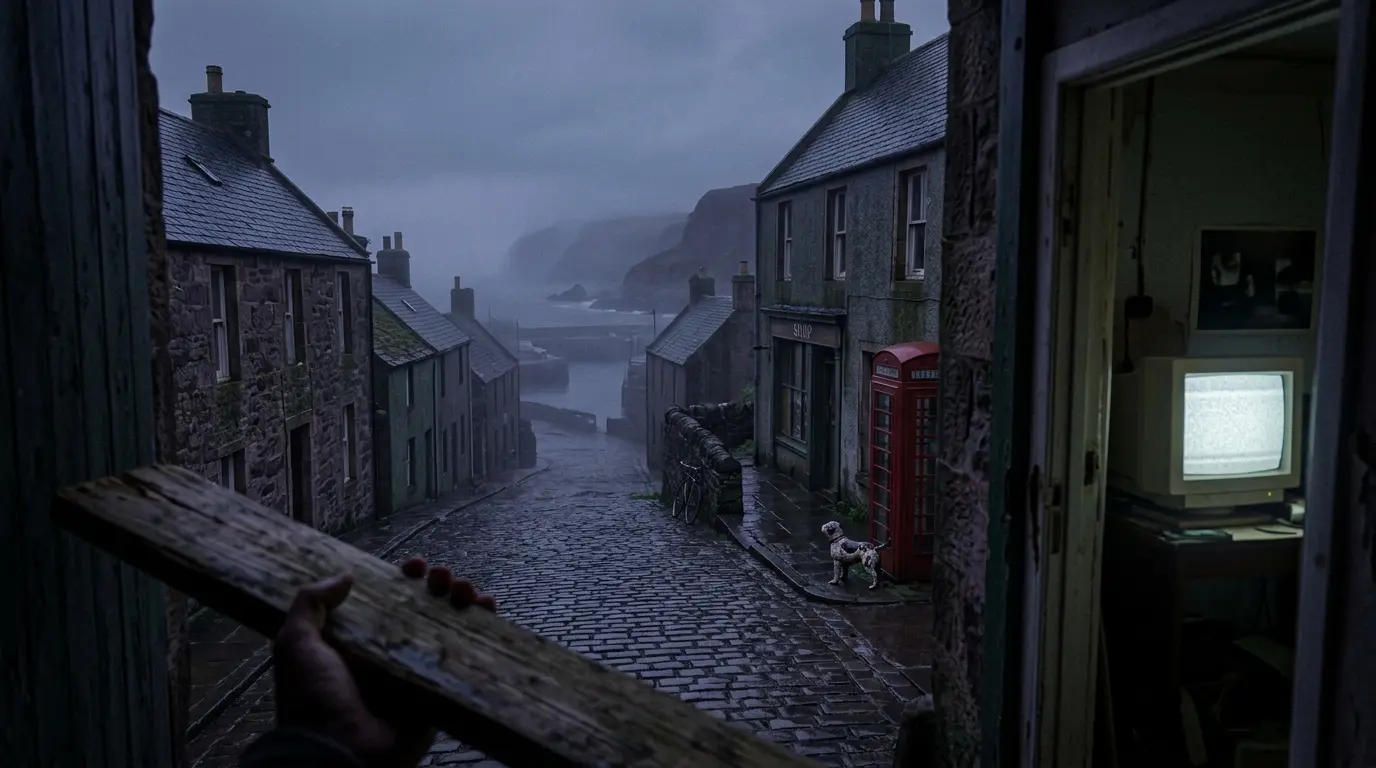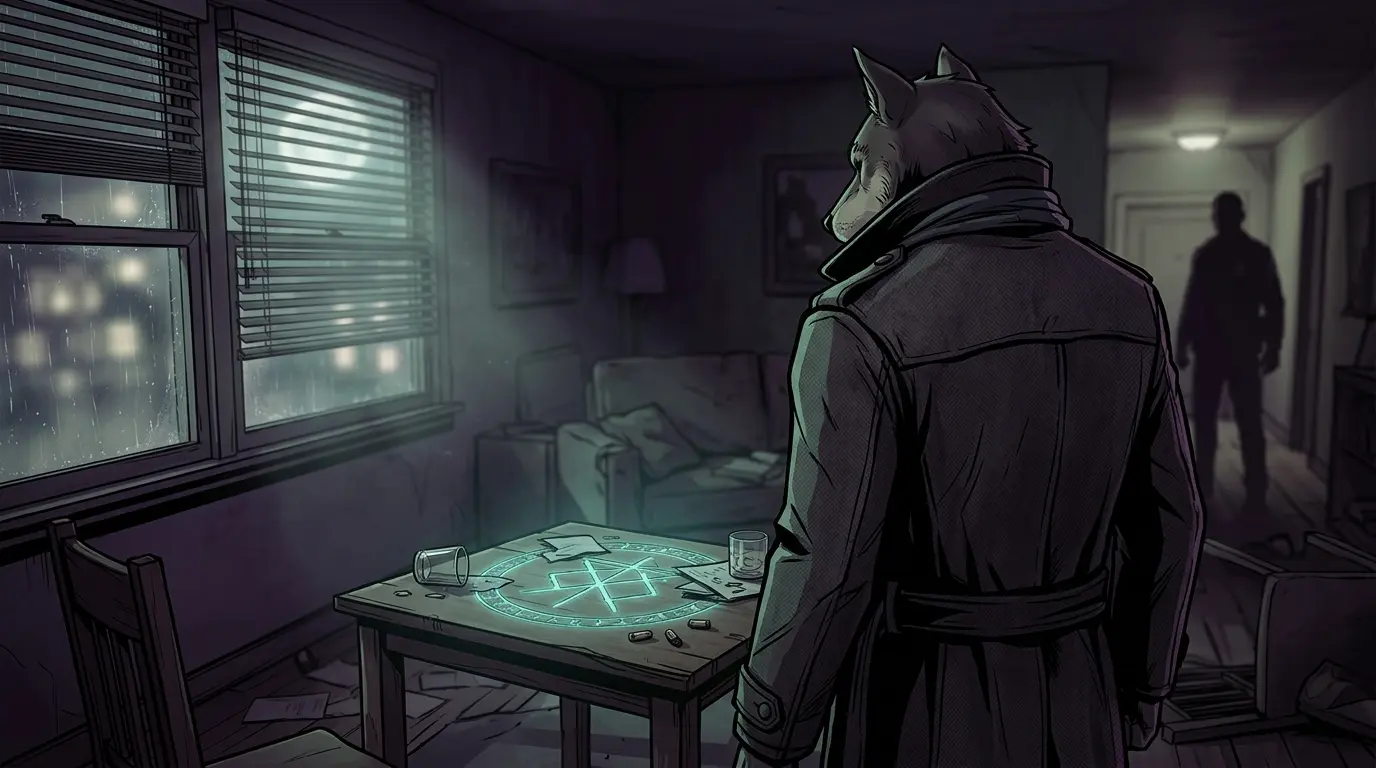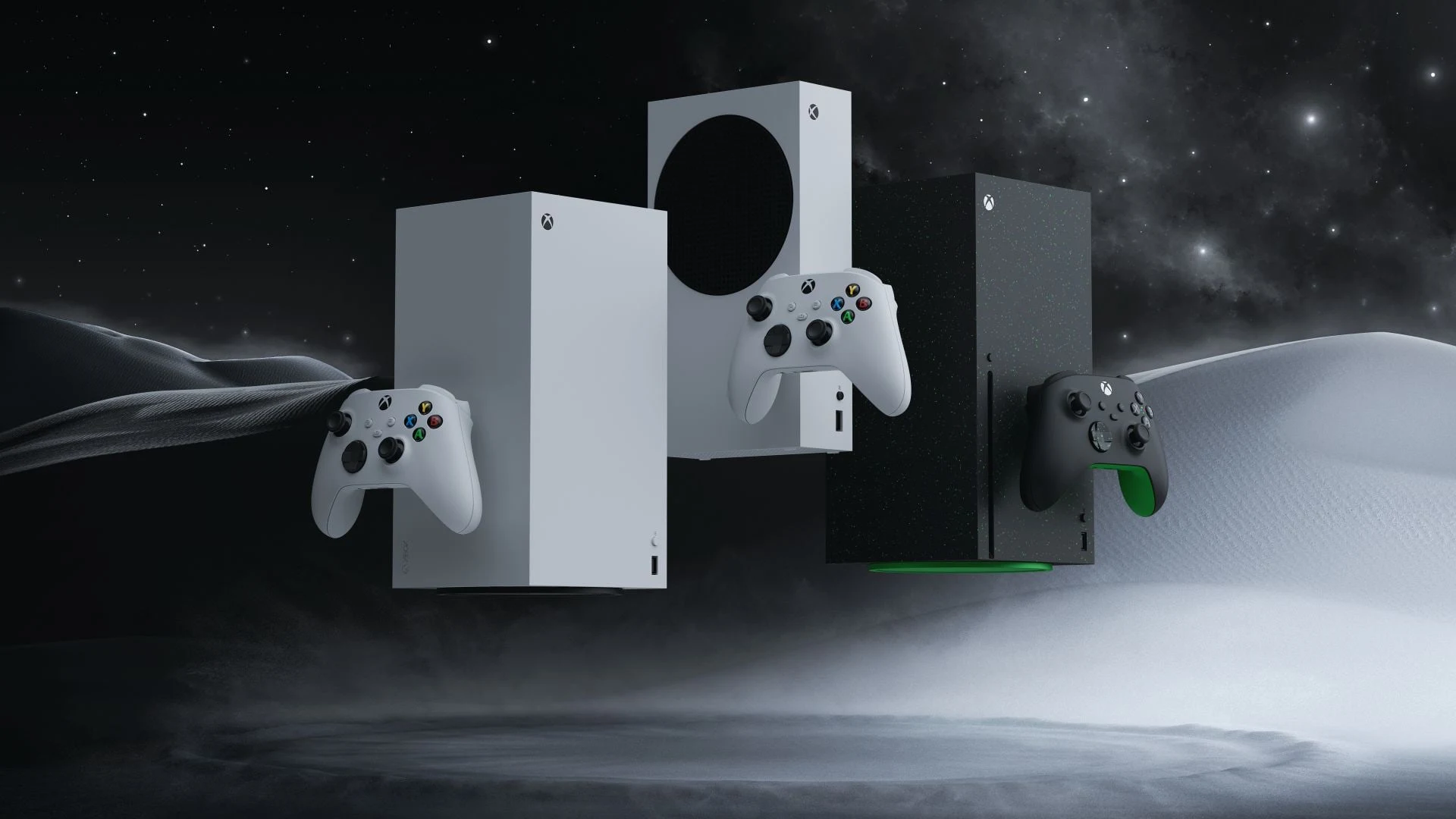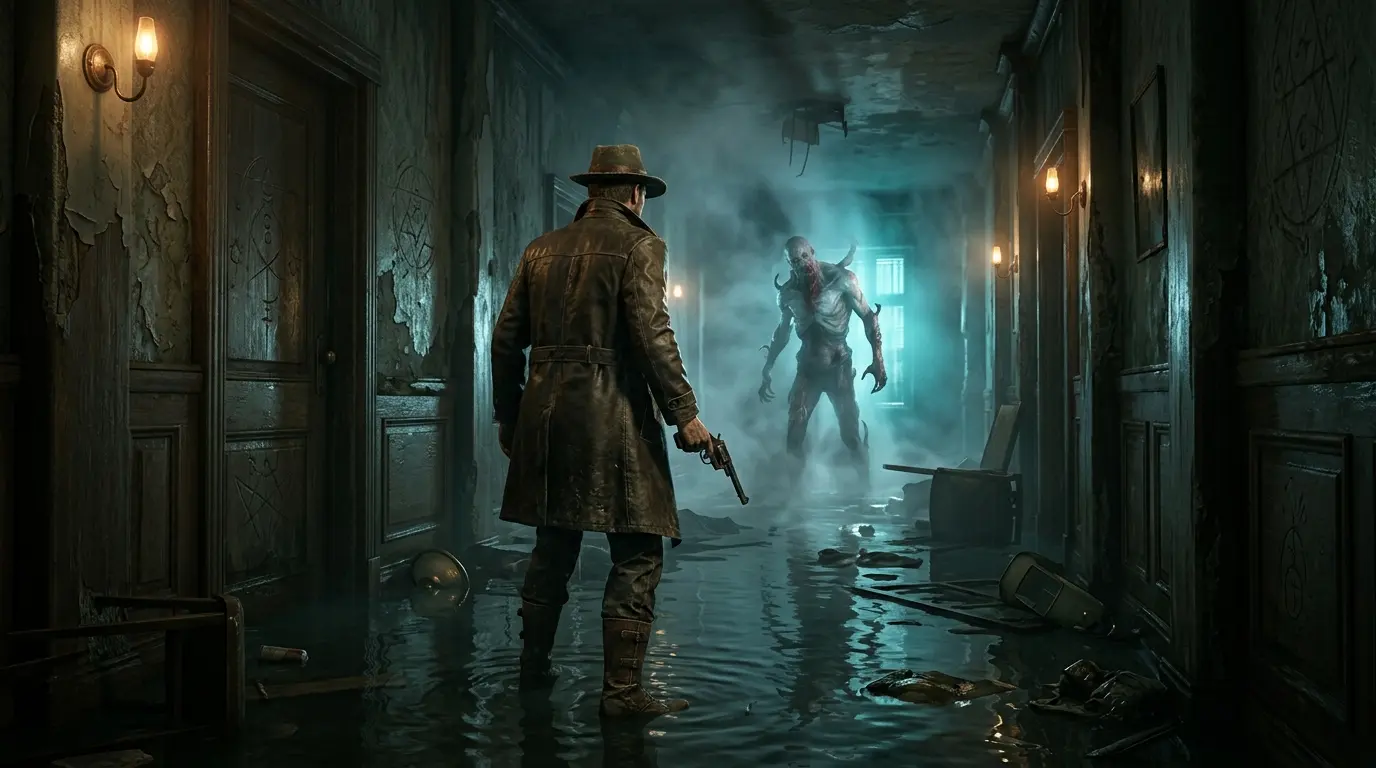
Hideo Kojima‘s Xbox-published horror project OD has been confirmed as still in active development and safe from Microsoft‘s ongoing restructuring cuts, as reported by Bloomberg journalist Jason Schreier – arriving at a moment when the broader Xbox portfolio is absorbing one of the most disruptive consolidation waves the division has ever seen, making this specific survival confirmation meaningful rather than routine.
Here’s the context: OD was formally announced at The Game Awards 2023 as a collaboration between Kojima Productions and Xbox Game Studios, with Get Out and Nope director Jordan Peele attached alongside a confirmed cast of Sophia Lillis, Hunter Schafer, and Udo Kier, whose likeness was captured before his death in November 2025 for a posthumous appearance. Kojima has described the project as something no one has ever experienced – an experiment in blurring the boundary between gaming and film, explicitly designed around cloud technology infrastructure that only Xbox was willing to back after multiple other companies passed on the concept. That backstory matters here because the project’s survival comes as Microsoft executes what it has openly called a structural reset of its gaming division, a wave of cuts we covered in depth in our breakdown of Microsoft’s Xbox restructuring and studio closures, with the fallout extending to storied internal studios as detailed in our coverage of Double Fine, Ninja Theory, and Compulsion Games’ closure talks.
Honestly, the survival of OD while first-party studios with decades of history face shutdown negotiations is not a neutral data point – it is a legible signal about where Microsoft‘s actual priorities sit right now. That is not Xbox protecting its gaming portfolio broadly; that is Xbox protecting its prestige external partnerships while internal headcount absorbs the structural pain. Xbox CEO Sarah Bond describing OD as a “deeply moving game” while the division simultaneously enters closure talks with studios like Ninja Theory and Double Fine – both of which Microsoft spent real money acquiring – is corporate-speak for: high-profile third-party collaborations with globally recognizable names are shields; owned studios are line items. Kojima told Entertainment Weekly that every other company called the concept crazy before Phil Spencer backed it, which makes the current situation somewhat ironic – the unconventional experimental project that no one wanted is now the one with confirmed protection, while the conventional internal studios that Microsoft paid to own are the ones in jeopardy. The leadership instability documented in our piece on Xbox Game Studios’ leadership departures adds further context to just how unsettled the internal structure around all of this actually is.
What remains unclear is whether OD‘s deal structure or creative scope has been quietly revised as part of the broader restructuring – a survival confirmation tells us the project exists, not that it exists in its original form. No release window has been announced, analyst commentary generally places the title no earlier than 2026 at the absolute minimum, and principal cast filming only recently began, suggesting a multi-year runway remains ahead. Whether the project’s Xbox Series X|S and PC exclusivity arrangement remains fully intact is also unconfirmed – Microsoft‘s current multiplatform push raises genuine questions about whether any exclusivity window is contractually locked or simply assumed, and no official platform list has been published. Game Pass availability is widely expected but similarly unconfirmed at the formal level.
What to watch: The next likely moment for OD to surface publicly is an Xbox showcase – the project has historically been revealed and updated at large industry events, and any footage or developer commentary would be the first real signal of whether its scope survived the restructuring intact. Beyond that, watch for Kojima Productions communications following the release of Death Stranding 2, which is broadly understood to be the studio’s current primary focus; once that ships, bandwidth presumably shifts toward OD in earnest. Any formal announcement of platform specifics – particularly whether PlayStation is included – would also materially reframe what kind of project this actually is.
Does knowing OD survived the reset change how you feel about the project, or does the chaos surrounding everything else at Xbox right now make it harder to feel confident about any long-horizon commitment from Microsoft? And does protecting a high-profile external collaboration with Hideo Kojima while negotiating the closure of internally owned studios tell you something specific about where the platform’s priorities actually sit? Sound off in the comments below, and keep your eyes on GameLuster for more OD, Kojima, and Xbox coverage.