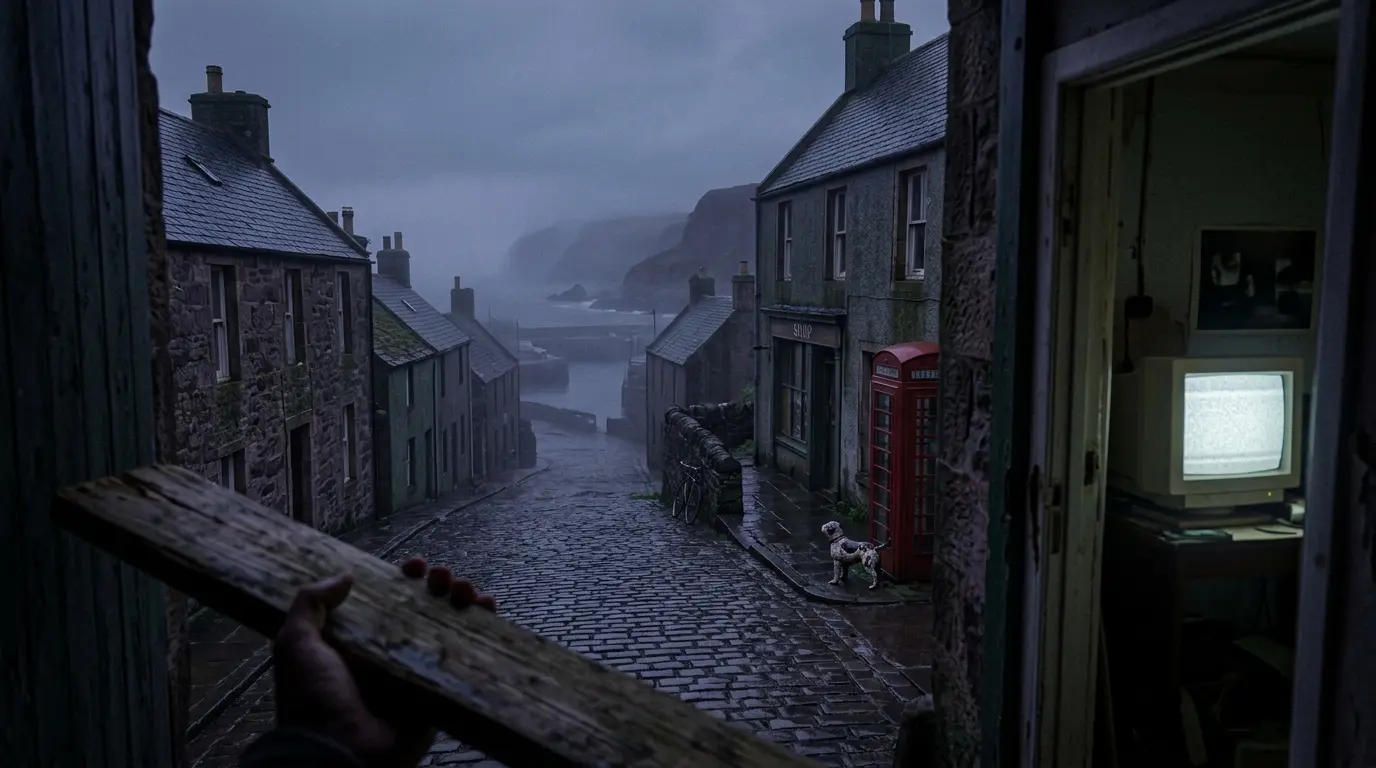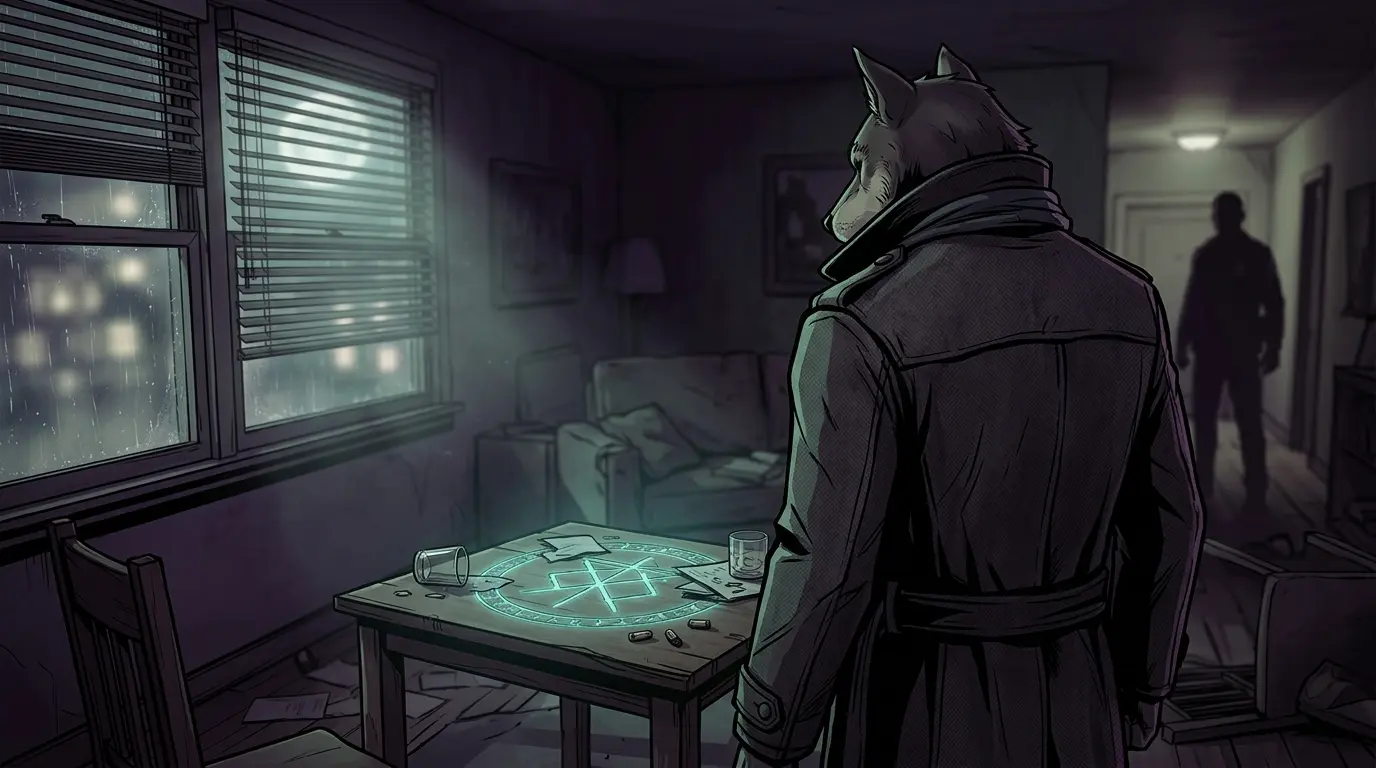
IO Interactive has begun layoffs after Xbox withdrew from its financing and publishing agreement for Project Fantasy – the studio’s online fantasy RPG built around a new IP – forcing the Hitman developer to restructure staffing while insisting the game itself remains in active development, as reported by Bloomberg and corroborated by regional outlets covering the Copenhagen-based studio. No confirmed headcount figure has been released, but the cuts are directly tied to Xbox‘s exit from the partnership rather than any internal performance issues at IOI. IO Interactive stated publicly that it is “100% committed” to Project Fantasy and that “this incredible universe will indeed come to life,” framing the layoffs as a structural consequence of losing a major funding partner rather than a creative retreat.
Here’s the context: IO Interactive first surfaced Project Fantasy publicly in February 2023, describing it as an online fantasy RPG with Xbox attached as both financier and publisher – a partnership that positioned the project as one of the more ambitious new-IP bets in Microsoft‘s first-party ecosystem at the time. The studio’s history with losing major publisher backing is not abstract: in 2017, then-owner Square Enix cut ties with IOI, triggering layoffs that eliminated nearly half the studio’s workforce and cancelled every project outside the Hitman franchise, leaving IO Interactive to rebuild from independence. That rebuilding worked – the studio stabilised around Hitman, eventually expanding into multi-IP territory with 007 First Light in 2026 – but the current situation rhymes uncomfortably with that earlier collapse in ways the studio’s public messaging is clearly trying to get ahead of. As we covered in our breakdown of Microsoft’s ongoing Xbox studio restructuring, Xbox has been systematically reassessing its content investment portfolio, pulling funding from projects that don’t meet increasingly narrow strategic-priority thresholds – and Project Fantasy is the latest casualty of that calculus.
Xbox‘s withdrawal is part of a wider reassessment of content spending that The Verge and others have reported is set to accelerate in early July, with potential closures, spinoffs, or mergers affecting at least five studios and possible cancellations including Marvel’s Blade. Xbox spokespeople have characterised the shift as “re-examining funding allocations” to focus on projects with the highest strategic priority – framing that implies overall games investment is stable while individual partnerships absorb the cuts. For IO Interactive, the practical consequence is that Project Fantasy now needs either a new publishing partner or a self-publishing path, and the studio has acknowledged it will pursue “new avenues of financing” to keep the project moving. No replacement partner has been announced, and no revised timeline for the game has been offered – what IOI has offered is an unusually transparent acknowledgment that affected staff exist and that the studio’s stated commitment to them is part of the public record.
Honestly, Xbox‘s framing here – that it is “re-examining funding allocations” to concentrate on higher-priority projects – is corporate-speak for: we made a bet on a new-IP online RPG from a mid-sized independent studio, and when the margin pressure arrived, that bet didn’t survive the triage. That’s not a condemnation of Project Fantasy specifically; it’s a description of how Xbox‘s first-party strategy has repeatedly worked under sustained financial scrutiny. The studio gets the cost without the content, and the developer absorbs the disruption. What makes this pattern worth naming clearly is that IO Interactive has now navigated a major publisher abandonment twice in under a decade – and the 2017 episode, brutal as it was, ultimately produced the independence that allowed 007 First Light to exist. The parallel is imperfect because Project Fantasy is a live-service-adjacent RPG that requires substantially more capital to bring to market than a single-player Hitman entry, which means self-publishing this particular project carries a different order of financial risk than going independent with a proven episodic franchise did in 2017. The broader Xbox pattern – pulling publisher commitments from external studios as internal restructuring tightens – is also playing out simultaneously at other developers, as the situation at Bungie following Sony’s acquisition illustrates: platform holder priorities shift, and studios caught mid-project pay the staffing cost. IO Interactive is not an outlier. It is the current clearest example of a structural dynamic that is reshaping how AAA games get funded.
What remains unclear is the actual scale of the layoffs – IO Interactive has not confirmed a headcount figure, which makes it impossible to assess whether the cuts are targeted around roles specific to Xbox‘s publishing infrastructure or affect Project Fantasy‘s core development team. It is also unconfirmed whether Microsoft retains any rights to the Project Fantasy IP as a condition of the original publishing agreement, which would significantly complicate IOI‘s ability to bring a new partner in. The scope of Xbox‘s stated rationale – what “highest strategic priority” actually means in terms of project type, budget threshold, or platform exclusivity requirements – has not been formally detailed. What to watch: Xbox‘s anticipated early-July wave of studio announcements, which reporting suggests will formally confirm the restructuring scale and potentially name affected studios; any public announcement from IO Interactive naming a new publisher or funding partner for Project Fantasy; and whether Microsoft addresses the Project Fantasy withdrawal specifically in its next earnings communication or continues to frame cuts in aggregate terms.
Can IO Interactive realistically self-publish or re-partner on an online fantasy RPG at AAA scale without the financial runway a platform holder provides – and does the studio’s track record of surviving publisher exits actually transfer to a project this structurally different from Hitman? And what does Xbox‘s repeated withdrawal from external-studio partnerships – Project Fantasy, the broader restructuring flagged in our coverage of how high-budget projects collapse mid-development, the looming studio decisions in July – tell you about whether Microsoft has a coherent first-party content strategy or is simply cutting until the margin numbers improve? Sound off in the comments below, and keep your eyes on GameLuster for more IO Interactive and Xbox coverage.