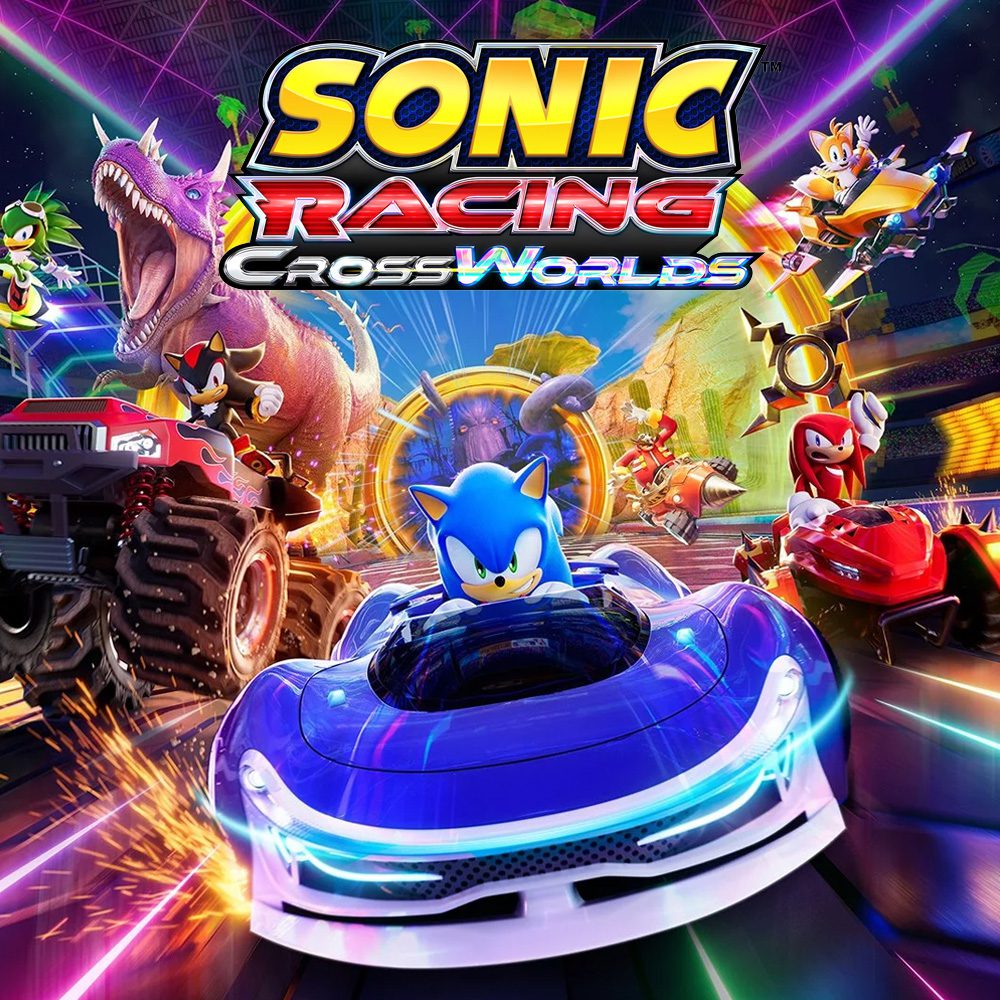

There is a question that has been asked since the dawn of time. It is a question that determines how we all view the universe we live in and it’s a question that 2025 is asking us too. That long-pondered philosophical question is… do you prefer Sonic or Mario? With both releasing their next big racing game this year, it’s something we must once again ponder.
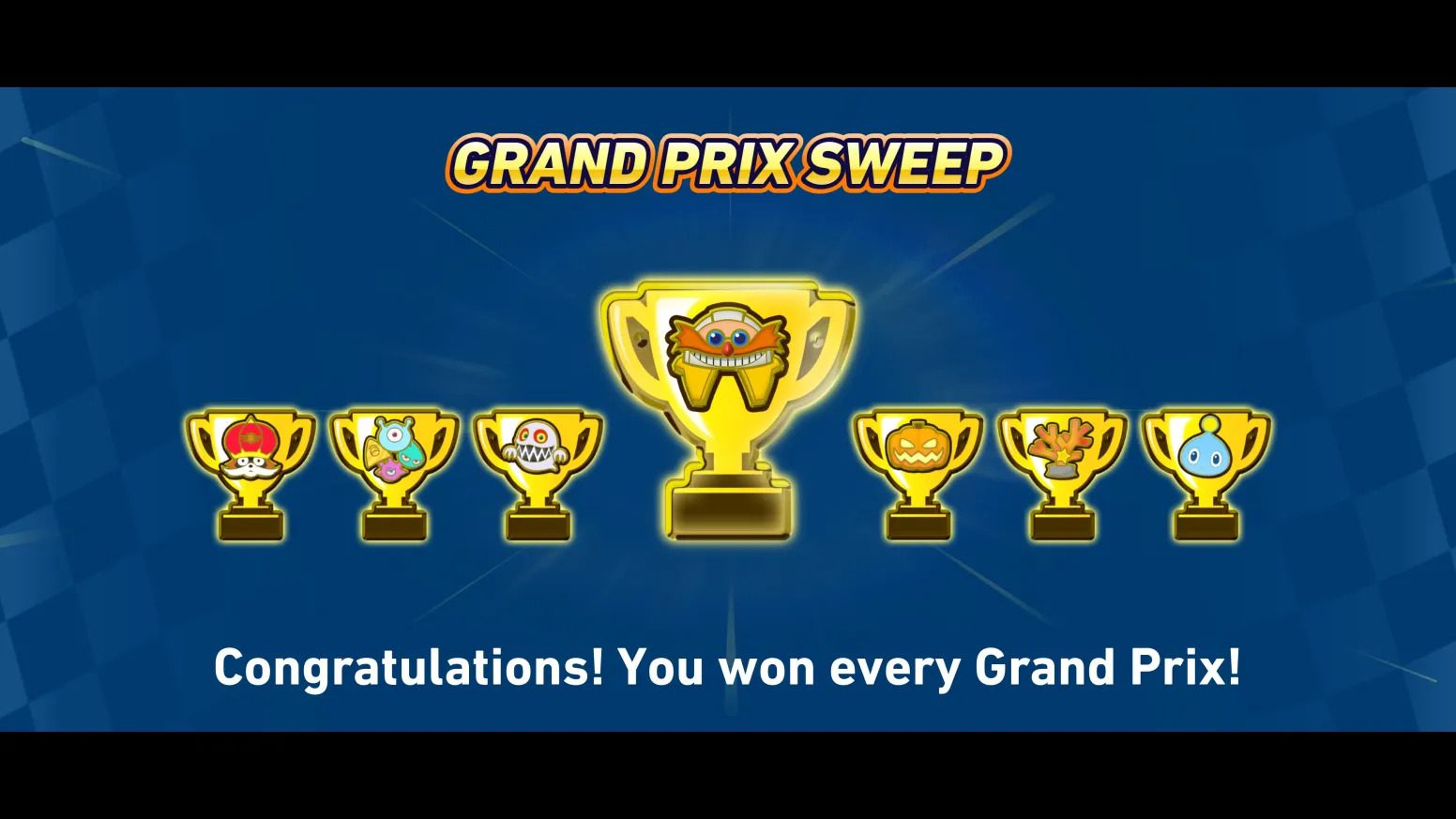
I’ve always had my answer, and it was Mario all the way. I prefer his platformers, I prefer those characters, and I’ve always preferred red over blue. But, that’s why Sonic Racing: CrossWorlds has been such a surprising experience. I’ve had some time to think it over after completing all the Grand Prix races and explored some of the extra unlockable content. Despite my lifelong Nintendo allegiance, I liked Sonic Racing: CrossWorlds more than Mario Kart World.
Right from the beginning of the game, I was in unfamiliar territory. There were many character I didn’t know, nor did I even know how the items worked, compared to the second language that is blue shells, red shells and banana peels from Mario Kart. However, the high-speed racing soon forced me to become familiar with everything Sonic Racing in a matter of minutes. For the most part the items are similar to those found in Mario Kart, but the ones that are different add some brilliant ideas that aren’t featured in Mario‘s racing game.
The magnet item attaches to player’s vehicles and slows them down, whilst the screen-covering ink move (which in Sonic is slime) can actually be removed by shaking it off the vehicle. Small differences and additions like this add up, as they make the moment-to-moment racing more enjoyable and engaging. Across the whole game, these moments stack up and create a notably different experience to this year’s Mario Kart World, but one I found more fun and interactive.
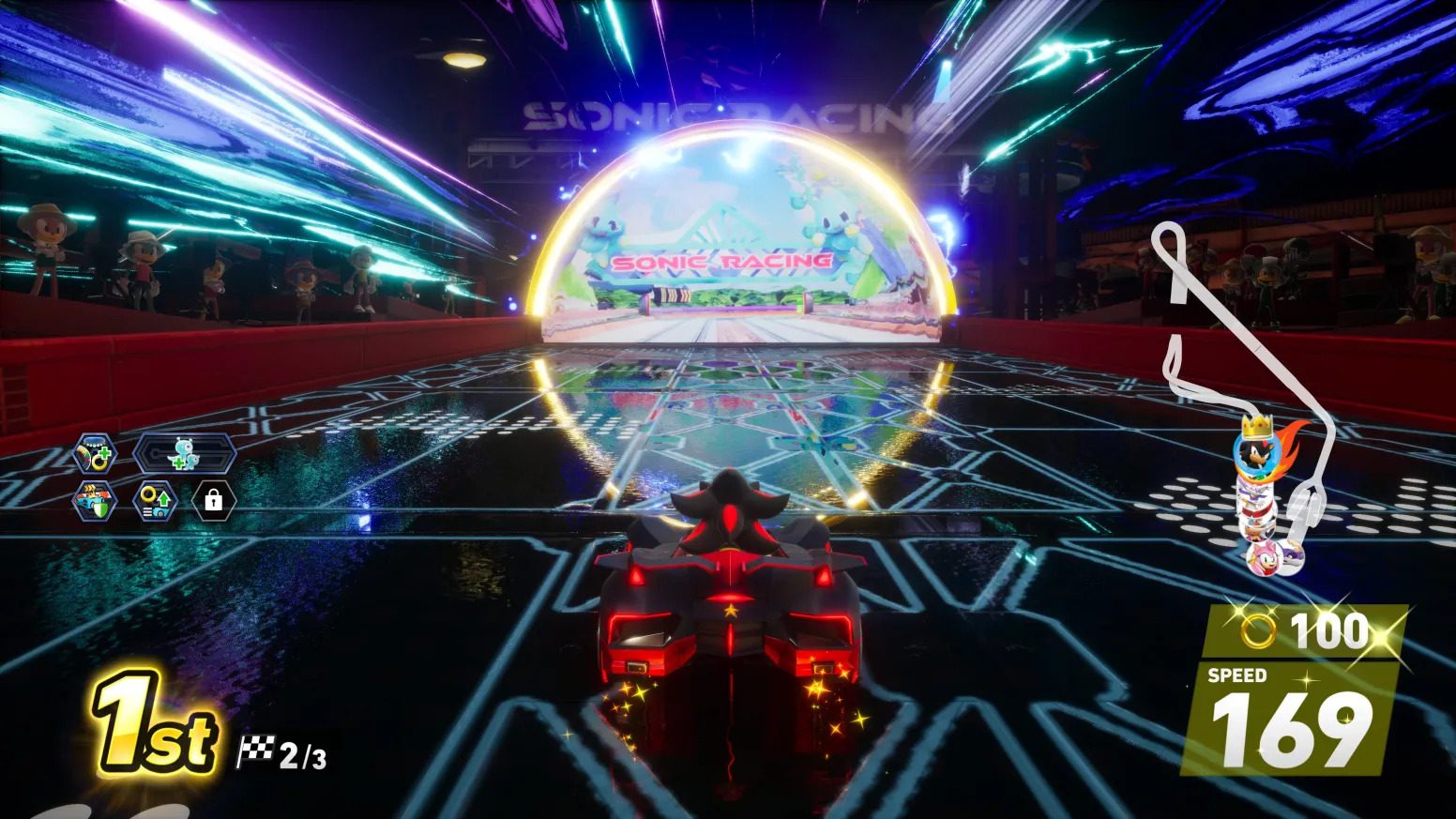
For example, whilst Mario may have more skins for its characters, Sonic Racing: CrossWorlds has a robust car customization system that worked wonders for me. Decals can be added in any shape, size or color, and can be freely moved around any part of the vehicle. This is a lot more fun than Mario‘s stickers, which are creative but a lot less expressive and feel more restrictive compared to SEGA’s approach of letting us create our vehicles how we’d like them. Individual car parts can be swapped out to create a cohesive look, any character’s color palette can be used on any vehicle regardless of their aesthetic. If you want to race in the edgy Shadow car whilst sporting Amy’s pink and pretty style, you can!
The characters aren’t only there to fill the seats of your customized vehicle, as SEGA put a lot of extra effort into creating at least a small sense of narrative and immersion in each race with the rival system. At the start of a Grand Prix, you’ll be assigned (or can select) a rival racer, with any difficulty of your choosing. This character will then speak to yours in a cutscene before the first race, as well as before the final race, and sometimes at other moments depending on your performance and position, such as in the race itself through spoken dialogue. It feels great to see the rivals get checked off one by one as you claim victory over each, and it’s also exciting to hear the exclusive custom interactions between some characters too. Sonic and Shadow’s rivalry is fierce for example, whilst Rogue and Shadow’s is friendly and has a lot more sportsmanship than the former. I wish we’d see more things like this in Mario Kart, to make the racers feel less like empty shells that occasionally shout “wa-hoo!” and more like the characters that they’ve been built up as for decades prior.
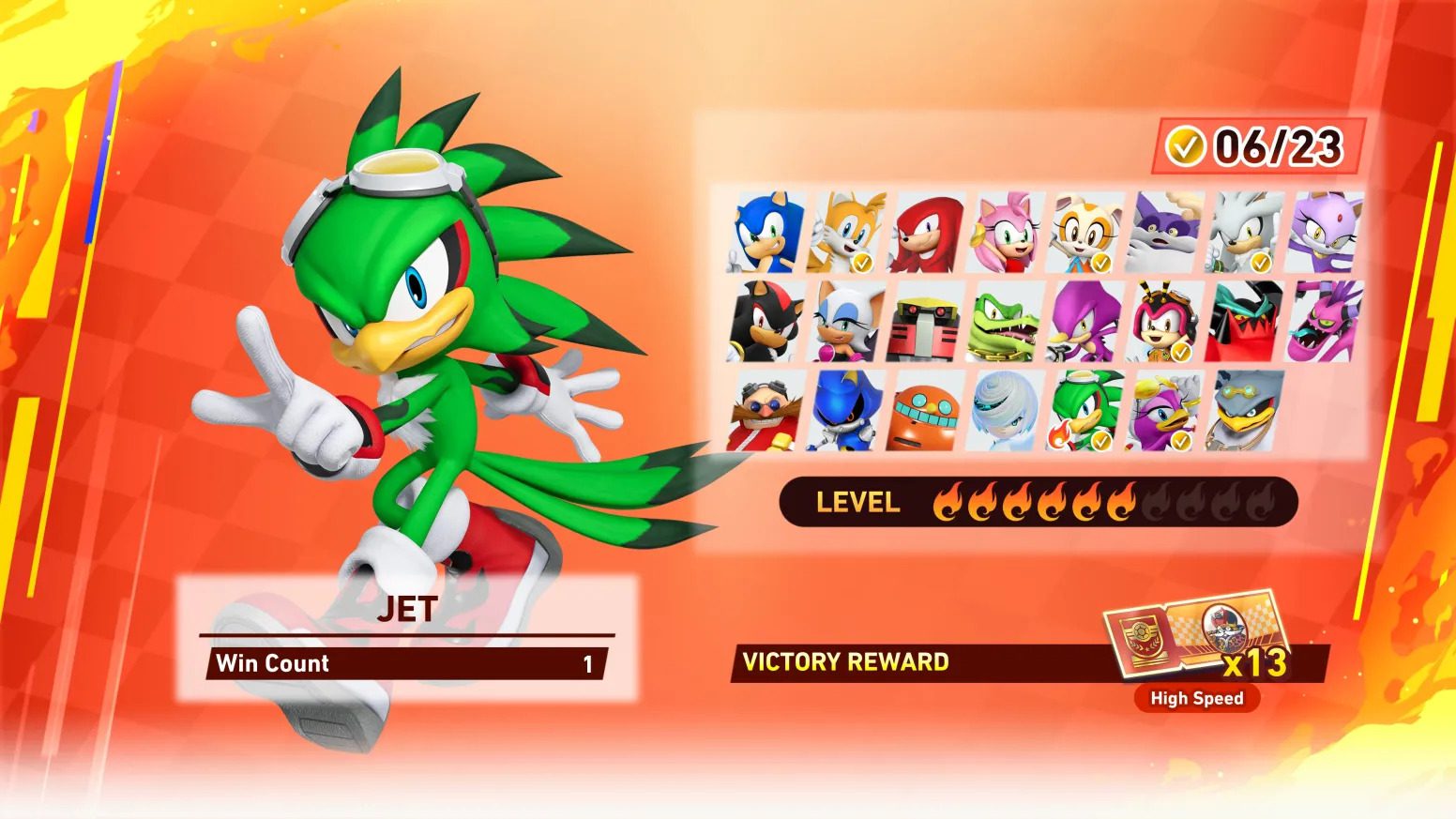
The races themselves are fast, chaotic and action-packed. The large variety of items and their effects can take a few races to get used to, but once you know how they all work you’ll be strategizing and dodging far better than at the start. There are 12 racers per course, which feels less chaotic but also less messy than Mario Kart World, with a greater focus on actually being good at driving and navigating these tracks, and less about getting luck with the items you can roll.
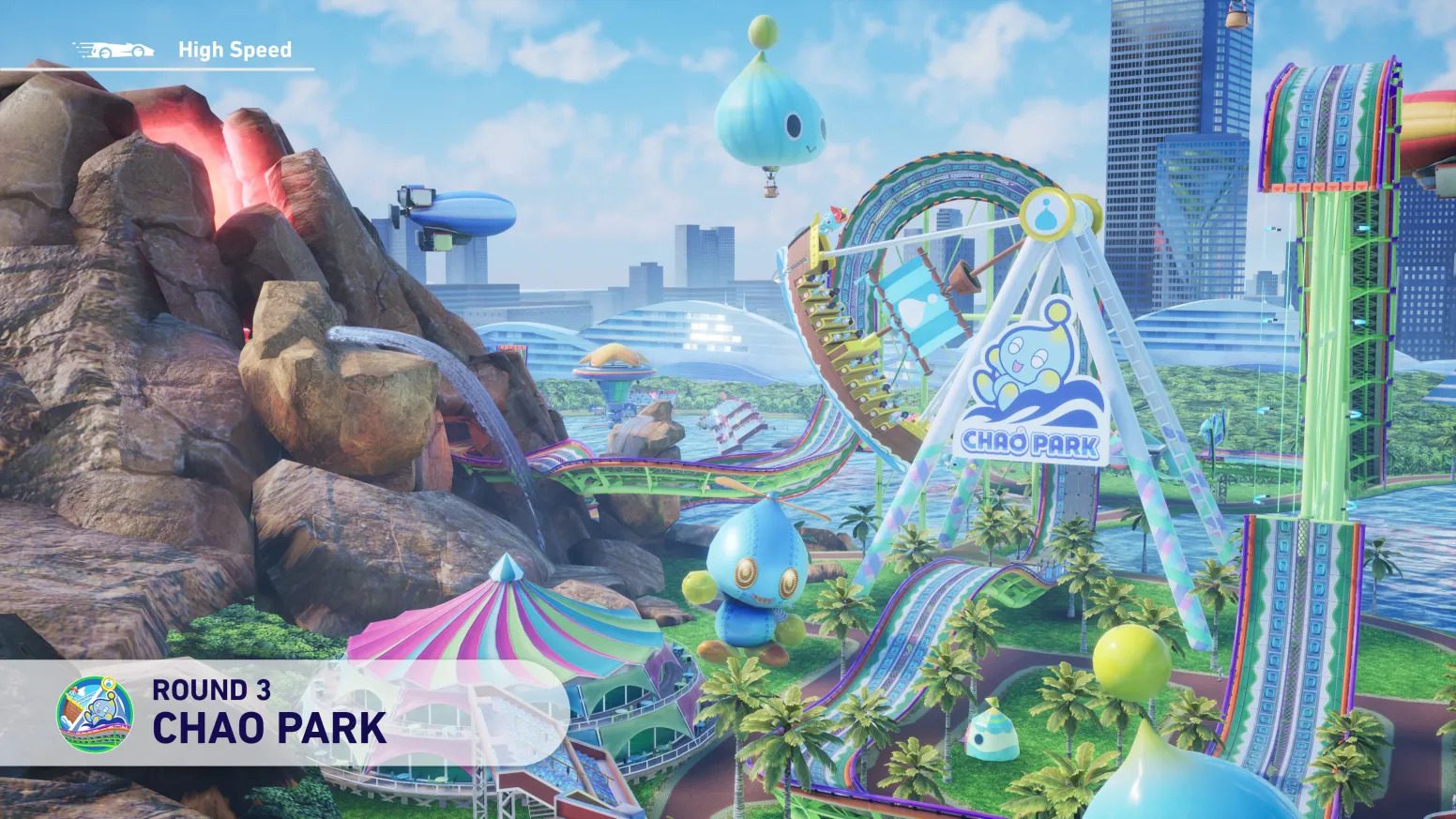
Speaking of tracks, they’re absolutely beautiful. I spent a lot of time getting to know some of them, mainly as I was getting steamrolled at higher rival difficulties, but they sure were pretty to look at. My personal favorite was Chao Park, but all of them felt soulful and alive, with excellent soundtrack accompaniments to sweeten the deal further. During each race you’ll be teleported to one of the titular CrossWorlds, which are alternate dimensions that the player in first place can select as you approach the second lap. They’re vastly varied, even though races are so fast sometimes that they can feel like something of a blur compared to the more memorable main tracks.
I mentioned that I replayed tracks to practice against my rivals, and Sonic Racing: CrossWorlds makes that surprisingly easy with a feature I’ve not encountered in a racing game before. You earn tokens in every race based on your performance in certain metrics, but you can actually spend 20 of these tokens to replay a track you didn’t perform so well on to try and get a different result. This is a brilliant idea for perhaps younger or less-skilled racers, and also worked great for those of us who want to complete everything in one run but just need to get some practice in first.
Speaking of smart ideas, yet another can be found in the scoring system of the races. Just like you’d find in other games, the racer who finishes first gets the most points, and the person at the bottom gets the least. However, unlike in other games, the final track in a Sonic Racing: CrossWorlds Grand Prix offers three extra points than usual. This means that even if you’re falling behind a little in second or third place overall, there’s still a meaningful chance that you can leapfrog past whoever’s ahead of you to score a higher final position. This made each race feel like there’s still all to play for, and a fumble in one didn’t mean you were entirely written out for the rest of the game, so long as you can grab that first place in the final. It adds tension, yet also gives you hope, and that’s an addicting gameplay loop.
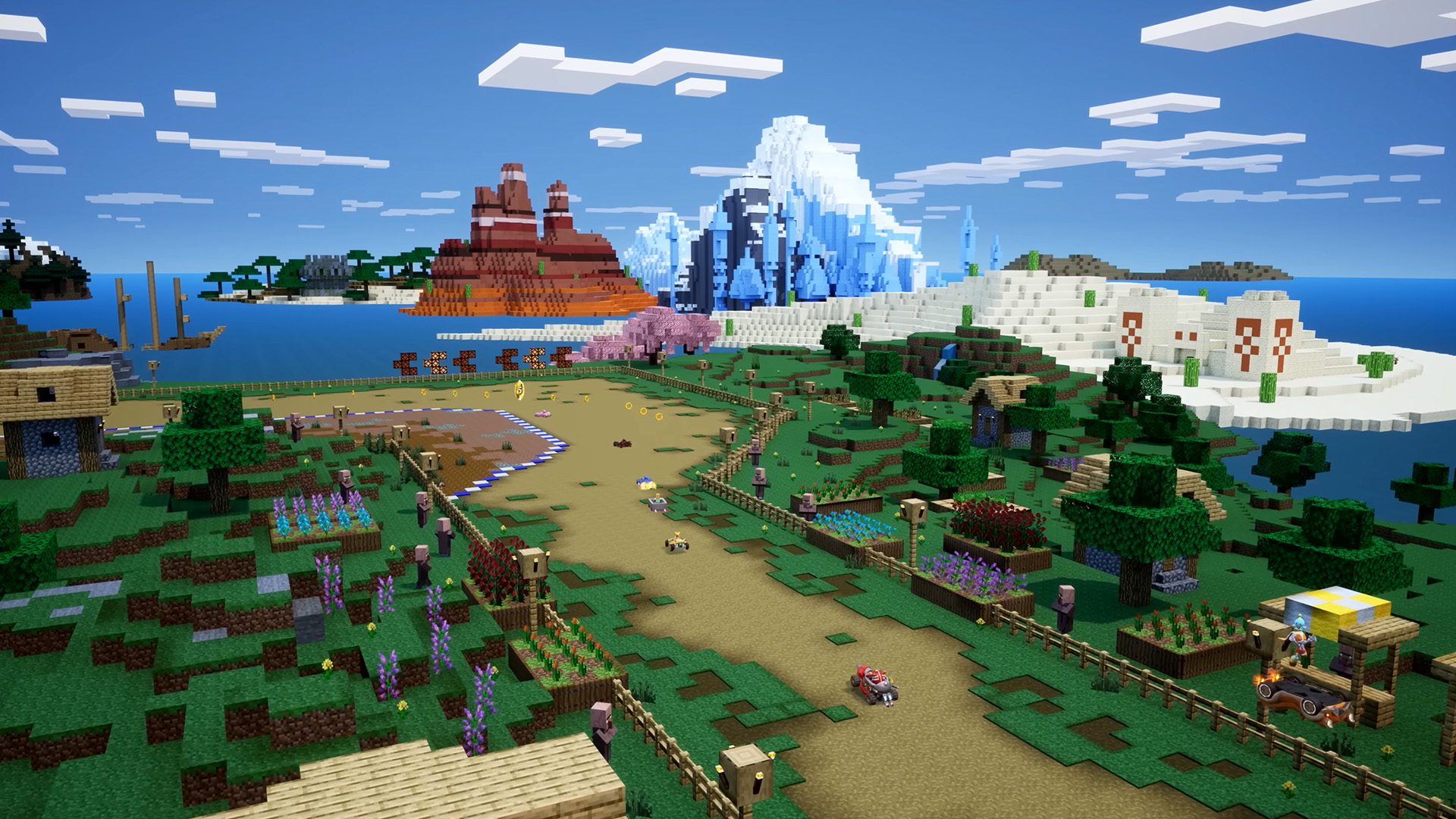
I’ve mentioned Mario Kart World a few times here as it’s almost impossible to avoid the comparisons and it’s just what I’m familiar with, but there’s more things that I find Sonic Racing: CrossWorlds just does better. It’s more of a traditional racing game, without the controversial straight-line highway tracks found in Mario Kart World, and I like Sonic‘s approach more. It’s brighter, it’s flashier, and the CrossWorlds mechanic which teleports you to another location mid-race is far more technologically impressive than anything Mario Kart World does. It almost hurts me to say it given my lifelong Nintendo leanings, but Sonic Racing: CrossWorlds is more exciting to me than Mario is – especially when the latter still has no confirmed DLC despite so many characters lacking cosmetics, yet Sonic is ready to introduce characters from other universes.
I finished all the Grand Prix races in Sonic Racing: CrossWorlds feeling not just satisfied with the experience I had, but also hungry for more. Online services were unavailable during the review period, but now they’re up with all the early access players I need to dive in for more. It’s not perfect, the CrossWorlds could be more memorable, but that doesn’t bring the experience down much. It’s fast-paced, it’s simple yet chaotic, and it’s just pure fun. I can’t wait to play more.
Bobby reviewed Sonic Racing: CrossWorlds on PC with a provided review copy.