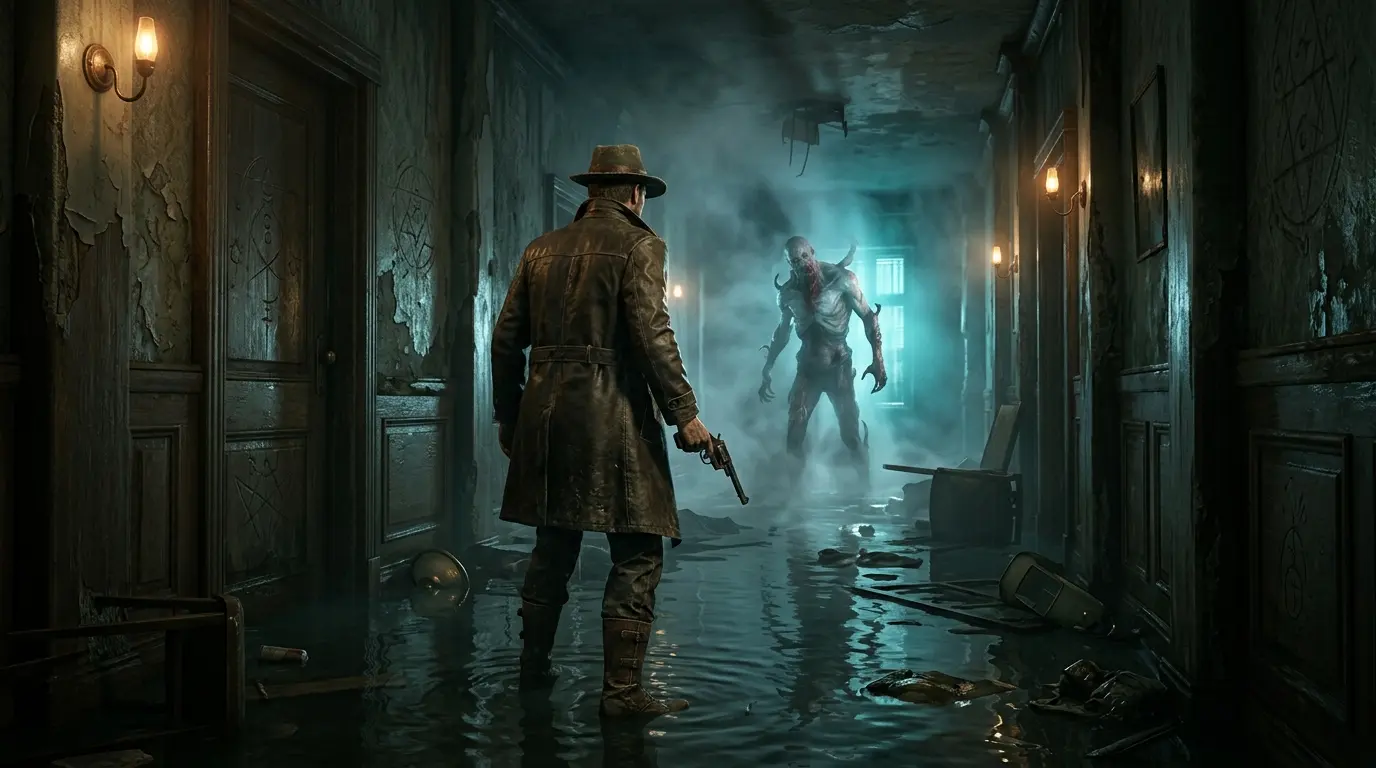

Video game remasters attempt to give classics a makeover, but some fall short, leaving fans underwhelmed by glitches or lackluster updates.
In the last ten years, there have been quite a few remasters that did not live up to the original’s magic. Here we’ll list seven of those, including one that tried to recreate a PS2 classic as a mobile game, what went wrong, and why the fans despised each of them.
A Foggy Mess of the Silent Hill HD Collection
The Silent Hill HD Collection, which paired Silent Hill 2 and 3, had been touted to revitalise these psychological horror classics. Instead, it traded in the creepy fog and dark textures for blurrily rendered, washed-out graphics that destroyed the spooky atmosphere.
The remastered voice acting wasn’t as emotionally charged as the original, and technical problems, such as frame rate dips on Xbox 360, interrupted gameplay. Further, Konami’s reliance on incomplete source code exacerbated the issues.
Fans, expecting a faithful tribute to these masterpieces, felt the collection was a disrespectful downgrade, urging others to seek out the PlayStation 2 originals.
A Mobile Misfire of Final Fantasy VIII Remastered
Final Fantasy VIII Remastered, upon release on mobile platforms, was attempting to modernise the fan-favourite 1999 turn-based RPG.
The new character models conflicted with low-resolution backgrounds, making it look uneven. The phone iteration was marred by unresponsive touch controls, frequent crashing on older handsets, and awkward menu scrolling. However, it’s debatable whether a story-driven game would suit the mobile format, since, just like today, short-term play was dominant in 2019 as well, like a quick hand of poker at the new sweeps casinos, or a few levels of Candy Crush during downtime.
Additionally, features like speed boosts and no-encounter modes felt tacked on, and the absence of voice acting or story reworks annoyed fans anticipating a significant facelift.
Fans who loved the PlayStation original saw the phone port as an awkward cash-grab, with emulated iterations being favoured.
The Tarnished Legacy of Warcraft III: Reforged
Warcraft III: Reforged was meant to celebrate Blizzard’s real-time strategy classic, but became a cautionary tale.
Improved graphics and cinematics were promised, but the final product offered minimal graphical enhancement and fewer cinematics. It removed user-generated campaigns, ruined modding tools, and replaced the 2002 title entirely, locking out users from playing the original.
Bugs, poor AI, and a lack of multiplayer capability tainted the launch. Fans, who cherished the game’s lore and modding legacy, labelled it a rushed cash grab, with many joining petitions to restore the classic version.
Grand Theft Auto: The Trilogy – The Definitive Edition
Grand Theft Auto: The Trilogy, remastering GTA III, Vice City, and San Andreas, was intended to be a tribute to these genre-defining titles and make them look as we remember them.
Built from mobile ports by Grove Street Games, it delivered glitchy character models, broken lighting, and erratic AI. Rain effects obfuscated visibility, and controls were stiff on newer systems.
Social media was filled with memes ridiculing the cartoon-like graphics. Fans, who anticipated a refined love letter to the series, vocalised the lack of superior care, with many resorting to fan-modded PC versions rather than this buggy “definitive” version.
Sonic Colours: Ultimate
Sonic Colours: Ultimate brought the vibrant Wii title to new hardware, but a rushed development was catastrophic.
The Nintendo Switch port had issues with crashes, graphical glitches, and slowdowns that broke up the high-speed pacing. Additional lighting effects clashed with the colourful aesthetic of the original, and additional modes like Jade Ghost mode felt uncreative.
Current Sonic fans, already cautious because of past errors, decried the careless execution, and many stuck with the 2010 Wii version or waited months for patches to steady the experience.
Mafia II: Definitive Edition
Mafia II: Definitive Edition aimed to refine a cult favourite that was acclaimed for its movie-like storytelling.
What it delivered was negligible graphical enhancements with a few additional bugs, including texture pop-ins and erratic NPC AI. Stutters in the frame rate and badly optimised cutscenes spoiled immersion. Omission of cut content, like dropped missions, was an underwhelming chance to add some substance to the package.
Fans drawn to the rawness of the 2010 original slammed the remaster as lazy, arguing it didn’t deserve its “definitive” label.
Dark Souls: Remastered
Dark Souls: Remastered set out to honour FromSoftware’s ruthless masterpiece. PC players were treated to performance patches, but console versions featured only subtle texture improvements and reinstated multiplayer. The gameplay, enemies, and world basics were all left alone, making it feel like a glorified port.
The lack of quality-of-life updates or refined mechanics disappointed players hoping for a bolder revamp. The fans, appreciating the heritage of the 2011 classic, believed the remaster did not add much, noting the original could hold itself up without the subtle improvements.
Why They Fell Short
With the wave of remasters and reboots still going on, these remasters should serve as a lesson on what rushed development and a lack of respect for the originals can do to games that are considered classics and infallible.
Those deeply tied to the memories and craftsmanship of classic games demand updates that respect the source material and justify the price of revisiting it. When remasters fall short, they underscore a hard truth: sometimes, the best way to experience a beloved game is to leave it untouched, preserved in its original form.