
Hearing the words, “You have cancer,” is something that most of us don’t expect we’ll ever have to hear in our lives. But an alarming number of people hear those words each year, and that number continues to rise. Back in 2020, I was one of those people. The next six months were a blur of doctor’s appointments, hospital stays, surgeries, blood tests, chemotherapy, and physical therapy. By the time I’d finished my treatment and heard that I was in remission, there was only one thing I wanted: to lay on my couch playing video games.
I’d found it hard to concentrate on gaming while I was sick, mostly because I was so anxious and stressed all the time. Gaming didn’t feel like the escape that I needed it to be. It wasn’t until the constant fog of my own imminent mortality lifted that I was able to relax enough to game again. And by then, there were changes to my body that I did not expect, and devastated me.
It started when I realized holding a controller was painful. I’ve spent hours and hours playing games, burning through entire days without a second thought. But suddenly, after less than an hour in-game, I noticed a dull, throbbing pain in both my hands, particularly in my palms close to my thumbs, and in the joints of my fingers. My hands would be so stiff that I would wince when putting down the controller, and massaging my hands did little to nothing to help. Ibuprofen didn’t help, nor did chugging water to make sure I was hydrated. When I finally talked to my doctor about it, she told me it was a form of arthritis, a lingering side effect of chemotherapy. And it likely would never go away. The pain lives in my hands, my wrists, and my knees. And while I’ve learned to live with it, it’s forced me to change my gaming habits, and to find ways to accommodate my new needs.
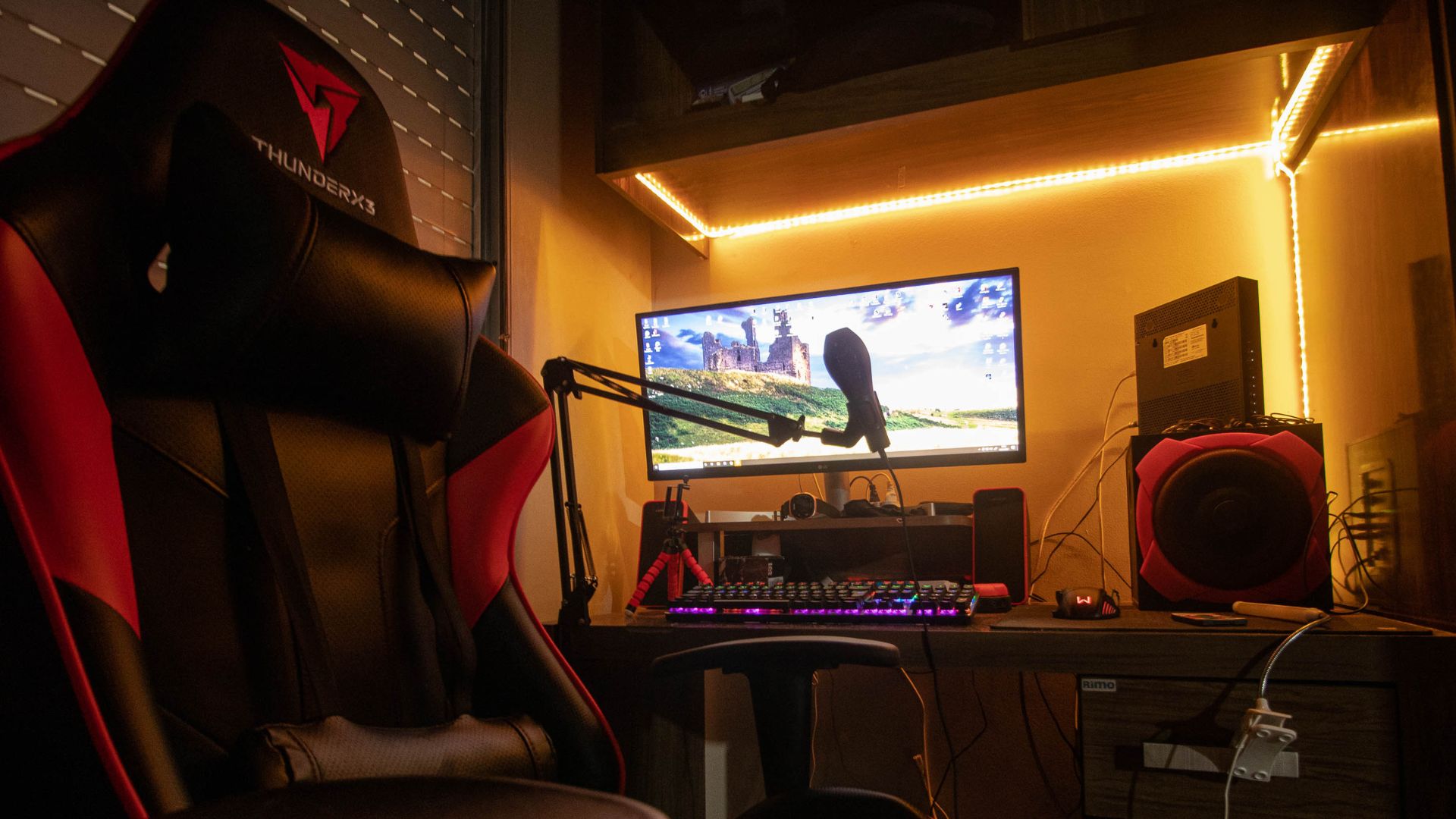
I won’t lie, playing games on easy mode started long before I got cancer. Sometimes I’m just more interested in the story than I am in being challenged by combat mechanics. While I like to experience combat, I don’t like to stress about it, as it tends to inhibit my experience appreciating the story. But before getting sick, I didn’t mind it much. I’d play most of my games on “normal” or “balanced” mode so that I could appreciate the best of both worlds. But after my recovery, I didn’t have the same stamina to sit for hours on end, which meant less ability to repeat tougher combat engagements over and over again.
There are some wonderful streamers and content creators who have shared their accessible controllers and set ups, but I was stubborn and resisted exploring those options. What I did find however, is that shorter sessions with breaks to go on a walk or rest were the most beneficial to me. And most conducive to that ritual was having the option to play my games on easy or accessible modes. I could get through combat engagements quicker without sacrificing my immersion in the story.
It’s not a perfect system, and yes, I do still like a good challenge (like my Baldur’s Gate 3 honor mode run, for example). Needing more accessible difficulty modes doesn’t make me less of a gamer or less interested in wanting to be challenged. It just gives me the ability to choose how and when I want to be challenged, at my own pace. Life is hard enough, and games are meant to be a fun and engaging distraction from the everyday slog. Having an “easy mode” just makes that more attainable for me.


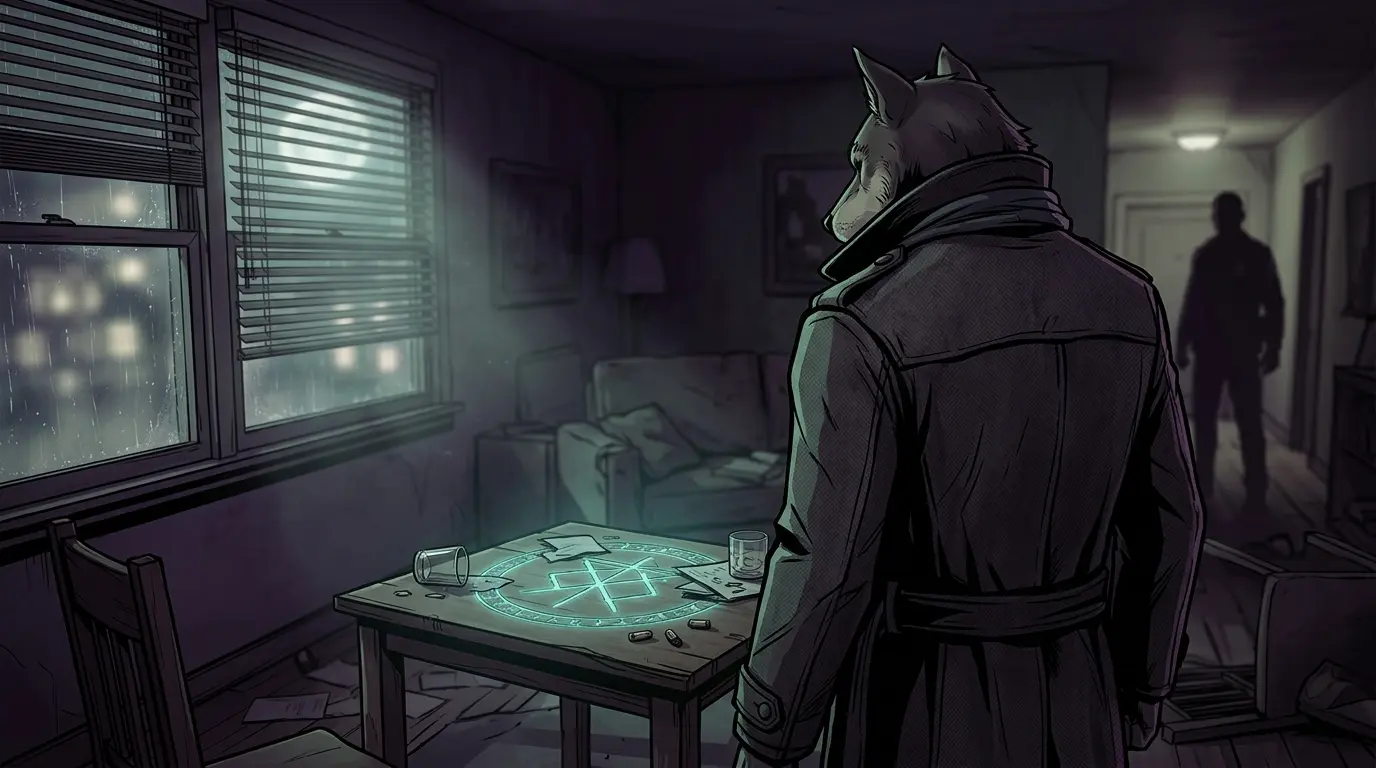
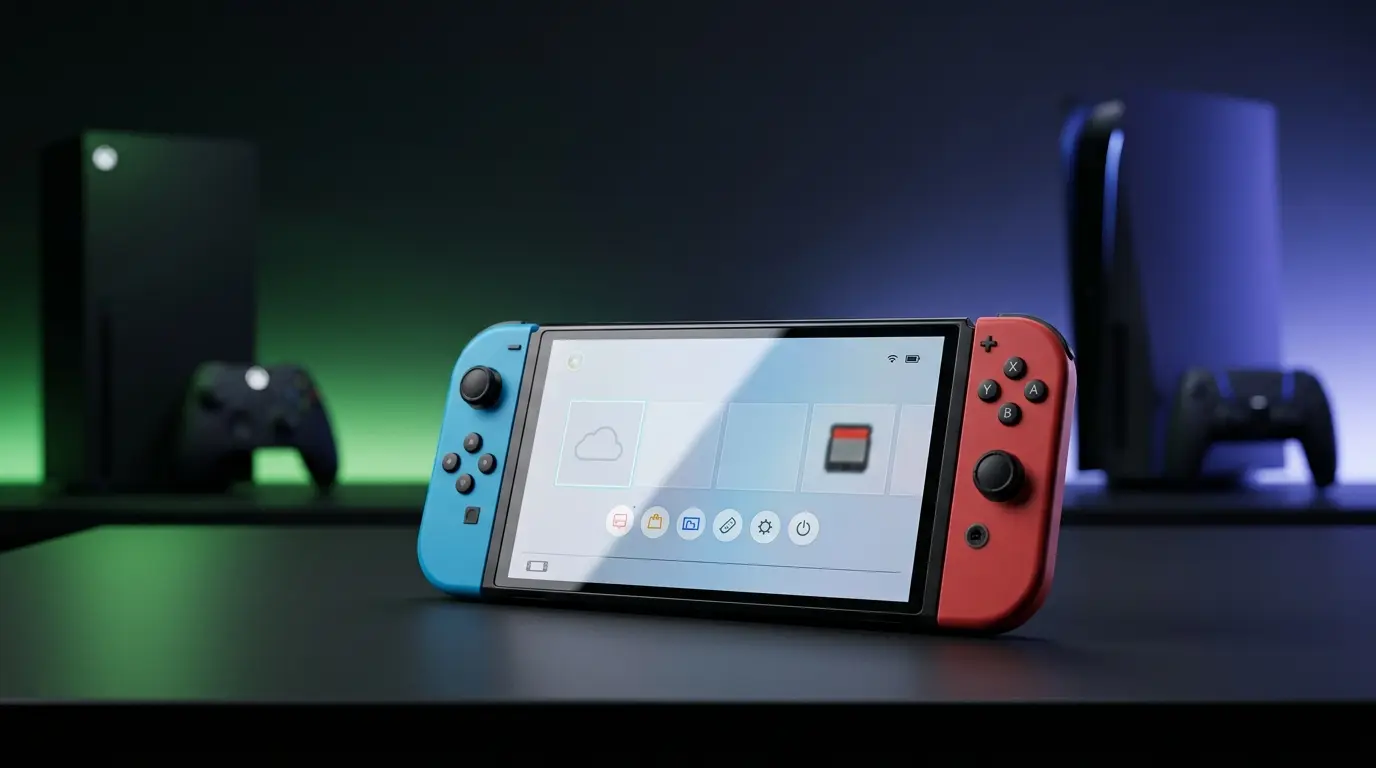






I primarily game to see a story or relax, which usually means easy mode for me too. Some games are really fun to git gud at, like my current Nightreign playthrough and Clair Obscur Expedition 33 challenge run, but even the latter I started with an easy mode playthrough!
My hands are actually sore from Nightreign to be honest though, so i can relate there too as I get older. I think robust accessibility options in games is good for everyone, not just those who absolutely need them. The first thing I do in every game is check accessibility options, if I can turn off tapping or make consumables easier to see/collect, I usually do.