
Don’t get me wrong, gaming throughout the past 5-10 years has been incredible with some exceptional works of art; I’ve heard the term “Golden Age of Gaming” thrown around here and there as a result, and I’m not at all surprised. I am here, however, to argue that the Golden Age we’re experiencing now is one of many, and I still, to this day, desperately cling onto one of its predecessors… the 2000s.
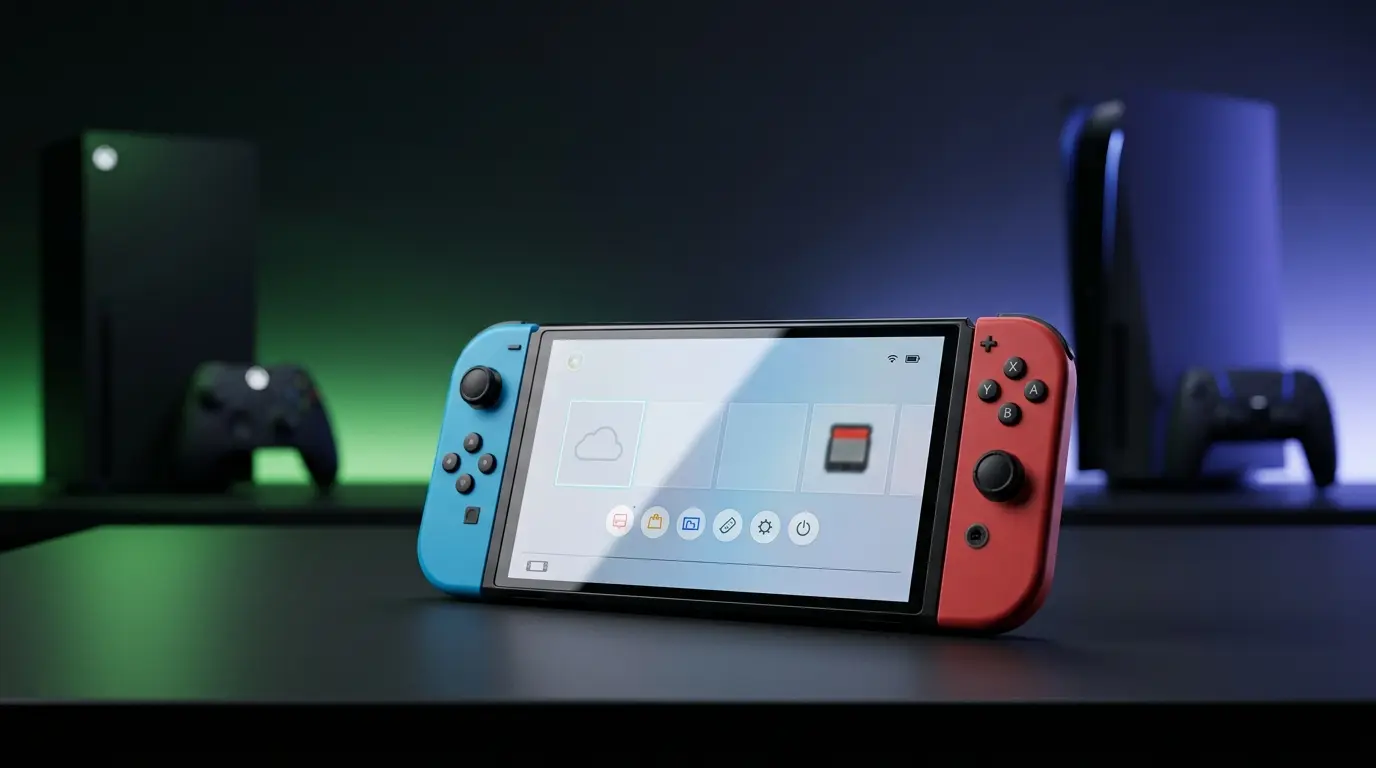
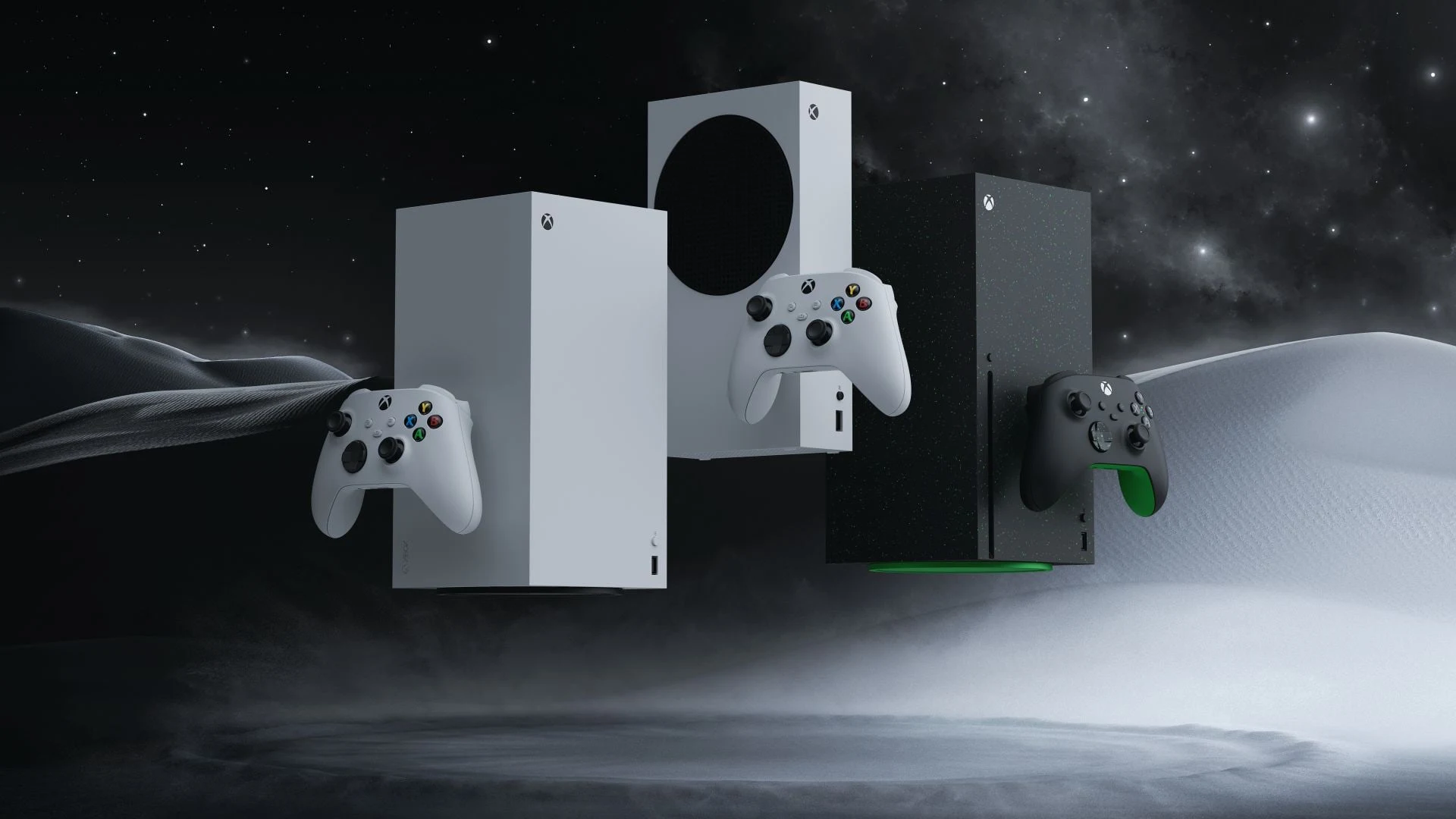
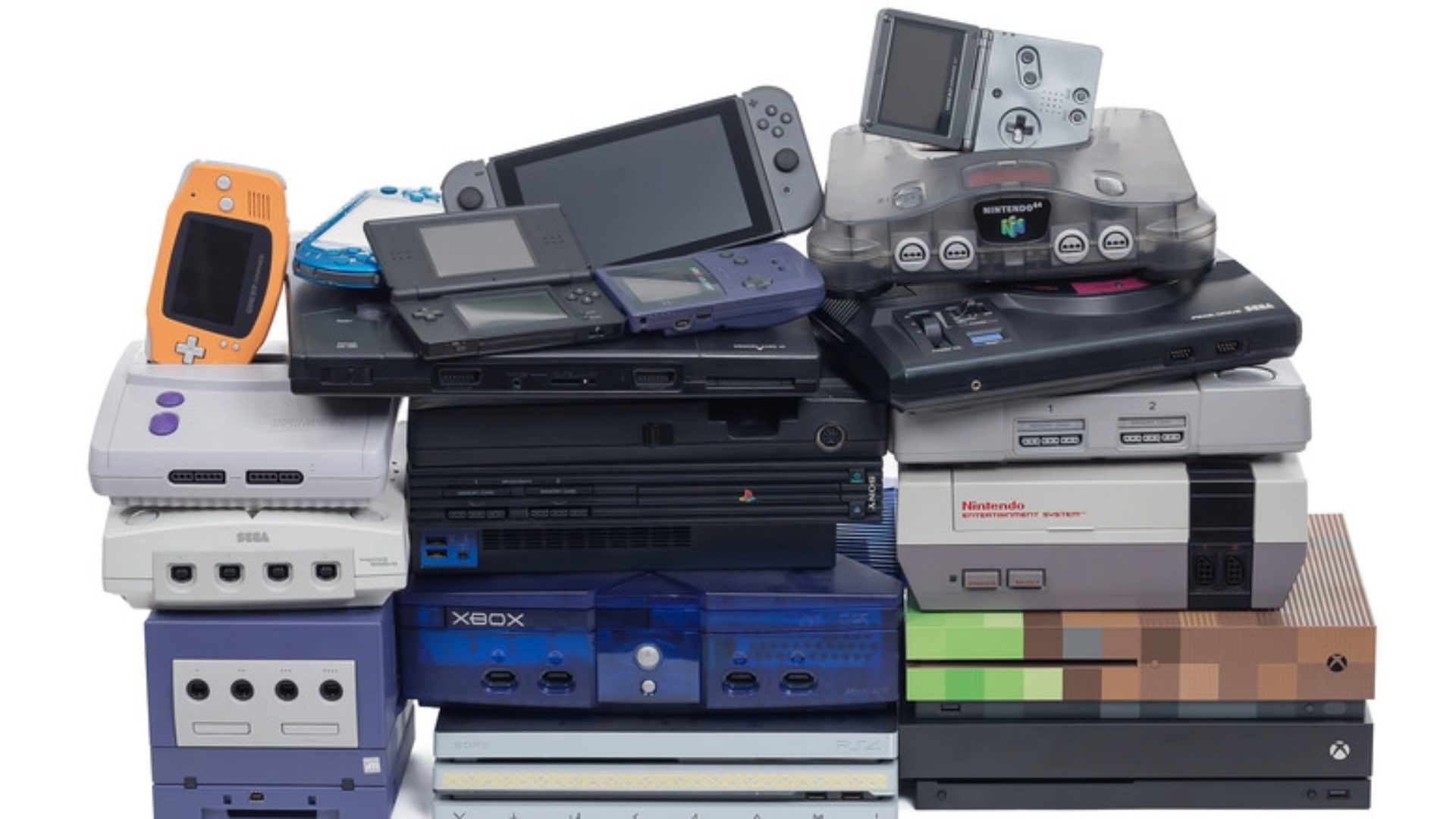
The 2000s were a boom in gaming that I would argue propelled the world into modern gaming as we know it by introducing a supernova of new consoles and a plethora of games that were relatively accessible across the globe. Nintendo, for starters, kept out gaming bellies filled by delivering the GameBoy Advance and GameCube (which, fun fact, was the console I first independently got to cherish) in the first half of the decade, then followed up with the DS and Wii later on. Sony tried to stay a frontrunner in the early days of the console war, calling in PlayStation reinforcements 2 and later 3, as well as their own handheld insurgent, the Playstation Portable (PSP). But, just when it was seeming like Sony and Nintendo were locked in a steady duel, Microsoft arrived to shake things up by dropping the Xbox bomb in 2001, then cementing themselves as worthy adversaries by following up with the Xbox 360 in 2005.
Now, it wasn’t just consoles that seemed to be popping up every time you turned the corner, new games as well were more frequent than ever – understandably so given the surge of new consoles and recognizing that PCs had started to become more commonplace in homes across the world. During this time, many game franchises we know and love today had begun to find their footing with some titles I for one continue to revisit to this day. The Grand Theft Auto series grew quite large throughout the decade, growing by 3 with Grand Theft Auto III, San Andreas, and Vice City, as did The Legend of Zelda franchise with Majora’s Mask, Twilight Princess, and The Wind Waker.
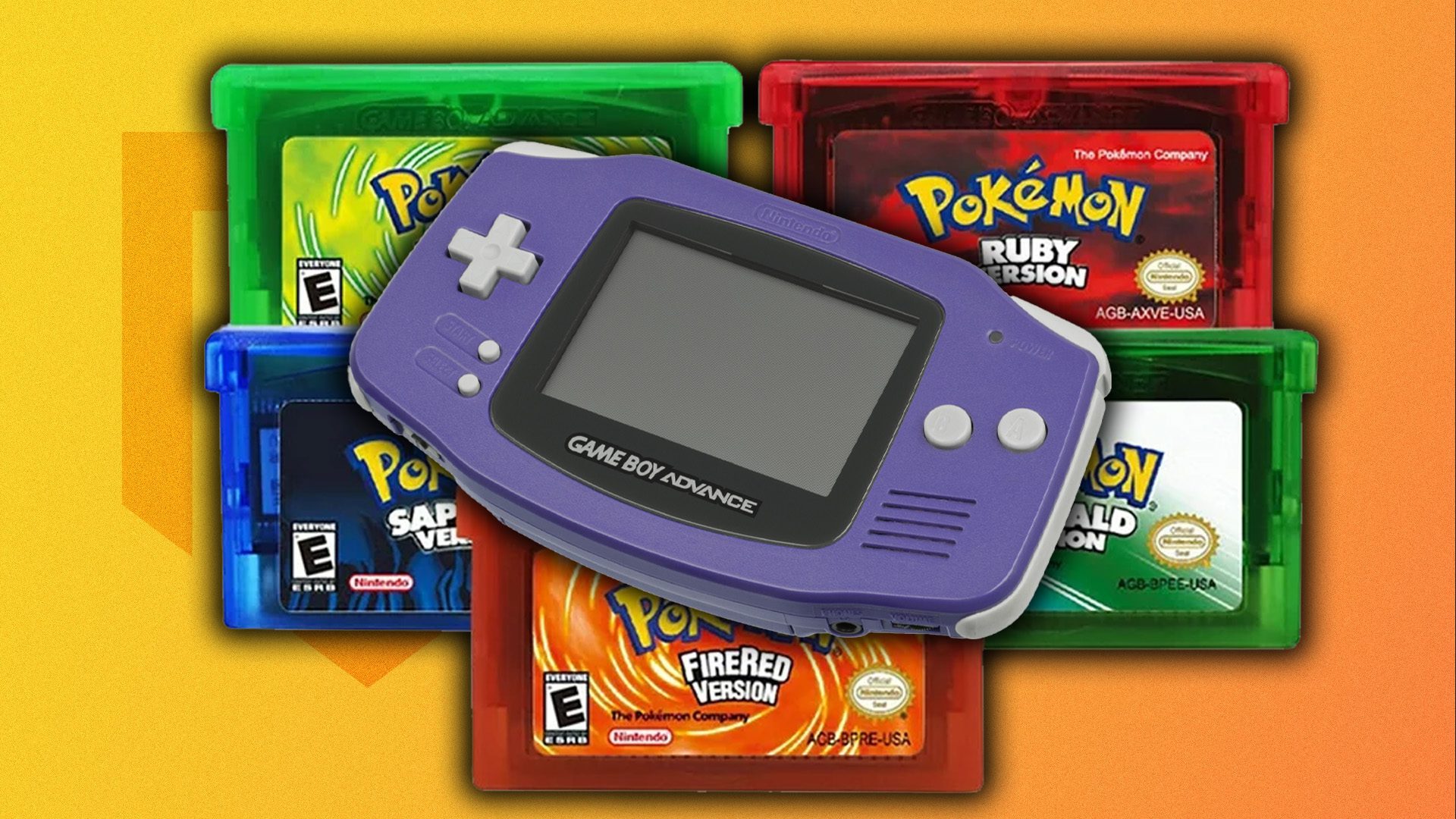
Pokémon, a series I hold very near and dear to my heart evolved not once, not twice, but three times. It starts ringing in the decade with Generation II’s Pokémon Crystal Version, followed by Generation III’s Ruby, Sapphire, and later Emerald Versions, as well as their Generation I remakes FireRed and LeafGreen, then capping off the decade with Generation IV in Pokémon Diamond, Pearl, then Platinum and their Generation II remakes HeartGold and SoulSilver. All of these are beloved by Pokémon fans, especially me. In addition to the growth of previously established series like these, the decade saw the birth of what would later become titans of the industry such as Halo and Minecraft. With this list being a fraction of what came from the 2000s, perhaps now I’ve caught your attention and am beginning to sway you into agreeing with me on denoting the decade a golden age of gaming; if not, however, stick with me while I provide some further evidence by divulging what keeps me coming back to these games.
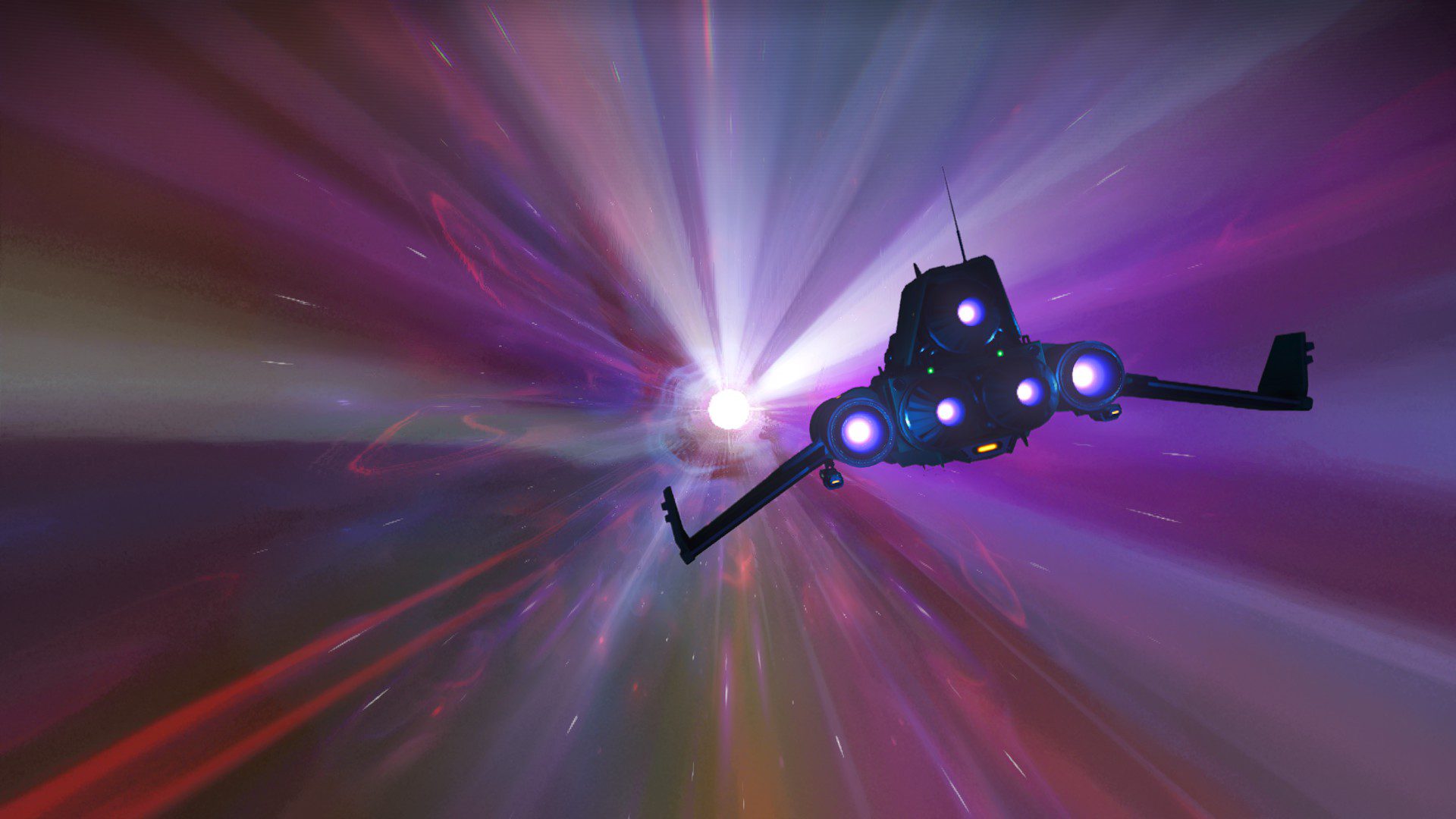
Though the race for technological advancement had arguably properly begun during the 2000s, developers were still severely limited in what they could do both graphically and in regards to the capacity or expanse of games, meaning games back then were simpler, shorter, and didn’t look as visually stunning compared to those we see today, but I don’t believe that’s a bad thing. Now this certainly isn’t to say games in this generation didn’t look good or that they played poorly. In fact, I think the limitations encouraged developers to focus more on the gameplay and narratives of games, which ultimately led to better games as opposed to better-looking games. Don’t get me wrong, I’m consistently in awe of what video games have become, especially visually, and I’m thankful to have so many that deliver beautiful landscapes across new, expansive worlds, but it feels as though, generally speaking, that has become the focus of developers lately: a competition to see who can make the most visually appealing game. There’s certainly merit in that; visually stunning worlds encourage the player to become more immersed in the game, but there are some equally notable consequences to diverting so much attention into the scenery.
For starters, focusing more on the aesthetics means diverting more assets toward the game, technologically and financially for the developers. More financial assets from the developers means charging more for the game upon release, forcing the consumers (gamers) to be more selective about what titles they play. The technological demands of higher quality visuals also then contribute to the financial toll gaming takes on players’ wallets. Higher quality visuals require a larger amount of storage space, then also forces players to stay up-to-date in terms of consoles or hardware. Speaking from the perspective of a PC gamer, it’s easier and less expensive for me to upgrade my graphics card, but it will still cost me five to ten times the price of the game I’m hoping to play.
Playing old games doesn’t simply just save me a penny or two from time to time, that isn’t the sole reason I keep going back to replay them over and over, it’s just one reason among many. To some extent, the graphic limitations of 2000s games encouraged me to fill in the gaps with my imagination, actively prompting my brain to engage and absorb every little detail of what was going on to build a better, more perfect picture. Take Pokémon for example. Having all the flashy move animations is cool, as is getting to watch my partner Pokémon roar when erupting from its Pokéball, and I love seeing how they, like the creatures, evolve across each generation. However, despite all the fancy animations, I find it harder to feel like Ash Ketchum these days. The old days were admittedly boring, but rather than complain about it, I dreamed of what I thought the battle really looked like in my head. Rather than physically watching my Blastoise disappear in a swirl of lackluster “Rapid-Spin(ing)” wisps I got to see him dart around the battlefield blasting water and bouncing all around in all his glory through my imagination… That made me feel like Ash Ketchum. While I appreciate how battles play out now with a clearer guide of what it could look like, it’s too much in my opinion, and it distracts me from watching the personal perfection that ensues in my head.
Speaking of distractions, there’s a recurring pattern in games these days that distract me, or more accurately scare me away from jumping in on games the moment they release: profit farming. Aside from indie developers, most games nowadays come with the promise of downloadable content (DLC), additional content via microtransactions, or games are released unfinished in early access. While I understand the intent – that being to either generate excitement or generate some more capital for the developers to continue working on the game – it seems to me that it often does more harm than good, and it sometimes feels like an excuse for laziness.
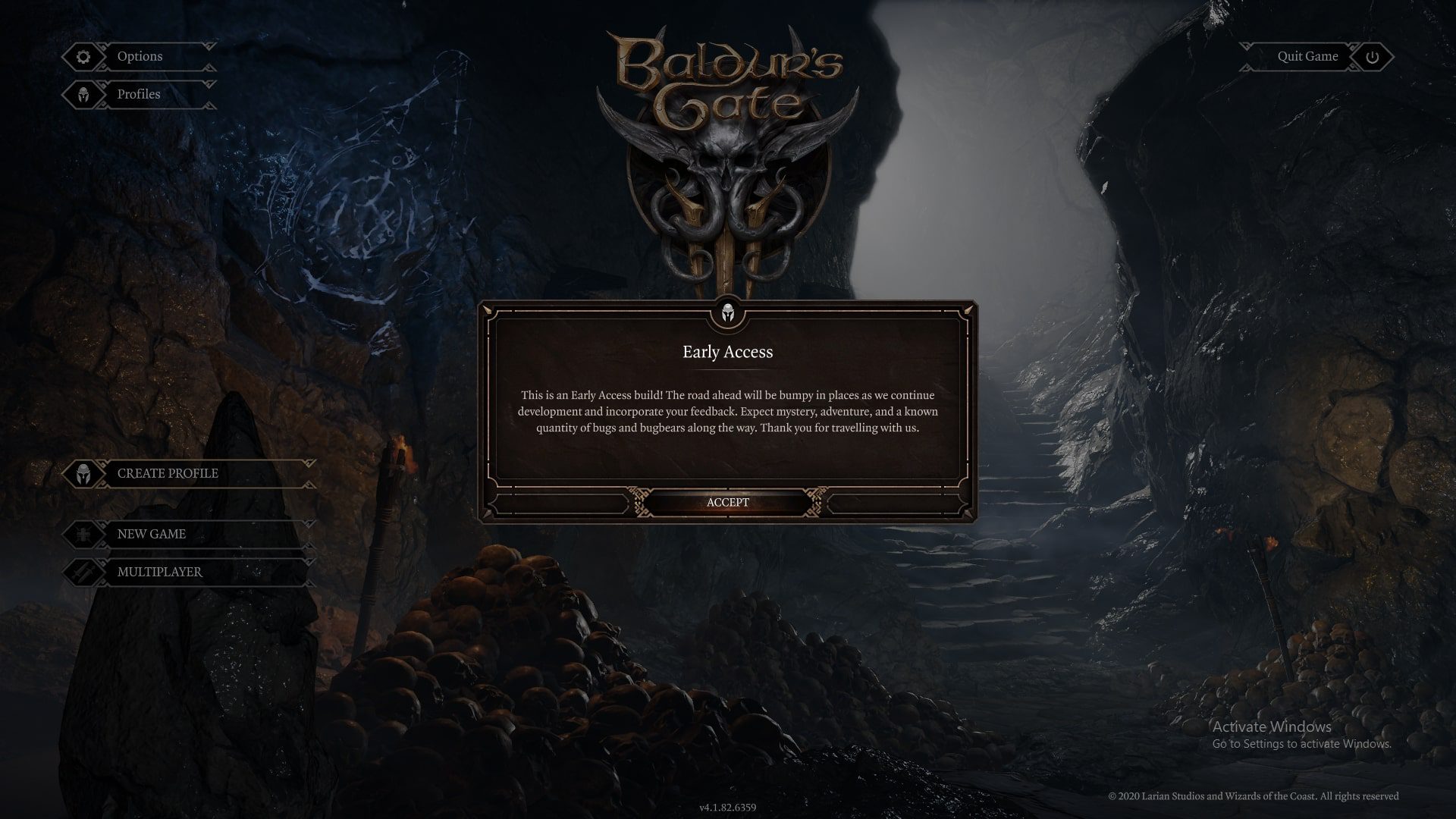
Releasing games in early access is certainly much more problematic; games often have an exorbitant amount of issues, sometimes resulting in games being downright unplayable for players, which understandably results in frustration and criticism. It does the player no good, and if it doesn’t satisfy the consumer, it won’t do the developer any good either outside of flagging technical problems to fix in future. In terms of DLC and additional content, I love when developers recognize and appreciate the success of a complete game and want to reward a devoted fanbase with major story or gameplay expansions, I call this DLC as an optimistic afterthought. I take issue, however, when developers are overconfident and greedy, producing the bare minimum in the base game then promising “it will get better!”
I have a similar attitude toward microtransactions; if the developer wants something to be in the game, it should be included without a paywall. My attitude toward content hidden behind the wall is reconciliation; if I have to pay to unlock a skin, I simply reconcile with knowing I’ll never have it, and the completionist in me will put the game away even if there are things yet to be “unlocked.” It seems silly to me that developers find it more productive to sacrifice player retention (which would be encouraged by making everything unlockable through playtime and progression) in favor of a few more dollars to the coffers.

I understand that these sorts of practices became exponentially more commonplace within the past five to ten years with the shift from disc to digital download, but it’s in this regard that the games of old, the classics, excelled. Games were first and foremost made to be enjoyed, and the best way to ensure they were enjoyed was by releasing games that were as close to perfect and complete as they could possibly be – no shortcuts, no hopes of profit farming, just hopeful optimism that the product would be cherished. Every time I boot up an old game I’m flushed with joy and excitement because, whether I acknowledge it or not, I know I’m in for an adventure through art that people put their heart and soul into knowing that whatever they deliver is the end of the journey and the representation of their best effort.
I play old games because, despite their appearances, they maintain magic within them that I fear is being sacrificed more these days. Nostalgia of course plays a large part in why I keep coming back to classics – which is part of the magic – but the other is making strengths from weaknesses and allowing room for the imagination to flourish. Individual interpretation is a large part of what makes art so special and desirable to engage with, and old games allow for that beautifully.
I’d love to hear your thoughts, as well as some of your favorite older games down in the comments! Stayed tuned with GameLuster for more discussions like this!